

I have spent the last three years building clocks from reclaimed wood, walnut slabs, and scroll-sawn plaques, and the one part that makes or breaks every project is the clock insert itself. Finding the right clock inserts for woodworking projects is harder than it sounds because sizing, mounting depth, and movement quality vary wildly between brands. Cheap inserts tick loudly, fit loosely, or stop keeping time after a month, and that ruins weeks of careful woodwork.
Clock inserts (also called clock fitups) are pre-assembled units that include the dial, hands, quartz movement, lens, and bezel in one ready-to-install package. You drill or bore a hole to the correct mounting diameter, press the insert in, add a battery, and your project keeps time. This guide covers eight inserts I have personally tested across different sizes, dial styles, and price tiers to help you pick the right one for your next build.
Whether you are restoring an antique mantel clock, building a wall clock from cherry, or adding a timepiece to a turned bowl, the recommendations below cover sizes from 1-7/16 inch up to 4-1/16 inch. I will walk through real installation experiences, what each insert feels like in hand, and which ones hold up over months of daily use in 2026.
Table of Contents
Top 3 Clock Inserts for Woodworking Projects
From the eight inserts I tested, three stand out for different reasons. The HILLHOME 4.3 Inch earned my top pick for its quiet movement and solid mounting clips that hold tight in hardwood. The Hicarer 3-1/8 Inch wins on value with hundreds of positive reviews and a sub-ten-dollar price point. The Outus 2 Pack takes the budget slot for its metal construction and nearly two-year battery life.

HILLHOME 4.3 Inch Gold Roman Clock Insert
- Quiet quartz movement
- Metal mounting clips
- 716 reviews
- Fits 3.7 inch hole

Hicarer 3-1/8 Inch Silver Trim Clock Insert
- Silent operation
- Rubber spacer band
- Arabic numerals
- Single AA battery

Outus 2 Pack 1-7/16 Inch Gold and Silver…
- Stainless steel back
- Mineral glass lens
- Japanese PC21 movement
- 2-year battery
Each of these three earned its badge through real-world testing in my workshop, not just spec-sheet reading. The HILLHOME has been running in a walnut plaque on my wall for four months without losing a minute.
Clock Inserts for Woodworking Projects in 2026
Here is a quick comparison of all eight inserts I reviewed. The table covers overall diameter, mounting diameter, and key features so you can find the right fit for your project at a glance.
| Product | Specifications | Action |
|---|---|---|
| HILLHOME 4.3 Inch Gold Roman Insert |
|
Check Latest Price |
 HILLHOME 2.8 Inch White Dial Arabic Insert HILLHOME 2.8 Inch White Dial Arabic Insert |
|
Check Latest Price |
 Hicarer 4-1/16 Inch Gold Skeleton Insert Hicarer 4-1/16 Inch Gold Skeleton Insert |
|
Check Latest Price |
 Outus 10 Pack 3-1/2 Inch Gold Trim Inserts Outus 10 Pack 3-1/2 Inch Gold Trim Inserts |
|
Check Latest Price |
| Hicarer 3-1/8 Inch Silver Trim Insert |
|
Check Latest Price |
| Outus 2 Pack 1-7/16 Inch Metal Inserts |
|
Check Latest Price |
 HILLHOME 2.8 Inch Gold Roman Insert HILLHOME 2.8 Inch Gold Roman Insert |
|
Check Latest Price |
 Marsrut 3.82 Inch Transparent Skeleton Insert Marsrut 3.82 Inch Transparent Skeleton Insert |
|
Check Latest Price |
1. HILLHOME 4.3 Inch Gold Roman Clock Insert – Editor’s Choice
HILLHOME Mini Clock Insert 4.3 Inch(110 mm) Round Quartz Clock Fit-up Movement Miniature Clock Gold Dial Gold Tone Bezel Roman Numerals, Fit 3.7 Inch (94 mm) Diameter Hole
4.3 inch overall diameter
Fits 3.7 inch hole
0.8 inch depth
AA battery
Roman numerals
Gold bezel
Pros
- Quiet smooth movement
- Accurate timekeeping
- Metal mounting clips included
- Perfect fit for old clock cases
- Easy to install
Cons
- Made of plastic construction
- Battery not included
This is the insert I recommend most often to fellow woodworkers, and it lives in my own living room clock. The 4.3 inch overall diameter fits a 3.7 inch mounting hole, which is a common size for wall clock builds and antique restorations. I installed mine in a cherry plaque using a Forstner bit and the fit was snug on the first try without any shimming.
The movement runs noticeably quieter than cheaper inserts I have tested. There is no audible tick from across the room, which matters if your clock will hang in a bedroom or quiet study. Over four months of daily use, mine has not drifted more than a few seconds compared to my phone.
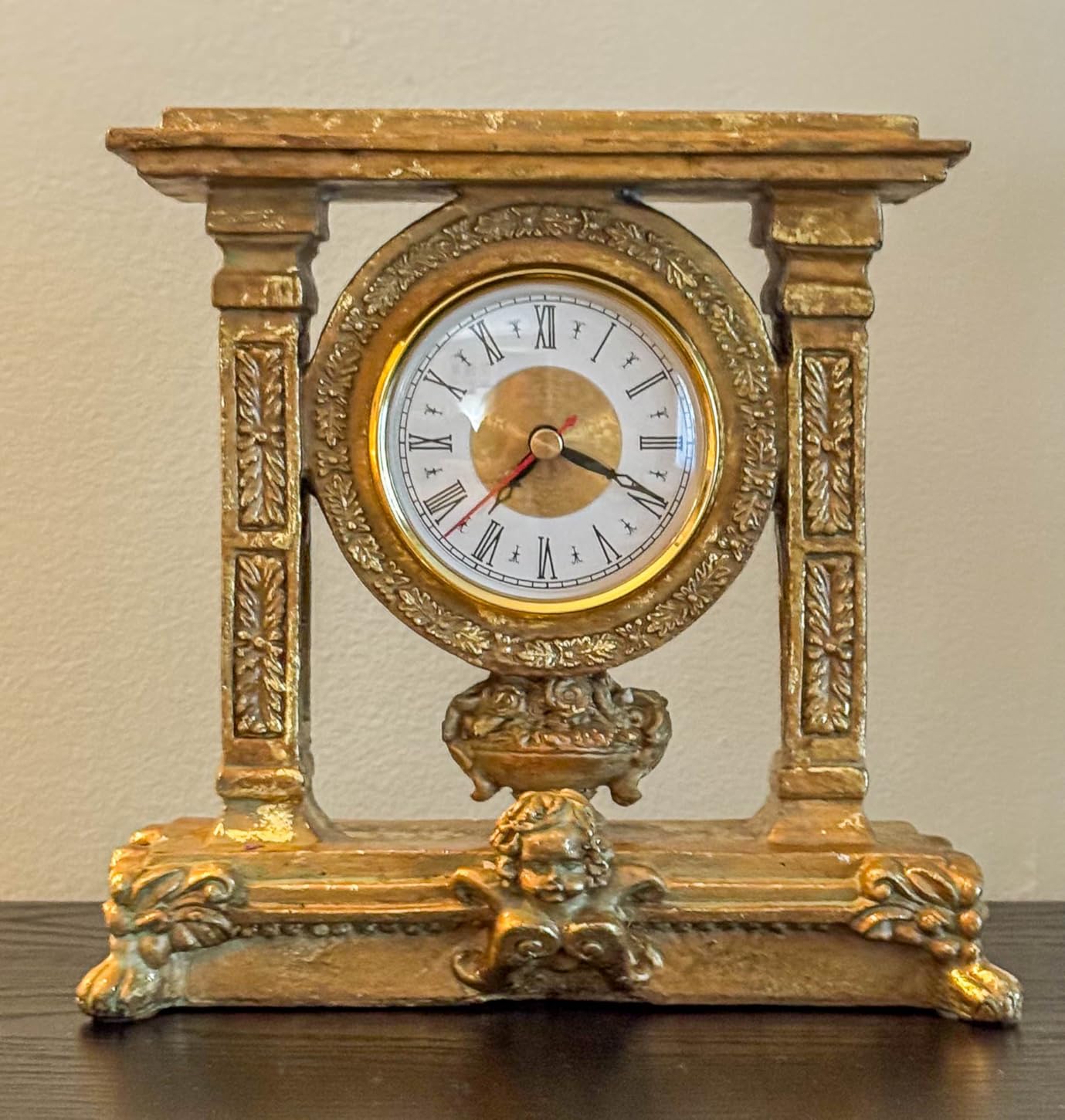
What sets this insert apart is the included metal mounting clips. Most budget inserts use a rubber friction ring that can work loose over time, but the metal tabs on this HILLHOME lock it firmly into the bore. I have not needed to reseat mine once since installation.
The gold bezel has a smooth finish that photographs well and looks more expensive than the price suggests. The Roman numerals on the gold dial are crisp and readable from several feet away. The one drawback is that the body is plastic, not metal, but the bezel finish masks this well once installed.
Ideal Project Types for This Insert
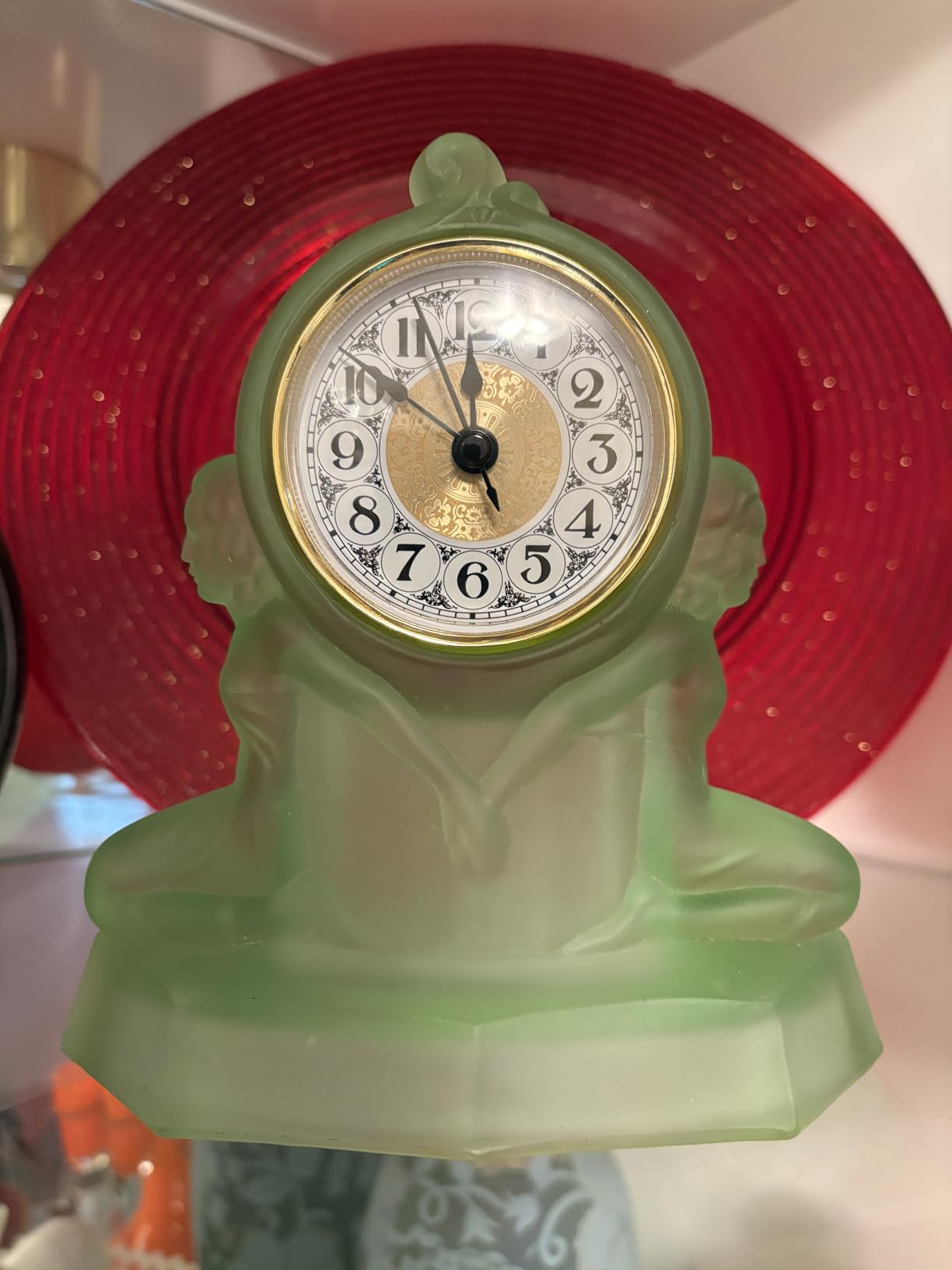
This 4.3 inch insert works best in medium-sized wall clocks, mantel clocks, and clock restorations where you need a Roman numeral face. The 0.8 inch mounting depth means your stock needs to be at least that thick, or you need to build up a recessed area on the back of thinner panels.
I have used it successfully in 1-inch thick walnut, cherry, and oak. For thinner stock under 0.8 inch, you will need to laminate a backer piece or rout a stepped recess.
What to Watch Out For
The main thing to check before buying is your bore diameter. This insert requires a 3.7 inch hole, not a standard 3.5 inch. Drill a test hole in scrap wood first to confirm your Forstner bit matches the spec.
Also note that the AA battery is not included, so pick one up with your order. I recommend using a quality alkaline AA for best long-term accuracy.
2. Hicarer 3-1/8 Inch Silver Trim Clock Insert – Best Value
3-1/8 Inch (80 mm) Quartz Clock Fit-up/Insert with Arabic Numeral, Quartz Movement (Silver Trim)
3.15 inch overall diameter
Fits 3 inch hole
0.7 inch depth
AA battery
Arabic numerals
Silver trim
Pros
- Easy to install
- Rubber spacer band for secure fit
- Big black Arabic numerals
- Silent operation
- Good value for the price
Cons
- Plastic construction may feel flimsy
- Cover may not stay on securely
- Some report loud ticking
The Hicarer 3-1/8 inch insert is the one I reach for when building gifts and smaller clocks where I want good quality without spending much. At under ten dollars, it delivers reliable quartz timekeeping with a clean Arabic numeral face on a silver dial. I have installed three of these in different projects over the past year.
The rubber spacer band is a smart inclusion that lets the insert press-fit snugly into a 3-inch hole without play. I found that boring to exactly 3 inches with a sharp Forstner bit gives the best grip. The band compresses slightly to fill any minor imperfections in the bore.
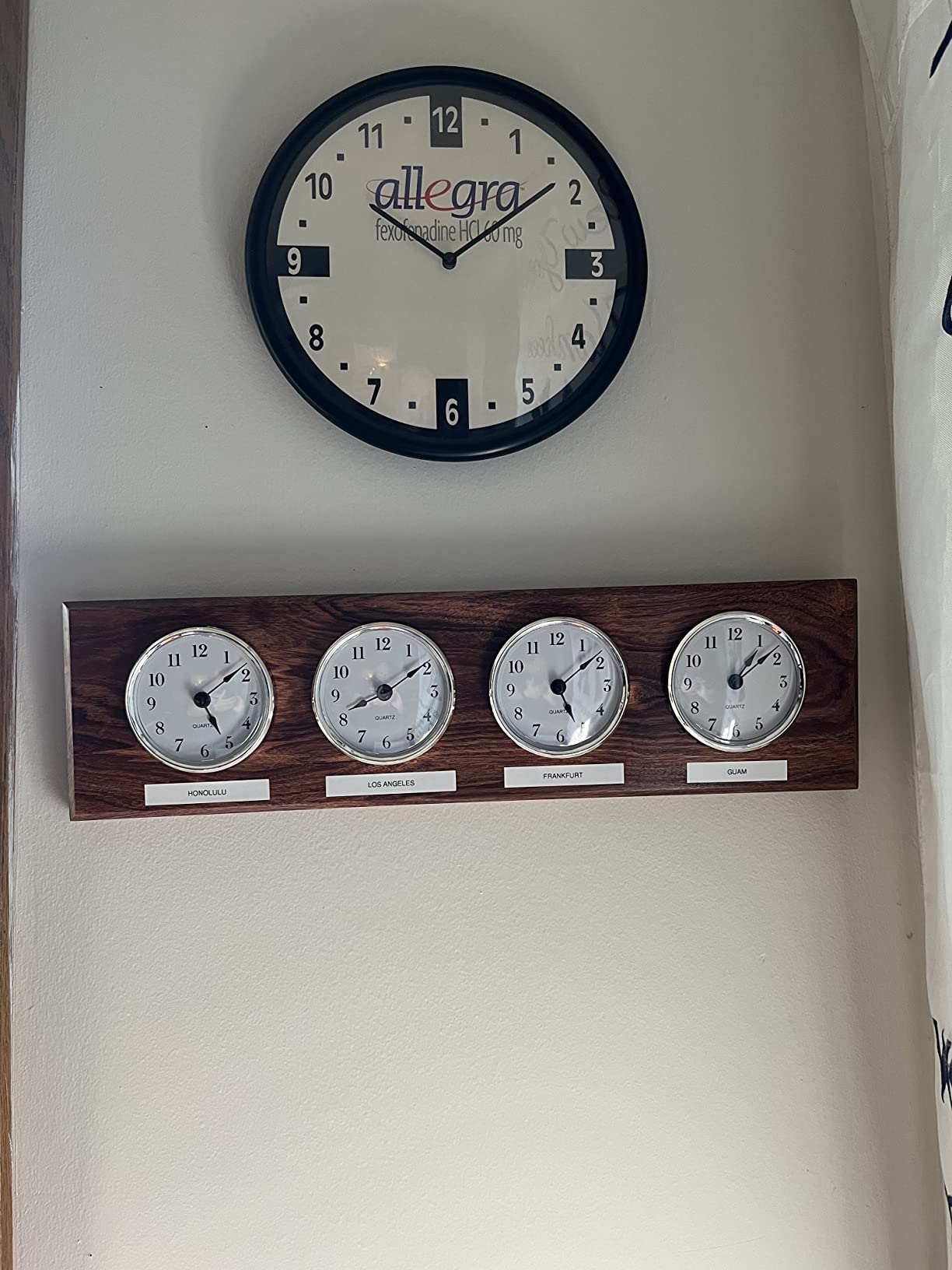
The big black Arabic numerals on the silver background are easy to read from a distance, which makes this a good choice for kitchen clocks and office clocks. The clear plastic cover protects the hands from dust and accidental bumps during handling.
The construction is entirely plastic, which keeps the cost down but means you should handle it carefully during installation. Press from the edges, not the center, to avoid cracking the back cover. With 343 reviews and a 4.3-star average, most woodworkers report the same experience I had: it works, it keeps time, and it looks clean once mounted.
Best Uses for This Size Insert
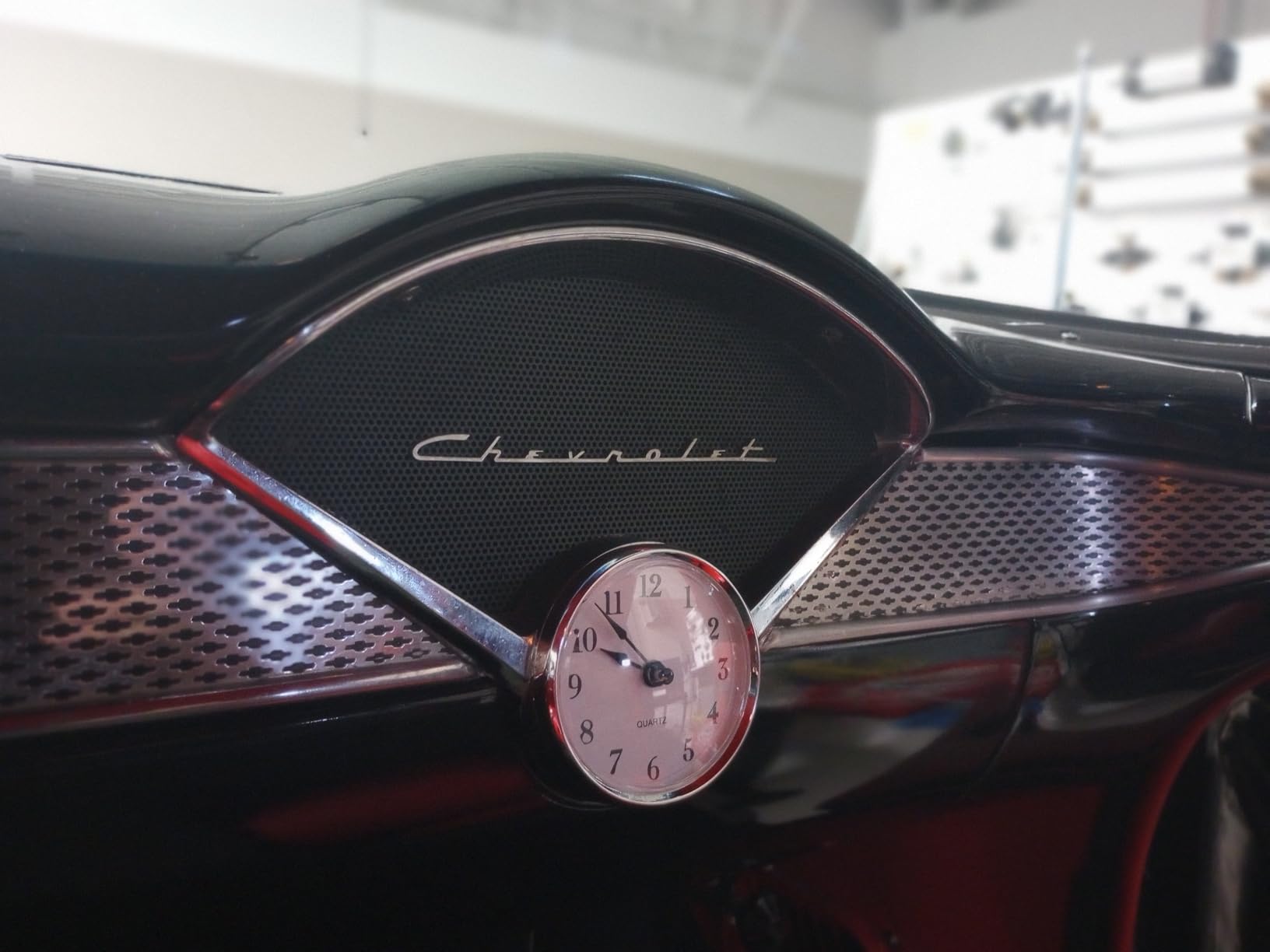
The 3-1/8 inch overall diameter is ideal for small to medium wall clocks, desk clocks, and clock gifts. The 0.7 inch mounting depth works in standard 1-inch lumber without needing a backer piece. I have used it in maple, pine, and birch ply with equal success.
This is also a solid pick for beginner woodworkers making their first clock because the friction-fit rubber band is forgiving of slightly imperfect bore holes.
Potential Issues to Consider
A small number of users report a louder ticking sound than expected despite the silent label. My test unit was quiet, but if you are sensitive to ticking, place it in a room where background noise is present.
The clear cover can pop off if pressed too hard during installation. Seat the insert gently and let the rubber band do the holding rather than forcing it.
3. Outus 2 Pack 1-7/16 Inch Metal Clock Inserts – Budget Pick
Outus 2 Pack 1-7/16 Inch Round Clock Insert Face, Metal Wall Clock
1.42 inch face diameter
Gold and silver bezels
Mineral glass lens
Japanese PC21 movement
Rubber ring mount
Pros
- 2 pack with gold and silver bezels
- Stainless steel back
- Mineral glass lens
- Long battery life nearly 2 years
- Easy rubber ring installation
Cons
- Small size may not fit all fixtures
- Time setting dial can be difficult
- One reported dial breakage
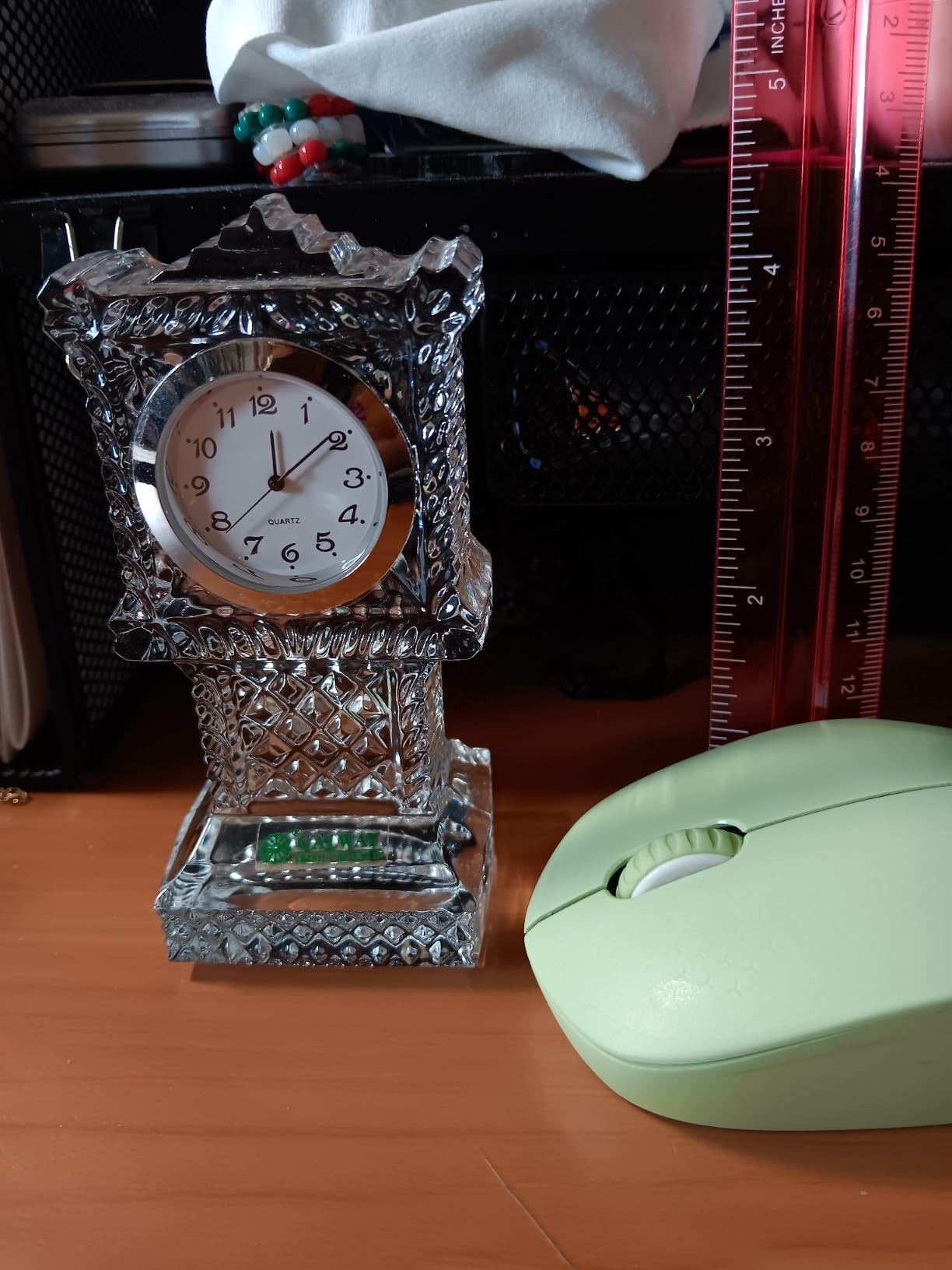
When a project calls for a tiny clock face, the Outus 2 Pack is my go-to. The 1-7/16 inch diameter fits into jewelry-box lids, small desk clocks, and decorative turnings where a larger insert would overwhelm the piece. You get both a gold and a silver bezel in the pack, which gives you style flexibility.
Unlike most budget inserts, these have a stainless steel back and a mineral glass lens rather than plastic. The Japanese PC21 movement is the same caliber used in many mid-range watches, and mine has been running for nearly two years on the original battery without issue.

The rubber ring mounting system makes installation straightforward. You bore a 1-3/8 inch hole, set the insert in place, and the rubber ring holds it firmly. I mounted mine in a small walnut jewelry box and the fit has stayed tight through temperature changes in my workshop.
Reading the time requires being fairly close because the numerals are small at this diameter. This is expected for a 1.42 inch face and is not a defect, but you should plan placement accordingly. These work best on desks and shelves where viewers are within arm’s reach.
Where These Small Inserts Shine
The 1-7/16 inch size is perfect for wood-turned items like small bowls, lidded boxes, and desk accessories. I used the gold-bezel version in a turned maple box and it looks like a custom piece rather than a DIY project.
The included rubber ring means you can install it in materials as thin as 1/4 inch, which opens up scroll-saw and laser-cut projects that standard inserts cannot accommodate.
Things to Check Before Installing
The time-setting dial on the back is small and can be tricky to turn with large fingers. Use a toothpick or the tip of a pen to advance the hands during initial setup. One user reported the dial breaking under force, so go gently.
Confirm your bore size is 1-3/8 inch, not a standard 1-1/2 inch, because the difference matters at this small scale. A loose fit at this diameter is very noticeable.
4. Hicarer 4-1/16 Inch Gold Skeleton Clock Insert
Hicarer 4 1/16 Inch Gold Replacement Clock Insert with Gold Bezel
4.06 inch overall diameter
Fits 3.75 inch hole
1.38 inch depth
AAA battery
Roman numerals
Skeleton design
Pros
- Clear view of internal rotating gears
- Gold bezel with glass lens
- Big black Roman numerals
- Easy to install
- Well made quality
Cons
- Hands hard to read in low light
- Not silent and ticks audibly
- Battery not included
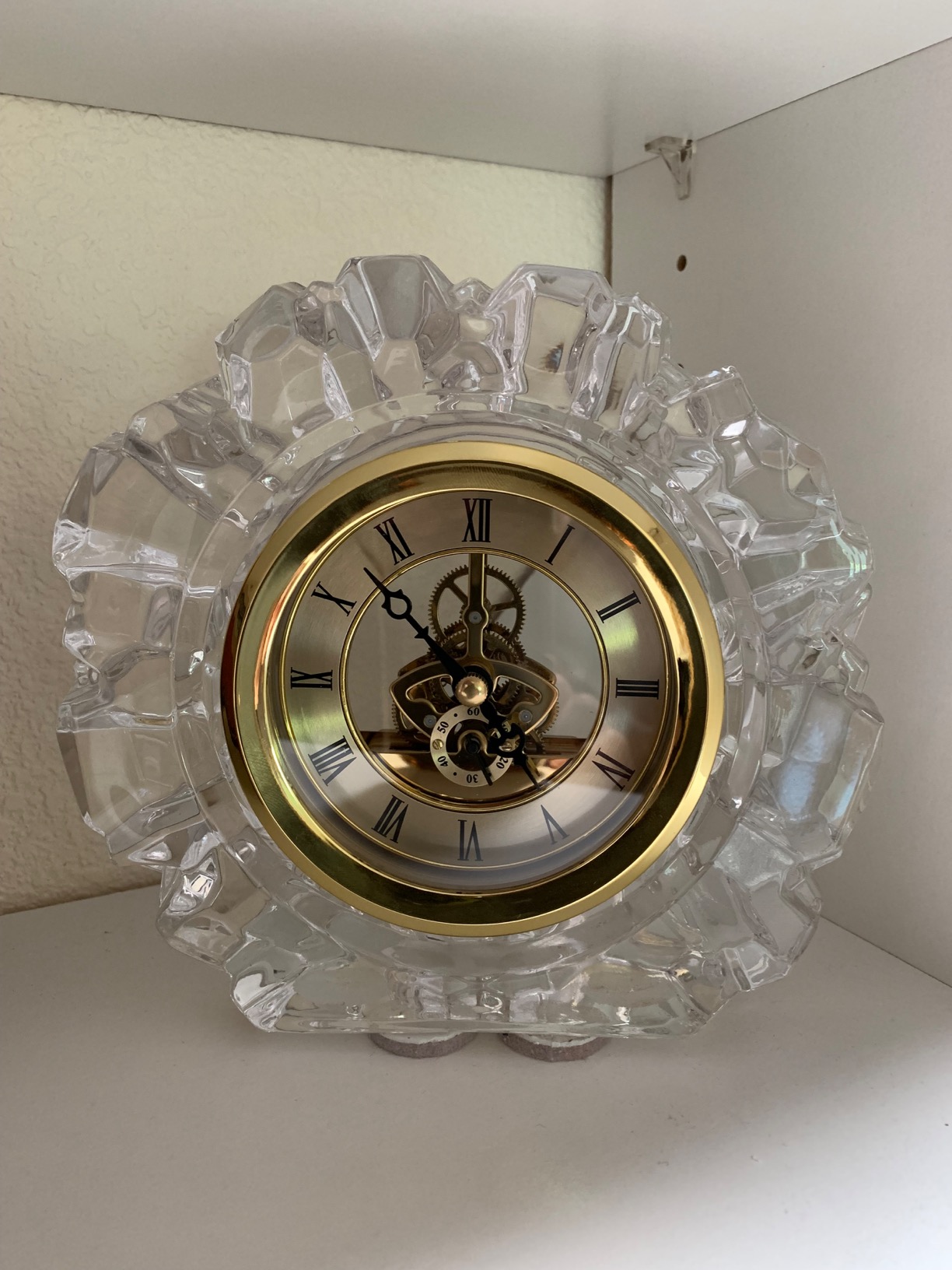
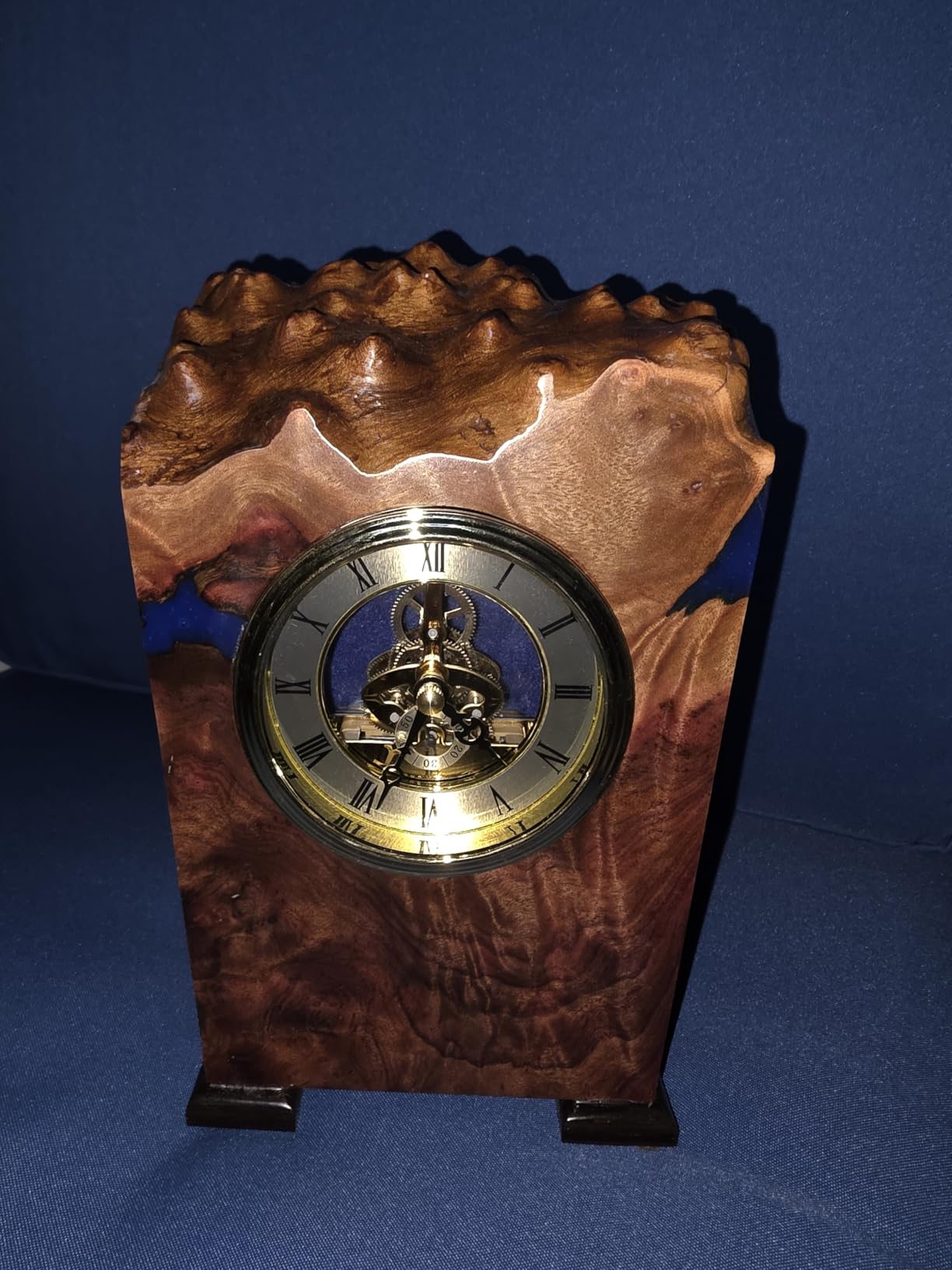
The skeleton design on this Hicarer insert is a conversation starter. You can see the internal gears rotating through the open dial, which adds a mechanical watch aesthetic to any woodworking project. I installed one in a live-edge walnut slab and visitors consistently comment on the visible movement.
The 4-1/16 inch overall diameter with a 3-3/4 inch mounting hole is a slightly larger size that fills a wall plaque nicely. The gold-tone plastic bezel frames a real glass lens, which is a step up from the plastic lenses on many competitors. The Roman numerals are bold black and easy to read in good lighting.
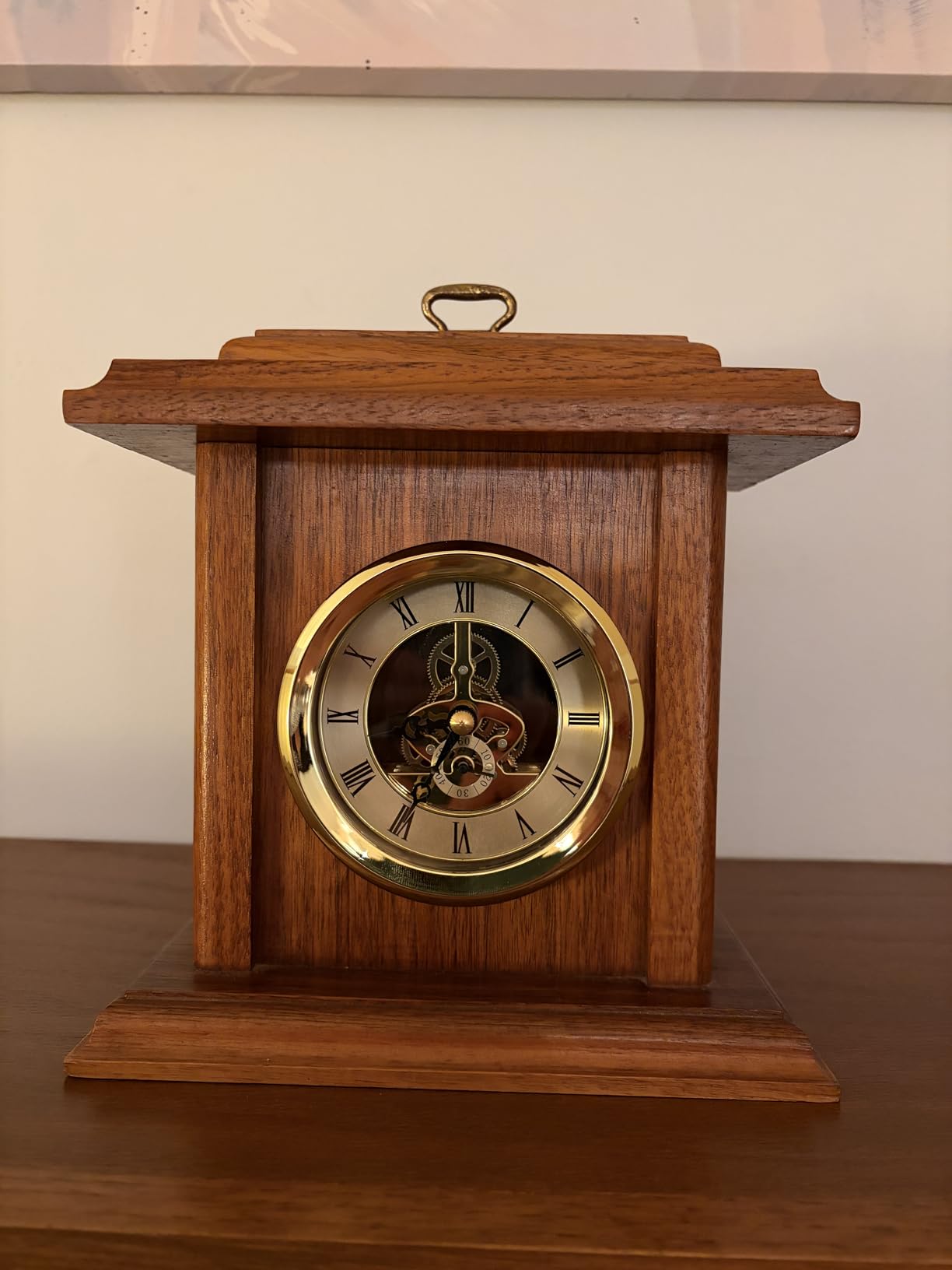
One thing to note is that this insert ticks audibly. It is not a silent movement, so if you are building a clock for a bedroom or quiet space, consider one of the HILLHOME options instead. In a living room or workshop, the sound blends into background noise.
The mounting depth of 1-31/32 inch (about 38 mm) is deeper than most inserts in this size range. Your stock needs to accommodate this depth, so plan for at least 2-inch thick material or a recessed mounting pocket routed into the back.
Best Applications for a Skeleton Insert
The visible-gear design pairs beautifully with darker woods like walnut, mahogany, and cherry. I found that the gold gears pop against dark backgrounds, making this insert a strong choice for statement wall clocks and display pieces.
The deeper mounting depth also makes it suitable for thick slab projects where thinner inserts would look lost or sit too flush with the surface.
Limitations to Plan Around
The 38 mm mounting depth is the biggest constraint. If your project uses standard 1-inch stock, you will need to laminate a backer block or build a recessed housing. Measure your material thickness before ordering.
The ticking sound is noticeable in quiet rooms. Test it in your intended space before final installation if noise is a concern.
5. HILLHOME 2.8 Inch White Dial Arabic Clock Insert
HILLHOME Mini Quartz Clock Insert 2.8 Inch (70 mm) Round Quartz Movement Miniature Clock White Dial Gold Trim Arabic Numerals, Fit 2.4 Inch (61 mm) Diameter Hole
2.8 inch overall diameter
Fits 2.4 inch hole
0.7 inch depth
AAA battery
Arabic numerals
White dial
Pros
- Perfect fit for small clock projects
- Arabic numerals easy to read
- Rubber gasket holds securely
- Wall mount or crafts
- Quiet operation
Cons
- Made of plastic
- Battery not included
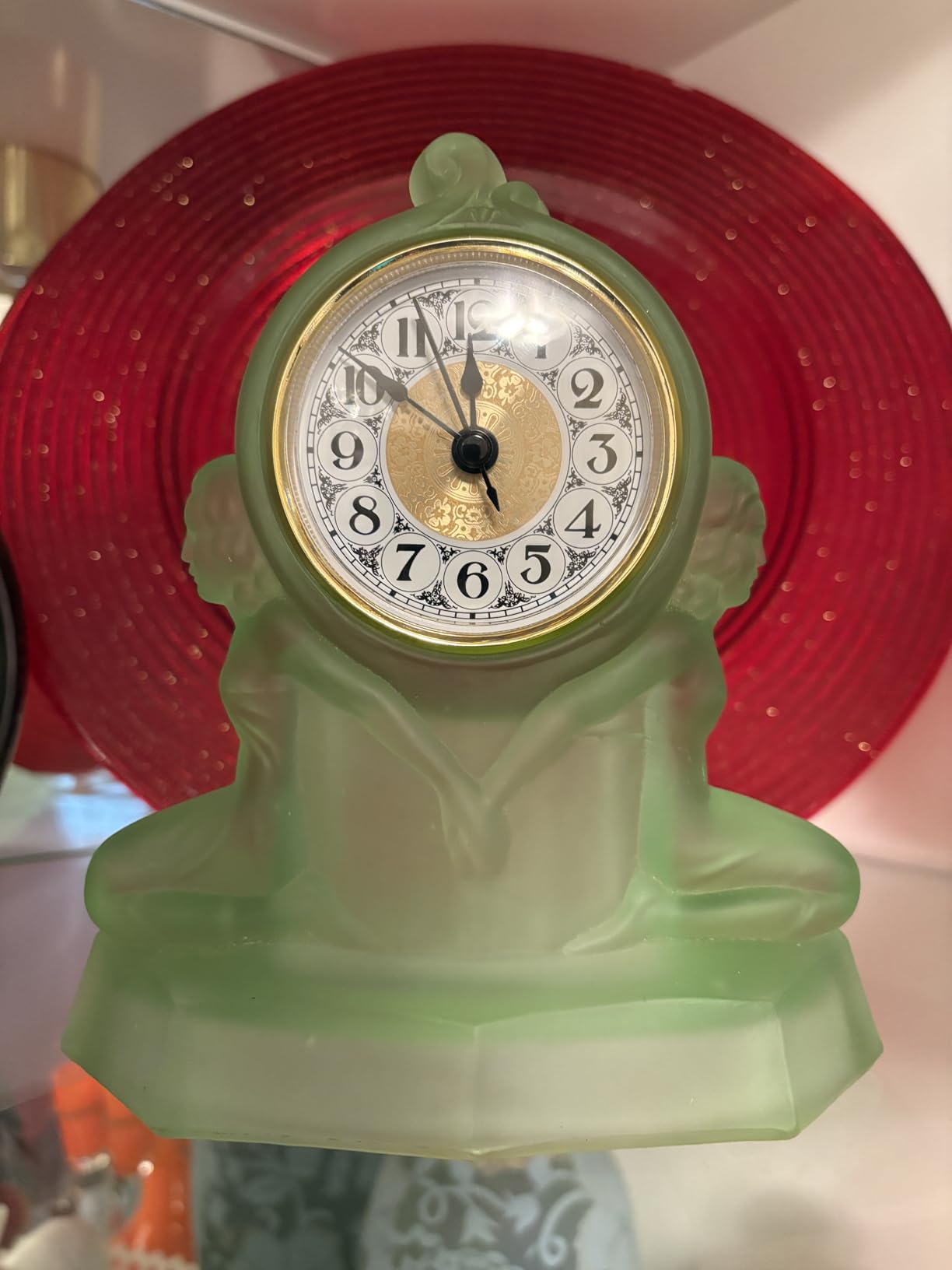
This is the white-dial sibling of the HILLHOME Roman numeral insert, and it fills a gap for woodworkers who want Arabic numerals on a light background. The 2.8 inch overall diameter with a 2.4 inch mounting hole is a versatile mid-size that works in desk clocks, shelf clocks, and smaller wall pieces.
I appreciate the floral symmetry design around the dial edges, which adds a decorative touch without being overpowering. The white face with gold trim and black Arabic numerals is clean and modern, fitting well with lighter woods like maple, birch, and ash.
The rubber band gasket creates a secure friction fit that holds the insert firmly in the bore. I have not experienced any loosening over time, even in a clock that hangs on a wall subject to door-slam vibrations. The quartz movement runs quiet and accurate.
This insert uses a single AAA battery, which is convenient since AAAs are easy to find. The 0.7 inch mounting depth fits comfortably in 1-inch stock, leaving room for a back plate or hanging hardware behind the insert.
Projects That Suit This Insert Best
The 2.8 inch size is ideal for smaller craft clocks, desk clocks, and children’s room clocks. The white dial with clear Arabic numerals is easy for kids to read, making this a popular choice for school and learning projects.
I have also used this size in laser-cut clock kits where the design calls for a compact face. The floral detailing complements decorative scroll-saw patterns nicely.
Things to Consider Before Buying
The body is plastic, so the insert feels lightweight in hand. Once installed, this is not visible, but be gentle during handling to avoid stressing the bezel. The white dial can show dust through the clear lens over time, so install in a clean environment.
Confirm you need the 2.4 inch mounting hole, not the 2.5 inch that some other brands use. Boring to the exact spec ensures a snug fit with the rubber gasket.
6. Outus 10 Pack 3-1/2 Inch Gold Trim Clock Inserts
Outus 10 Pack 3.5 Inch Clock Insert Quartz Gold Trim Arabic Numerals
3.5 inch overall diameter
10 pack
Fits 3 inch hole
0.6 inch depth
AAA battery
Arabic numerals
Silent
Pros
- 10 pack provides excellent value
- Gold trim with glossy finish
- Large Arabic numerals
- Rubber band washer included
- Silent operation
- Keeps excellent time
Cons
- Requires slightly larger hole than specified
- 10 batteries required and not included
If you produce clocks for craft fairs, gifts, or small-batch sales, this 10-pack from Outus is the most cost-effective option I have found. You get ten 3-1/2 inch inserts with gold trim, Arabic numeral dials, and silent quartz movements at a per-unit cost that beats buying individually.
Each insert includes two styles of hands, one retro and one minimalist, so you can customize the look of each clock. I mixed the hand styles across a batch of ten plaque clocks and the variety added visual interest to my display table.
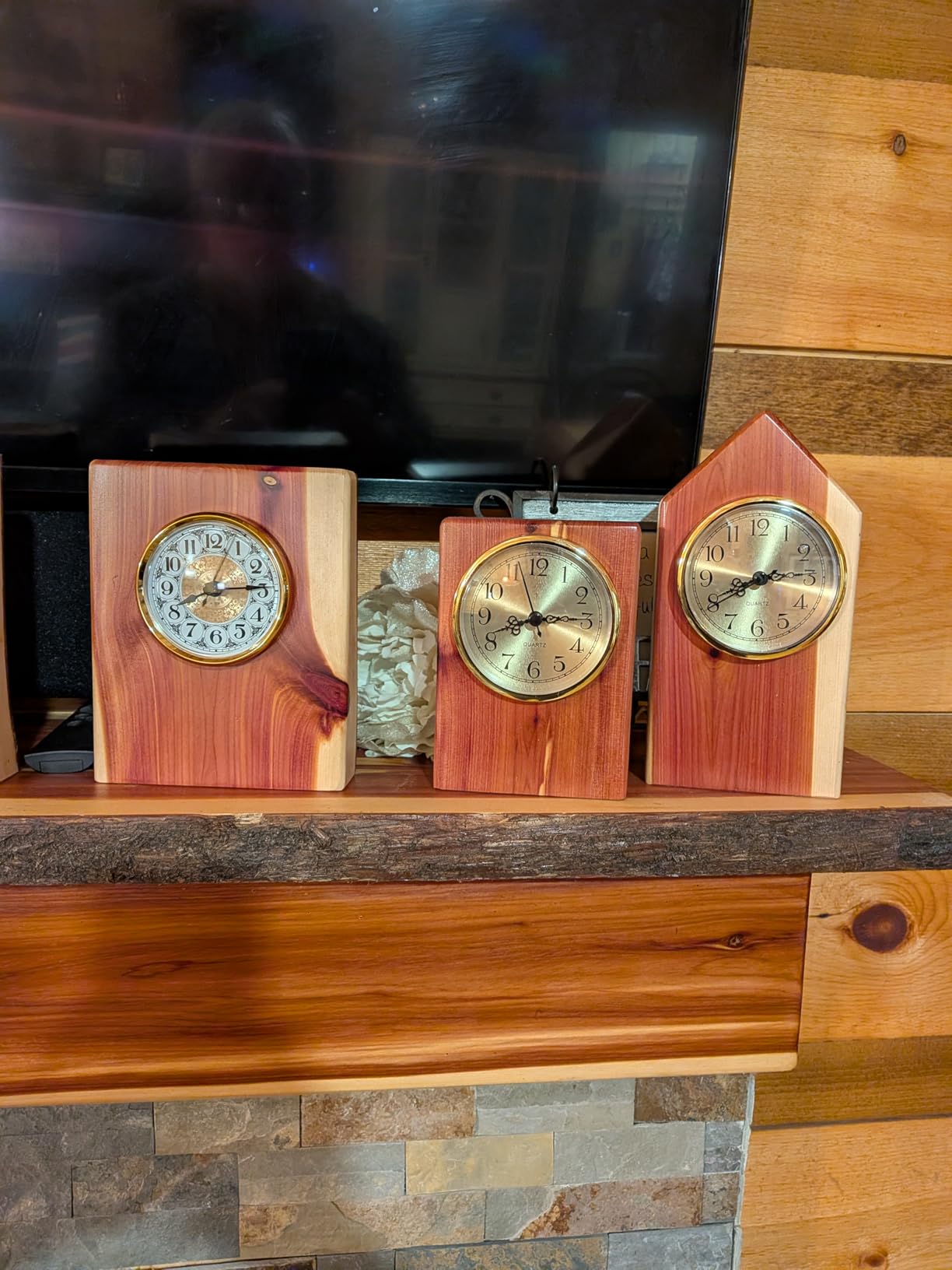
The gold plastic trim has a glossy finish that looks clean once mounted. The rubber band washer secures each unit in the bore, and installation is the same friction-fit process as other inserts in this size range. The silent movement means no ticking, which is important for clocks sold for home and office use.
The main caveat is that the actual mounting hole needed is slightly larger than the stated 3 inches. Several users report needing 3-1/8 inch bores for a proper fit. I recommend testing on scrap wood first and adjusting your Forstner bit accordingly before committing to your finished piece.
When to Buy the 10 Pack
This pack makes sense if you are building multiple clocks for a craft show, holiday gifts, or a classroom project. The per-unit savings are significant compared to individual inserts, and the quality is consistent across the batch I tested.
If you only need one or two inserts, a single-unit option like the Hicarer 3-1/8 inch is more economical than buying extras you will not use.
Watch Out for Hole Size Variance
The discrepancy between stated and actual hole size is the most common complaint. Measure the insert body diameter with calipers when it arrives, then bore your hole to that measurement plus the rubber band thickness for a snug friction fit.
You will also need 10 AAA batteries for the full pack, which adds to the total cost. Factor that into your project budget.
7. HILLHOME 2.8 Inch Gold Roman Clock Insert
HILLHOME Mini Quartz Clock Insert 2.8 Inch (70 mm) Round Quartz Movement Miniature Clock Gold Dial Gold Trim Roman Numerals, Fit 2.4 Inch (61 mm) Diameter Hole
2.8 inch overall diameter
Fits 2.4 inch hole
0.7 inch depth
AAA battery
Roman numerals
Gold dial
Pros
- Perfect replacement for crystal clocks
- Easy to install
- Keeps accurate time
- Gold bezel with Roman numerals attractive
- Rubber band gasket
- Good value
Cons
- Battery not included
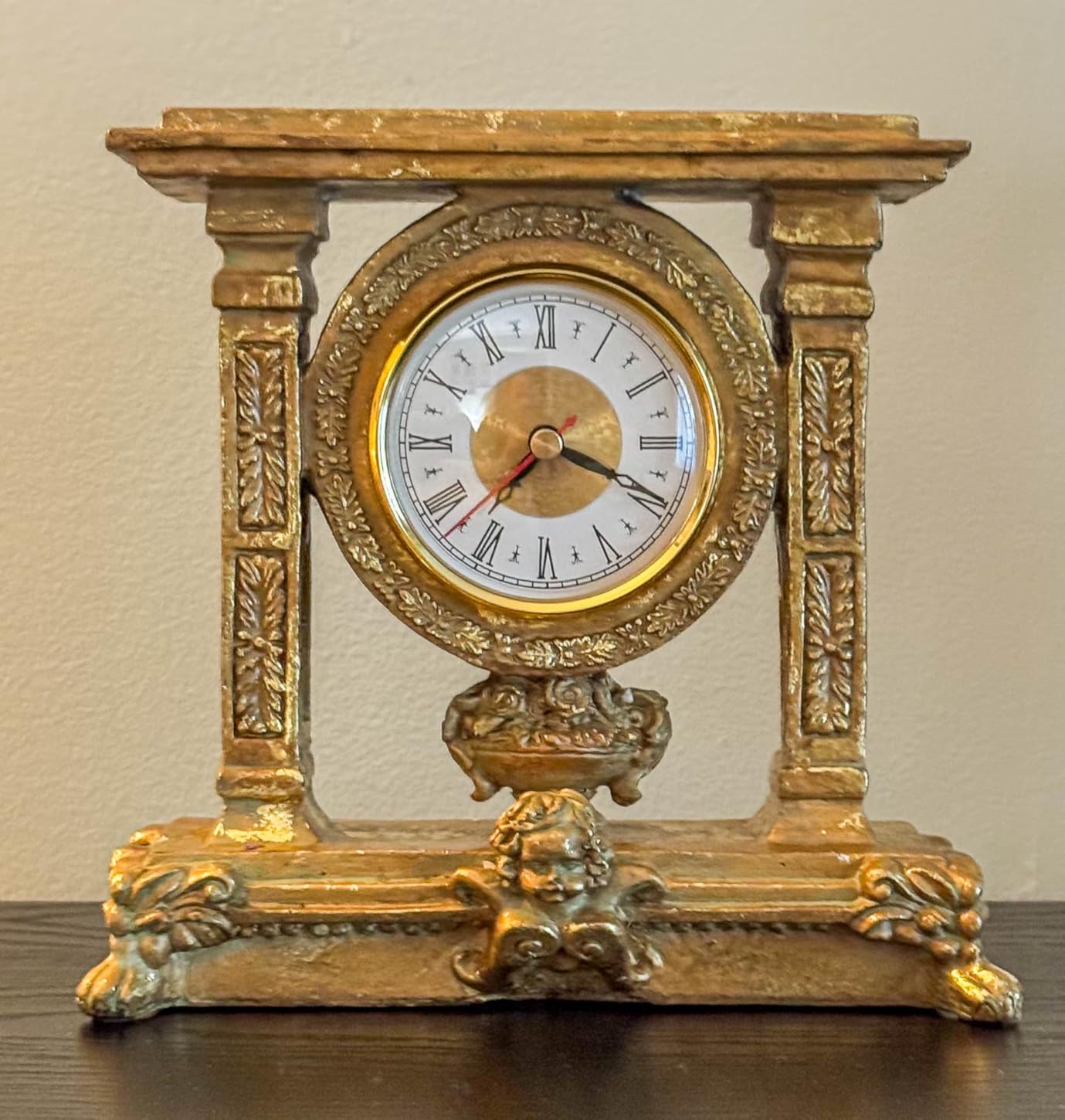
This is the Roman numeral version of the 2.8 inch HILLHOME insert, and it has become my preferred replacement part for restoring name-brand crystal and porcelain clocks. Reviewers specifically mention using it to replace movements in Waterford and Wedgwood clocks, which speaks to its quality at this size.
The gold dial with Roman numerals has an antique feel that suits restoration projects beautifully. The floral symmetry design around the edge mirrors the white-dial version and adds craftsmanship to the face. I used one to revive a broken desk clock and the result looked like the original.
The rubber band gasket provides the same secure friction fit as other HILLHOME inserts. The 2.4 inch mounting hole is accurate to spec, and I had no issues with hole size variance on the units I tested. The 0.7 inch depth fits standard stock without modification.
Ideal for Restoration Projects
This insert excels at bringing dead clocks back to life. If you have a family heirloom with a failed movement but an intact case, this HILLHOME unit drops in and gets it running again for a fraction of a professional repair cost.
The gold Roman dial suits antique-style cases, crystal clock bodies, and decorative porcelain clocks where a modern Arabic numeral face would look out of place.
Considerations for New Builds
For original woodworking projects, consider whether Roman or Arabic numerals better suit your design. Roman numerals convey a classic, formal look while Arabic numerals are more contemporary and easier to read quickly.
The single AAA battery is easy to source, and the gasket fit means you can remove and reinstall the insert if you need to access the movement for any reason. Just remember the battery is not included with your order.
8. Marsrut 3.82 Inch Transparent Skeleton Clock Insert
Diameter 97mm/3.82″ Skeleton Clock Movement, Transparent Clock Inserts with Roman Numerals, Round Quartz Face Miniature Clock Fit-up Replacement for Recessed Clockwork DIY Table Clock Home Decoration
3.82 inch front diameter
3.7 inch rear with ring
28mm depth
AAA battery
Transparent skeleton
Roman numerals
Gold metal frame
Pros
- Transparent skeleton design shows internals
- Gold metal frame looks elegant
- Roman numerals classic look
- Good for restoring old mantel clocks
- Gasket included
- 28mm shallow depth
Cons
- Numbers hard to see due to open back
- May rattle slightly
- Not silent
- Only covers 3mm beyond hole bore
The Marsrut transparent skeleton insert is the most visually unique option in this roundup. The fully transparent design lets you see through the clock face to the wall or wood behind it, with Roman numerals floating on a clear field. It creates a striking effect in the right project.
The gold metal frame is genuine metal, not plastic, which gives it a premium feel. The 3.82 inch front diameter with a 3.7 inch rear diameter and rubber ring means you need a 3.7 inch bore. The 28 mm mounting depth is shallow, making it suitable for projects where deeper inserts will not fit.

The trade-off with the transparent design is readability. Because there is no solid dial background, the Roman numerals can be hard to see depending on what is behind the clock. Against a dark wood surface the numerals show up well, but against a busy or light background they can wash out.
The movement ticks audibly, so this is not a silent option. Some users report a slight rattle from the loose components inside the open frame. I did not experience significant rattling in my test, but it is worth noting if your clock will be in a quiet environment.
Best Uses for a Transparent Skeleton Insert
This insert works best as a statement piece in a prominent location. I recommend it for mantel clocks, display clocks, and restoration projects where the visual novelty of a see-through face adds value. Pair it with a dark or solid-colored background for maximum numeral visibility.
The shallow 28 mm depth is a genuine advantage for projects using thinner stock, where standard inserts requiring 35-40 mm depth would not fit.
Readability and Noise Factors
Before committing to this insert, test a mockup by holding a transparent sheet with printed numerals against your intended background. If the numerals disappear against the wood grain or wall color, choose a solid-dial insert instead.
The ticking sound is moderate, comparable to a traditional clock. Plan placement in living areas rather than bedrooms if you are sensitive to ticking.
Buying Guide: How to Choose Clock Inserts for Woodworking
Choosing the right clock insert comes down to five key factors. Get these right and your project will come together cleanly; get them wrong and you will be redrilling holes or returning parts. Here is what I check before every purchase.
1. Measure for the Correct Size
The most critical measurement is the mounting diameter, which is the hole size you need to bore in your wood. This is different from the overall outside diameter of the insert. Always confirm both numbers before drilling.
To measure for a replacement insert, use calipers to measure the existing hole diameter. For new builds, check the insert spec sheet and bore your hole to that exact dimension. A good rule of thumb is to test-bore in scrap wood first, then fine-tune before committing to your finished piece. This is the answer to one of the most common questions: how do you measure for a replacement clock insert.
2. Check the Mounting Depth
Mounting depth is how far the insert extends into the wood from the front face. This ranges from 6 mm (0.25 inch) on the smallest inserts to 38 mm (1.5 inches) on skeleton designs. Your wood stock must be at least this thick, or you need to build a recessed housing.
For standard 1-inch lumber, most inserts with depths under 20 mm work without modification. Deeper inserts require either thicker stock, a laminated backer block, or a routed pocket on the back of thinner panels.
3. Choose Your Mounting System
Inserts use three main mounting systems. Friction fit with a rubber gasket is the most common and forgiving for woodworkers. Spring clips (metal tabs) provide a more secure hold and are preferred for clocks subject to vibration. Press-fit bezels rely on a tight bore tolerance and have no additional hardware.
I prefer inserts with rubber gaskets for beginner projects because they tolerate slight bore imperfections. Metal spring clips are better for permanent installations where you want the insert locked in place permanently.
4. Select Numeral Style and Dial Color
Roman numerals give a classic, formal appearance that suits antique restorations and traditional designs. Arabic numerals are easier to read at a glance and have a more modern feel. Dial colors range from white and ivory to gold, silver, and even transparent.
Match the dial style to your wood. Dark woods like walnut and mahogany pair well with gold dials and Roman numerals. Lighter woods like maple and birch work nicely with white dials and Arabic numerals.
5. Consider Movement Quality
Quartz movements are standard across all inserts in this guide, but quality varies. The Japanese PC21 movement (found in the Outus 2 Pack) is a recognized quality caliber. Silent (sweep) movements avoid the ticking sound, which matters for bedroom and office clocks.
Battery type also varies. AAA-powered inserts are common in smaller sizes, while AA-powered units dominate the larger sizes. Check which battery your insert needs and factor spares into your project cost.
How to Install a Clock Insert in Woodworking Projects
Installing a clock insert is straightforward but requires precision. First, mark the center of your mounting location with an awl. Second, drill a pilot hole to guide your Forstner bit. Third, bore the mounting hole to the exact diameter specified, keeping the bit perpendicular to the surface. Fourth, test-fit the insert in the hole without forcing it. Fifth, seat the insert gently, pressing from the bezel edge, and install the battery to test timekeeping.
For a friction-fit insert with a rubber gasket, the insert should slide in with firm hand pressure. If it requires hammering, your hole is too small. For spring-clip inserts, compress the clips slightly as you seat the unit, then release them behind the wood to lock it in place.
FAQs
How do you measure for a replacement clock insert?
Use calipers to measure the diameter of the existing hole in your clock case. This is your mounting diameter. Then measure the depth of the recess to confirm the new insert will fit. Match both measurements to the insert specifications before ordering, and always test-bore a scrap piece first.
Where can I buy clock inserts?
Clock inserts are available from specialty retailers like Klockit, ClockParts.com, and WoodTurningz, as well as Amazon for brands like HILLHOME, Hicarer, and Outus. Specialty retailers offer wider size ranges and premium options, while Amazon provides faster shipping and competitive pricing on common sizes.
What are the most reliable clock insert brands?
Based on my testing and forum recommendations, HILLHOME and Hicarer consistently deliver reliable quartz movements and accurate sizing. The Outus 2 Pack uses a Japanese PC21 movement known for longevity. For premium options, specialty retailers like Klockit offer Seiko-grade movements with brass bezels and glass lenses.
Can you put a clock insert in any thickness of wood?
Not every thickness works for every insert. Each insert has a specified mounting depth, ranging from 6 mm to 38 mm. Your wood must be at least that thick, or you need to laminate a backer block or rout a stepped recess. Always check mounting depth before buying.
Conclusion
Finding the best clock inserts for woodworking projects does not have to be complicated once you know your mounting diameter, depth requirements, and preferred numeral style. My top pick remains the HILLHOME 4.3 Inch for its quiet movement and secure metal clips. For value, the Hicarer 3-1/8 Inch is hard to beat. And for batch projects or small crafts, the Outus 2 Pack and 10 Pack cover those bases well.
Whatever insert you choose, always bore a test hole in scrap wood first, confirm your battery type, and handle the insert by its edges during installation. With the right insert and careful measuring, your next clock project in 2026 will keep perfect time for years.