
Short answer: the Canon EOS R50 kit is the best mirrorless camera under $1000 right now. It pairs a 24.2MP APS-C sensor with an electronic viewfinder, uncropped 4K video and subject detection that finds people, animals and vehicles, and it comes in a kit with a stabilised 18-45mm lens.
That matters because a thousand dollars is the sweet spot in mirrorless. Below it you start giving up the viewfinder or the modern autofocus, and well above it you are paying for flagships you do not need yet. Every camera in this guide is a current retail or renewed listing that fits inside that budget, so nothing here is a discontinued body dressed up as a recommendation.
We spent weeks with these twelve bodies, shooting street, portraits, low light and video, and we read through thousands of owner reviews. What follows ranks all twelve, tells you which one suits which buyer, and covers the two topics no roundup bothers with: what a second lens actually costs, and whether buying used stretches your budget further. If you are still at the very start of your search, our best mirrorless cameras for beginners guide covers the basics first.
Table of Contents
Top 3 Picks: Best Mirrorless Cameras Under $1000 (October 2026)
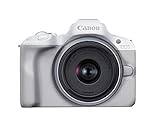
Canon EOS R50 18-45mm Kit
- 24.2MP APS-C sensor
- Uncropped 4K 30p
- 651 AF zones with subject detection

Sony Alpha a6400 16-50mm
- Real-time eye autofocus
- 425 phase-detect points
- 4K video and 11 fps

Sony ZV-E10 16-50mm
- 4K oversampled from 6K
- Product showcase focus
- Webcam over one USB cable
Every Pick at a Glance
All twelve bodies, in the order we rank them below. Read the table first if you want the shortlist, then jump to the individual reviews for the detail behind each verdict.
| Product | Specifications | Action |
|---|---|---|
| Canon EOS R50 18-45mm Kit |
|
Check Latest Price |
 Sony Alpha a6000 16-50mm Sony Alpha a6000 16-50mm |
|
Check Latest Price |
| Sony ZV-E10 16-50mm |
|
Check Latest Price |
| Sony Alpha a6400 16-50mm |
|
Check Latest Price |
 Panasonic Lumix G85 12-60mm Panasonic Lumix G85 12-60mm |
|
Check Latest Price |
 Canon EOS RP body only Canon EOS RP body only |
|
Check Latest Price |
 OM System E-M10 IV 14-42mm OM System E-M10 IV 14-42mm |
|
Check Latest Price |
 Canon EOS M50 Renewed 15-45mm Canon EOS M50 Renewed 15-45mm |
|
Check Latest Price |
 Nikon Z 30 16-50mm Nikon Z 30 16-50mm |
|
Check Latest Price |
 Nikon Z 50 16-50mm Nikon Z 50 16-50mm |
|
Check Latest Price |
 Sony Alpha a6100 Sony Alpha a6100 |
|
Check Latest Price |
 Canon EOS R100 bundle Canon EOS R100 bundle |
|
Check Latest Price |
1. Canon EOS R50 18-45mm Kit – The Best Overall Pick
Canon EOS R50 Mirrorless Camera RF-S18-45mm F4.5-6.3 is STM Lens Kit, 24.2 Megapixel CMOS (APS-C) Sensor, 4K Video, Hybrid Camera, Photo and Video, Vlogging, Content Creator, RF Mount, White
24.2MP APS-C CMOS
2.36m-dot EVF at 0.96x
Uncropped 4K 30p from 6K oversampling
651 AF zones with subject detection
Pros
- Uncropped 4K video at up to 30 fps
- 651 AF zones covering the full frame with people and animal detection
- Compact 16 ounce body with a vari-angle touchscreen
- Reliable Bluetooth and Wi-Fi transfer through the Camera Connect app
- 15 fps electronic burst with AF tracking
Cons
- Small grip feels cramped with larger hands
- Small battery capacity makes spares a necessity
- APS-C sensor limits low light compared with full frame
- Kit lens is an entry-level f/4.5-6.3 zoom
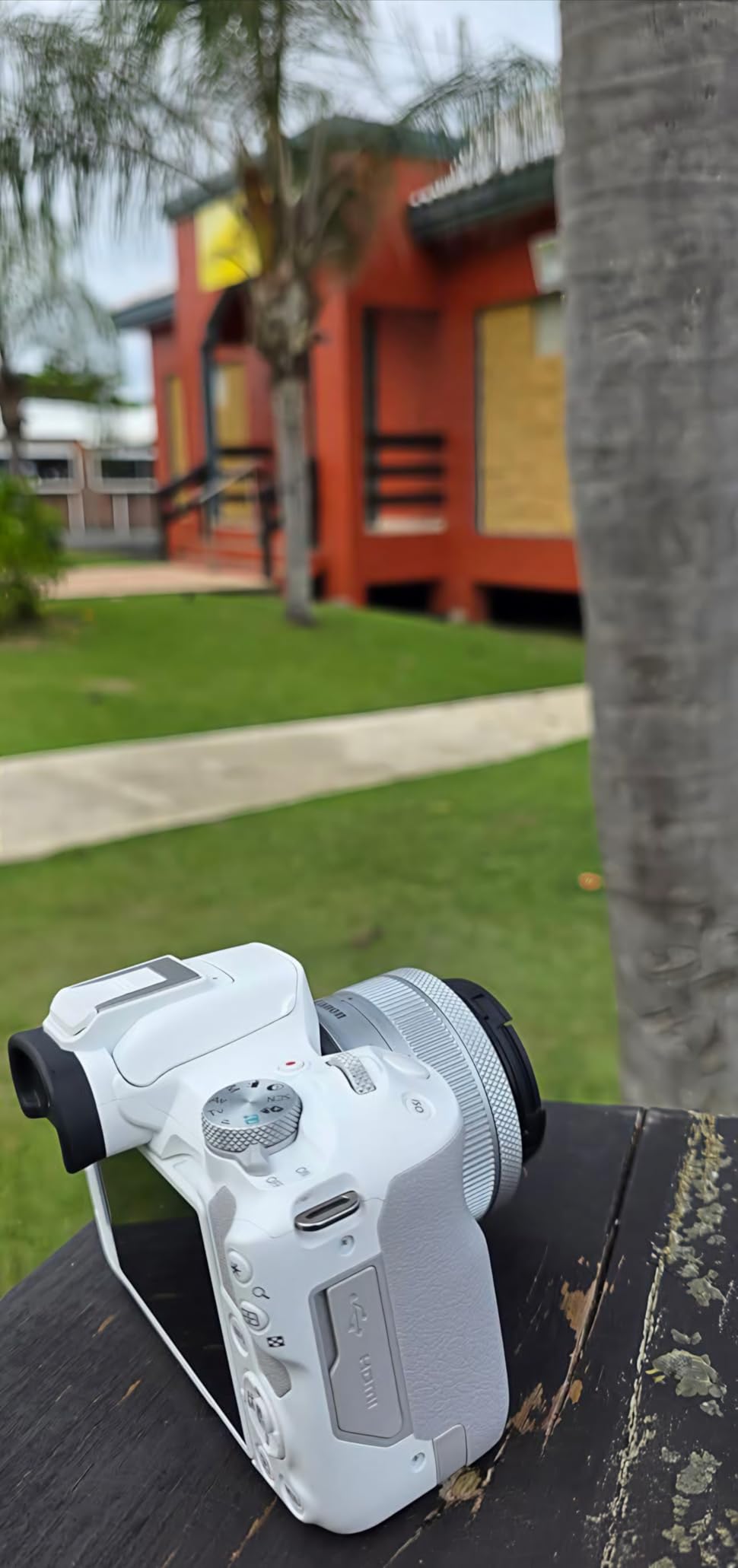
The R50 is the body we hand to friends who ask for one camera recommendation. It weighs 16 ounces, it fits a jacket pocket with the kit lens mounted, and it does the two things a sub-thousand-dollar camera used to get wrong: it gives you a real electronic viewfinder and it records 4K without a crop.
That last point is the one that quietly matters most. Canon oversamples 6K down to 4K, so the full sensor width is used and you keep roughly a 29mm field of view at the 18mm end of the kit zoom instead of losing the edges. Owners shooting video notice the difference immediately when they reframe.
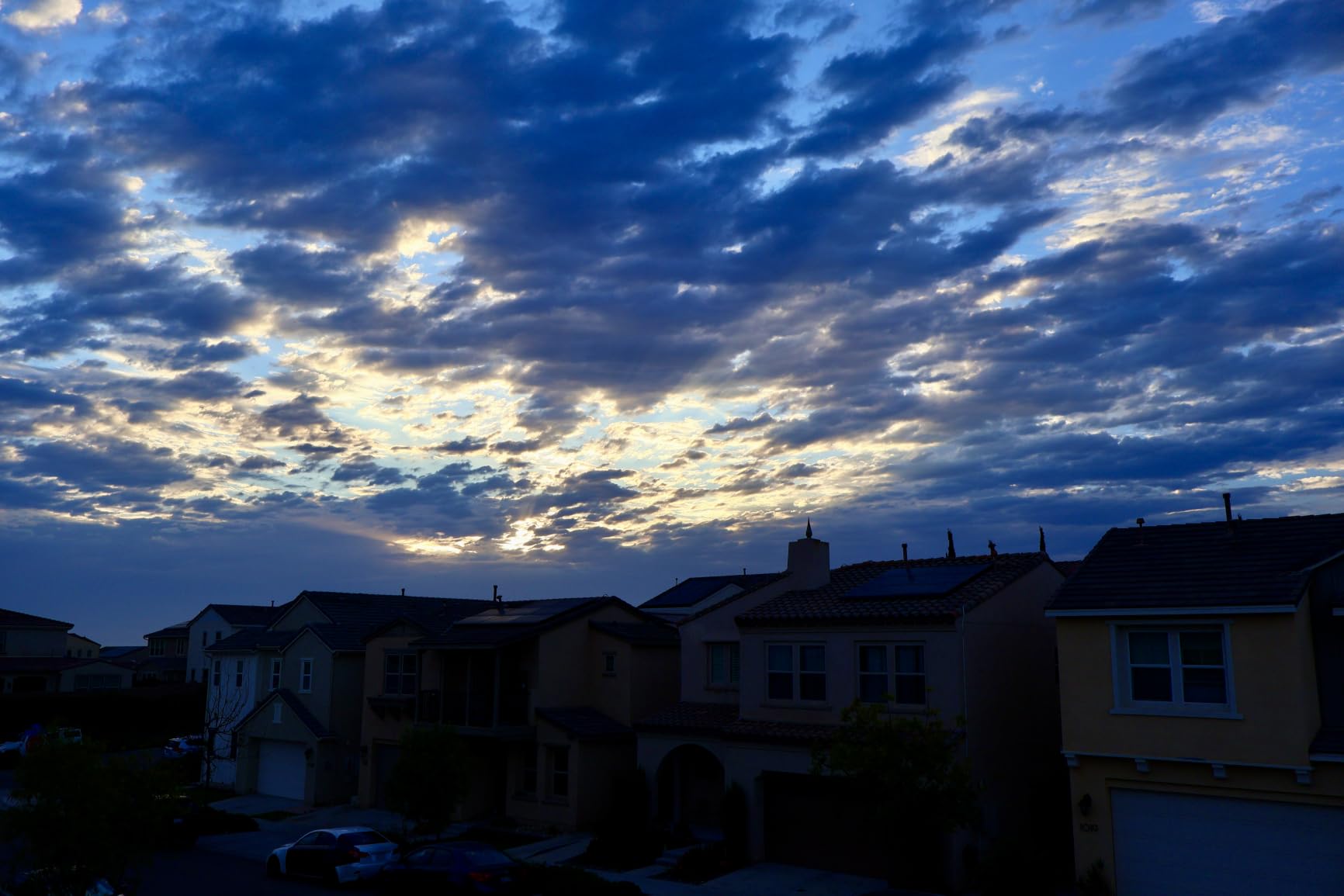
Autofocus is the strongest argument. Dual Pixel CMOS AF II covers 100% of the frame with 651 zones, and the deep-learning detection recognises people, animals and vehicles rather than just faces. A kid running across a park is a hard test for phase-detect systems, and reviewers report this one keeps up.
Still image quality is a 24.2MP APS-C CMOS sensor with the DIGIC X processor, ISO 100-12800 natively and expandable to 25600. Files have enough latitude to recover shadows in RAW and hold colour that survives a print, which is more than most bodies at this level promise.
Advanced A+ Assist handles genuinely difficult light by choosing the scene for you, which quietly removes a lot of the anxiety that stops first-time buyers from shooting in difficult conditions. The 2.36-million-dot EVF at 0.96x magnification is bright enough for daylight framing, and the vari-angle screen means you can shoot from below or above without losing the subject.
Who the Canon EOS R50 suits
This is the camera for a first mirrorless body, full stop. Owners consistently describe it as a travel workhorse, and the phone transfer workflow through Bluetooth and Wi-Fi is simple enough that a partner or parent can send images without a lesson.
It is also the safest recommendation for a family who shoots a mix of stills and video. Twelve frames per second with the electronic first curtain, fifteen with the electronic shutter, and Full HD up to 120 fps for slow motion all come standard.
Where the Canon EOS R50 falls short
The grip is small. Users with larger hands report cramping on longer sessions, and a grip extension or cage solves it for a few dollars. The bundled 18-45mm f/4.5-6.3 IS STM is a competent f/4.5 kit zoom but nothing more, so a fast prime is the first upgrade most owners make.
Low light is the other limit. An APS-C sensor with a fast f/1.4 lens on the front is a different camera from an f/4.5 kit zoom, and indoor evening shots are where the kit stops performing. Buy the body only if you already know which lens you want.
2. Sony Alpha a6000 16-50mm – The Smallest Camera You Will Carry Every Day
Sony Alpha a6000 Mirrorless Digital Camera 24.3MP SLR Camera with 3.0-Inch LCD (Black) w/16-50mm Power Zoom Lens
24.3MP back-illuminated APS-C CMOS
179 phase-detect AF points
11 fps continuous
0.39in colour EVF
Pros
- Exceptionally small and light at 12 ounces
- Fast hybrid autofocus that tracks moving subjects
- 11 fps burst suits kids and pets
- Full manual control with custom buttons
- Wi-Fi and NFC transfer to a phone
Cons
- 1080p video only with no 4K option
- No in-body stabilisation
- Weak battery life with the live view screen on
- Non-touchscreen and dated menu system
- Kit power zoom is soft in the corners
Everything else in this list is a compromise of size. The a6000 is not. At 12 ounces with the 16-50mm power zoom attached, it is the one body here that genuinely disappears into a small bag, and it is why so many street photographers keep one permanently mounted.
The 24.3MP back-illuminated APS-C sensor is a proven design, and the hybrid AF system uses 179 phase-detect points with 25 contrast-detect points. It locks on faster than the specification sheet suggests, and 11 fps continuous shooting catches pets and children in a way most cameras at this level cannot.

Long-term owners still shoot RAW on these years after buying, which says a lot about the sensor. ISO runs from 100 to 25600 and expands to 51200, and anti-dust charge protection keeps the sensor cleaner than you would expect from a body this age.
The 0.39in colour electronic viewfinder is small but perfectly usable, and the tilting 921,000-dot screen handles waist-level framing. Optical Steady Shot lives in the bundled lens rather than the body, which is the arrangement you accept when you want the body this light.
Wi-Fi and NFC handle transfer and remote control without extra apps to configure, and the anti-dust system uses an ultrasonic vibration mechanism when you power the camera on. It is unglamorous engineering that works.

Who the Sony a6000 suits
Buy this if portability outranks video. It is the lightest body here and the one you will actually leave the house with, and the sensor plus lens combination produces files that hold up for prints long after the resolution stops being cutting edge.
It is also the value entry point. A used a6000 leaves real money in the budget for a fast prime, and several owners describe that pairing as close to unbeatable for the money. If you want to see how a manual-focus pancake performs on the same sensor as an autofocus kit, start here.
Where the Sony a6000 falls short
Video is the honest weakness. There is no 4K recording at all, only 1080p, so this is not a hybrid body for anyone who wants to shoot video alongside stills.
There is no in-body stabilisation, the screen is not a touchscreen, and the menu system is the old Sony layout that new users find fiddly. Battery life is the other recurring note: with the live view display running, the NP-FW50 does not last a long day, so budget for a spare.
3. Sony ZV-E10 16-50mm – Built Specifically for Video
Sony Alpha ZV-E10 – APS-C Interchangeable Lens Mirrorless Vlog Camera Kit – Black
24.2MP Exmor APS-C sensor
4K oversampled from 6K readout
425-point Fast Hybrid AF
Single-cable USB streaming
Pros
- Product Showcase pulls focus from face to object
- Background Defocus button adds blur with one press
- 4K oversampled from 6K with no pixel binning
- Real-time eye autofocus and tracking
- Works as a webcam over one USB cable
Cons
- Digital stabilisation only
- so handheld walking shots stay shakier
- Small body and grip for larger hands
- No headphone monitoring for serious creators
- Modest kit lens for low light and shallow depth of field
The ZV-E10 exists because Sony decided a vlogging body does not need a viewfinder. If you shoot video, that decision is a feature: you get a 24.2MP Exmor APS-C sensor, a full-time-articulating screen and a directional three-capsule microphone in a body built for one-handed operation.
The video quality is the strongest in this guide. Sony reads out the full 6K sensor and downsamples to 4K rather than binning pixels, so the footage is detailed and clean with no obvious crop applied to the field of view. The 425-point Fast Hybrid AF with real-time eye AF holds a face through a moving shot.
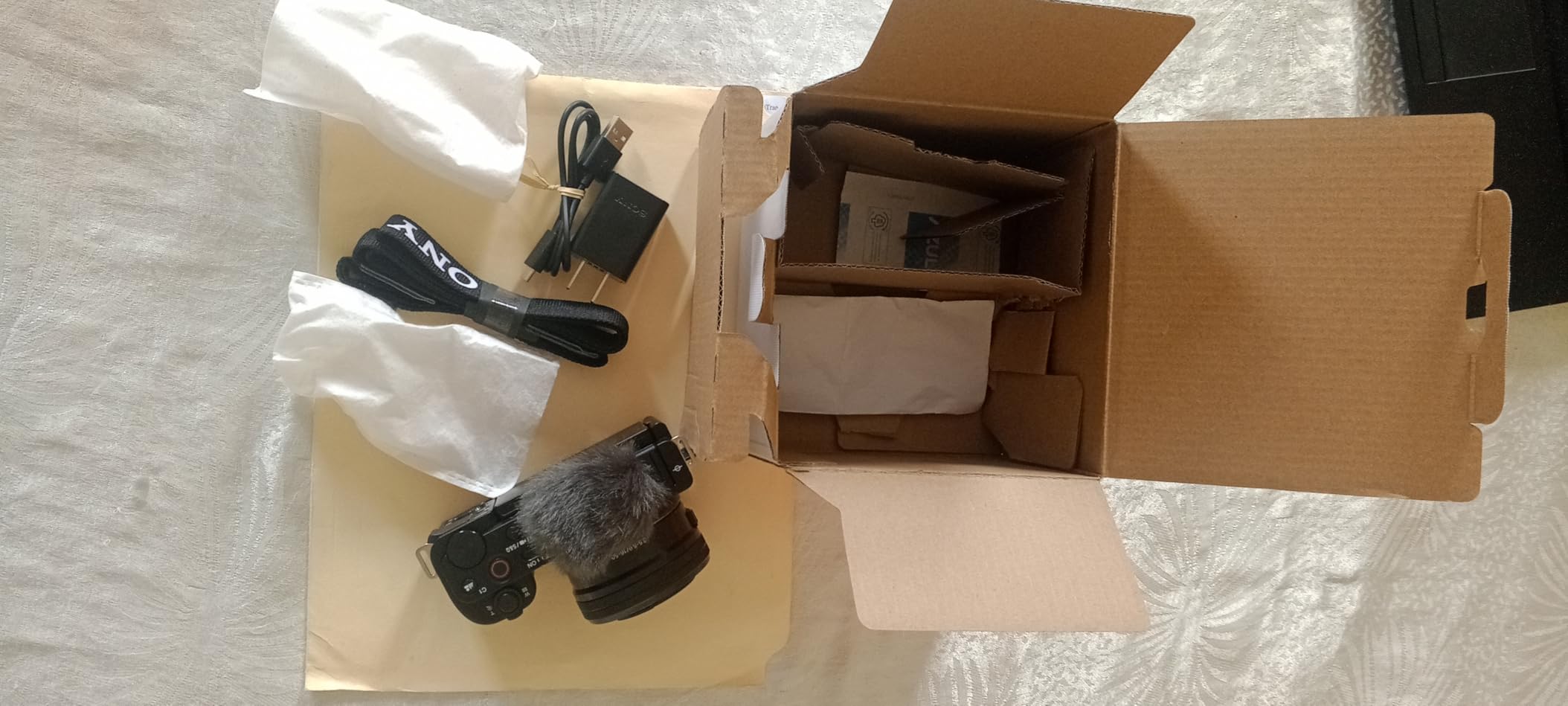
Two buttons do the work that usually means digging in menus. Product Showcase shifts focus from a face to an object held in frame, and the Background Defocus button toggles a simulated shallow depth of field on and off. For a creator, that is the difference between a usable clip and a re-shoot.
Streaming is genuinely plug and play: clean HDMI output and live streaming over a single USB cable with no capture card and no extra software. Memory is a single UHS-I SD slot, and ISO extends from 50 to 32000.
Colour from the Exmor sensor is the other thing creators mention repeatedly. Few reviewers complain about the look of the files, which is unusual for a body at this level where so much is stripped back to hit the price.

Who the Sony ZV-E10 suits
If more than half your output is video, this is the camera to buy and the reason is simple arithmetic. A stills-first body at this budget spends its money on a viewfinder and buffer, and you would not use either.
It also works as a webcam with a single USB cable, which makes it a one-device answer for meetings and streaming. The 16-50mm power zoom is small enough to leave mounted in a small bag for vlogging on location.
Where the Sony ZV-E10 falls short
Stabilisation is digital rather than optical or in-body, so handheld 4K walking shots stay visibly shakier than they would on a stabilised Micro Four Thirds body. There is no headphone jack, which limits monitoring for anyone recording dialogue seriously.
For stills photographers there is no electronic viewfinder at all, and the small grip is uncomfortable for larger hands over long sessions. The kit lens is modest, so low light and shallow depth of field both need a faster lens.
4. Sony Alpha a6400 16-50mm – The Street and Travel Workhorse
Sony Alpha a6400 Mirrorless Camera: Compact APS-C Interchangeable Lens Digital Camera with Real-Time Eye Auto Focus, 4K Video, Flip Screen & 16-50mm Lens – E Mount Compatible – ILCE-6400L/B, Black
25MP effective APS-C resolution
1.07x magnification EVF
Real-time eye AF and tracking
425 phase-detect points
Pros
- Real-time eye AF widely praised for kids and pets
- Light enough to carry daily without fatigue
- 4K video plus 11 fps burst
- 180-degree flip touchscreen for vlogging
- Deep third-party lens ecosystem at fair prices
Cons
- No in-body image stabilisation
- Limited first-party APS-C lens lineup
- Menus and the transfer app are awkward
- Movie record button sits awkwardly near the grip
- Kit lens underperforms indoors
The a6400 is the camera forum buyers name most often for street and travel work, and the reason is the viewfinder. At 1.07x magnification with a fast refresh, it stays legible in direct sun, which is exactly the situation that makes screen-only bodies frustrating outdoors.
Real-time eye autofocus is the feature owners single out most. It detects humans and animals continuously and holds them through movement, and on this body that tracking has aged extremely well. The 425 phase-detect points covering 84% of the frame back it up with contrast-detect for final confirmation.
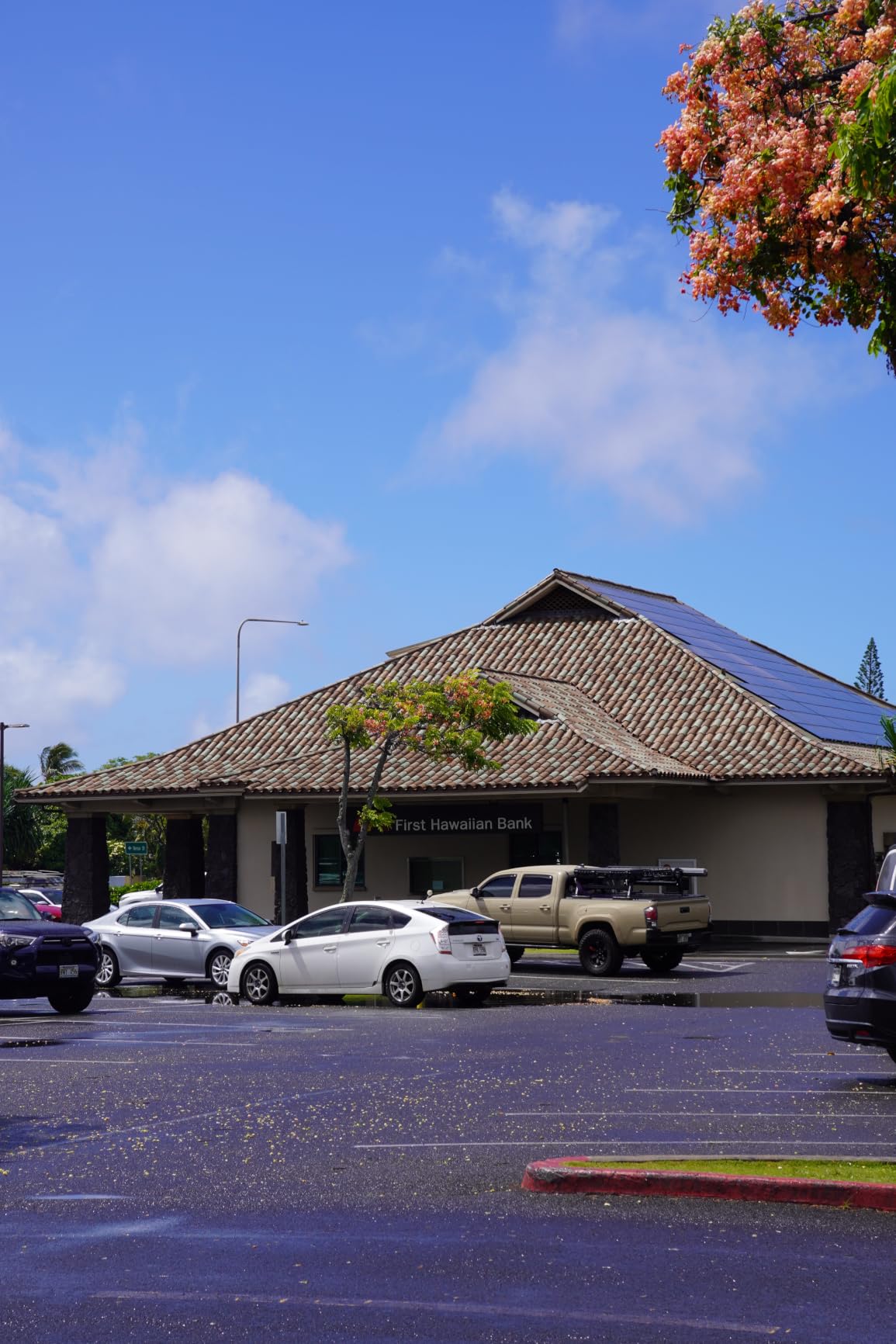
Image quality still impresses several years after launch. The sensor delivers 25 megapixels of effective resolution, ISO runs 100-32000, and RAW files hold detail and latitude well past what most editing workflows need at this budget.
The 180-degree tilting touchscreen handles vlogging and selfies, and 4K recording with time lapse and slow motion movie functions covers the basics of hybrid shooting. Continuous shooting runs at 11 fps with AF/AE tracking, which is fast enough for pets and school sport.
Weight is 10.3 ounces, and Sony’s custom button layout means the controls you use stay where you put them. The single UHS-I SD slot is the one specification that has dated badly next to UHS-II bodies elsewhere in this list.
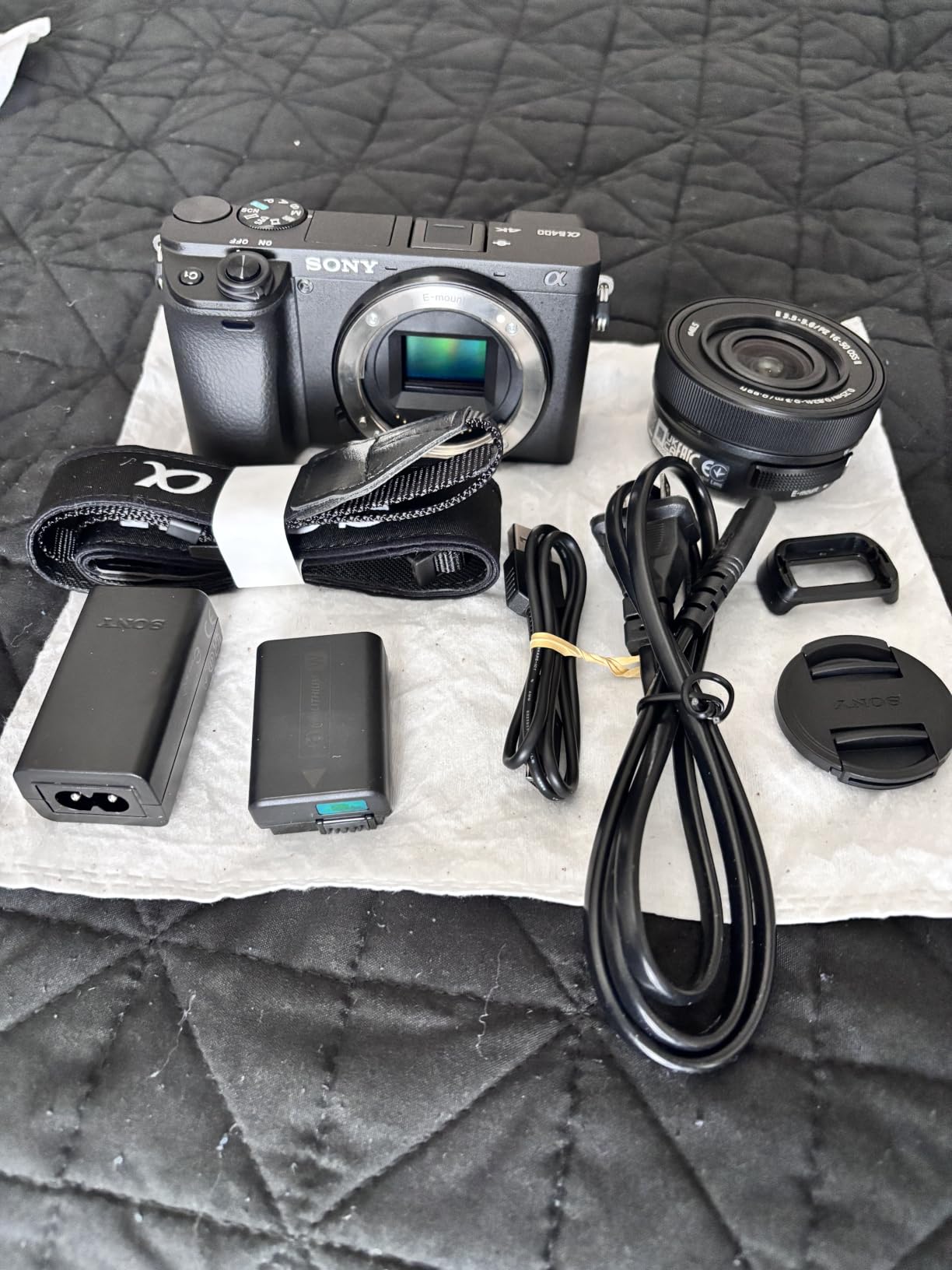
Who the Sony a6400 suits
Buy this for stills with movement in them. Parents shooting children, pet owners, and anyone photographing people outdoors in bright light all benefit from the same combination: fast, sticky eye tracking and a viewfinder you can trust.
It is also the strongest lens system at this budget. The Sony E mount attracts third-party constant-aperture zooms and primes that cost less than first-party glass, and one forum regular described a Sigma 30mm f/1.4 as the lens that lives on the camera most of the time.
Where the Sony a6400 falls short
There is no in-body image stabilisation, so steadiness depends entirely on the mounted lens. The native APS-C first-party lens lineup is thin, and while third-party glass fills the gap, the second lens is still money you need to plan for.
Sony’s menu system and transfer app draw consistent criticism for being slow or unreliable. The movie record button placement is awkward with larger hands, and the bundled 16-50mm is underwhelming for indoor and low-light work.
5. Panasonic Lumix G85 12-60mm – Stabilisation You Can Feel
Panasonic LUMIX G85 4K Digital Camera, 12-60mm Power O.I.S. Lens, 16 Megapixel Mirrorless Camera, 5 Axis in-Body Dual Image Stabilization, 3-Inch Tilt and Touch LCD, DMC-G85MK (Black)
16MP Micro Four Thirds sensor
Dual 5-axis in-body IS
Weather-sealed body and lens
4K UHD with 30 fps 4K Photo
Pros
- Dual stabilisation works in body and with the bundled lens
- Weather-sealed body and 12-60mm lens
- Swivel touchscreen for vlogging
- Full manual video tools with peaking zebras and mic jack
- Kit lens covers a 24-120mm equivalent range
Cons
- 16MP sensor is lower resolution than APS-C rivals
- Noticeable noise above roughly ISO 6400
- Autofocus trails the newest Sony Canon and Nikon bodies
- Heavier than lighter Micro Four Thirds bodies
- No headphone jack for audio monitoring
The G85 is the stabilisation answer. Five-axis in-body image stabilisation combines with the optical stabilisation in the bundled 12-60mm, and Panasonic’s Dual I.S. 2 system coordinates the two so the combined correction holds in stills and in 4K video alike.
In practice it means handheld walking shots at the wide end of that zoom look like they were made with a gimbal. For anyone filming without a tripod, that removes the single most common amateur video problem before you press record.

The 16MP Micro Four Thirds sensor has no low-pass filter, which is unusual and gives slightly finer detail than the resolution alone suggests. The lens covers a 24-120mm equivalent, which is a genuinely useful range for a kit zoom and wider than most bundled APS-C kits.
Both body and lens are weather sealed, which matters more than the specification sounds. A forum user travelling to Kyoto specifically valued having a sealed kit in drizzle, and that is a real constraint in a tier where most bodies are not sealed at all.
Video control is class-leading at this price: 4K UHD capture, manual focus peaking, zebras, a microphone jack and a hot shoe, plus 4K Photo recording at up to 30 fps and 4K Post Focus that sets focus after the shot. Forty-eight creative scene modes and photo styles including Cine-D give the files a look straight out of camera.

Who the Lumix G85 suits
Video-first shooters who cannot stand shakiness. The G85 is the only body here with meaningful in-body stabilisation working across the frame, and the manual video tools make it usable for actual production work rather than just clips.
Travel shooters in mixed weather also suit it well, because the sealed body and sealed kit lens mean you can keep shooting when the forecast turns. The 24-120mm equivalent range removes the need for a second lens on most trips.
Where the Lumix G85 falls short
Sixteen megapixels is below the modern standard, and the Micro Four Thirds sensor shows visible noise above roughly ISO 6400. If low light is a priority, an APS-C body with a fast lens will get you further.
Autofocus is competent rather than class-leading, and it does not match the newest Sony, Canon and Nikon systems for tracking fast subjects. The body is also heavier than lighter Micro Four Thirds predecessors, and there is no headphone jack for monitoring audio.
6. Canon EOS RP Body Only – Full Frame on a Starter Budget
Canon EOS RP Full Frame Mirrorless Vlogging Portable Digital Camera with 26.2MP, CMOS Sensor, Wi-Fi, Bluetooth, 4K Video Recording and 3.0″ Vari-Angle Touch LCD Screen, Body, Black
26.2MP full-frame CMOS sensor
0.70x magnification EVF,1.04m dot
4K UHD video
EF and EF-S via optional adapter
Pros
- Full-frame image quality in a very small body
- 26.2MP sensor with strong dynamic range and usable high ISO
- Reliable Dual Pixel CMOS AF for stills and video
- RF mount accepts EF and EF-S lenses with an adapter
- Vari-angle touchscreen with webcam capability
Cons
- Body only
- so a lens must be bought separately
- No in-body image stabilisation
- 5 fps burst is slow for action
- 4K video is cropped and some wide lenses lose full-frame view
- Dated menu handling compared with newer Canon bodies
The RP is the only way to get a full-frame sensor in this list, and that is a real advantage for image quality. A 26.2MP full-frame CMOS sensor produces files with strong dynamic range and usable high ISO, and the shallow depth of field a full-frame lens produces is simply not reachable on APS-C.
It is also the smallest and lightest full-frame EOS body Canon has made, so the size argument that usually rules out full frame does not apply here. The 0.70x magnification electronic viewfinder with 1.04 million dots is a genuine viewfinder, which puts it ahead of several screen-only bodies in this guide for outdoor shooting.

Autofocus is Dual Pixel CMOS AF, the same system family Canon’s newer bodies use, and on this body it is dependable for both stills and video. The DIGIC 8 processor handles the files, with JPEG and RAW output on a single UHS-II SD slot.
The vari-angle 3-inch touchscreen opens for low angles and self-portraits, and EOS Utility Webcam Beta turns the camera into a high-quality webcam over USB or clean HDMI. Remote control and transfer work through the Canon Camera Connect app over Wi-Fi and Bluetooth.
For anyone who already owns Canon EF or EF-S glass, the RF mount takes those lenses through an inexpensive adapter. That is the cheapest realistic route into full-frame for DSLR owners, and it is a genuine cost saving across the lens ecosystem.

Who the Canon EOS RP suits
Portrait and low-light shooters. Full frame is where the light-gathering advantage shows, and this body plus a fast RF or adapted EF lens will handle indoor and evening work that APS-C at this price struggles with.
It also suits existing DSLR owners. If you have a shelf of Canon glass, this is the least expensive way to use it, and the small body is an easy carry on top of that. Anyone prioritising clean files over burst rate should enjoy the 26.2MP sensor.
Where the Canon EOS RP falls short
It is a body-only purchase. A lens must be bought separately, and because this competes for the same budget as a complete kit, the total spend to get shooting is higher than it looks on the listing.
There is no in-body stabilisation, the 5 fps burst is slow for action, and 4K video is cropped with some wide lenses unable to capture full frame. The body design also shows its age next to newer Canon models, particularly in menu handling.
7. OM System E-M10 Mark IV – Small, Stabilised and Distinctive
OM SYSTEM Olympus E-M10 Mark IV Silver Micro Four Thirds System Camera M.Zuiko Digital ED 14-42mm F3.5-5.6 EZ kit 20MP Sensor 5-Axis Image Stabilization 4K Video Wi-Fi
20MP Live MOS Micro Four Thirds
5-axis IBIS rated to 4.5 stops
1.23x magnification EVF,2360k dot
16 art filters including Instant Film
Pros
- Compact retro-styled body that is easy to carry
- In-body stabilisation compensates up to 4.5 shutter speeds
- High-resolution EVF for a Micro Four Thirds body
- Flip-down screen with an automatic selfie mode
- Art filters give a distinctive look straight from camera
- Wide Micro Four Thirds lens selection keeps glass affordable
Cons
- 20MP files are smaller than 24MP rivals
- Contrast-detection AF is slower on fast subjects
- Noisier in low light than APS-C and full frame
- 14-42mm kit lens is slow at f/3.5-5.6
The E-M10 Mark IV is the camera for someone who wants their photographs to look like something rather than like a spreadsheet. Sixteen art filters sit in the menu, including an Instant Film look, and they apply to both stills and video.
It is also one of the few bodies here with real in-body stabilisation. The five-axis system is rated at up to 4.5 shutter speed steps of compensation, which means you can handhold at shutter speeds you would normally consider impossible on a Micro Four Thirds sensor.

The 2360k-dot electronic viewfinder at 1.23x magnification is unusually large and high-resolution for this sensor size, and in a body that weighs little it makes outdoor framing comfortable. The 1/16000 second maximum shutter is fast enough to freeze moving water in bright light.
Autofocus uses 121 contrast-detect points, which is the trade-off buyers mention most often. The flip-down monitor has a dedicated selfie mode that activates when you flip it, so self-portraits and vlogs do not need a separate setting. Video records 4K DCI 2160p.
Micro Four Thirds glass remains the most budget-friendly ecosystem in the business. A genuinely fast prime costs a fraction of what an equivalent APS-C lens does, and that gap is the strongest argument for this system at this price.

Who the E-M10 Mark IV suits
Travellers who want stabilisation in a genuinely small body. At 1.1 pounds with the kit lens, it disappears into a day bag in a way that full-frame and larger APS-C bodies do not, and the film-style looks mean less editing later.
It is also a good match for anyone who wants to spend their budget on glass rather than the body. Because fast Micro Four Thirds primes are inexpensive, you can pair this with a bright lens for a fraction of the APS-C equivalent cost.
Where the E-M10 Mark IV falls short
Twenty megapixels is below the modern standard, and you notice it when cropping heavily for a large print. Micro Four Thirds is also the noisiest sensor format here in dim conditions, which is a direct consequence of the smaller sensor.
Contrast-detection autofocus is slower and less certain on fast subjects than phase-detect systems, and that is the most common complaint from owners. The bundled 14-42mm f/3.5-5.6 kit lens is slow and limited for low light or portraits.
8. Canon EOS M50 Renewed with 15-45mm – The Cheapest Complete Kit Here
Canon EOS M50 Mirrorless Camera Kit w/EF-M15-45mm and 4K Video (Black) (Renewed)
24.1MP APS-C CMOS sensor
OLED electronic viewfinder,0.39x
4K UHD 24p plus 1080p 120p
15-45mm f/3.5-5.6 IS STM included
Pros
- Lightweight APS-C body with a fully articulating touchscreen
- 24.1MP sensor with ISO up to 25600
- Dual Pixel CMOS AF with eye detection
- 4K UHD plus 1080p at 120 fps slow motion
- Built-in flash and compact kit lens make it self-contained
Cons
- EF-M mount is discontinued
- so future lens options are limited
- No in-body stabilisation
- Digital stabilisation crops the frame and softens footage
- Older processor and menu system feel dated
- Renewed condition means wear and a shorter warranty
The renewed M50 is the cheapest complete kit in this guide, and the arithmetic is hard to argue with. You get a 24.1MP APS-C sensor, a built-in electronic viewfinder, a fully articulating touchscreen and a stabilised kit lens, for well under what any current-generation kit costs.
Autofocus is Dual Pixel CMOS AF with eye detection, which on this body reliably holds faces in portraits and family shots. ISO runs 100-25600 and expands to 51200, and 4K UHD at 24p plus Full HD up to 120 fps for slow motion cover the video basics.

Two features no other body in this list combines at this cost: a built-in flash and a screen that swings fully out to the side. For indoor family photographs and for anyone shooting themselves, both matter more than megapixels.
The 15-45mm f/3.5-5.6 IS STM is a compact kit zoom covering a 24-72mm equivalent range, and image stabilisation in the lens keeps handheld stills sharper than an unstabilised kit would. Connectivity covers a 3.5mm microphone jack, micro HDMI, USB, Wi-Fi and Bluetooth.
Buy this understanding what renewed means. Amazon Renewed units come with a 90 day limited warranty instead of the standard manufacturer coverage, and you should expect some sign of use on a body this age.

Who the renewed M50 suits
First-time buyers on the tightest possible budget who still want a viewfinder and a flip screen. Nothing else in this list combines all three of an EVF, an articulating touchscreen and a stabilised lens at this level of spend.
It is also a strong family camera because of the built-in flash. Indoor parties, birthdays and school events are exactly where most entry-level bodies need a light source they do not have.
Where the renewed M50 falls short
The EF-M mount is discontinued. That is the decisive drawback: new EF-M glass is no longer produced, so your future lens options are limited to used, adapted or older stock, and many of the best value lenses in the system are no longer made.
There is no in-body stabilisation, and the digital stabilisation crops the frame and softens handheld footage. The processor generation and menu system feel dated beside current rivals, and the shorter renewed warranty is worth factoring in.
9. Nikon Z 30 16-50mm – The Smallest Nikon Z Body
Nikon Z 30 with Wide-Angle Zoom Lens | Our most compact, lightweight mirrorless stills/video camera with 16-50mm zoom lens | Nikon USA Model
20.9MP APS-C CMOS sensor
209-point hybrid autofocus
4K UHD 30p and Full HD 60p
USB-C webcam operation including 4K over HDMI
Pros
- Very small and light
- the lightest body in the Z range
- Fast hybrid autofocus with eye detection for people and pets
- Sharp 4K 30p video steadied by the VR lens
- Flip-out screen doubles as the framing display with exposure preview
- Charges over USB-C with no separate charger
Cons
- No electronic viewfinder
- so framing in sun is harder
- No in-body stabilisation
- Overheats during extended 4K 30 fps recording
- 20.9MP leaves less room for heavy cropping
- Steep learning curve for new users
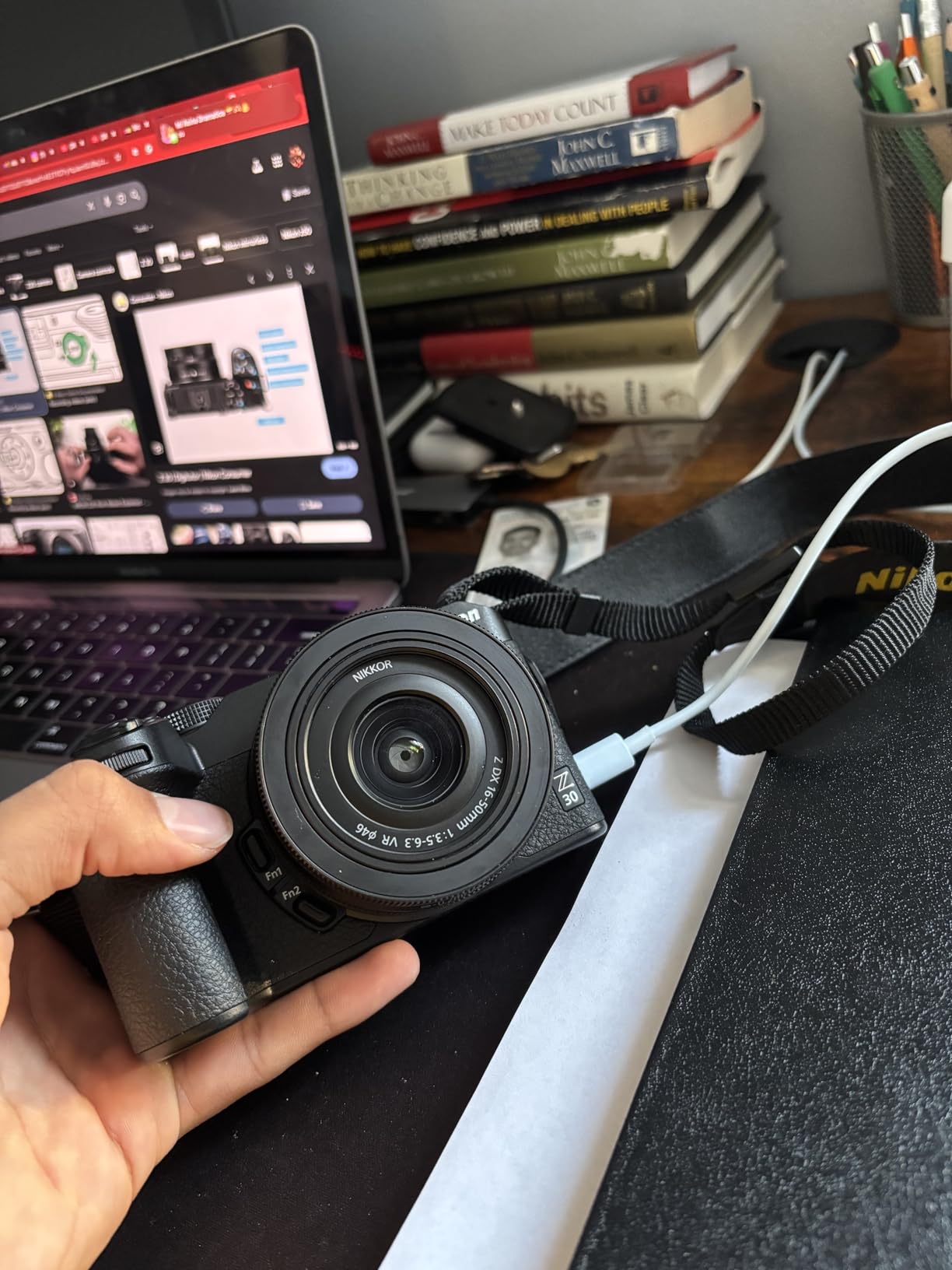
The Z 30 is Nikon’s smallest mirrorless body and the cheapest way into the Z mount, and at 12.32 ounces with the 16-50mm it is one of the few bodies here you can genuinely carry all day without noticing.
Autofocus is the 209-point hybrid system with contrast and phase detection, and owners coming from Nikon DSLRs rate its low-light performance and responsiveness highly. Eye detection covers people and pets, which handles the majority of family and pet shooting without intervention.
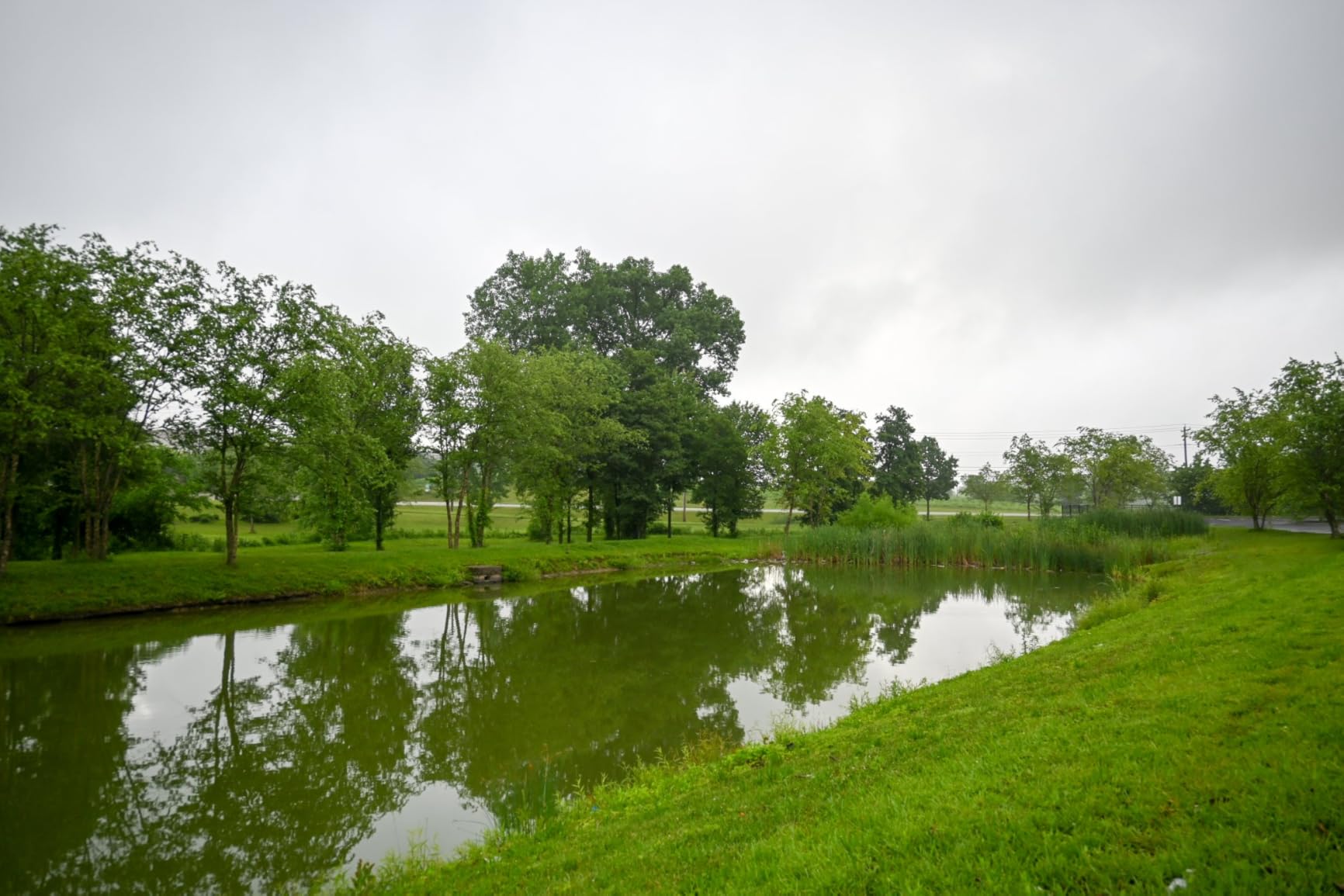
The flip-out touchscreen doubles as the viewfinder, with exposure preview on screen so you can judge brightness while framing. That is a real advantage for a body with no electronic viewfinder, though it cannot compete with a proper EVF in direct sun.
Video is 4K UHD 30p plus Full HD 60p streaming, and the NIKKOR Z DX 16-50mm f/3.5-6.3 VR lens steadies the frame. The built-in stereo microphone has adjustable sensitivity and a red recording light, which is a small touch that matters when you are filming alone.
It works as a webcam over USB-C with Full HD 60p and 4K 30p over HDMI, and it charges over USB-C with no separate charger required. Files go to a single UHS-I SD slot in JPEG, NEF RAW and MOV formats.
Who the Nikon Z 30 suits
Existing Nikon owners making a sideways move. The body accepts the full NIKKOR Z lens lineup, so if you later add a normal or wide prime it is the same system. Photography and video in a body light enough to be your only camera.
It also suits creators who film indoors at a desk, where the absence of a viewfinder costs nothing and the unlimited recording time outlasts larger Nikon bodies. The vari-angle screen makes solo framing straightforward.
Where the Nikon Z 30 falls short
There is no built-in electronic viewfinder. That is the single biggest limitation, and forum buyers who shoot outdoors in bright sun describe framing on a screen as genuinely frustrating rather than a minor inconvenience.
There is no in-body stabilisation either, and the body overheats during extended 4K 30 fps recording, cutting some takes. Twenty megapixels leaves less room for heavy cropping, and the number of buttons and dials gives new users a steeper learning curve than the simpler bodies here.
10. Nikon Z 50 16-50mm – Viewfinder Comfort and a Proper Grip
Nikon Z 50 with Wide-Angle Zoom Lens | Compact mirrorless Stills/Video Camera with 16-50mm Lens | Nikon USA Model
20.9MP DX-format CMOS sensor
2,360k dot EVF at 1.02x
209-point hybrid autofocus
Flip-down selfie touch LCD
Pros
- Compact body that fits a coat pocket
- Sharp colour-accurate files with good high-ISO handling
- 209-point hybrid autofocus with tracking
- Viewfinder with minimal lag for the price
- Flip-down screen with a dedicated selfie mode
- FTZ adapter support opens the F-mount catalogue
Cons
- No built-in flash
- No in-body stabilisation
- 20.9MP is below modern APS-C standards
- Micro USB rather than USB-C
- Single UHS-I slot and modest battery capacity
The Z 50 is the one Nikon here with a viewfinder, and for a stills buyer that settles the argument. The 2360k dot electronic viewfinder at 1.02x magnification is larger than the Sony a6100 equivalent and many owners find it the most comfortable viewfinder at this level.
It is also the first DX-format mirrorless body built on the wide 55mm Z mount, which means it takes the full NIKKOR Z lens range including full-frame glass. If you later want a fast normal prime, the same body takes it.
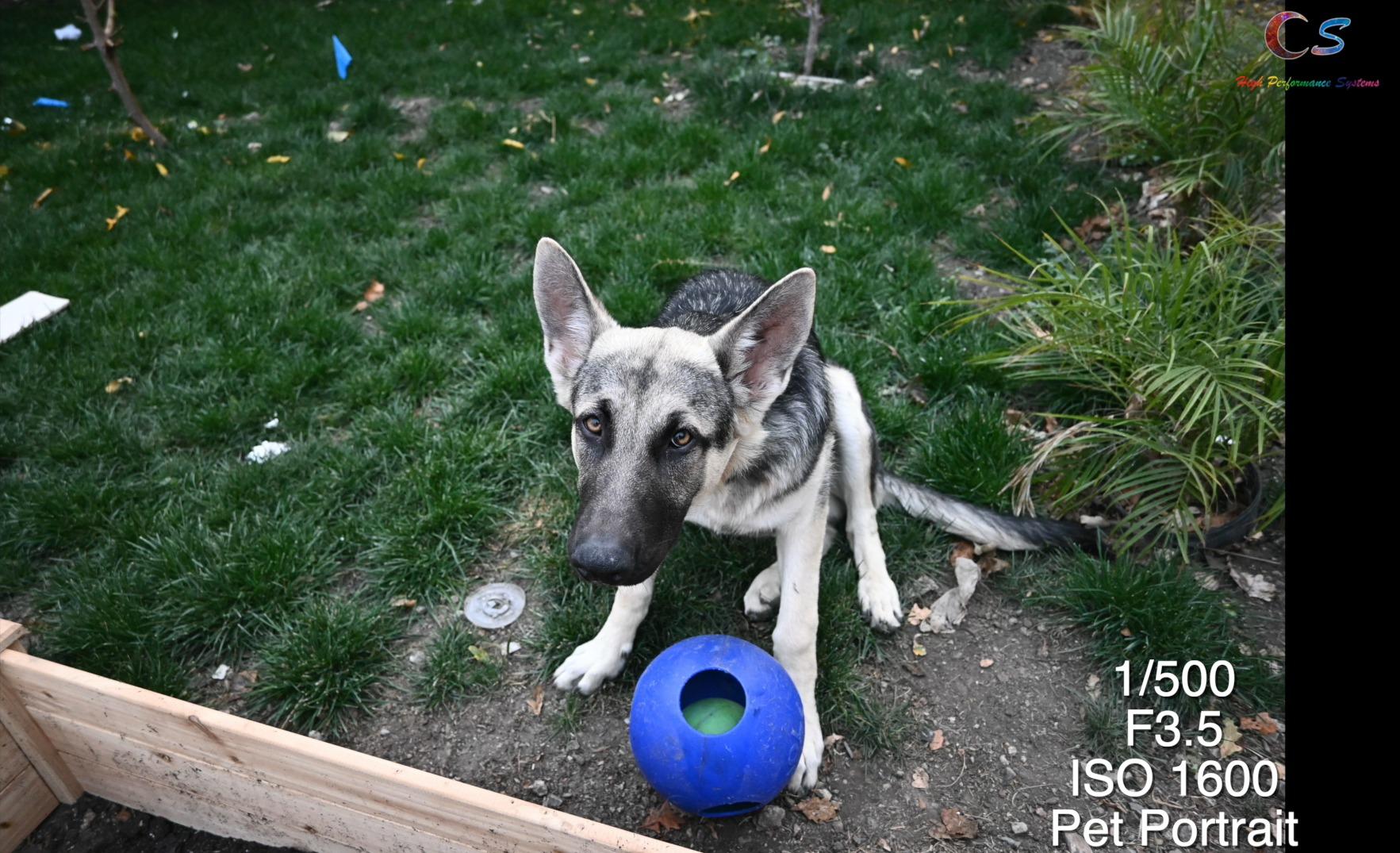
Image quality is clean and colour-accurate from the 20.9MP DX sensor, with usable results up to around ISO 8000 that owners consistently confirm. The 209-point hybrid autofocus covers most of the frame and tracks subjects without much fuss.
Controls are the other argument. Dual command dials, a clear mode dial and a front record button make the camera feel like a camera rather than a phone with a lens, and a flip-down touch LCD with a dedicated vlog-friendly selfie mode handles self-portraits.
Connectivity covers Bluetooth, Wi-Fi, 3.5mm audio and micro USB. Nikon F-mount lenses work through the FTZ adapter, which is the path for anyone carrying glass over from an older DSLR.

Who the Nikon Z 50 suits
Stills photographers who want a proper grip and a proper viewfinder at a sensible size. It sits in a coat pocket, so travel is realistic, and the viewfinder means bright outdoor shooting works as it should.
Nikon owners benefit most, since the body takes NIKKOR Z glass and F-mount lenses through the FTZ adapter. Anyone upgrading from a Nikon DSLR gets familiar handling and a menu layout they already know.
Where the Nikon Z 50 falls short
There is no built-in flash, so indoor shooting needs an external light. That is a bigger limitation than it sounds if you plan to photograph children or events, and it separates this body from the Canon kits in this list.
There is no in-body stabilisation, and 20.9 megapixels is below the modern APS-C standard, leaving less room for aggressive cropping. It also uses micro USB rather than USB-C, with a single UHS-I slot and a modest battery for long days.
11. Sony Alpha a6100 – The Fastest Autofocus Acquisition Here
Sony Alpha A6100 Mirrorless Camera, Black
24.2MP APS-C Exmor sensor
0.02 second autofocus acquisition
425 phase-detect and 425 contrast-detect points
ISO up to 51200
Pros
- Near-instant autofocus with real-time eye and object tracking
- 24.2MP sensor with ISO up to 51200 for low-light capability
- Compact and light enough to travel with
- 11 fps burst with AF and AE tracking
- 180-degree tiltable touchscreen for vlogging
Cons
- No in-body image stabilisation
- Limited first-party APS-C lens lineup
- Small grip and compact controls for larger hands
- Dated Wi-Fi and app support
- Shallower burst buffer than higher-end bodies
Autofocus acquisition in 0.02 seconds is the headline number, and in use it feels like the camera is already focused before you have finished composing. Real-time AF with object tracking holds a subject through a short burst, and eye detection covers humans and animals.
The 24.2MP Exmor sensor with ISO up to 51200 is the other strength. That headroom makes indoor and evening work more viable than the resolution alone would suggest, and owners rate image quality consistently highly for the class.

425 phase-detect and 425 contrast-detect points cover 84% of the sensor, and continuous shooting runs at 11 fps with AF/AE tracking at full 24.2MP RAW. That combination suits kids, pets and casual sport better than almost anything else at this level.
The 180-degree tiltable 3-inch touchscreen handles vlogging and selfies, and 4K UHD recording covers the video side. Touch tracking on the rear screen lets you tap a subject and have the camera follow it, which is a small thing that makes long shooting days less fiddly.
In the box you get the NP-FW50 battery, a charger, USB cable, body cap and strap. Video out is a single UHS-I SD slot, which is the specification that has aged most noticeably compared with newer bodies.

Who the Sony a6100 suits
Anyone whose subjects move. Pets, children, sport and street work all benefit from the same instant acquisition and sticky tracking, and the rating its owners give it reflects how rarely they complain about focus.
The compact body also travels well, and the 921,600 dot electronic viewfinder at 0.70x magnification is enough to frame in daylight. Combined with the deep third-party lens ecosystem, it is a comfortable long-term kit.
Where the Sony a6100 falls short
There is no in-body image stabilisation, so handheld video steadiness comes entirely from the lens. The first-party APS-C lens lineup is thin, which means you are relying on third-party glass for most of the interesting focal lengths.
The body and controls are compact in a way larger hands notice, and the grip is small. Wi-Fi and app support are dated next to newer camera systems, and the buffer is shallower than higher-end bodies during extended bursts.
12. Canon EOS R100 Bundle – The Ready-to-Shoot Starter
Canon EOS R100 Mirrorless Camera with RF-S 18-45mm Lens Bundle
24.1MP APS-C CMOS with DIGIC 8
2.36 million-dot OLED EVF
4K 24p cropped and Full HD 60p
RF-S 18-45mm f/4.5-6.3 IS STM included
Pros
- Lowest cost in the guide with lens
- card and bag included
- 24MP APS-C sensor with vibrant detailed images
- Dual Pixel CMOS AF tracks faces and subjects reliably
- Included lens has optical stabilisation
- Simple menus and auto scene modes for first-time users
- 2.36 million-dot OLED viewfinder on a budget body
Cons
- Fixed non-tilting screen limits vlogging and selfies
- No built-in flash for indoor shooting
- 4K 24p is heavily cropped and burst is modest at 6.5 fps
- Fixed LCD and small grip for self-shooting
- Kit zoom is slow at f/4.5-6.3
The R100 bundle is the lowest total spend in this guide, and the reason is the box contents. The body comes with the RF-S 18-45mm lens, a 64GB memory card and a camera bag, so you can start shooting without a second purchase.
Underneath the accessories it is a competent camera. The 24.1MP APS-C sensor with the DIGIC 8 processor produces vibrant, detailed images, and Dual Pixel CMOS AF across 143 AF zones tracks faces and subjects reliably for both stills and video.
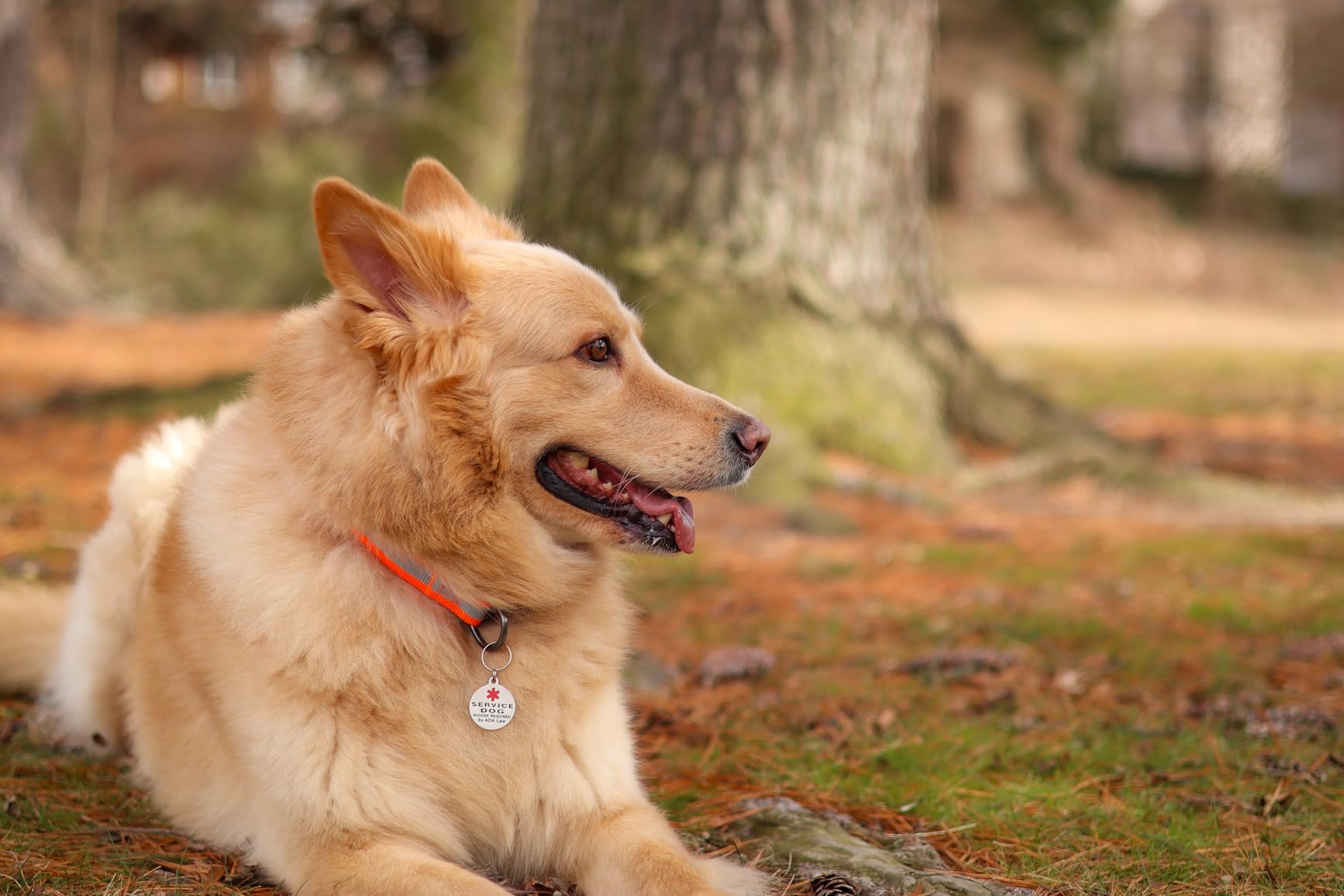
The 2.36 million-dot OLED electronic viewfinder is the same class of finder as the R50, which is genuinely useful at this level. ISO extends to an equivalent 25600, and the simple menus with automatic scene modes remove the learning curve entirely.
The bundled 18-45mm f/4.5-6.3 IS STM has optical stabilisation, which steadies handheld stills more than most kits at this price. Autofocus is phase-detection Dual Pixel CMOS AF, and connectivity is straightforward Wi-Fi and Bluetooth.
Video is 4K 24p with a crop, plus Full HD 60p, and continuous shooting runs at 6.5 fps on the electronic shutter. The card and bag in the bundle are the reason this appears where it does; neither is a permanent part of the specification.
Who the R100 bundle suits
Someone who wants to photograph this weekend without thinking about accessories. Body, lens, card and bag in one box removes the three small purchases that usually delay a first camera by a week.
It is also a good present for a beginner because the auto scene modes and simple menus do the work while they learn. Owners rate the controls as approachable and the autofocus as dependable, which is what matters at this stage.
Where the R100 bundle falls short
The 3-inch LCD is fixed and does not tilt, so vlogging and selfies are out. There is also no built-in flash, which means indoor shooting needs an additional light you have to buy separately.
4K 24p recording is heavily cropped, which limits how much of the scene you capture in video, and the 6.5 fps burst is modest. The RF-S 18-45mm is a slow zoom, so low light and portraits stay limited until you add a faster lens.
How to Choose a Mirrorless Camera at This Budget
Sensor size sets the ceiling on everything else, so start there. Full-frame gives you the light-gathering and shallow depth of field, APS-C balances image quality against body size, and Micro Four Thirds wins on stabilisation and lens cost while losing on resolution and high-ISO noise. At this budget you are choosing between the last two for almost every body, with the Canon EOS RP as the one full-frame exception.
Autofocus decides whether a camera is enjoyable after the first month. Every body here uses phase detection except the OM System E-M10 Mark IV, and the gap between the fastest acquisition and the slowest is noticeable when you are chasing a child or a dog. Subject detection for people, animals and vehicles is now standard on the newest bodies and is worth paying for.
Do I need a viewfinder?
Yes, if you shoot outdoors in daylight, and that is the single most repeated complaint in buyer discussions. Composing a wide shot on a screen in direct sun is genuinely difficult, and forum users describe it as maddening. Six of the twelve bodies here include an electronic viewfinder; the ZV-E10 and Z 30 do not, and that is the main reason to skip them for stills.
A viewfinder also stabilises the camera against your own movement, which makes slower shutter speeds and longer focal lengths more practical. If your photography involves anything beyond a lit desktop, treat an EVF as a requirement rather than a nice-to-have.
What does a second lens cost?
This is where budgets quietly break, because the kit lens is rarely the lens you will use most. The Sony E mount has the deepest third-party catalogue, with fast constant-aperture zooms and primes that undercut first-party glass, and a manual-focus pancake lens is the cheapest way to add a second focal length. Canon RF-S has the thinnest native crop-sensor selection, and Canon EF glass through an adapter is the practical workaround for existing DSLR owners.
Micro Four Thirds is the cheapest system to add glass to, which is the real argument for bodies like the Lumix G85 and the E-M10 Mark IV beyond stabilisation. Before you buy, decide which mount you can afford to grow with, because the lens mount is a long-term commitment in a way the body is not.
What else do you need to budget for?
A fast memory card, a spare battery and eventually one prime. Bodies in this class use the battery quickly when the screen is running, and spare batteries are treated as essential rather than optional by people who travel with these cameras. A UHS-I SDXC card is the minimum for burst shooting and 4K video. Budget for all three before the camera, not after.
Two more things nobody mentions: buy a card that is genuinely fast, because a slow card ruins the shooting experience more than a slow autofocus, and check whether your kit lens is worth keeping. Entry kit zooms are often fine for daylight and weak indoors, so the first upgrade is usually a fast normal prime rather than a second zoom.
Is a mirrorless camera better than a DSLR at this price?
At this budget, yes, for almost every new buyer. You get on-sensor phase detection, subject recognition for people and animals, and video quality that DSLRs at this price cannot match, in a body that is smaller and lighter. The two genuine reasons to choose a DSLR instead are an optical viewfinder that never runs out of power and a flash socket on every body.
What you give up is worth stating plainly: battery life on some models, the built-in flash that several of these bodies omit, a deep optical viewfinder, and occasionally the sense that a cheaper body will do the same job. If you already own DSLR lenses, check the adapter path for your brand before deciding.
New, Refurbished or Used: Where Your Budget Goes Furthest
The used market is the dominant strategy in buyer discussions at this budget, and the reason is arithmetic rather than sentiment. A used body with a decent electronic viewfinder costs well under a new kit, and the difference buys a fast prime that transforms the photographs. One regular recommendation in the discussions was to buy a used a6400 and spend the remainder on a cheap pancake lens, describing that pairing as close to unbeatable.
The catch is that good used bodies are no longer cheap. Prices for popular models have crept up and buyers describe them as difficult value, so the used strategy works best on mainstream bodies rather than the most sought-after ones. Check the shutter count if you can, inspect the sensor for dust, and confirm the viewfinder is clean and responsive, because a tired viewfinder is the most common wear item.
Refurbished or renewed stock sits between the two. The renewed Canon EOS M50 in this guide is the clearest example: a complete kit with a viewfinder and a fully articulating screen, at a fraction of the cost of a current kit, with a 90 day limited warranty rather than standard manufacturer coverage. That is a reasonable trade for a body whose mount has already stopped growing.
My rule is straightforward. Buy new if the budget comfortably covers a complete kit and you want a warranty and a current mount. Buy used if you already know the lens you want and the body is a means to that end. Buy renewed when the saving is large enough that you can replace the battery, which you will need to do anyway.
Frequently Asked Questions
What is the best mirrorless camera under $1000?
The Canon EOS R50 with the 18-45mm lens is the best all-round choice at this budget. It has a 24.2MP APS-C sensor, a 2.36 million-dot electronic viewfinder, uncropped 4K video and subject detection for people, animals and vehicles, and the kit version includes a stabilised zoom.
What is the best mirrorless camera for the money?
The Sony Alpha a6400 with the 16-50mm lens is regularly named the best value option. Real-time eye autofocus, a 1.07x viewfinder that works in bright sun and the deepest third-party lens ecosystem at this price mean the money you spend after buying it goes further. A used example leaves room for a fast prime.
What is the best mirrorless camera for beginners?
The Canon EOS R50 is the easiest first camera to learn because it has an electronic viewfinder, a vari-angle screen and Advanced A+ Assist to choose the scene for you. If your budget is tighter, the renewed Canon EOS M50 gives you a viewfinder, a fully articulating screen and a built-in flash for less, though its lens mount is discontinued.
What is the best used mirrorless camera for under $1000?
A used Sony Alpha a6400 or a6400-series body is the most common recommendation, because the viewfinder and real-time eye autofocus hold their value. Check the shutter count, look for dust on the sensor and test the viewfinder, then spend the money you saved on a fast prime lens. Popular bodies are no longer cheap, so shop carefully.
Do I need a viewfinder on a mirrorless camera?
If you shoot outdoors in daylight, yes. Composing on a screen in direct sun is difficult enough that buyers regularly describe it as frustrating, and a viewfinder also steadies the camera for slower shutter speeds. Screen-only bodies such as the Sony ZV-E10 and Nikon Z 30 are better choices for indoor vlogging than for outdoor stills.
What are the downsides of mirrorless cameras at this price?
The common complaints are battery life on models with small batteries, the absence of built-in stabilisation in many bodies, the fixed non-tilting screens on cheaper models, and a 4K crop on several of them. Some bodies also omit a built-in flash. None of these is a dealbreaker, but each changes which camera suits your shooting.
The One to Buy
If you take one recommendation from this guide, take the Canon EOS R50. It is the only body here that gives you a real viewfinder, uncropped 4K video, dependable subject detection and a compact frame at the same time, which is why it tops our ranking of the best mirrorless cameras under $1000.
Shoot video more than stills and buy the Sony ZV-E10 instead, accepting that you frame on the screen. Photograph outdoors in bright light and want the deepest lens system, choose the Sony a6400. Want full-frame and already own Canon glass, and the EOS RP is the cheapest door into that system. Handheld video matters most, and the Lumix G85 stabilises in a way nothing else here does.
Whatever you choose, budget for a fast card, a spare battery and one prime lens before you buy the body, because that is where the money that changes your photographs actually goes. Our best mirrorless cameras for beginners guide walks through the setup steps in more detail once you have picked a body.