
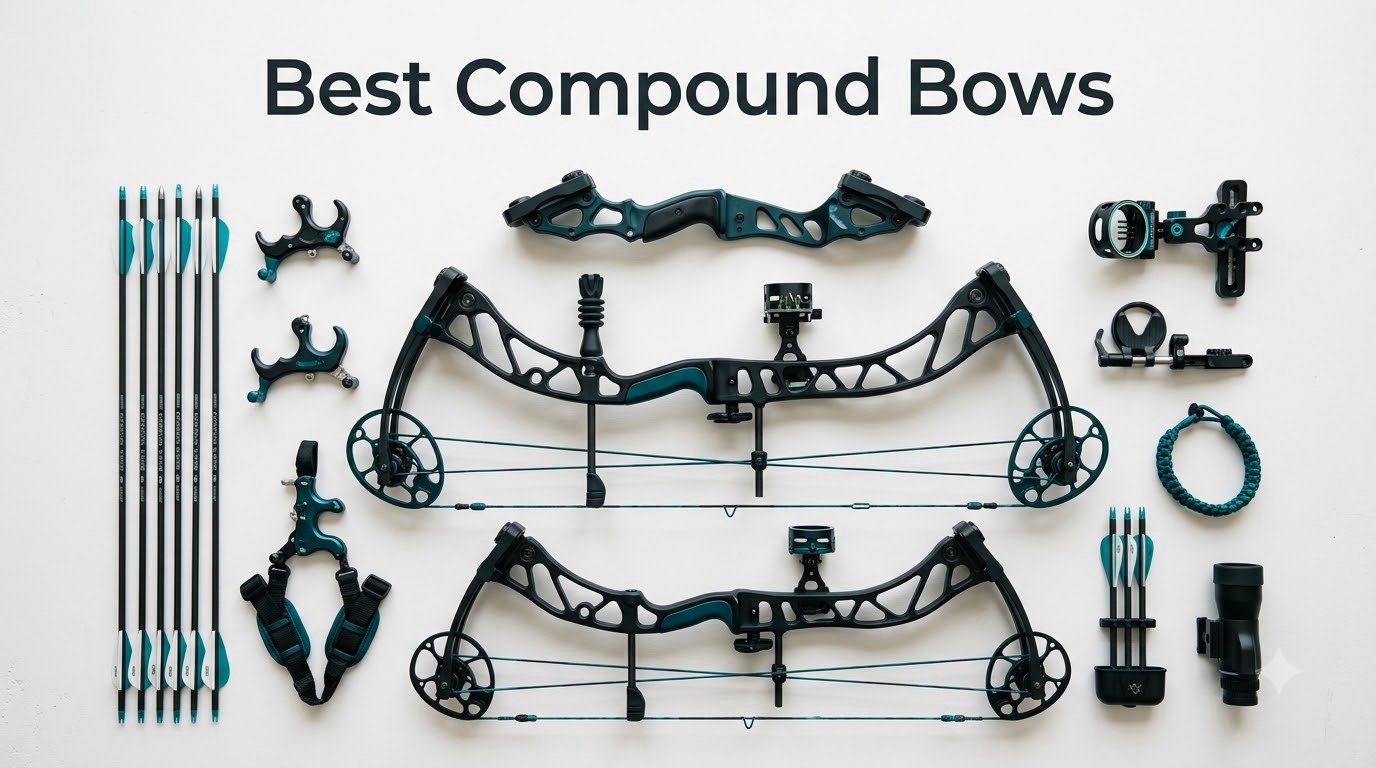
If you want one bow that covers the broadest range of shooters in this roundup, the Sanlida Dragon X8 RTH is the one to shortlist first. A compound bow stores energy in cams and cables as you pull, then releases it to push an arrow far faster and flatter than a recurve. That single design choice is why these bows dominate both target ranges and tree stands, and why the best compound bows for 2026 split into two very different groups: adjustable packages built for beginners, and higher-end bows aimed at archers who already know their draw length.
We spent weeks going through manufacturer specifications, adjustment ranges and owner review patterns for every bow below, and this is not a shoot-off. Nothing here was fired in our own range, so treat the numbers as published specs and the performance read as a summary of what owners report. What we did do was cross-check every specification against three questions that decide whether a bow fits you at all: can it reach your draw length, can it be set to a draw weight you can hold, and can you change those two settings without a bow press.
Those three questions matter more than arrow speed. A bow that is two feet per second faster but twenty pounds too heavy is the wrong bow. We have organized the list around four buyer profiles instead of around brands, because the same model serves a twelve-year-old and a backcountry elk hunter very differently.
First bow, fixed budget. You want everything in one box and you want it to grow with you. The Sanlida Dragon X8 RTH and the Bear Archery Royale RTH cover this.
Youth or smaller frame. Low draw weight, short draw length and low bow weight matter more than speed. The Genesis Original and the Bear Archery Legit RTH are built for this.
Value hunting rig. You already have a sight and a rest, or you want a bare bow you can build on. The Diamond Archery Edge 320 and the SAS Feud fit here.
One bow that does everything. Wide adjustment range, dual cam system, full speed. The Sanlida Dragon X7 and the PANDARUS L1 are the broadest all-rounders in the list.
Answer three questions before you read further: what will you shoot this bow at, how much do you want to spend in total, and what is your natural draw length and comfortable draw weight. If you cannot answer the last one, book a fit at a range or an archery shop first. Everything below is arranged so you can find your profile quickly and skip the rest.
Table of Contents
Top 3 Picks: Best Compound Bows (October 2026)
These three sit at the top because of what they combine, not because of brand reputation. The Dragon X8 pairs a 0 to 70 pound draw weight range with the most owner feedback in the group. The Royale is the lightest bow here and adjusts down to a draw length most adult bows never reach. The Limitless is the simplest complete package we found for a brand-new archer.

Sanlida Dragon X8
- 18-31 inch draw length
- 0-70 lb draw weight
- IBO 310 fps
- Full ready to hunt kit

All 10 Bows Side by Side in 2026
This table is the fast way to cut the list down. Match the draw length and draw weight columns to your own measurements first, then read the rows that survive that filter.
| Product | Specifications | Action |
|---|---|---|
| Sanlida Dragon X8 RTH |
|
Check Latest Price |
 PANDARUS L1 PANDARUS L1 |
|
Check Latest Price |
| Bear Archery Royale RTH |
|
Check Latest Price |
 Bear Archery Limitless Bear Archery Limitless |
|
Check Latest Price |
 Bear Legit RTH Bear Legit RTH |
|
Check Latest Price |
 Sanlida Dragon X7 Sanlida Dragon X7 |
|
Check Latest Price |
 Diamond Archery Edge 320 Diamond Archery Edge 320 |
|
Check Latest Price |
 Genesis Original Genesis Original |
|
Check Latest Price |
 SAS Feud 70 SAS Feud 70 |
|
Check Latest Price |
 Genesis Gen-X Genesis Gen-X |
|
Check Latest Price |
1. Sanlida Dragon X8 RTH: Best Overall Compound Bow for Adjustability
Sanlida Archery Dragon X8 RTH Compound Bow Package for Adults and Teens,18”-31” Draw Length,0-70 Lbs Draw Weight,up to IBO 310 fps,No Bow Press Needed,Limited Life-time Warranty,RH Only
Axle-to-axle 30 inch
Brace 6.6 inch
3.8 lb
18-31 inch draw
IBO 310 fps
Pros
- Zero to 70 lb draw weight across an 18-31 inch draw length range
- Adjustes with no bow press
- Complete kit with sight rest stabilizer and arrows
- CNC machined 6061-T6 cams and BCY-D97 strings
- Serviceable at home without a press
Cons
- Included arrows are too light for high draw weights
- Setup documentation is thin
- Some owners report consistency issues at maximum draw weight
Out of everything we read, the Dragon X8 has the combination that answers the most questions at once. Draw length runs from 18 to 31 inches in half-inch steps and draw weight runs from zero to 70 pounds, which means the same bow covers a small teenager, an adult and a heavy bowhunting setup without a second purchase.
It is also the only bow here that arrives genuinely complete. The package includes a five-pin sight, arrow rest, stabilizer, wrist sling, peep, twelve arrows, quiver, release, arrow puller, bow stand and a hard case. For a first bow, that list removes the most common early frustration, which is realizing a bare riser is not something you can shoot in a parking lot.
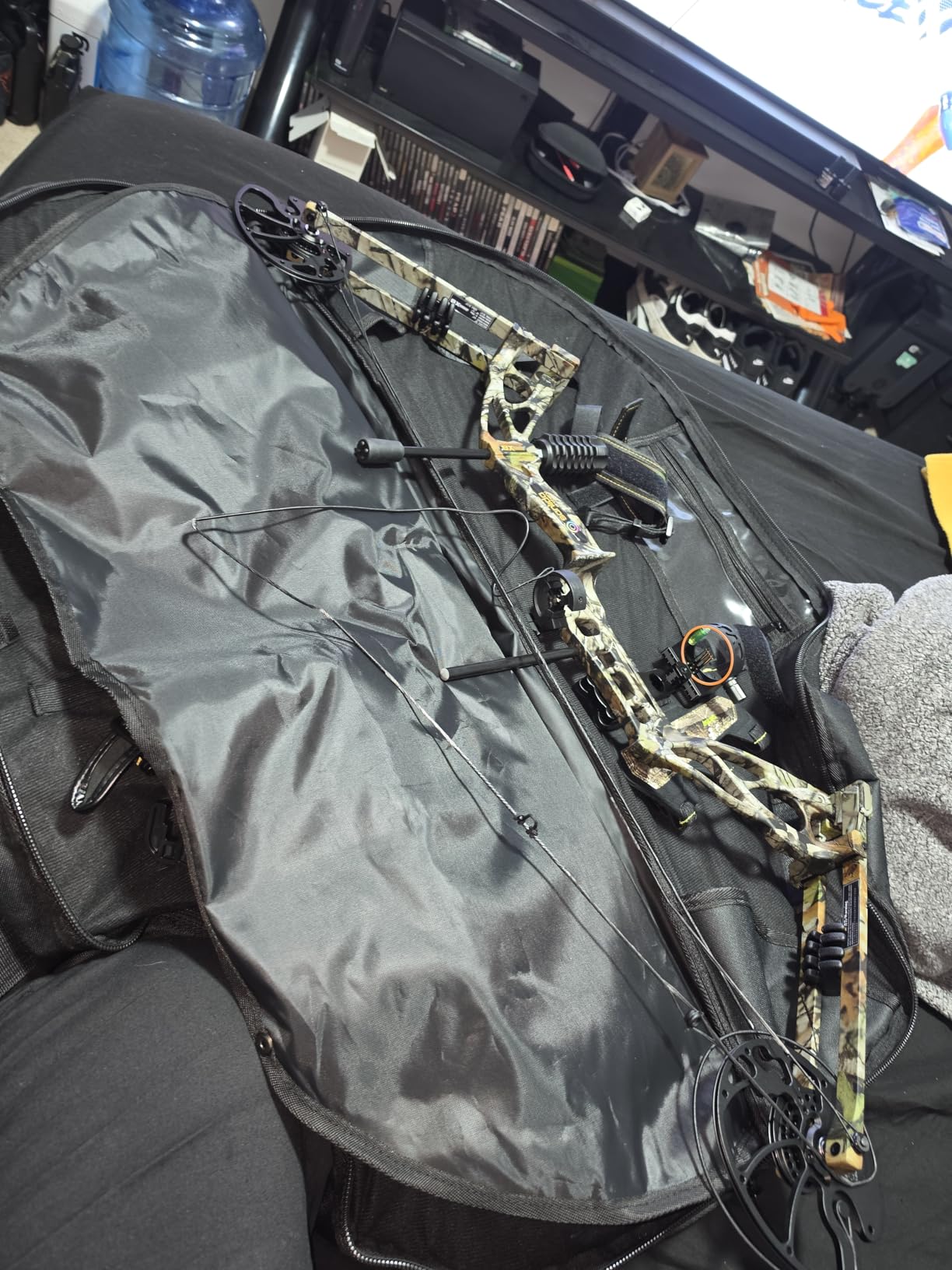
Mechanically it is a conventional dual cam design on a 30 inch axle-to-axle frame with a 6.6 inch brace height, and the cams and modules are CNC machined from 6061-T6 aluminum rather than cast. The published IBO speed figure is 310 fps, and the string and cables are BCY-D97 imported from BCY USA, which is a detail that matters more than it sounds because replacement strings for this bow are widely available.
The 3.8 pound bow weight is light for an adult hunting rig and light enough to hold comfortably for a long session. Owners commonly report that string and cable service can be handled at home with hex keys, which removes the usual reason people avoid an entry bow, the fear that any adjustment means a shop visit.
What you should know before you choose it
The most repeated owner complaint is about the twelve arrows in the box. They are light and flexible, and most people replace them before hunting with anything heavier than a paper target. Budget for a proper dozen of field points matched to your draw weight, and treat the bundled set as practice ammunition.
Second, the setup documentation is thin. Several owners report spending time working out the draw weight and draw length sequence from product videos rather than a manual. If you have never adjusted a compound bow, have a shop walk you through it once and the rest is straightforward.
Third, a small number of owners report the bow not reaching its stated maximum draw weight consistently. If you are an adult who wants 70 pounds, set and check that before you build the rest of your kit around it.
Who it suits and who it does not
This is the bow for a first compound purchase, for a family sharing one bow across two age groups, and for anyone who wants to change draw weight later without buying a press. The wide range means you will not outgrow it quickly.
It is right hand only in this configuration, and it is a general purpose bow rather than a target machine. Competitive archers chasing tight groups at long range will find better options in dedicated target designs.
2. PANDARUS L1: Best Compound Bow for Broadest All-Round Specs
PANDARUS Compound Bow Draw Weight 0-70 Lbs for Pull Beginner and Intermediate Archer Fully Adjustable 19.25″-31″ with All Accessories, up to IBO 320 fps New 2024(Black Right Handed Bag)
Axle-to-axle 30.25 inch
Brace 7.3 inch
19.25-31 inch draw
0-70 lb
IBO 320 fps
Pros
- Adjusts to almost any archer size in minutes
- Accessory list covers sight rest stabilizer release quiver and stand
- 100 percent CNC machined 6061-T6 riser cams and modules
- BCY-X string imported from BCY USA
- Smooth quiet draw reported by owners
Cons
- Included 500-spine arrows can break at higher draw weights
- One-page instruction sheet relies on videos
- Coated cam threads can cross-thread
The L1 publishes an IBO speed figure of 320 fps, which is tied for the highest in this roundup, and it holds a 75 percent let-off with a 7.3 inch brace height on a 30.25 inch frame. What actually makes it interesting is the adjustment envelope: 19.25 to 31 inches of draw length and zero to 70 pounds of draw weight, all reachable without a press.
It is right hand only, and the riser is machined 6061-T6 aluminum alongside CNC machined cams and modules. Owners describe the draw as smooth and the operation as quiet, which is the feedback that matters more to most new archers than the headline speed number.
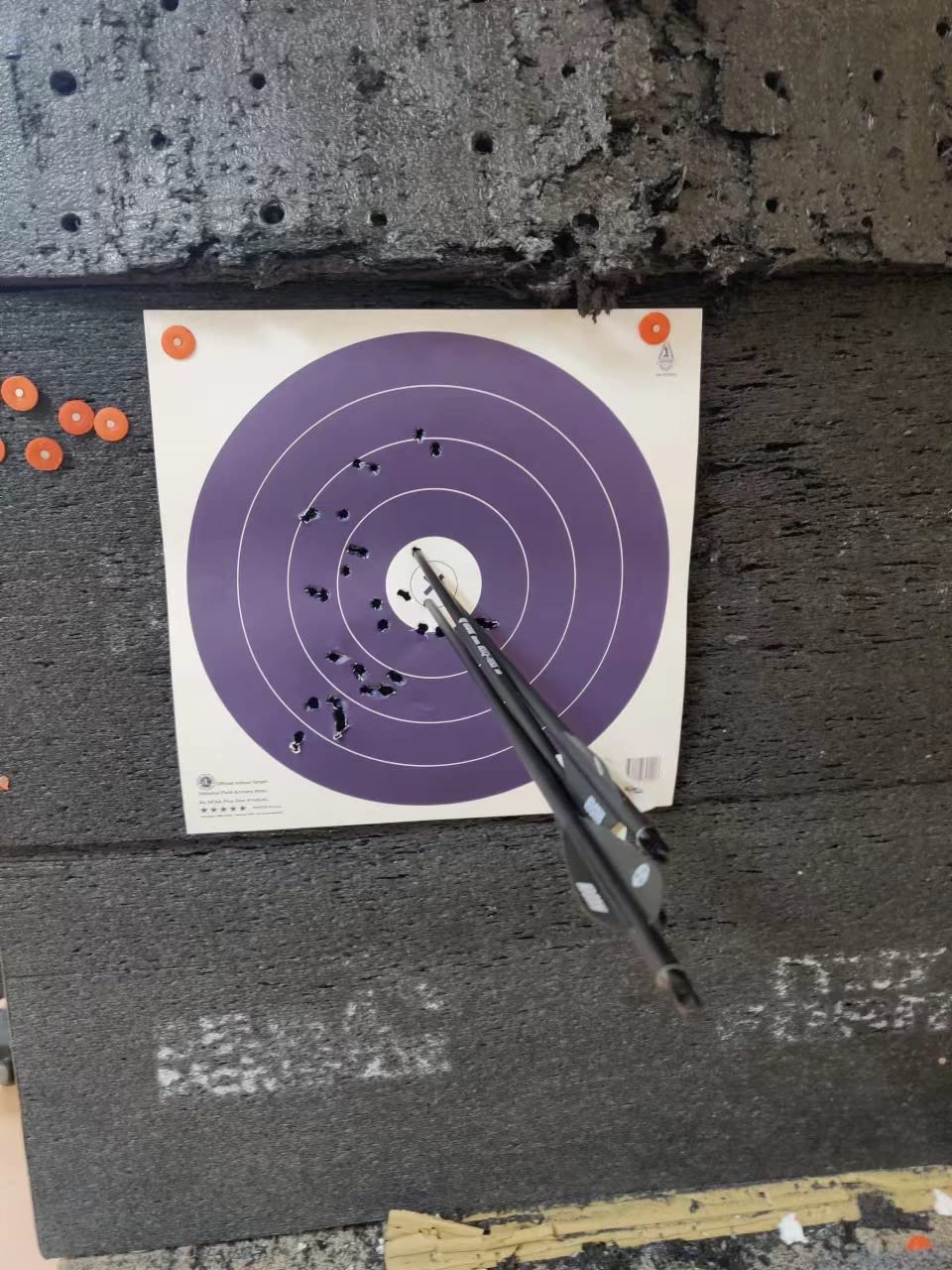
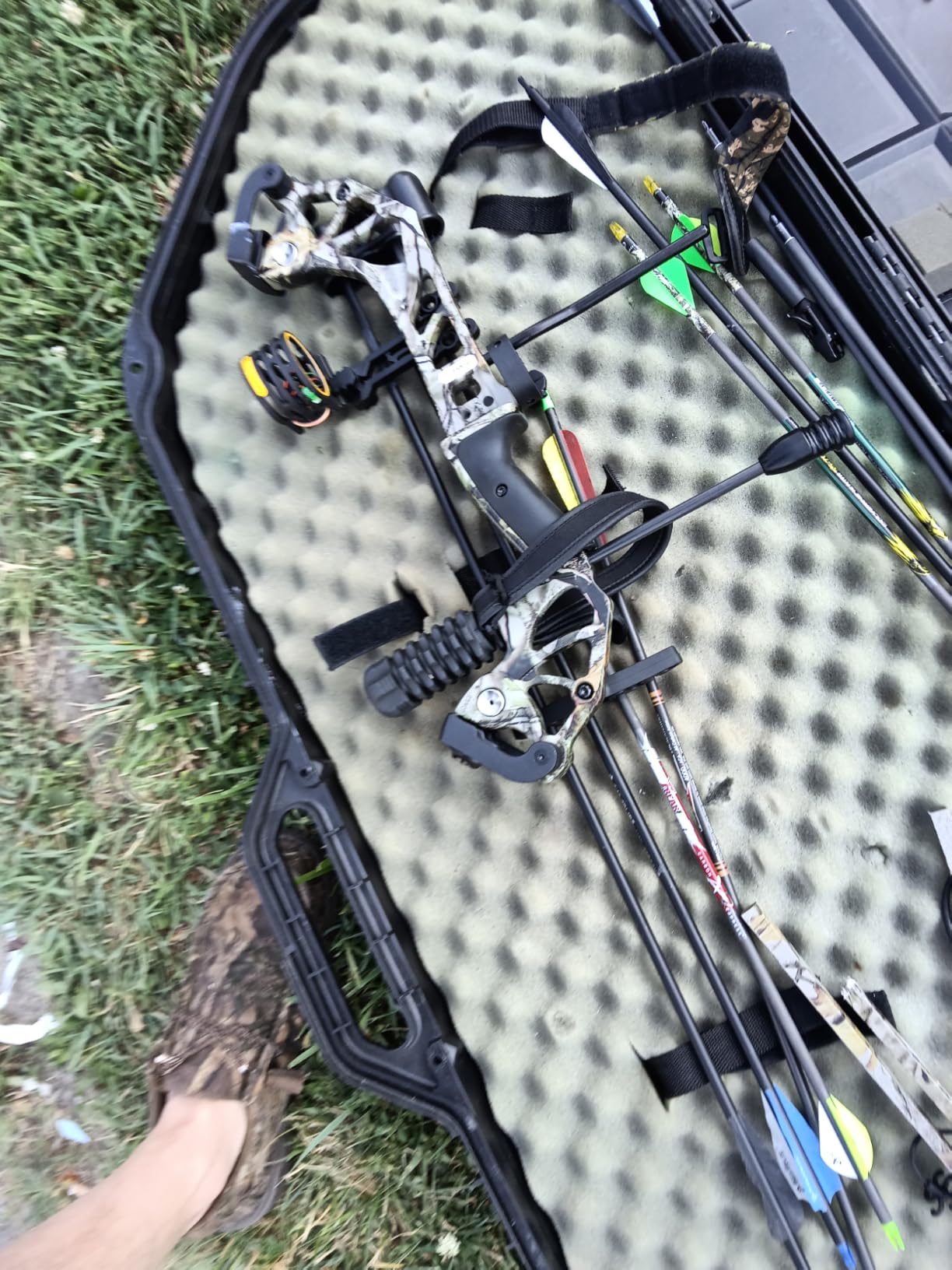
The packing list is long for an entry bow. It includes a three-pin sight, brush rest, stabilizer, release, quiver, stand, case, broadheads and twelve mixed carbon arrows, and the manufacturer lists twenty-one items in the box. That is close to a ready-to-shoot configuration on day one.
Two practical notes. The riser and cams are described as aluminum and carbon construction, and the listed weight is not published, so treat bow weight as something to confirm on the listing rather than assuming it matches a sibling model.
Where the owners push back
The arrows are the weak point. They are listed as 500 spine, and owners report breakage or mismatch once draw weight goes up, so plan on a separate arrow purchase before you shoot anything with real energy behind it.
The documentation is a single page and setup guidance leans on product videos. If you are comfortable with that, fine. If you prefer a printed sequence, you will be looking this up on your phone anyway.
A few reviewers report that the coated cam threads can cross-thread and that the quiver does not work well when mounted to the bow. Some also end up paying for professional setup and replacement strings, so keep a small service budget in mind.
Who it suits and who it does not
The L1 makes sense for a beginner who wants maximum speed on paper, a bow fishing or target setup, and anyone sharing a bow between a smaller and a larger shooter. The broad range covers a lot of ground in one package.
It is not the pick if you need a very short draw length. The range starts at 19.25 inches, which is longer than the youth-oriented bows in this list and will not suit a small child.
3. Bear Archery Royale RTH: Best Compound Bow for Youth
Bear Archery Royale RTH Compound Bow, Ready-to-Hunt Package, Right Handed Archers, 27″ Bow, Adjustable Draw Weight 5-50lbs, Adjustable Draw Length 12″-27″, Toxic
Draw length 12-27 inch
Draw weight 5-50 lb
2.7 lb bow only
290 fps
30 day warranty
Pros
- Lightest bow in this roundup at 2.7 lb
- Shortest draw length range at 12-27 inches
- Adjusts down to 5 lb for small archers
- Arrives with Trophy Ridge sight rest and peep
- Multiple camo options including youth patterns
Cons
- Sight and rest often arrive misaligned and need adjustment
- No setup instructions for draw length and draw weight
- Riser sticker sometimes missing
The Royale exists for a very specific problem, and it solves it better than anything else here. Its draw length range starts at 12 inches, which is shorter than a typical adult bow by a wide margin, and its draw weight goes down to 5 pounds. A child who cannot yet pull 20 pounds can still set up this bow correctly rather than shooting an adult bow at a weight they cannot reach.
At 2.7 pounds for the bow alone, and 3.3 pounds with the included accessories, it is the lightest setup in the roundup. That matters for a young archer holding the bow at full draw while an instructor talks through shot placement.
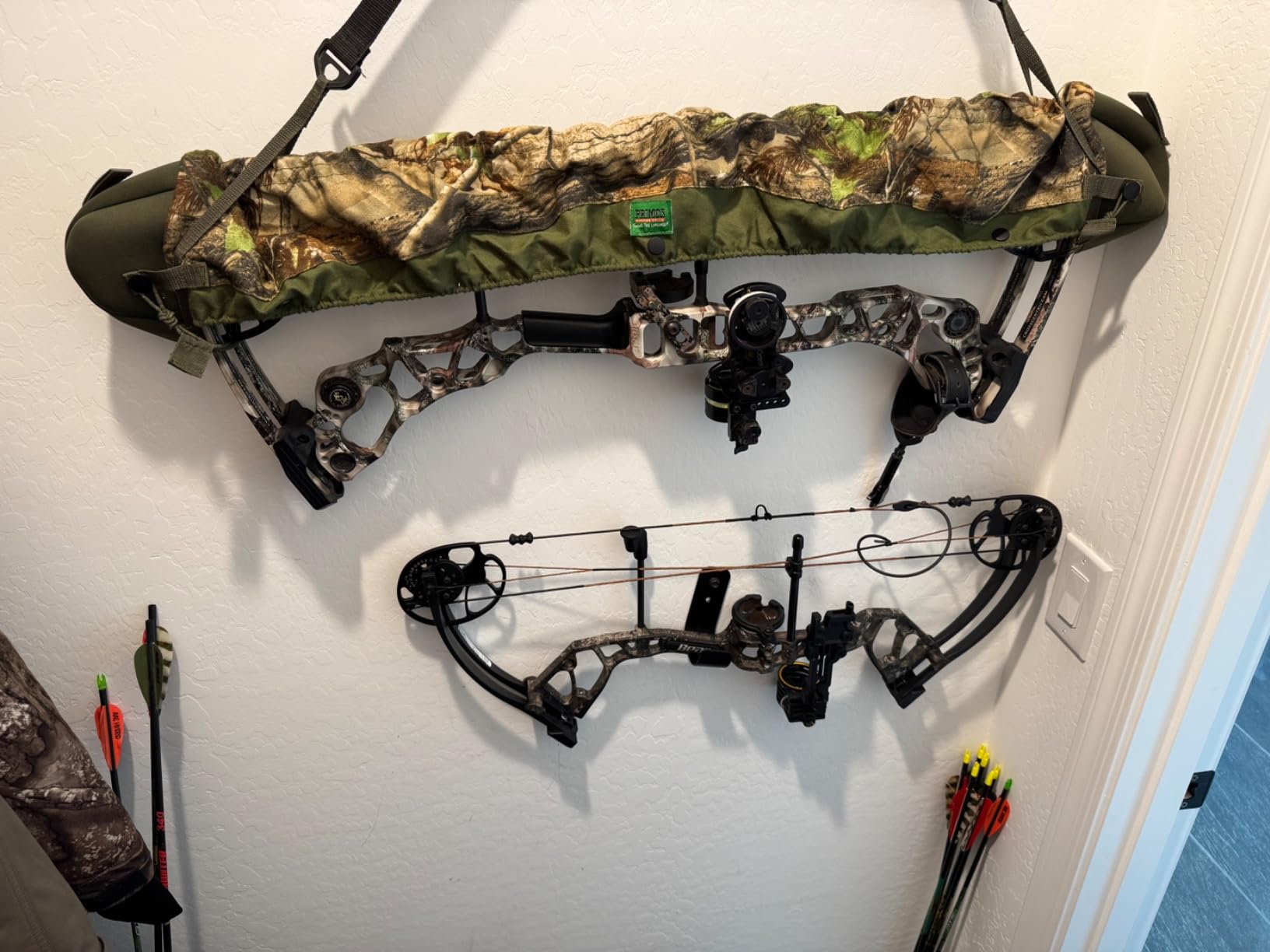
The package is a genuine ready to hunt kit: a Trophy Ridge Mist sight, a five-spot quiver, a Whisker Biscuit arrow rest, a Fletcher Archery no-tie peep and a nock loop. Published arrow speed is 290 feet per second, which is plenty for a practice target and for a youth hunter who is not shooting at long range.
Owners report a smooth draw, good accuracy and quiet operation, and the bow comes in a range of camo finishes including youth-friendly patterns. The listed warranty is 30 days, which is the shortest in this group and worth noting.
What you should know before you choose it
The most common complaint is at the factory end. Owners frequently report that the arrow rest and sight arrive misaligned, which means the first session is spent setting the bow up rather than shooting it. Budget an extra half hour and you will be fine.
There are no setup instructions for the draw length and draw weight adjustments. This is the single most useful thing a new archer could have in the box, and its absence here is a real gap.
At 290 feet per second, this is not the bow for longer-distance adult hunting. It is a growth bow. Plan to move up to a full-size model when the archer outgrows the draw length range.
Who it suits and who it does not
Buy this for a young archer, a smaller-framed adult, or anyone returning to archery after a long break who needs a low starting weight. The 12-27 inch range also makes it the best fit bow here for very short draw lengths.
Skip it if you want a single bow that will last a full hunting career or if you need to reach a high draw weight for large game. The maximum of 50 pounds rules it out for elk.
4. Bear Archery Limitless: Best Compound Bow for a First-Time Adult Archer
Bear Archery Limitless Youth Compound Bow, 25–50 lb. Draw Weight, 19″–29” Draw Length, Ready-to-Hunt Trophy Ridge Package: Bow Sight, Whisker Biscuit Arrow Rest®, Quiver, God’s Country Camouflage
Dual cam system
265 fps
4.1 lb
Fully adjustable
Fully kitted package
Pros
- Smooth dual cam system with solid 265 fps
- Draw weight and draw length both adjustable
- Ready to hunt kit with sight rest quiver and peep
- Good build quality at this price tier
- Offered in camo or tan
Cons
- Warranty limited to 90 days
- 265 fps is modest against the fastest bows here
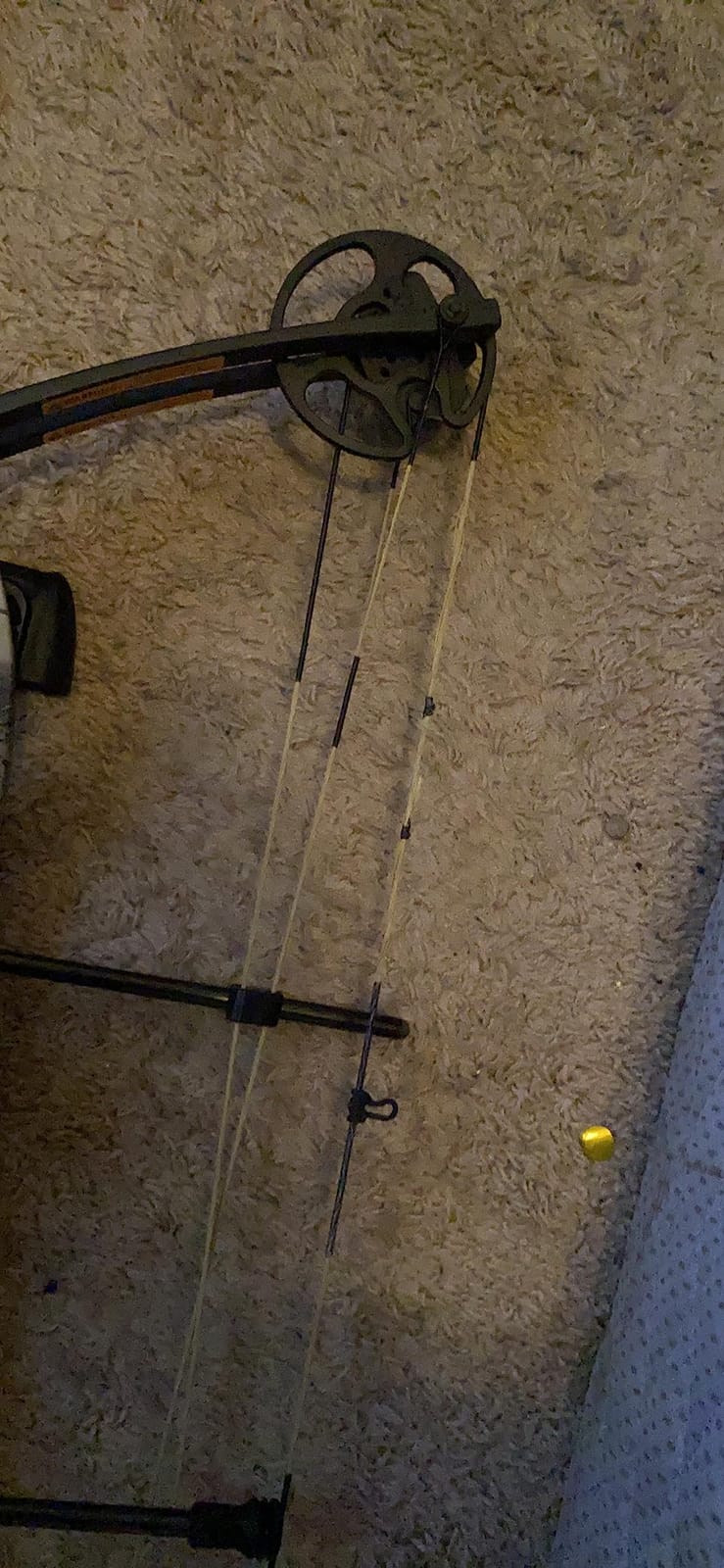
The Limitless is the simplest answer to the question a first-time buyer actually asks, which is what comes in the box. You get a Trophy Ridge sight, a Whisker Biscuit rest, a Bear Archery three-arrow quiver, a peep sight and a nock loop, alongside a bow with a dual cam system that owners consistently describe as smooth to draw.
Draw weight and draw length are both fully adjustable, and the listed configuration is a 28 inch draw length at 50 pounds with a net weight of 4.1 pounds. It is designed for youth and transitional archers stepping up from a first bow.
Published arrow speed is 265 feet per second, which is the lowest figure among the adjustable dual cam bows in this list. That is not a defect. It reflects a design aimed at smooth operation and durability rather than maximum velocity, and for target work at 20 to 40 yards the difference is not something a new archer will notice.
Build quality is the other repeated theme. Owners describe it as solid for the tier, and the bow is offered in a camo finish or tan so it can be set up for a youth hunter rather than left as a plain range bow.
What you should know before you choose it
The warranty is 90 days, which is the shortest in the roundup. That is a meaningful difference if a limb or cam fails in month three, so read the terms before you commit.
At 265 fps, do not pair this with heavy broadheads for anything but close-range practice until you have checked arrow spine against draw weight. Lightweight practice arrows suit the velocity far better.
Because it is a bow-and-kit package, the included sight and rest are entry level. You can grow into better gear later without replacing the bow.
Who it suits and who it does not
This suits a first-time adult archer who wants a complete setup with no decisions to make, and a youth moving up from a very small bow. It also works as a second bow for a family that already owns something faster.
It is the wrong choice for a competitive archer or for anyone who cares about arrow speed above all else. If speed is the priority, look at the 310 and 320 fps bows instead.
5. Bear Archery Legit RTH: Best Compound Bow for the Widest Family Fit
Bear Archery Legit Ready to Hunt Compound Bow Package for Adults & Youth, Right Hand, True Timber Strata
Draw length 14-30 inch
Draw weight 10-70 lb
3.6 lb
315 fps
Allen wrench tuning
Pros
- Covers 14-30 inch draw length and 10-70 lb draw weight
- All adjustments made with an Allen wrench
- Light 3.6 lb build that still reaches 315 fps
- Ready to hunt package with Trophy Ridge accessories
- Made in USA
Cons
- Sighted-in accuracy improves only after setup work
- Included accessories are basic for the tier
The Legit takes a different approach to range. Where most entry bows concentrate on maximum draw weight, this one stretches draw length down to 14 inches while still reaching 70 pounds, which makes it the best compromise in the roundup for a family with one teen and one adult sharing a bow.
It weighs 3.6 pounds, which is among the lightest here, and still publishes an arrow speed of 315 feet per second. Every adjustment is made with an Allen wrench and no bow press is required, which is the single most important practical feature for a household that does not own shop equipment.
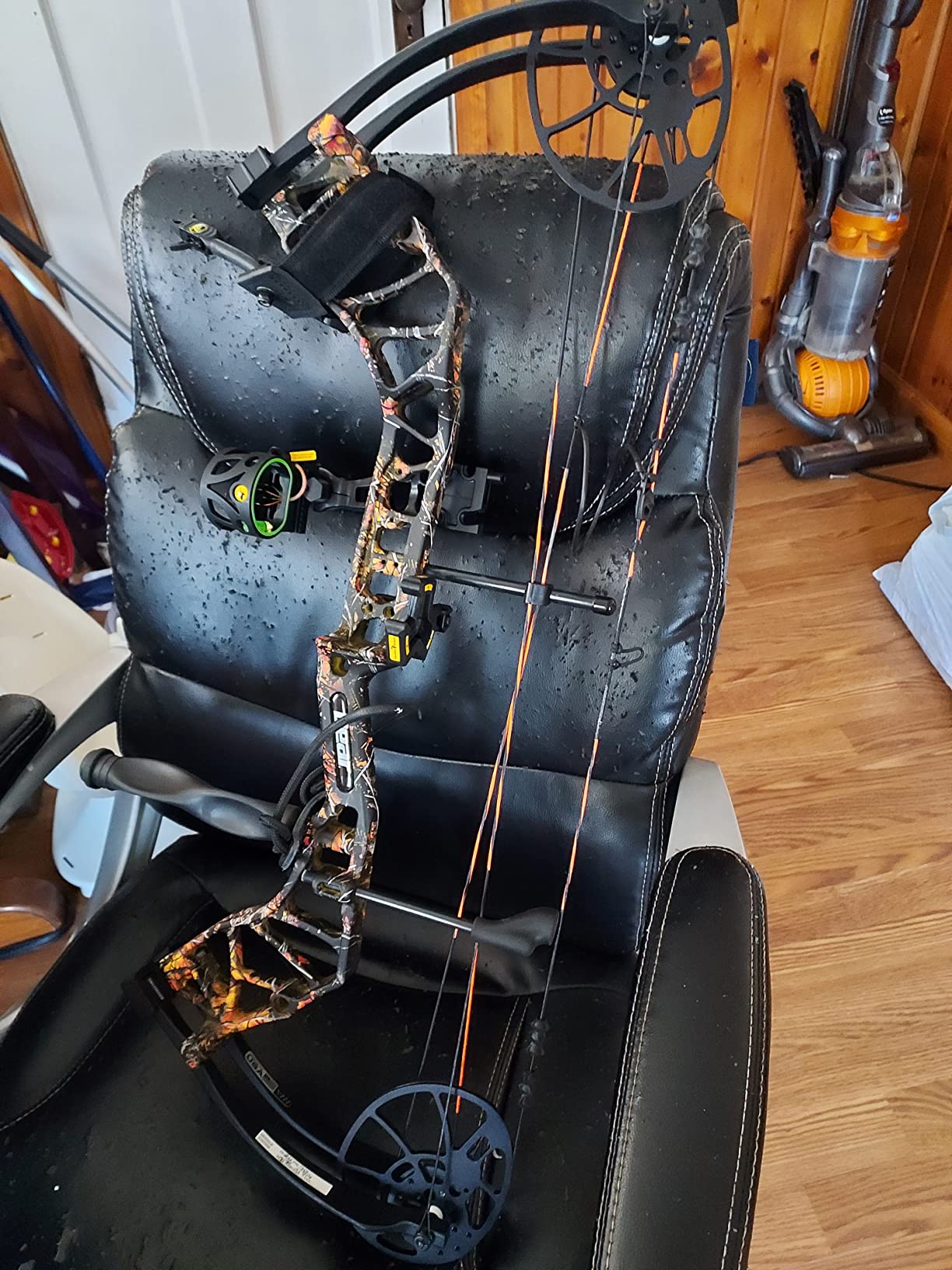
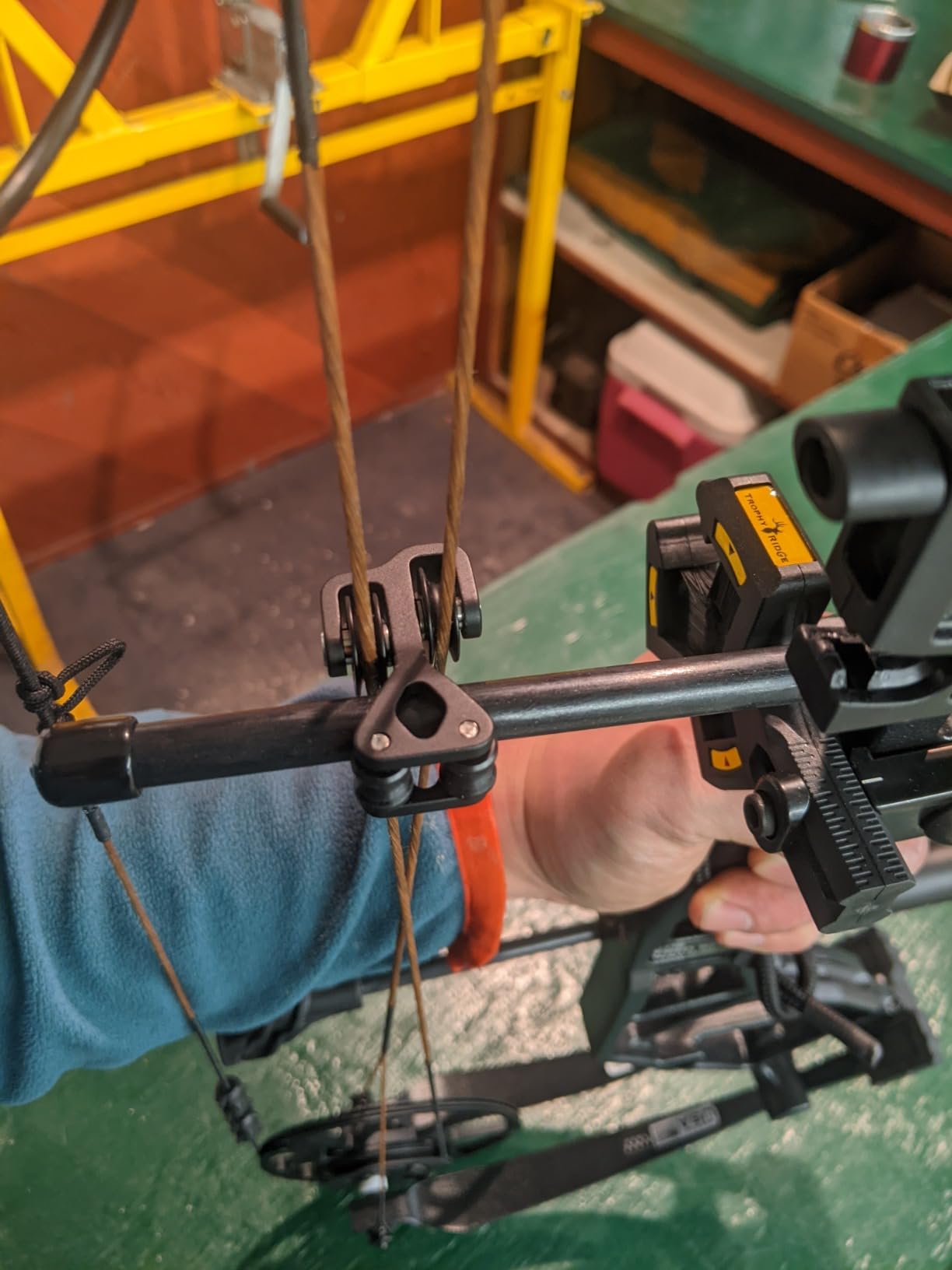
The kit includes a Joker four-pin sight, a five-spot quiver, a Whisker Biscuit rest, a no-tie peep and a D-loop, so the string is ready to attach. The bow is made in the USA and carries a one-year warranty on this model, with a limited lifetime warranty offered on the platform.
Owners describe it as a bow that serves both youth and adults once the included sight and rest have been dialed in. That phrase appears often enough to be the deciding factor for anyone buying one bow for two shooters.
What you should know before you choose it
Sighted-in accuracy generally improves only after setup adjustments. Do not judge the bow on the first ten arrows. Set the rest height, confirm the sight window, and run a tuning pass before you compare it to anything else.
The included accessories are basic for the price tier. The four-pin sight and Whisker Biscuit rest do the job, and neither is the limiting factor once you know what you are doing.
The 14 inch minimum draw length will not suit a very young child. If you need to go shorter than that, the Bear Royale RTH is the model built for it.
Who it suits and who it does not
Choose this for a shared family bow, a growing archer who will need more weight in a few years, or anyone who wants to tune at home with basic tools and no service visit.
It is less suitable for a dedicated target archer, since the setup is hunting-oriented rather than built around a competition sight and a long stabilizer.
6. Sanlida Dragon X7: Best Compound Bow Starter Kit
Sanlida 2024 New Dragon X7 Ready to Hunt Compound Bow Package for Adults, Archery Compound Bow and Arrow Set, 0-70 Lbs Draw Weight, No Bow Press Needed, Limited Life-time Warranty (Black)
Draw length 17-31 inch
Draw weight 0-70 lb
4.1 lb
A380 riser
CNC 6061-T6 cams
Pros
- Complete kit with sight rest stabilizer arrows and case
- A380 riser with CNC machined 6061-T6 cams and modules
- Adjusts with included hex wrenches and no bow press
- Factory support for setup tuning and upgrades
- Limited lifetime warranty on main parts
Cons
- Right hand only configuration
- Included arrows are entry level field points
- Heavier at 4.1 lb than the youth models here
The Dragon X7 is the most thoughtfully kitted entry bow we looked at. The box contains the bow, a five-pin sight, arrow rest, stabilizer, twelve 30 inch carbon arrows, quiver, release, arrow puller, bow stand, hard case and seven Allen keys, which is everything a new owner needs to start on day one.
Draw length runs 17 to 31 inches and draw weight runs zero to 70 pounds, and every change is made with the included hex wrenches. No press, no shop visit, no parts on order.
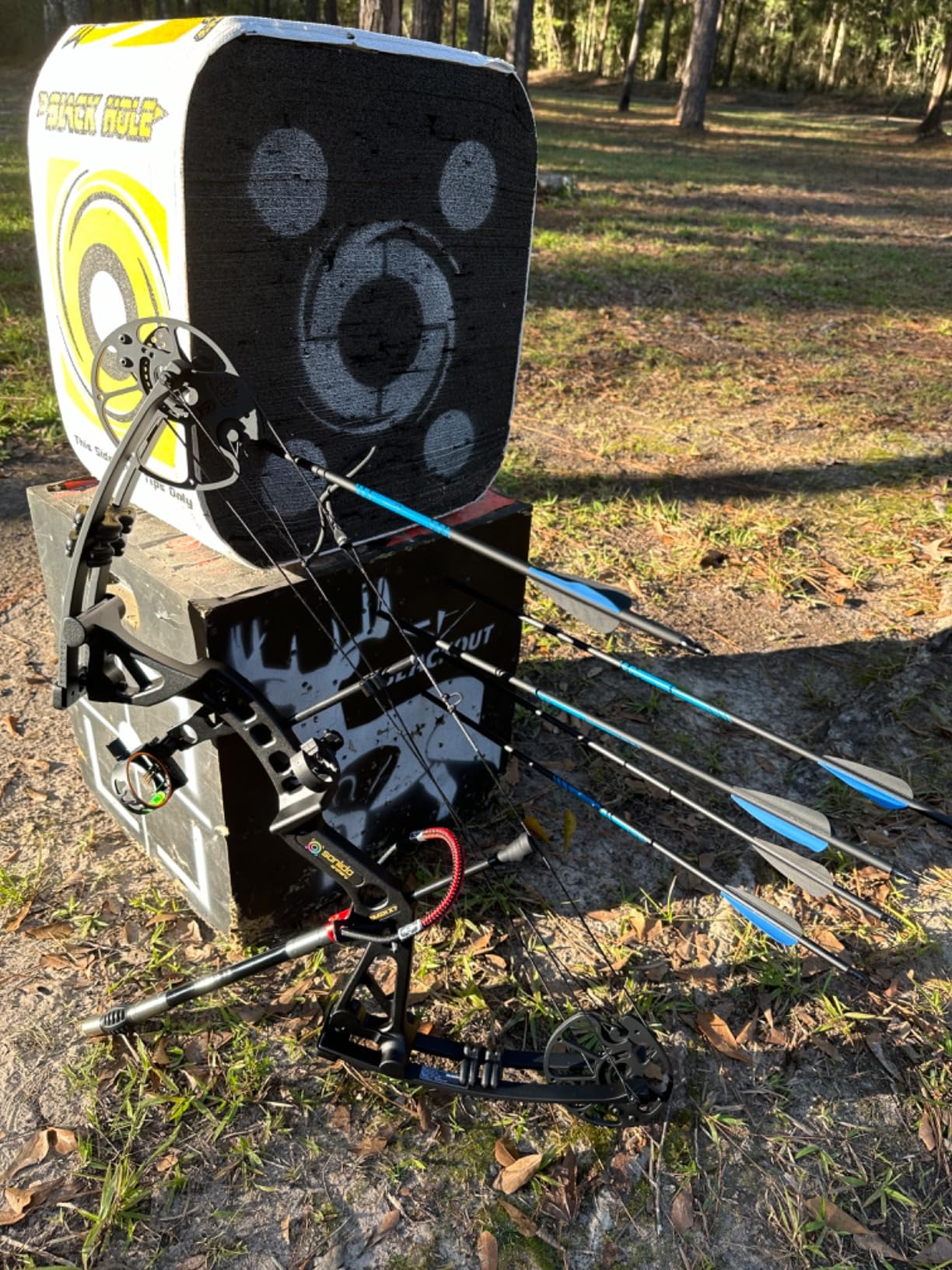
Structurally it uses an A380 aluminum riser with 6061-T6 CNC machined cams and modules, and the bow weighs 4.1 pounds. The cams being machined rather than cast is a step up from most bows in this price range and is the reason owners report it feels solid rather than tinny.
There is factory-direct support for setup, tuning and upgrade guidance, and a limited lifetime warranty on the main parts. Replacement strings and cables are listed as a separate item, so check that before you need one.
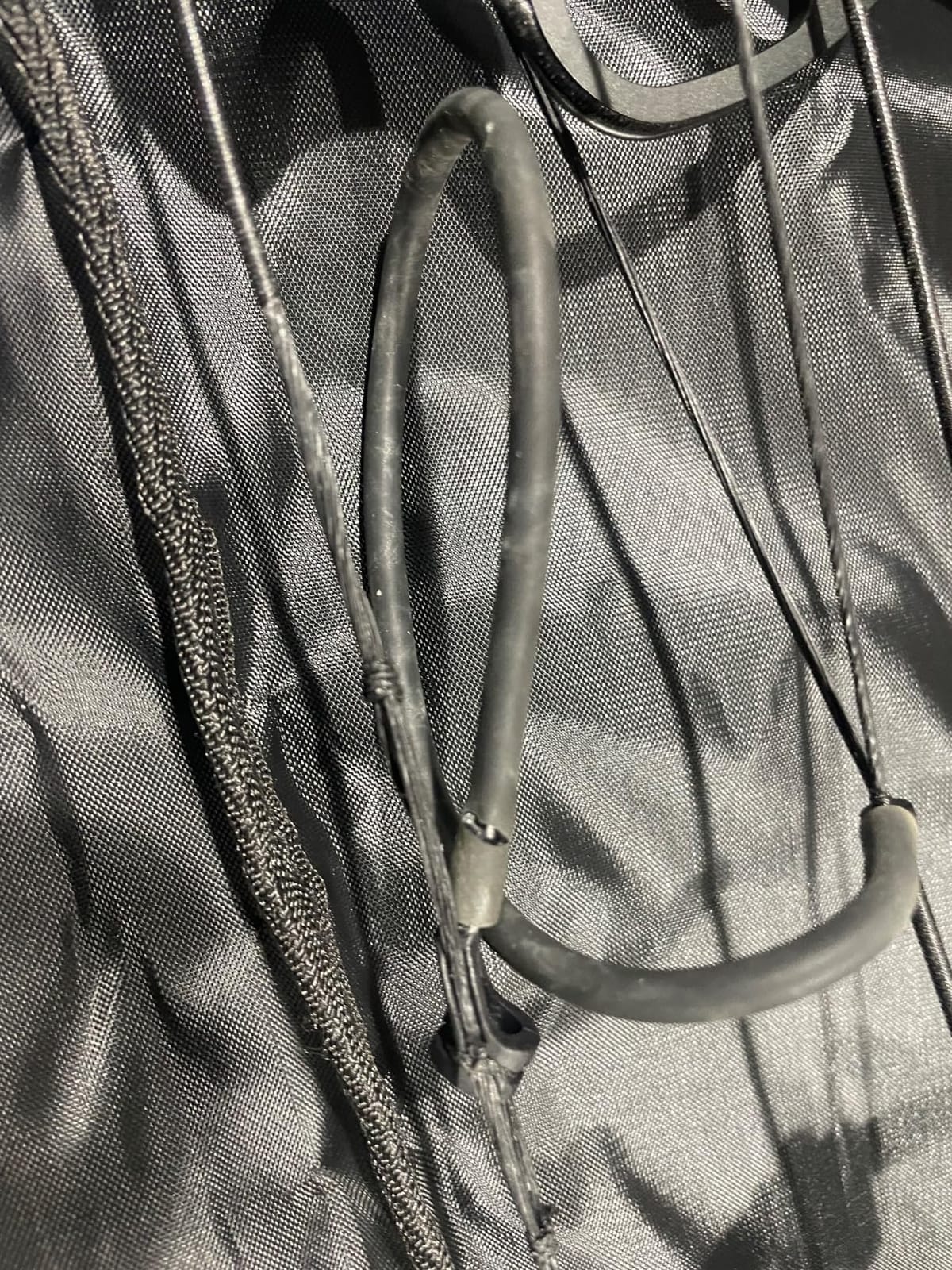
What you should know before you choose it
It is right hand only. That is a real limit for a meaningful number of shooters, and it is worth checking before you fall for the rest of the package.
The twelve arrows are entry level field points intended for practice and hunting preparation. They are not tournament arrows, and most owners replace them once draw weight goes up.
At 4.1 pounds it is the second heaviest bow in the roundup. Younger archers will find the Bear models lighter to hold at full draw.
Who it suits and who it does not
This is the bow for a first-time adult archer who wants one purchase that covers everything and who shoots right handed. It is also a strong stepping stone for a teenager moving up from a very light bow.
Pass if you shoot left handed, if you need a draw length under 17 inches, or if you plan to compete rather than hunt and practice.
7. Diamond Archery Edge 320: Best Compound Bow for Tuning Control
Diamond Edge 320 in Mossy Oak Break-Up Camo – Right Hand – 7-70 lbs / 15″ – 31″ Draw
Draw length 15-31 inch
Draw weight 7-70 lb
3.6 lb
320 fps
Binary cam system
Pros
- Synchronized binary cam system with 320 fps
- Tune holds well after setup with 3 inch groups at 30 yards
- Huge 15-31 inch and 7-70 lb adjustment range
- Light 3.6 lb frame
- Adjustments and basic servicing without a press
Cons
- Included plastic sight is cheap and often replaced
- Occasional cam damage on arrival from thin packaging
- Replacement part support reported as hard to reach
The Edge 320 is the pick for an archer who cares about how a bow behaves after it is set up rather than about what is in the box. It uses a Bowtech Synchronized Binary Cam System, and the thing experienced archers notice is the straight-line nock travel, which is what makes a tune that holds.
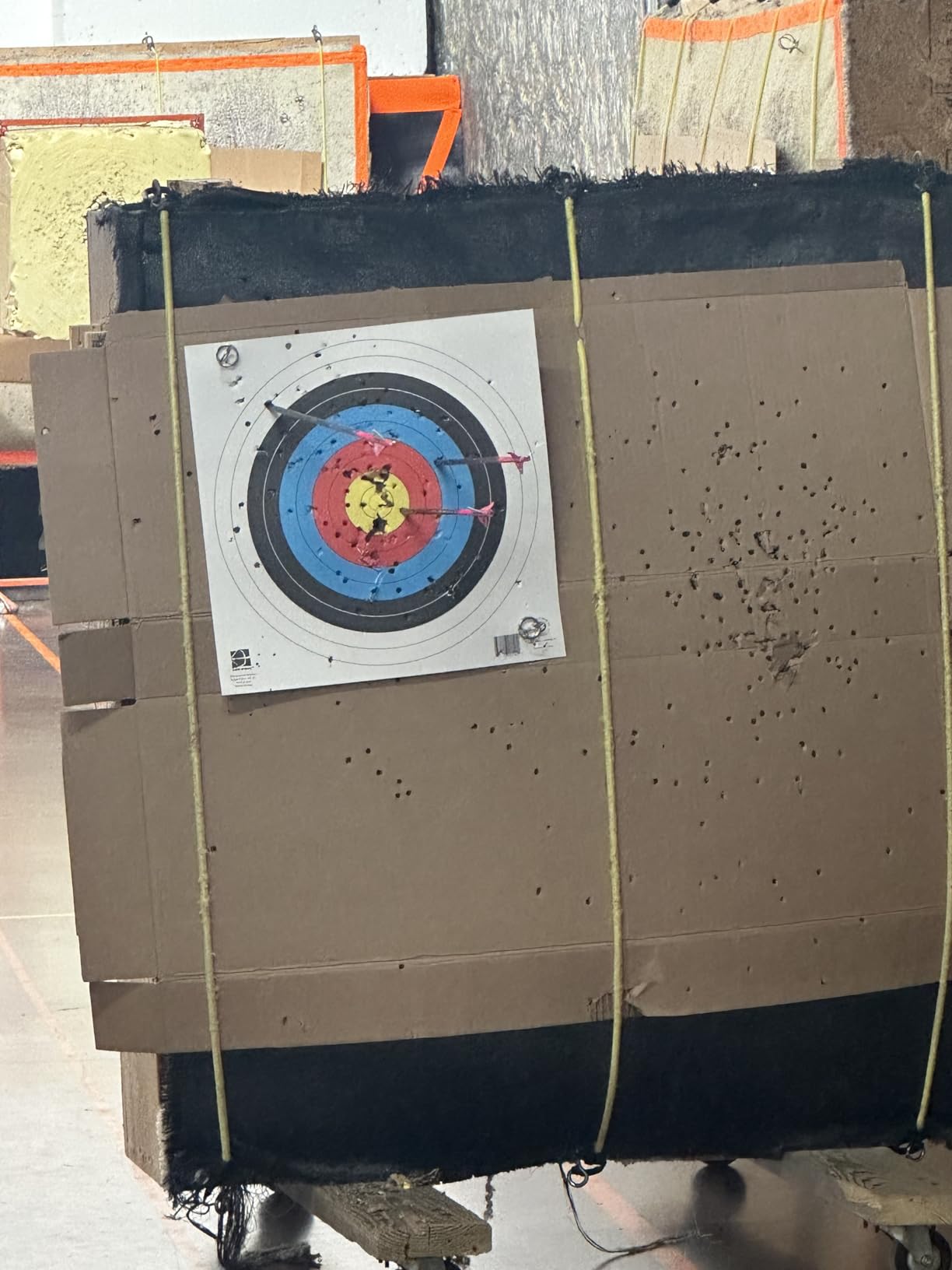
Owners report the tune sticking after setup and cite three inch groups at 30 yards. That is a real-world accuracy claim from people shooting it, and it is the reason experienced shooters keep recommending this bow despite the simpler included accessories.
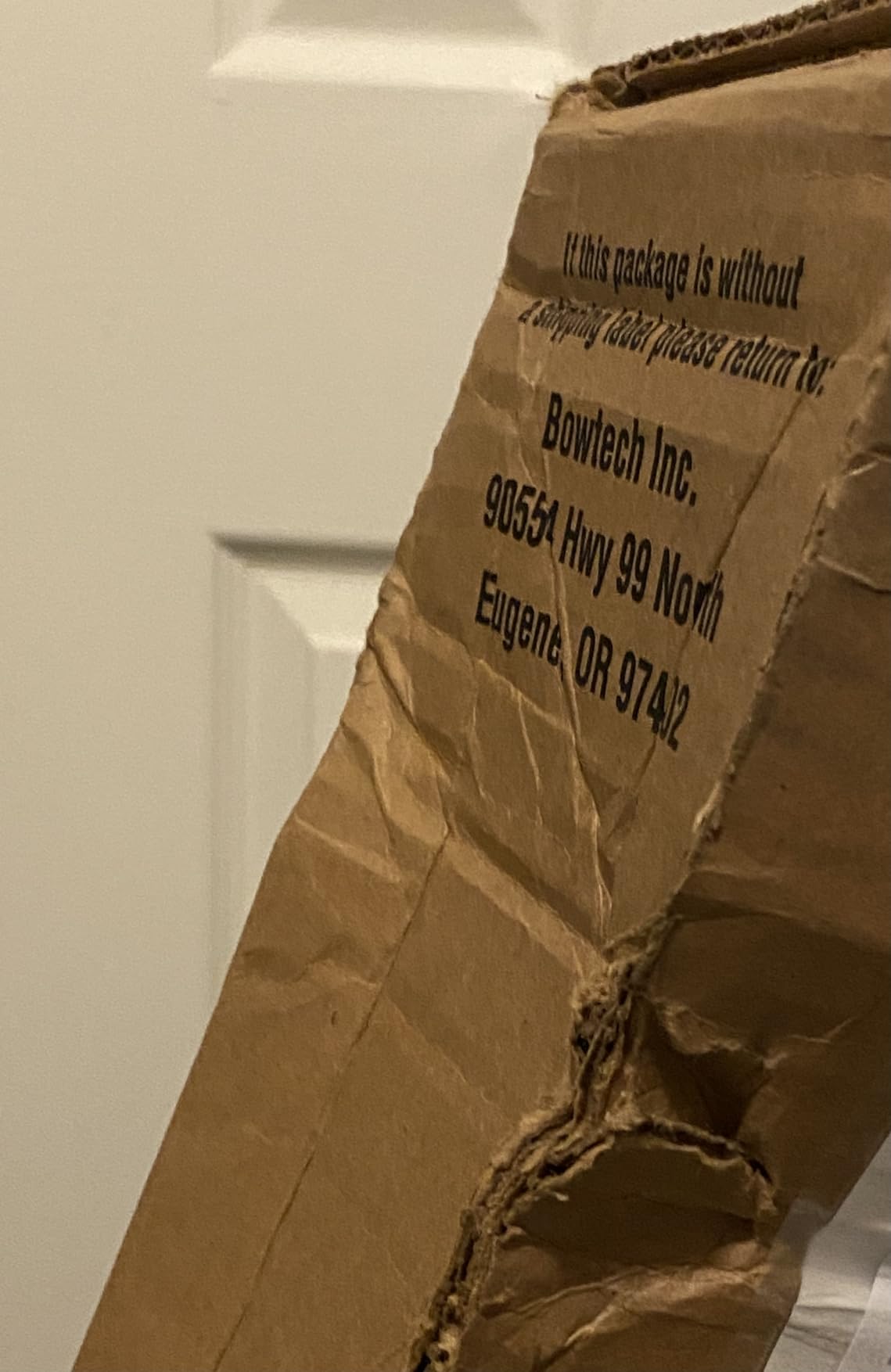
The adjustment range is unusually wide for a bow at this level: 15 to 31 inches of draw length and 7 to 70 pounds of draw weight, with the bow weighing 3.6 pounds. Adjustments and basic servicing can be done without a bow press, so the tuning is not locked behind a shop.
Published speed is 320 feet per second, tied for the highest figure in the roundup, and the bow is finished in BreakUp Country camo. It arrives fully equipped, though the definition of equipped here is narrower than on the packaged bows.
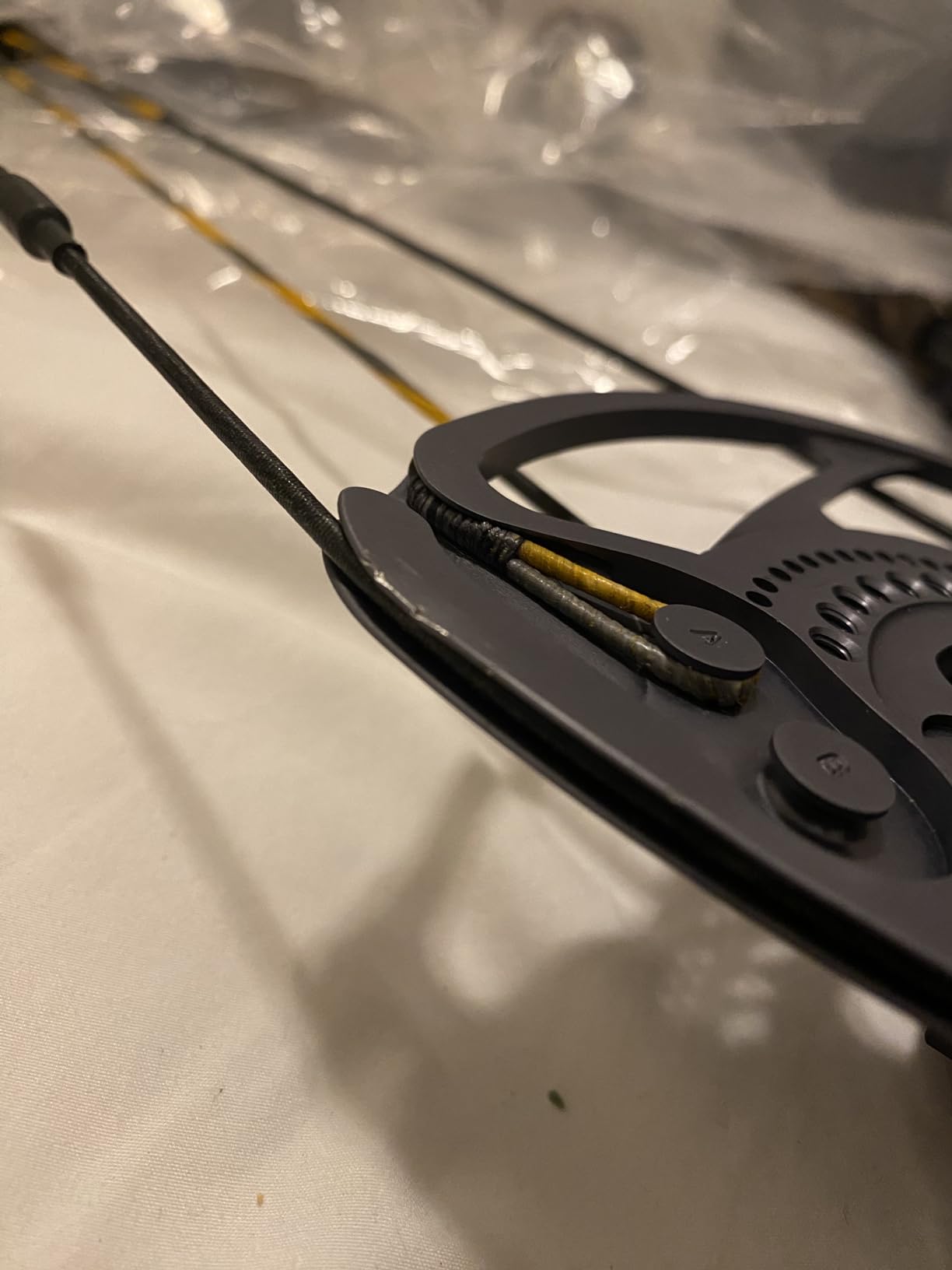
What you should know before you choose it
The included plastic sight is the most common complaint and the most common upgrade. Treat the sight as a placeholder and budget for a proper multi-pin sight with a windage and elevation adjustment you can actually use at distance.
A small number of owners report cam damage on arrival attributed to thin packaging. Inspect the cams and limbs the moment the box is opened rather than waiting for the first draw cycle.
Manufacturer support for replacement parts is reported as hard to reach. That is a service risk to weigh, and it is one reason we would not call this the best first bow despite the strong numbers.
Who it suits and who it does not
Choose this if you already know how to tune a bow, you want speed and a tune that holds, and you are willing to fit your own sight. For an intermediate archer moving up from a package bow, it is a genuine step up.
It is the wrong first bow for a total beginner, because almost nothing in the box supports you while you learn. Pair it with a decent sight and you will have a very capable setup.
8. Genesis Original: Best Rated Compound Bow for Young Archers
GENESIS Original Compound Bow and Arrow Set with Adjustable 15-30 Inch
Draw length 15-30 inch
Draw weight 10-20 lb
3.5 lb
Single cam
3.5 lb bow
Pros
- Pre-assembled single cam design needs no tuning at all
- Highest owner satisfaction in this roundup
- Complete kit with five arrows quiver and arm guard
- Light 3.5 lb bow across a wide draw length range
- 6061-T6 riser with composite limbs
Cons
- Draw weight tops out at 20 lb so it is not an adult hunting bow
- This configuration has no sight peep or release included
The Genesis Original is the only bow in this roundup with a single cam, and that single design decision is why it carries the highest owner rating here at 4.8 across more than sixteen hundred reviews. A single cam system has no cam timing to set, no module combinations to test and no bow press requirement, so there is nothing to tune.
Draw length adjusts from 15 to 30 inches and draw weight from 10 to 20 pounds. That range is deliberately aimed at young archers, roughly fourth through twelfth grade, and it is the correct limit for NASP competition.
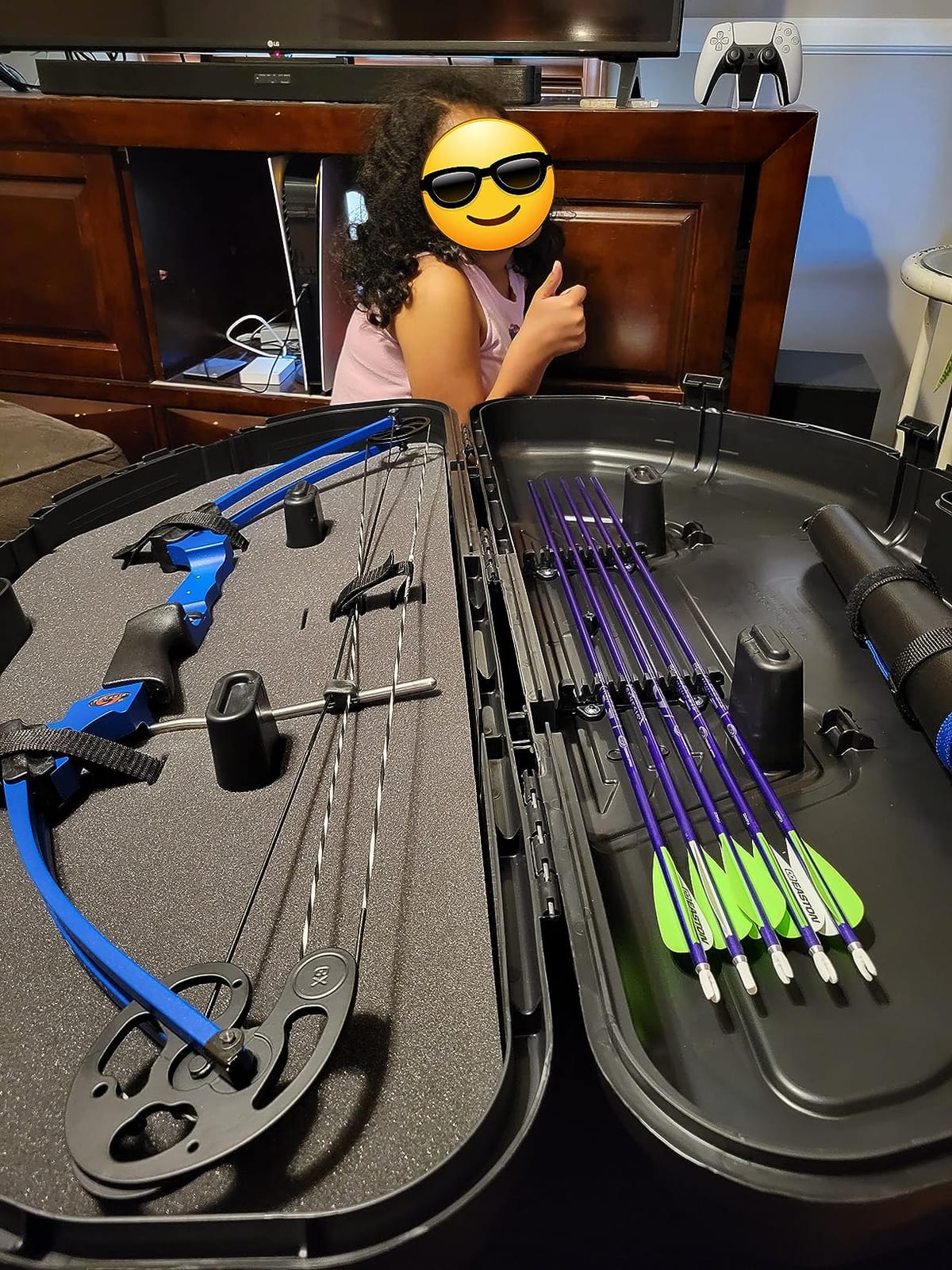
The riser is machined 6061-T6 aluminum with composite limbs and high-strength bowstrings, and the bow weighs 3.5 pounds. The kit includes five XX75 aluminum arrows, a belt tube quiver and an arm guard, which is enough to start shooting indoors immediately.
Owners consistently describe minimal recoil and near-zero setup, which matters enormously with a child learning. Recoil is the single biggest reason young archers quit, and a single cam bow removes most of it.
What you should know before you choose it
Draw weight tops out at 20 pounds. That is a hard limit, and it means this is not an adult hunting bow. If you want a compound for deer, look at a model in the 40 to 70 pound range.
This configuration is bow, arrows, quiver and arm guard, with no sight, peep or release. For a youth archer working toward NASP you will add a sight and a draw loop, which is normal for this category.
It is also not adjustable enough to grow into a hunting setup, so plan this as a two to three year archery tool rather than a lifetime bow.
Who it suits and who it does not
This is the strongest pick for a child learning to shoot, for school or youth archery programs, and for any adult returning to the sport who wants zero maintenance and a very light bow.
Skip it for hunting and for target competition beyond youth level. The 20 pound ceiling rules out both.
9. SAS Feud 70: Best Compound Bow for a Custom Field Setup
SAS Feud 70 Lbs 31″ Compound Bow Hunting Target Field Bowfishing (Black)
Draw length 19-31 inch
Draw weight 25-70 lb
ATA 30 inch
Brace 7.5 inch
300 plus fps
Pros
- Wide 25-70 lb and 19-31 inch adjustment with no bow press
- Dual cam system with 70-80 percent let-off
- Light 4.1 lb aluminum riser for all day field use
- Suitable for target field archery and hunting
- Available in black or camo
Cons
- Bow only configuration has no sight quiver or arrows
- Right hand orientation only in this listing
The Feud is the bare-bow option in this roundup, and for some buyers that is exactly the right call. It is a 30 inch axle-to-axle frame with a 7.5 inch brace height, a net weight of 4.1 pounds, and a dual cam system with a 70 to 80 percent let-off and published speed above 300 feet per second.
Draw weight adjusts from 25 to 70 pounds and draw length from 19 to 31 inches, both without a bow press. A one-year manufacturing warranty is included.
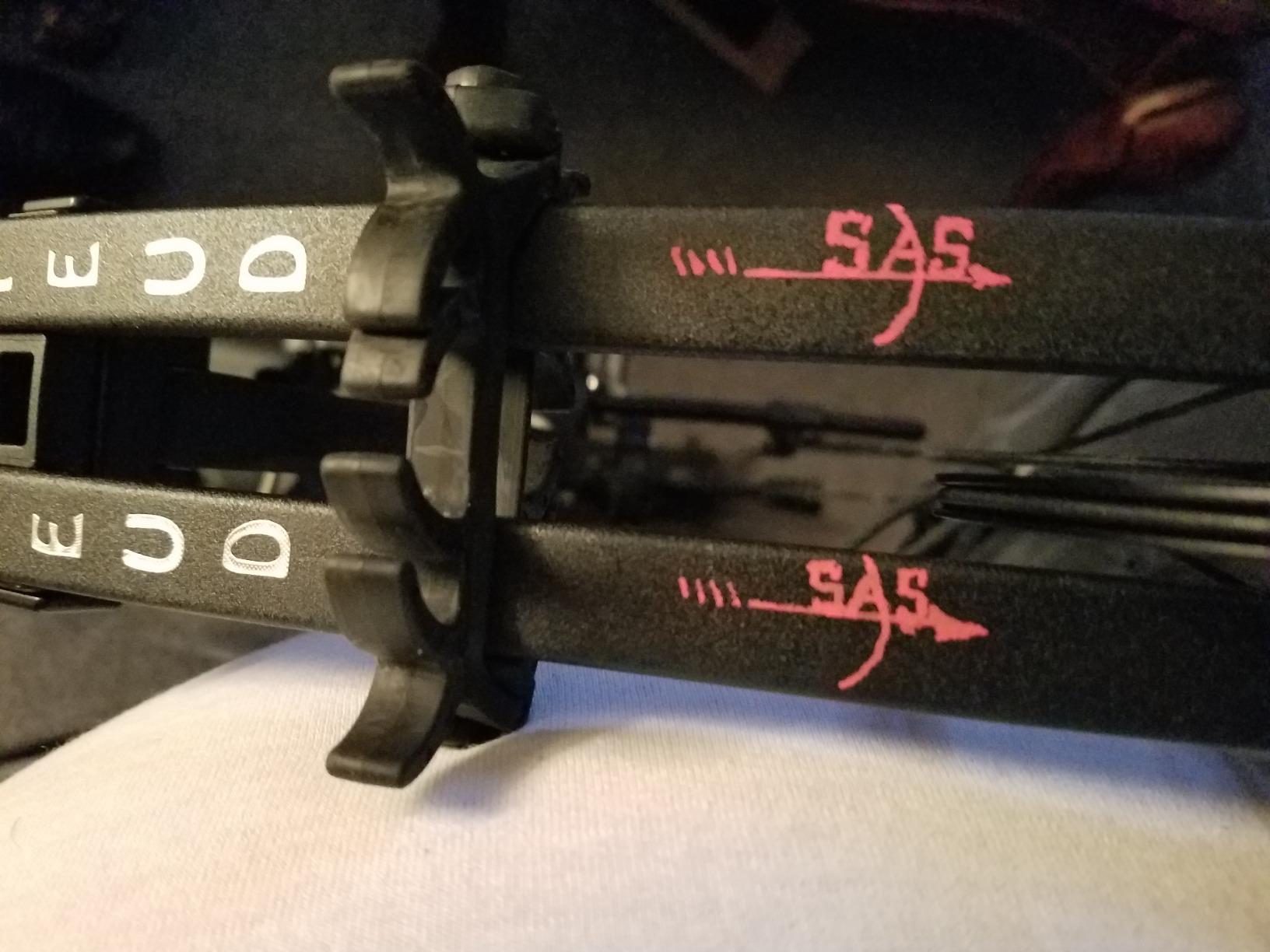
Where it earns its place is flexibility of use. Owners describe it as equally suited to target practice, field archery and hunting, and the high brace height of 7.5 inches makes it a forgiving bow to hold for archers still learning their form.
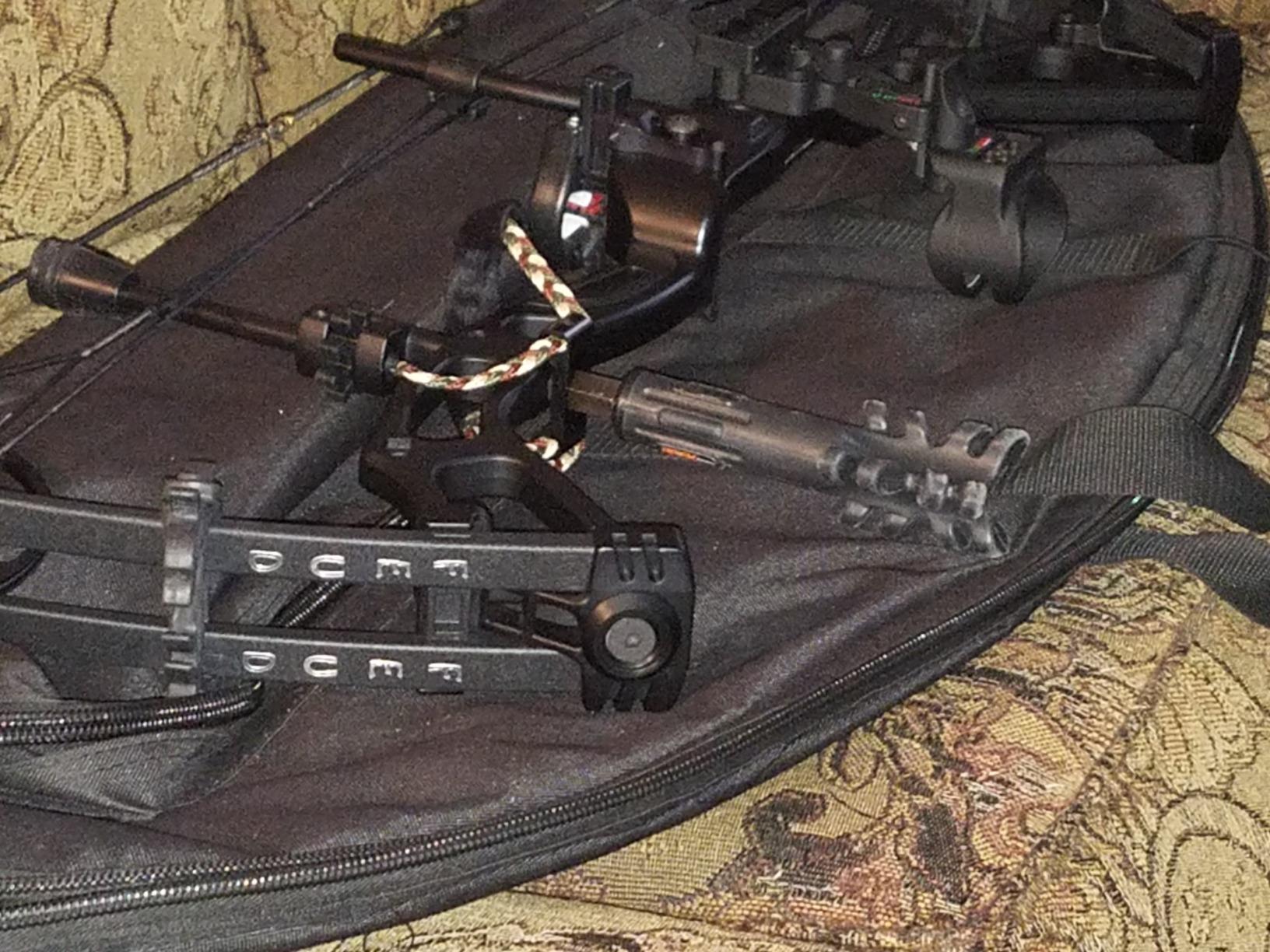
The aluminum riser with sturdy limbs is a simple, serviceable build, and the dual cam system is a conventional design that any tuner can work on if the bow ever needs service.
What you should know before you choose it
This is a bow-only configuration. There is no sight, no quiver and no arrows in the box, so your total cost to first shot includes all three plus a release and a target. Budget for that before comparing it against a packaged bow.
It is right hand only in this listing. Check the listing carefully if you shoot left handed.
The 25 pound minimum draw weight will not go as low as the youth bows here, so it is aimed at teens and adults rather than small children.
Who it suits and who it does not
Buy this if you already have a sight and a rest, or if you want to choose your own equipment deliberately rather than take what came in the box. It is a solid field and target bow at a lower entry point.
It is the wrong choice for a first-time buyer with no gear. The total cost of adding a sight, arrows and a target makes a packaged bow the better-value route.
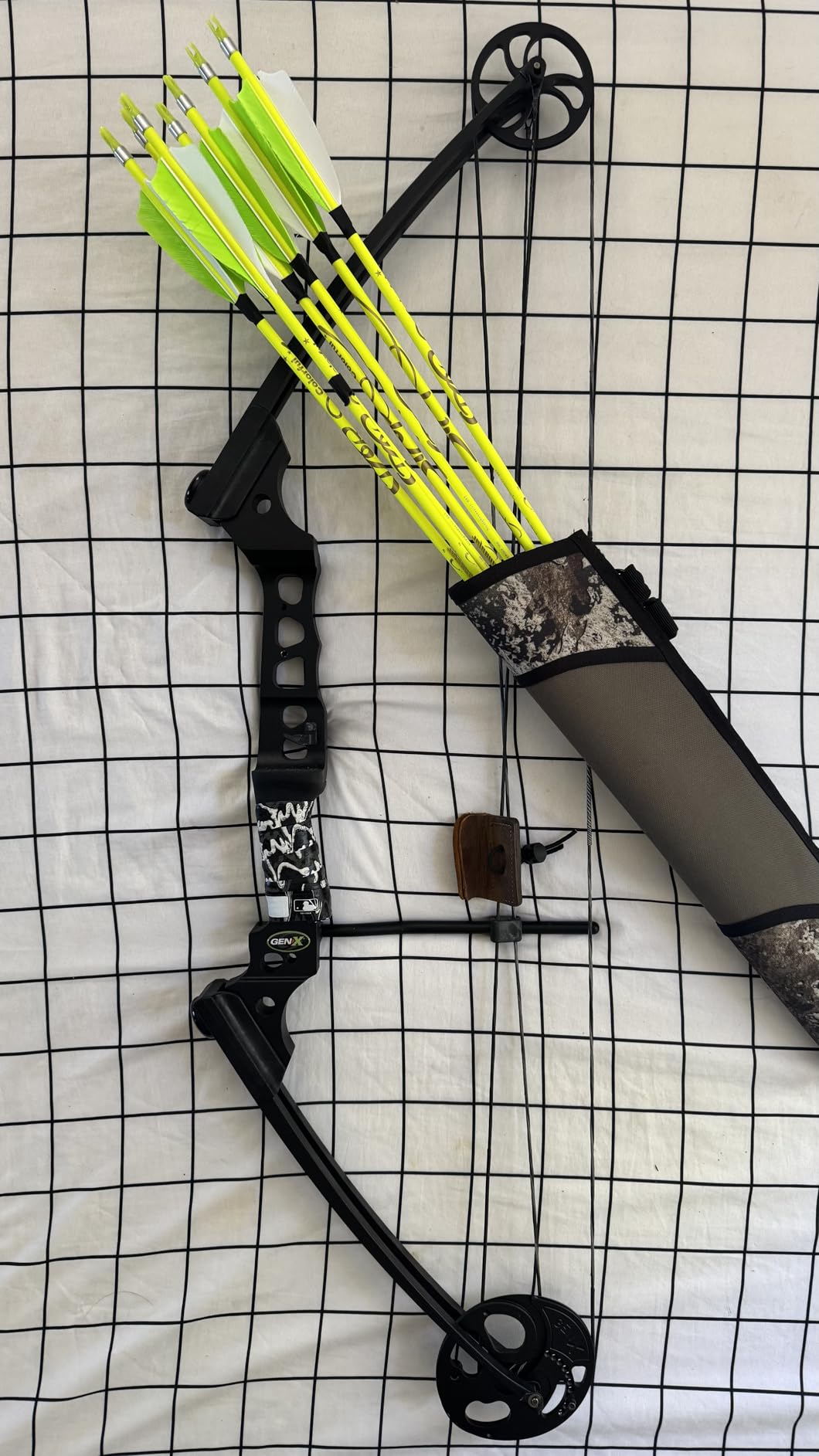
10. Genesis Gen-X: Best Compound Bow for Low Draw Weight Hunting
Genesis Archery Gen-X Lightweight Compound Bow, Draw Hand – Right, Black
Draw length 21-30 inch
Draw weight 25-40 lb
65 percent let-off
5 lb
6061-T6 riser
Pros
- Progressive let-off up to 65 percent makes holding and aiming easy
- Adjustable 21-30 inch draw length and 25-40 lb draw weight
- Light and well balanced even at 40 pounds
- Open to adding a sight peep and D-loop
- 40 pounds meets whitetail minimums in most states
Cons
- Bow only so string D-loop sight and arrows are added separately
- Not approved for NASP competition
- A small number of reports of breakage on the first pull
The Gen-X fills a gap no other bow here covers: a real hunting-capable draw weight in a light, forgiving, easy-to-hold package. Draw weight adjusts from 25 to 40 pounds and draw length from 21 to 30 inches, and at 40 pounds it meets whitetail minimums in most states.
The cam is a progressive let-off design delivering up to 65 percent let-off, which is a lower percentage than most bows in this roundup and means more holding weight at anchor. That gives you more feedback through the shot, and owners describe it as easy to hold and aim.
The riser is machined 6061-T6 aluminum with composite limbs, and the bow weighs 5 pounds. It is a traditional-style build that can be set up either conventionally or in compound configuration, which is unusual at this weight class.
Because it is bow only, you add the string, D-loop, sight and arrows yourself. Owners like the open platform for exactly that reason, and the wide mounting area accepts a sight and peep without modification.
What you should know before you choose it
Bow only means a real accessory list before the first shot: string, D-loop, release, sight, arrows and a target. Add a service visit if you have never set a compound up.
It is not approved for NASP competition, so do not buy it for a youth league program.
A small number of owners report breakage on the very first pull. Inspect everything before loading an arrow, and contact the manufacturer early if a limb or cam shows a defect.
Who it suits and who it does not
This suits an older shooter, or anyone returning to hunting after a shoulder or back issue who needs a lower draw weight than the 50 to 70 pound range. It also works for a teenager moving up from a youth bow.
It is the wrong pick for long-range target work, for anything requiring more than 40 pounds, and for anyone who wants a ready-to-shoot package on day one.
How to Choose a Compound Bow: Seven Steps Before You Buy
Every bow in this roundup can be adjusted, but they are not adjusted the same way, and the terms used to describe them are less precise than most marketing pages suggest. Here is the sequence that narrows ten options to one.
Step 1: Decide what the bow is for
Target, hunting and field use lead to different priorities. Hunting favors a moderate speed bow that is quiet and easy to hold in awkward positions. Target favors accuracy and adjustability of the sight and rest. A bow that does both competently exists, but you will give up a little in each direction compared with a dedicated design.
Step 2: Set a total budget, not a bow budget
Price tiers in this category are real, and the difference is mostly about riser material, machining quality and the range of adjustment offered. Entry bows here use cast or machined aluminum risers with wide adjustment ranges and no pressless tuning features. Mid-range bows add better components and a kit that includes usable sight and rest hardware. Flagship bows use lighter riser materials, refined draw cycles and named pressless tuning systems.
For most first-time buyers, the sensible approach is to spend a moderate amount on the bow and then spend properly on a sight and a good set of arrows, because those two items change your results more than any spec on the box.
Step 3: Get your draw length before anything else
Draw length is measured from the middle of the grip to the nock point plus roughly one and three-quarter inches. Most adult men fall between 28 and 31 inches, most adult women between 27 and 30, and many teenagers are well under 26. A bow whose minimum draw length is above your measurement is not usable, which is why the bows reaching 12 to 15 inches at the low end matter for smaller archers.
Do not guess. Have it measured at a shop, or measure an arm span as a rough starting point and adjust from there.
Step 4: Choose a draw weight you can hold
The common rule is to pick the heaviest weight you can draw and hold comfortably for at least ten seconds while aiming. For adults hunting deer, most states set minimums somewhere around 40 pounds with appropriate arrow weight, so 50 to 60 pounds is a common hunting setup. For target and indoor work, 40 to 50 pounds is plenty. For youth and older shooters, 15 to 35 pounds keeps the bow drawable and reduces strain.
Rising to a higher draw weight later is easy on every bow in this roundup because they all adjust without a press. Starting too heavy is hard on your shoulder, which is why buying heavy and stepping down is a common mistake.
Step 5: Read the let-off and hold weight numbers
Let-off is the percentage of draw weight released once you reach full draw. Higher let-off feels lighter at anchor but gives you less feedback about whether you are actually at full draw. Most bows here sit between 65 and 80 percent. The Genesis Gen-X at 65 percent gives the most holding weight and the most feedback, while the PANDARUS L1 at 75 percent is the middle of the pack.
Beginners often prefer high let-off because it feels easy. Experienced archers often prefer lower let-off because the draw cycle tells them more. There is no wrong answer, but you should know which one you are getting.
Step 6: Judge adjustability as the number one feature
For a first bow, the range of draw length and draw weight matters more than arrow speed. A bow that adjusts from 10 to 70 pounds, like the Bear Legit RTH, can serve a child and an adult and follow both of them as they grow. A narrow-range bow looks more premium and serves exactly one archer.
Also check that adjustments are made with the tools included. Every bow in this roundup adjusts without a press, which is a change from the category of a few years ago and removes the main reason beginners hesitate to buy a bare bow.
Step 7: Check hand orientation and warranty before you pay
Several of the bows here are right hand only, and the Sanlida models in particular are listed right hand only. If you shoot left handed, confirm the listing before anything else, because it removes options fastest.
Warranty length varies widely in this group, from 30 days on the Bear Royale to 90 days on the Bear Limitless, one year on several models, and a limited lifetime warranty on the main parts of both Sanlida bows. Longer coverage on parts that rarely fail is worth less than it sounds, so read what is actually covered.
What a New Compound Bow Still Needs Before You Can Shoot
The ready to hunt packages in this roundup remove most of the cost, but none of them remove all of it. This is the honest list of what a new owner typically still has to buy or budget for.
If you bought a full package such as the Dragon X8, the Dragon X7, the Bear Royale, the Bear Legit or the Bear Limitless, you already have a sight, an arrow rest, a peep, a quiver, a release and a set of arrows. What you usually still need is a target, a set of arrows matched to your draw weight if the included ones are light, and a stabilizer if the included one is short.
If you bought a bow only such as the SAS Feud or the Genesis Gen-X, you need a sight, an arrow rest or a release aid, a D-loop, a bow sling, arrows and a target. The D-loop is the piece most first-time buyers forget, and a bow with a string but no D-loop cannot be drawn safely.
Budget for service separately. A professional setup and tune on a new bow runs at many local shops and covers draw weight, draw length, string height, nock serving, rest alignment and a sight windage zero. On an adjustable bow you can do all of this yourself with an Allen wrench and a few hours, which is the practical advantage of everything in this roundup.
One more item people forget: a bow case and a bow stand are included on most packages here, but if you bought bow only, plan for those too before you carry the bow to a field.
First-Week Setup Checklist for a New Compound Bow
Almost every complaint in the reviews we read traces back to skipping one of these steps. None of them require a bow press, and doing them in order saves you from chasing a problem later.
1. Inspect before you draw. Open the case fully, check both limbs along their length for cracks or shipping damage, and look at the cams and string. The Diamond Edge 320 has documented reports of cam damage from thin packaging, so this step is not optional on any bow.
2. Set draw weight first. Turn the cams or limb bolts following the manufacturer’s direction, and change it in small steps. Too large a jump can skip a module or cross-thread a coated cam bolt, which is the fault reported by some PANDARUS L1 owners.
3. Set draw length second. With draw weight in place, adjust the draw length module in small increments until your anchor feels consistent. Draw length and draw weight interact, so if you change one, recheck the other.
4. Set string height and the draw stop. This is the adjustment most often skipped. Shooter feedback and the string indicator window tell you whether the bow is sitting correctly, and a bow with a high string will feel rough no matter how good the rest of the setup is.
5. Align the rest, then the sight. Align the rest to the sight pin rather than the other way around, and use the vertical and horizontal adjustment on the sight to zero in on your target at ten yards before moving back.
6. Match your arrows. Shoot the included arrows first to confirm the bow is functioning, then buy field points or target points matched to your actual draw weight. Do not put heavy broadheads on a bow until the arrow spine and draw weight are matched.
7. Shoot a tuning group at 30 yards. Three arrows is enough. If they group tightly, you are tuned. If they scatter, check string height and rest alignment before changing anything else.
Frequently Asked Questions
What is considered the best compound bow right now?
In this roundup the Sanlida Dragon X8 RTH is the strongest all-round choice because it adjusts from 18 to 31 inches of draw length and zero to 70 pounds of draw weight without a bow press, arrives with a complete kit, and carries the most owner feedback of any bow we reviewed. If you need a shorter draw length, the Bear Archery Royale RTH goes down to 12 inches. If you need zero tuning, the Genesis Original is simpler than anything else here.
What is the best compound bow for a total beginner?
For a first bow choose a package that includes a sight, a rest and arrows, with wide adjustment and no press required. The Dragon X8 RTH and the Bear Legit RTH both fit that description and cover an adult through a growing teenager. For a child starting out, the Bear Royale RTH adjusts down to a 12 inch draw length and 5 pounds, which is the part most first bows get wrong.
How do I choose a compound bow draw weight?
Pick the heaviest weight you can draw and hold at full draw for at least ten seconds while aiming. Adult deer hunters usually land between 50 and 60 pounds, target archers between 40 and 50, and youth or older shooters between 15 and 35. Starting too heavy stresses the shoulder, and because every bow in this roundup adjusts without a press, you can always step the weight up later.
What draw length do I need for a compound bow?
Measure from the middle of the grip to the nock point and add about one and three-quarter inches. Most adult men fall between 28 and 31 inches and most adult women between 27 to 30, while many teenagers measure under 26. Check the minimum draw length of any bow before buying, because a bow that cannot reach your measurement is unusable no matter how good the rest of its specs are.
How fast does a 70 pound compound bow shoot an arrow?
A 70 pound compound bow typically launches an arrow in the range of 290 to 320 feet per second depending on arrow weight and model, with the highest published figures in this roundup sitting at 320 fps. Published IBO speed figures are measured to a standard, so real bow speed will be lower with heavier arrows. For deer and elk hunting you need far less than this, and accuracy matters more.
Are Bear and Diamond bows as good as Mathews and Hoyt?
For what they are built to do, yes. The Bear and Diamond bows in this roundup are narrower in scope but they are genuinely adjustable, they hold a tune, and owners report consistent accuracy. Where the flagship brands differ is riser material, draw cycle refinement and pressless tuning systems, which matter most to competitive and long-distance shooters. For most hunting and beginner use the difference is far smaller than the price gap suggests.
What is the difference between a flagship and a budget compound bow?
A flagship bow typically uses a lighter machined riser, offers named pressless tuning systems, and is set up for a narrower fit range. A budget or entry bow uses heavier aluminum components, provides a very wide draw length and draw weight range, and often bundles a sight and rest so it is usable immediately. Entry bows are often better for a first purchase because adjustability matters more at that stage than refinement.
Do I need a bow press to tune a compound bow?
Not for any bow in this roundup. All ten adjust draw weight and draw length with the included tools and no press, and string height plus nock serving can be handled at home with hex keys as well. A press is only needed for work that pulls the limbs, such as some limb replacements or major cable work. If a local shop offers a setup and tune, it is still worth having done once if you have never tuned a bow.
What is a good compound bow for a youth archer?
Look for a low minimum draw weight, a short minimum draw length and a light bow weight. The Bear Royale RTH covers 12 to 27 inches and 5 to 50 pounds at 2.7 pounds bow weight, and the Genesis Original covers 15 to 30 inches and 10 to 20 pounds with a single cam that needs no tuning and produces almost no recoil. For older teens heading toward hunting, the Bear Legit RTH stretches to 70 pounds.
Is a lower cost compound bow any good for hunting deer?
Yes, provided it can reach a draw weight your state requires and the arrow weight matches. Most deer hunting minimums sit around 40 pounds, so bows like the Genesis Gen-X at 25 to 40 pounds and the Bear Legit RTH at 10 to 70 pounds both work. Buy a proper set of field points and broadheads matched to your draw weight, and avoid putting heavy tips on a bow you have not verified at that weight.
Is buying a used compound bow a good idea?
It can be, if the string and cables are in good condition and the bow has been stored dry. Owners on archery forums regularly note that used bows can be had for far less than new and still shoot well. The two things to check are limb condition and whether the bow was ever pressed, and you should budget a service visit and a new string before the first shoot. A wide-range entry bow new may serve a growing archer better than a used narrow-range one.
Which Compound Bow Should You Buy in 2026?
Start from your profile rather than from a brand. If you are buying a first compound for yourself and want one bow that adjusts as you get stronger, the Sanlida Dragon X8 RTH is the pick, and it is our Editor’s Choice for exactly that reason. If you are buying for a child, the Bear Royale RTH reaches the shortest draw length and lowest draw weight in the roundup, and the Genesis Original is the simplest and best rated option for indoor and league shooting.
If you are building a hunting setup and already own a sight, the Diamond Archery Edge 320 gives you the fastest published speed and a tune that holds. If you are an experienced shooter who wants a bare frame to build on, the SAS Feud covers target, field and hunting without a press. For an older shooter or anyone returning after an injury, the Genesis Gen-X holds 40 pounds with a low 65 percent let-off that keeps you connected to the shot.
Narrow these ten down to two or three, then go and draw them. Draw weight, draw length and the feel of the draw cycle at full draw can only be judged in person, and a bow that feels wrong in the shop will feel wrong in the field. Whatever you choose, work through the first-week checklist before you put an arrow on a deer, and re-measure your draw length and draw weight before you buy any of the add-on gear.