
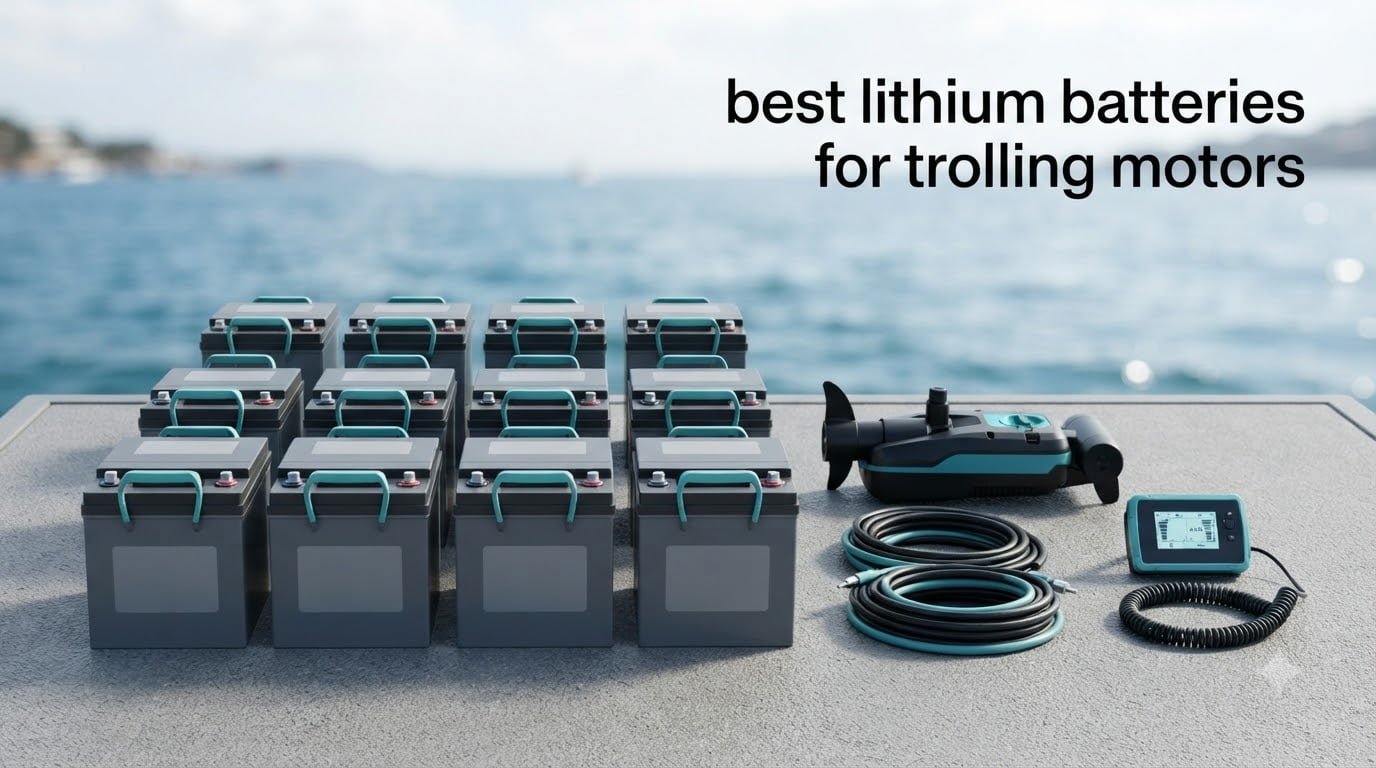
The best lithium batteries for trolling motors all come down to one variable: your motor’s system voltage. A 12V setup running a 30-55 lb thrust motor wants a single Group 24 or Group 31 pack, a 24V setup feeding an 80-100 lb thrust motor wants a 24V 100Ah, and a 36V tournament rig wants a 36V bank. Chemistry is the other half of the answer, and for marine duty it should always be lithium iron phosphate (LiFePO4), not NMC or any other lithium variant.
LiFePO4 packs deliver roughly 90-100% of rated capacity before they need a charge, where flooded lead-acid gives you about half. They run 3,000-5,000 rated deep cycles, hold a flatter voltage curve through discharge so your motor keeps full thrust, and weigh around half what the lead batteries they replace do. That weight difference is not a spec-sheet curiosity either. Every 100 lbs you take out of the back of a bass boat changes how the boat planes and how hard the jack plate works.
Below I compared 12 LiFePO4 packs across LiTime, Redodo, OGRPHY, Timeusb, Power Queen, DC HOUSE and a handful of direct-import brands, weighing group-size fit, continuous and peak discharge, Bluetooth depth, low-temperature cutoffs and warranty length. Every pick here is lithium-only, because that is the chemistry question the category now turns on, and every runtime figure is honest about the gap between a spec sheet and a real fishing day.
One more thing before we start. Anglers argue about runtime more than anything else, and the disagreement comes from how manufacturers advertise. Specs are calculated at maximum amp draw, which almost nobody experiences. The more useful number is what you get when you are actually moving through water, and I come back to that in the runtime section below.
Table of Contents
Top 3 Picks for the Best Lithium Batteries for Trolling Motors (October 2026)
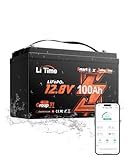
LiTime 12V 100Ah TM LiFePO4
- 1280Wh Group 31 pack
- 4000 deep cycles
- Bluetooth app with discharge control
- Low-temp charging cutoff

Redodo 12V 100Ah Group 31
- 4000 cycles at 100% depth
- 100A BMS
- 23-page manual
- Fits standard Group 31 boxes

OGRPHY 36V 100Ah 200A BMS
- 3.84kWh capacity
- 200A continuous and 1000A peak
- 25A onboard charger included
- LCD monitor plus app
Best Lithium Batteries for Trolling Motors in 2026: Quick Overview
Twelve packs, grouped by the job they do. Voltage and group size matter more than any other spec because a battery that does not physically fit your tray or match your motor’s voltage is a non-starter, regardless of what the label claims.
| Product | Specifications | Action |
|---|---|---|
| LiTime 12V 100Ah TM LiFePO4 |
|
Check Latest Price |
| Redodo 12V 100Ah Group 31 |
|
Check Latest Price |
| OGRPHY 36V 100Ah 200A BMS |
|
Check Latest Price |
 Timeusb 36V 50Ah Timeusb 36V 50Ah |
|
Check Latest Price |
 yeagulch 24V 100Ah yeagulch 24V 100Ah |
|
Check Latest Price |
 LiTime 12V 50Ah TM LiTime 12V 50Ah TM |
|
Check Latest Price |
 SUPER EMPOWER 12V 100Ah Group 24 SUPER EMPOWER 12V 100Ah Group 24 |
|
Check Latest Price |
 DC HOUSE 12V 100Ah Bluetooth DC HOUSE 12V 100Ah Bluetooth |
|
Check Latest Price |
 Redodo 36V 50Ah Group 31 Redodo 36V 50Ah Group 31 |
|
Check Latest Price |
 Power Queen 12V 50Ah Power Queen 12V 50Ah |
|
Check Latest Price |
 HeyFuture 12V 100Ah Bluetooth HeyFuture 12V 100Ah Bluetooth |
|
Check Latest Price |
 BUKNUWO 12V 100Ah Bluetooth BUKNUWO 12V 100Ah Bluetooth |
|
Check Latest Price |
1. LiTime 12V 100Ah Trolling Motor LiFePO4 Battery: Best Overall
Litime 12V 100Ah Trolling Motor LiFePO4 Battery for Marine, Boat, Yacht
12.8V 100Ah
1280Wh
Group 31 footprint
22.2 lbs
4000 deep cycles
5 year warranty
Pros
- Half the weight of the lead batteries it replaces
- Bluetooth app with accurate state of charge and discharge toggle
- Users report returning with 70 percent or more still showing
- Terminal hardware and wrench included
- Responsive support replaced a dead-on-arrival pack
Cons
- Needs a lithium or MPPT activation charge before the app connects
- Long charge times from deep discharge
- Some packs arrive asleep and need a wake-up charge
- Not for engine starting
This is the pack I put in front of anyone who just wants one battery that handles a whole season of a mid-size bass boat. It weighs 22.2 lbs in a Group 31 footprint, so it drops straight into a standard marine battery box without moving anything else in the boat. That combination of fit and capacity is why it anchors my list.
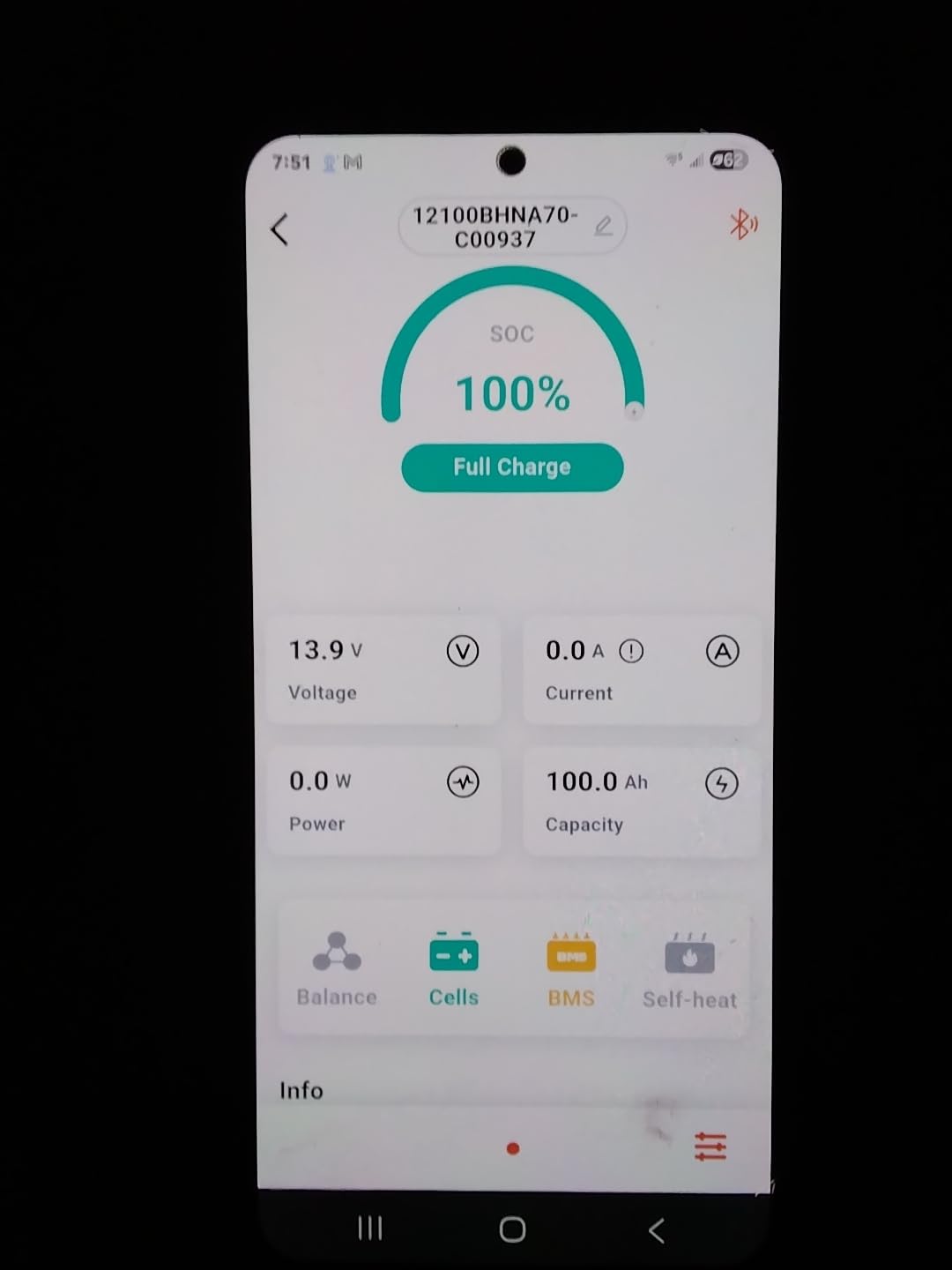
The Bluetooth app is the part that changed how I fish. It reports state of charge accurately under trolling load, and the discharge toggle lets me cut the pack remotely, which means I no longer have to run the motor dry to a BMS cutoff while trying to hold position on a ledge. One caveat worth knowing before day one: the app will not connect until the battery has been through a lithium or MPPT activation charge, so budget an evening with the charger before you launch.
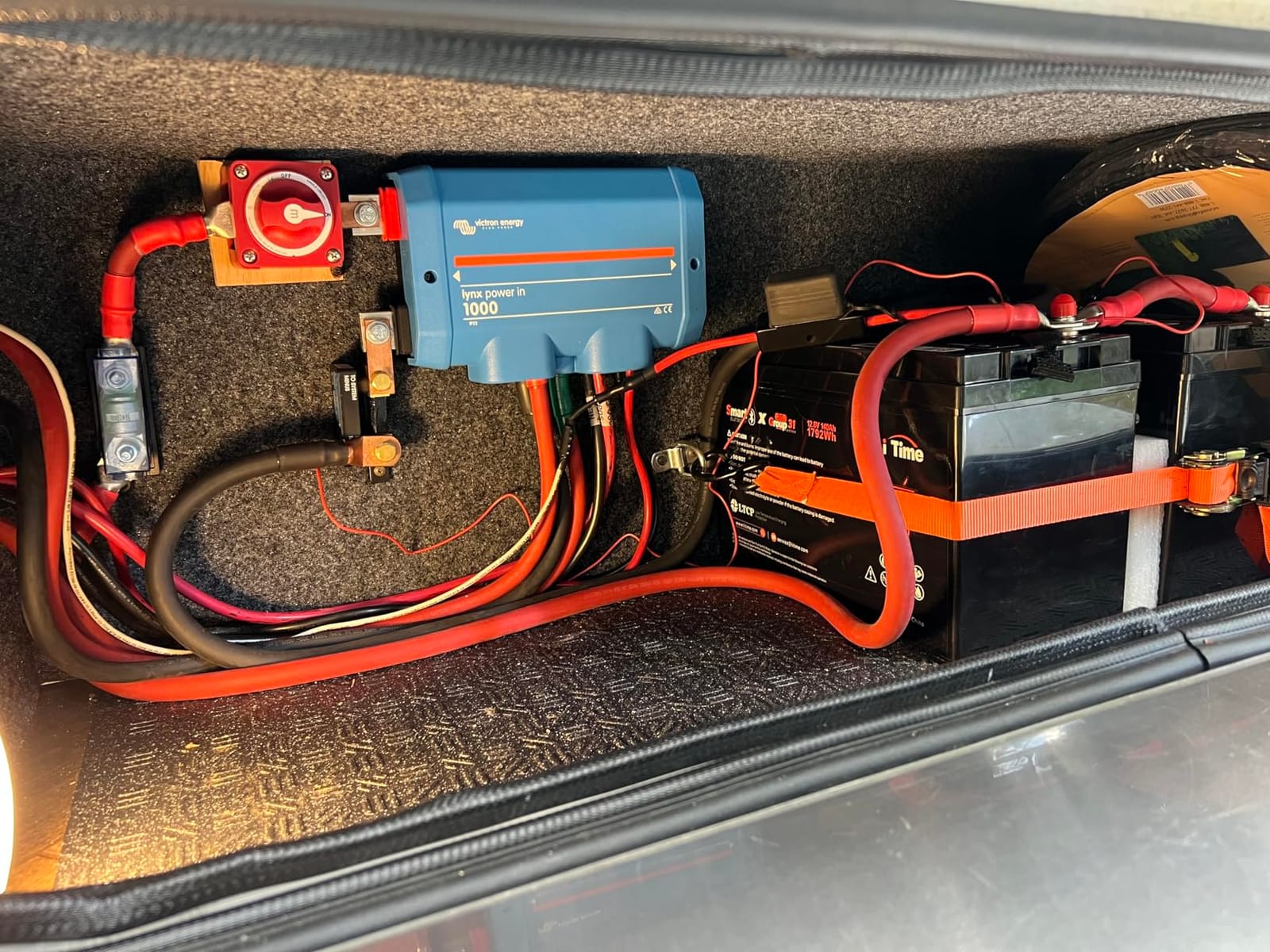
The numbers hold up under load. At 1280Wh and 4000 rated deep cycles at 100% depth of discharge, this is a genuine deep cycle marine battery rather than a thinly disguised backup pack. Reviewers consistently report coming back from multi-hour runs with more than 70% still showing, which is the behavior you want from a flatter discharge curve.
The housing is dustproof, IP65 rated and salt-resistant, so it handles a wet transom or a saltwater rinse without complaint. It also expands to 4P4S, which means you can grow a 12V system into a 51.2V 400Ah house bank later without changing platforms.
What to check before you buy
Measure your battery box, not just the advertised group size. This pack measures 13 x 6.77 x 8.5 inches, which is Group 31 territory, and some Group 27 boxes are too small to take it without a swap. Confirm the tray has room for the cable lugs too, since the included M8 hardware is chunky.
Check your charger. Lead-acid chargers are not suitable for this chemistry, and a partially charged LiFePO4 pack will read a confusing state of charge on any old shunt-type gauge. If you are still on an AGM charger, budget for a replacement before your first trip.
Who should skip it
Skip this if you need to start an outboard from the same bank. It is explicitly not a starting battery, and cranking amps are not something a 100Ah deep cycle pack is designed to deliver. Anglers with an electric outboard or a gas motor need a separate cranking battery or a dedicated dual-purpose lithium pack.
Also skip it if you fish deep cold water and expect to recharge on the way home. Charging stops below 32F, and while that protection is the right call for the cells, it does mean a northern January trip ends with a pack sitting at partial charge until it warms up.
2. Redodo 12V 100Ah Group 31 LiFePO4 Battery: Best Value
Redodo 12V 100Ah LiFePO4 Battery, Group 31, for RV, Marine
12.8V 100Ah
Group 31 at 22.04 lbs
4000 cycles at 100% DOD
23-page manual
5 year warranty
Pros
- About 60 percent lighter and 5 percent smaller than lead-acid
- Usable capacity roughly five times higher for the same weight
- 4000 cycles at 100% depth and 6000 at 80 percent
- Plain-English manual with diagrams
- Helpful support including warranty replacements
Cons
- Group 31 case is larger than Group 27 boxes
- Needs a LiFePO4 or MPPT charger
- Some packs stopped charging around year three or four
- Warranty resolution can be prorated instead of replaced
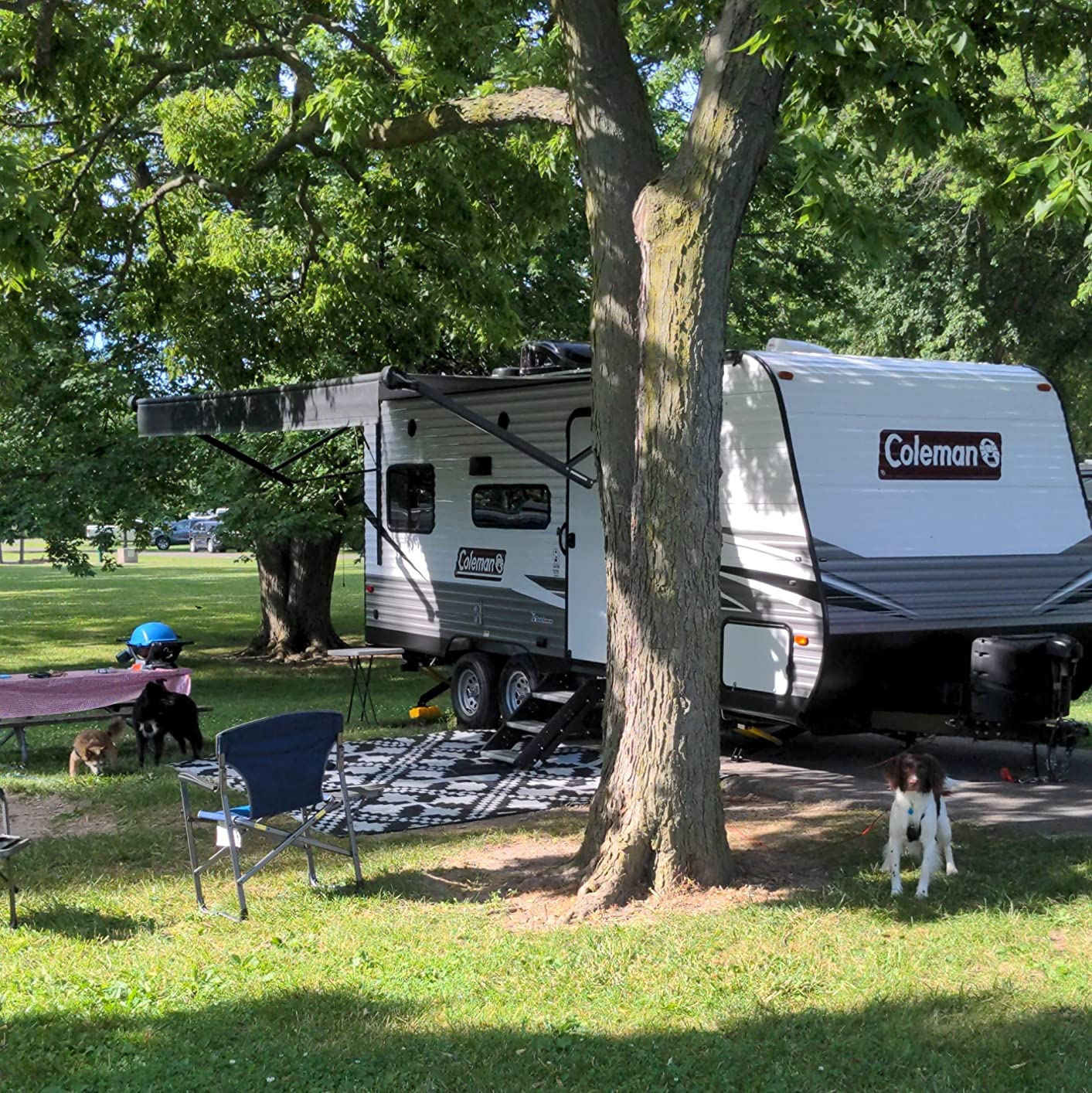
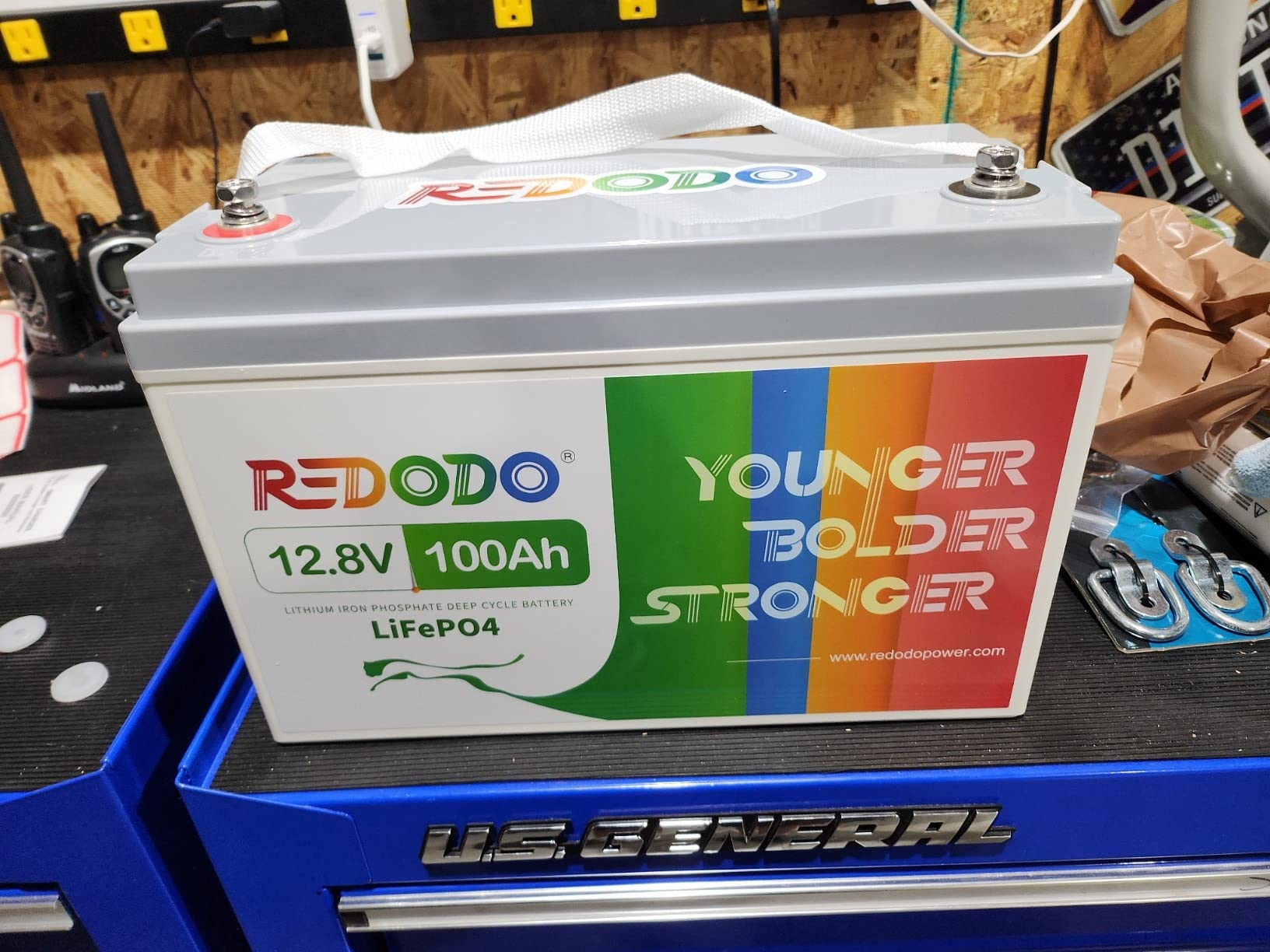
This is the highest-reviewed pack in the set at 936 ratings, and the reason is simple: it does the standard 12V 100Ah job properly, fits the standard footprint, and ships with a manual that actually explains the battery. Redodo recommends it for 30-70 lb thrust trolling motors, which covers the majority of the market.
At 22.04 lbs it is a touch heavier than the LiTime pack but identical in footprint at 12.99 x 6.82 x 8.46 inches, so the two are direct swaps. Cycle ratings are tiered usefully: 4000 cycles at 100% depth, 6000 at 80%, and 15000 at 60%. If you are the type who keeps the battery between 40 and 80% rather than running it flat, that middle number is the honest one to plan around.
The 100A BMS covers overcharge, over-discharge, over-current, short circuit and high temperature, and cells self-discharge at roughly 3% a month, so a pack sitting in a garage over the winter will not be flat when you pull it out. Self-discharge rate matters more than most buyers think for anyone fishing a seasonal boat.
Long-term owners running three-plus years report strong performance across trolling motors, RV use and solar builds, and frequently compare it favorably to premium brands. The recurring complaint is not performance but the paperwork: a few packs stopped charging around the three-to-four-year mark, and warranty resolution sometimes arrives as a prorated discount rather than a straight replacement.
What to check before you buy
Group 31 is bigger than Group 27. If your boat has a smaller battery box, this will not drop in and you will be measuring and possibly relocating. Expansion to 4S4P is supported, so a 12V starter setup can become a 51.2V house bank later.
Read the warranty terms before you buy, not after. Prorated replacement after four years is a real possibility, so if you keep boats past five seasons, weigh that against a longer service commitment elsewhere in this list.
Who should skip it
Skip it if your existing charger is a lead-acid type. There is no path to a full charge with old equipment, and a half-charged LiFePO4 pack will confuse every downstream gauge on the boat.
Skip it if you need cranking capability for an outboard. This is a deep cycle pack only, and pairing it with a starter means you are carrying two batteries and the wiring to match.
3. OGRPHY 36V 100Ah Lithium Battery: Best for 36V All-Day Power
OGRPHY 36V Lithium Battery, 3.84KWh Golf Cart Batteries with 200A BMS, 25A Lifepo4 Battery with Charger, 1000A Peak Current Perfect for Golf Cart, Solar, Trolling Motor(100AH)
38.4V 100Ah
3.84kWh
63.5 lbs
200A continuous,1000A peak
25A charger included
Pros
- 200A continuous and 1000A peak discharge
- 3.84kWh gives genuine all-day runtime
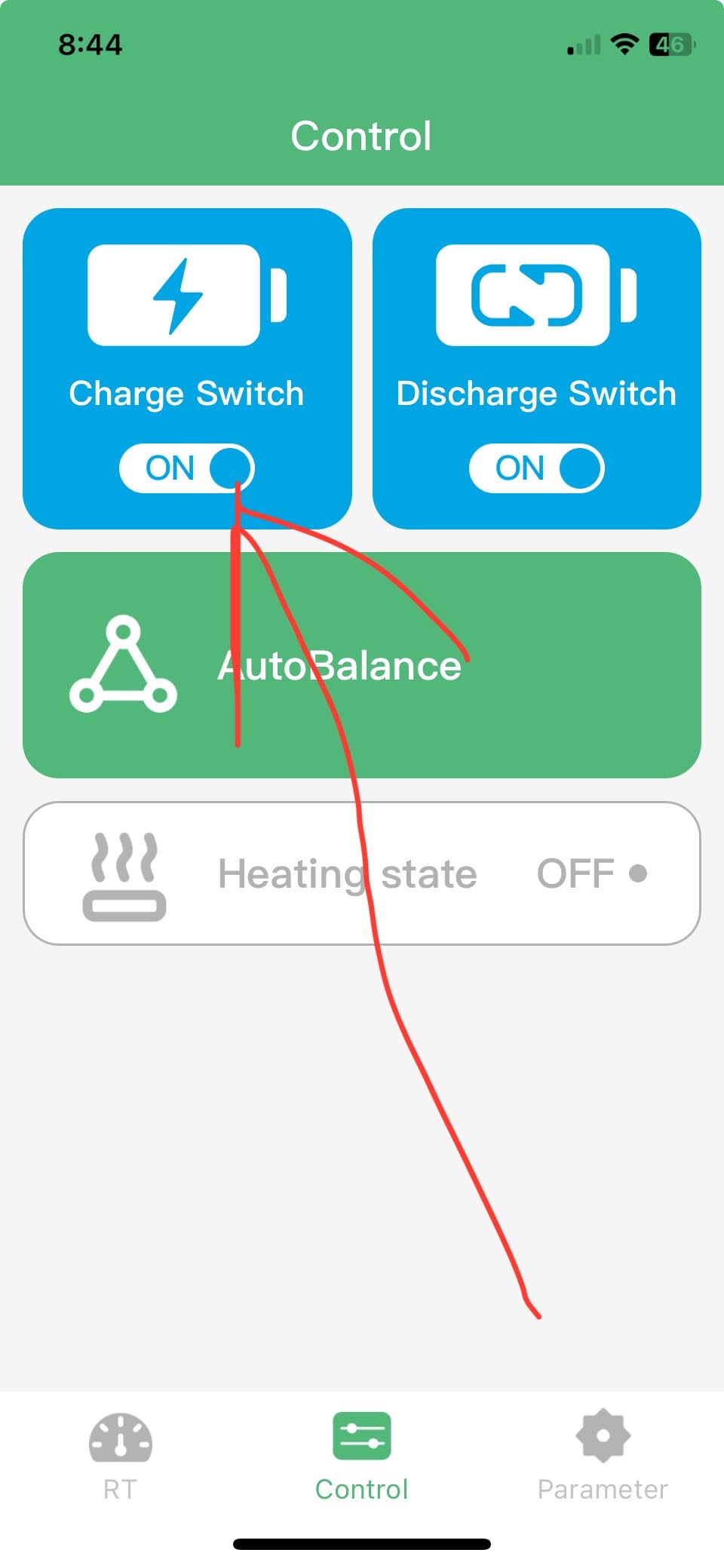
- Bluetooth app plus included LCD monitor
- Replaces six flooded 6V batteries
- Includes 25A onboard LiFePO4 charger with 0V wake-up
Cons
- Needs a golf cart style battery bay and possible tray trimming
- Old shunt-style state of charge meters read inaccurately
- LCD display needs an inline adapter and is not weather-sealed
- Heavy at 63.5 lbs
If you are running a 36V system and you are done assembling banks of smaller batteries, this is the single-pack answer. At 3.84kWh it is roughly three times the energy of a 36V 50Ah, and the 200A continuous BMS rating has the headroom for a 100-120 lb thrust motor without browning out.
Owners consistently report a dramatic change in speed, range and weight after swapping six lead-acid batteries for this one pack, with weight savings in the region of 300 lbs. That is a completely different boat. The measured 3kW golf motor 30-mile range claim also tells you something useful about sustained output, because a trolling motor is far less demanding than a golf motor.
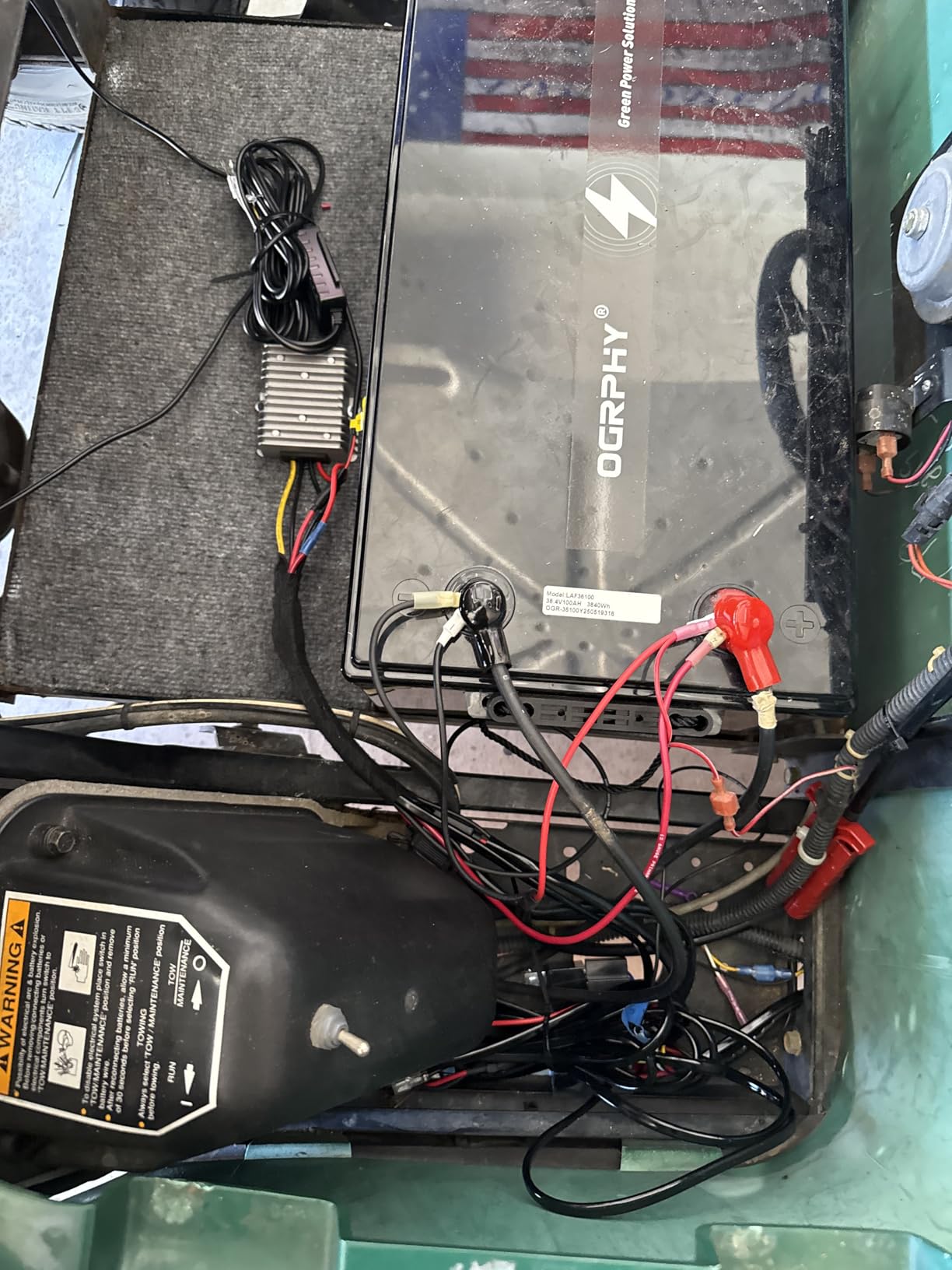
The 38.4V 25A LiFePO4 charger is included, which removes the single most common source of frustration with a large pack. Having a matched onboard charger with a 0V activation function means the battery can be revived from a fully asleep state instead of being written off.
Cells are rated Grade A for 5000+ deep cycles and a 10-year service life, and internal resistance is listed at 10 milliohms, low enough that voltage drop under high current stays small. Peak handling is 1000A for three to five seconds and 300A for 32 seconds, plenty for the startup surge a large prop and heavy boat produce.
What to check before you buy
Measure the bay. The case is 10.6 x 20.4 x 8.6 inches and is shaped for a golf cart battery bay, so some installations need minor tray trimming. This is not a Group 24 or Group 31 footprint and it will not land in a standard trolling motor box.
Plan for 63.5 lbs in one spot. That is heavy, and while it is a fraction of six lead batteries, a single dense mass needs secure strapping. Also plan on the LCD monitor needing an inline adapter and not being weather-sealed, so mount it somewhere protected.
Who should skip it
Skip it if your boat is a 12V or 24V system. Nothing here converts down, and a 36V pack on a 12V motor simply will not engage. Match the voltage exactly.
Skip it if you rely on an old shunt-type state of charge meter. LiFePO4’s flatter discharge curve plays badly with those meters, and the reading drifts badly across the top of the charge. Use the app or the included LCD instead.
4. Timeusb 36V 50Ah Lithium Battery: Best for Saltwater Boats
Timeusb 36V 50Ah Lithium LiFePO4 Battery for Marine, Trolling Motor, Rv
38.4V 50Ah
1920Wh
33 lbs
50A continuous,250A peak
IP65 housing
Pros
- Purpose-built for 100-120 lb thrust motors
- 33 lbs is roughly a third of a comparable lead bank
- 50A steady discharge with 60A sustained for 30 minutes
- IP65 housing resists salt spray and humidity
- Good written manual and knowledgeable support
Cons
- Not a starting battery for outboards or golf carts
- Charging blocked below 32F and resumes above 41F
- Some 100Ah variants criticized for missing low-temp protection
This is the saltwater pick, and the reason is the housing rather than the capacity. The IP65 marine-grade shell is built to resist salt spray, humidity and water ingress, which is the environment that eats terminals and tray hardware in a year or two of offshore use.
It is specified for 100-120 lb thrust trolling motors from Minn Kota, Newport Vessel and PEXMOR, and the discharge profile is honest about that: 50A continuous, 250A peak, and 60A sustained for 30 minutes. At 1920Wh and 33 lbs it delivers 36V performance without the mass of a lead bank.
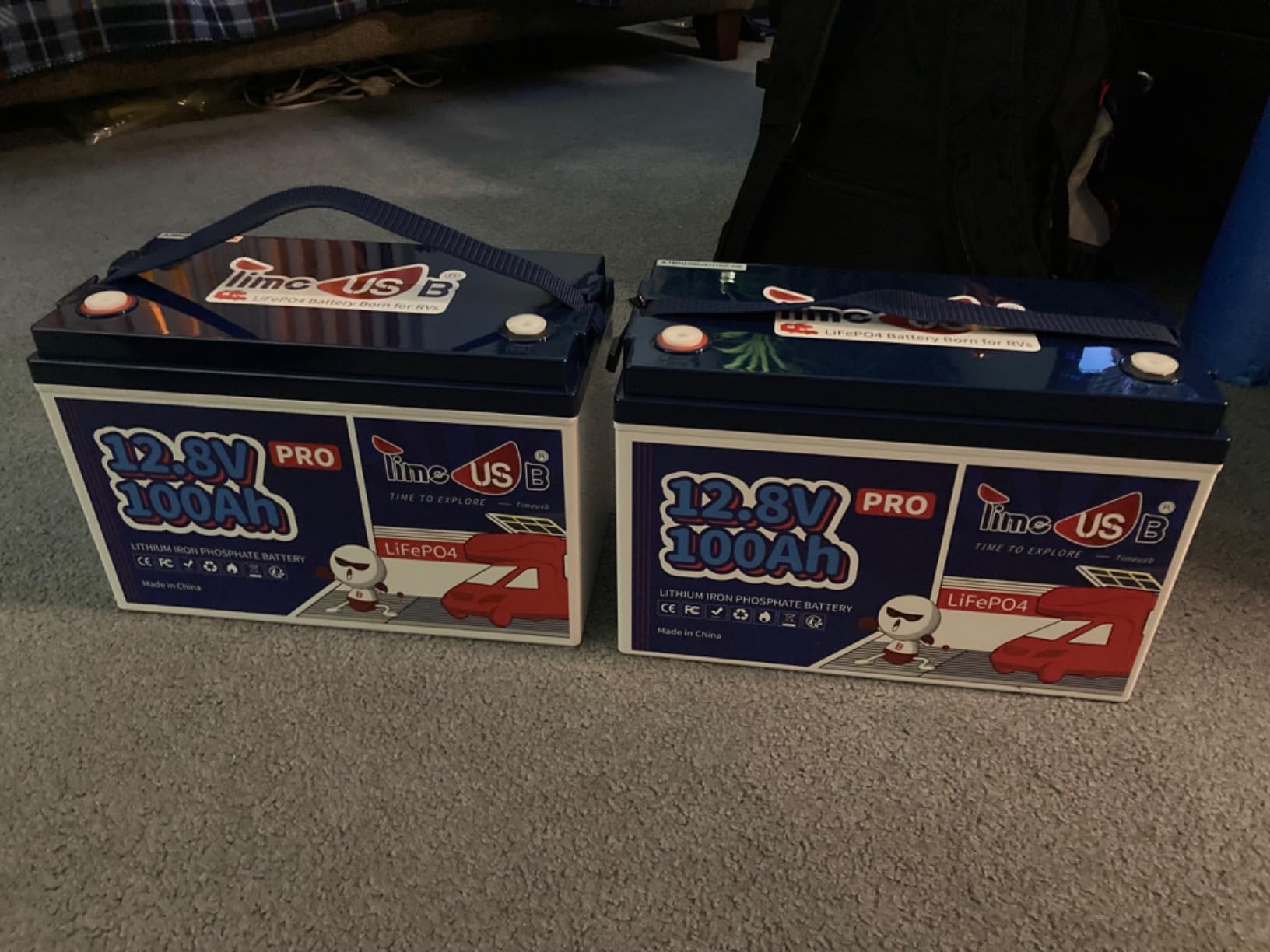
One commercial operator runs 16 of these on a trawler solar system without issue, which is a better durability signal than any cycle claim on a box. Reviewers also highlight the value against premium marine brands of the same output.
Cold-weather behavior is standard: charging is blocked below 32F and only resumes above 41F, while discharge is allowed down to -4F. In practice that means you can fish a cold morning on a charged pack, but you cannot top it up until the battery warms past 41F.

What to check before you buy
Confirm your 36V bank is actually a 36V bank. If your motor runs on three 12V batteries in series, this replaces all three at once and you remove two jumper runs from the wiring. Confirm the motor’s controller is happy with a single 36V source.
Check your runtime math before buying. 1920Wh is about half of the OGRPHY pack above, and on a tournament bass boat that is the difference between a full day and a long morning.
Who should skip it
Skip it if you need to start an outboard from the same battery. The manufacturer is explicit that it is not a starting battery, not for golf carts and not for lawnmowers.
Skip it if you fish in genuine sub-zero conditions and expect to recharge on the trip home. The cold cutoff is there for good reason, and it is a real limitation until the pack warms up.
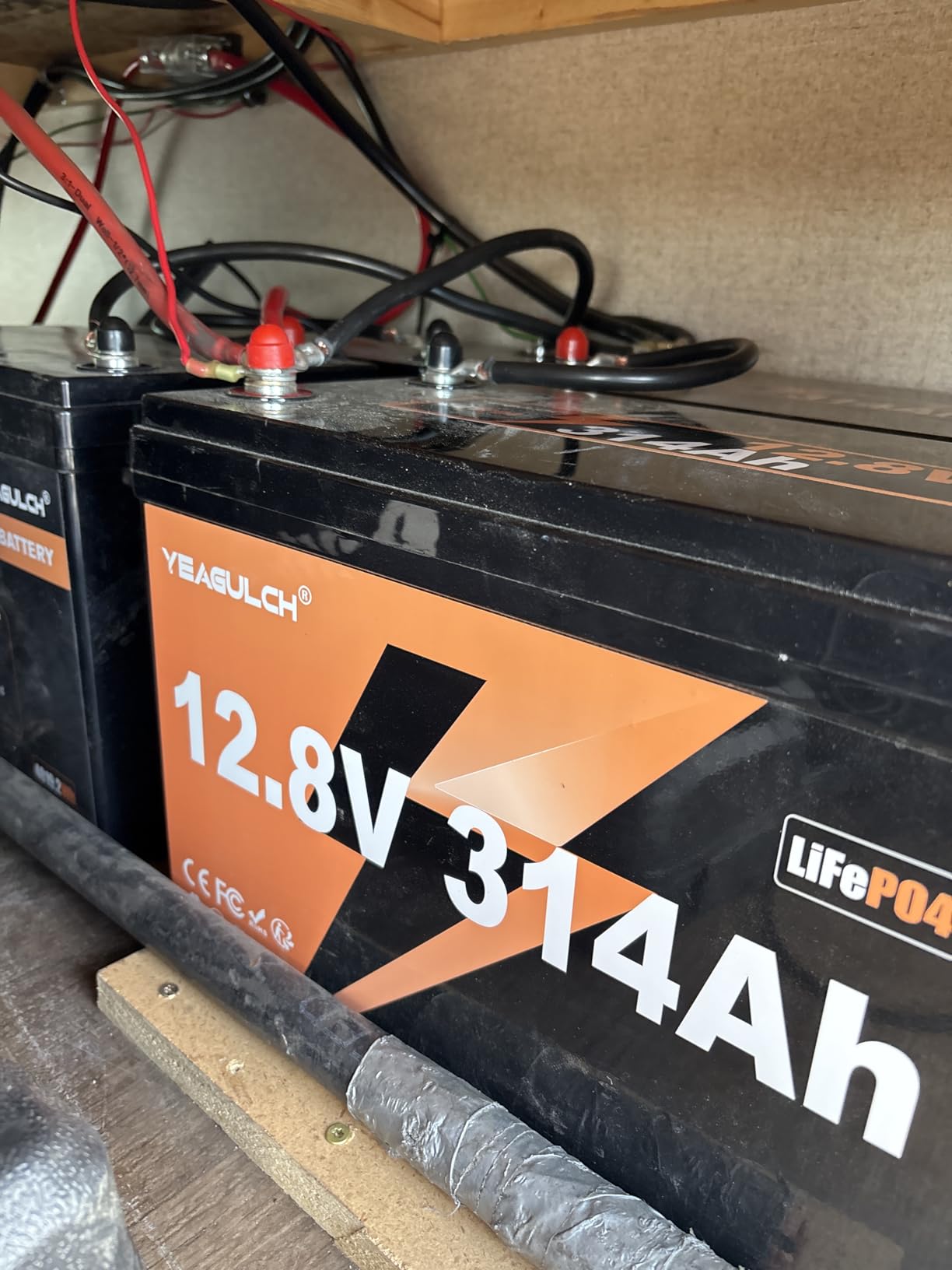
5. yeagulch 24V 100Ah LiFePO4 Battery: Best for 24V Systems
24V 100Ah LiFePO4 Lithium Battery with 100A BMS 2560Wh 15000+ Deep Cycles
25.6V 100Ah
2.56kWh
100A BMS
4000 cycles at 100% DOD
18.9 kg
Pros
- 24V architecture cuts current draw and wiring losses versus 12V
- About one third the weight of comparable deep-cycle lead
- Bench tests returned capacity at or near the advertised rating
- BMS cuts off cleanly on over-discharge and recovers on charger connection
- Runs 80 lb thrust motors across multiple outings
Cons
- No Bluetooth and no built-in meter so an external monitor is required
- Some packs failed a few days after arrival
- Not for engine cranking
This is the answer for the angler with an 80 lb thrust motor on a 24V system, and the physics behind it is the selling point. A 24V architecture moves the same power at half the current of a 12V system, which means lower cable losses, smaller wiring and less voltage drop at the motor.
Reviewers confirm real capacity when bench-tested, which is not a given at this price. At 2.56kWh you have roughly double the energy of a 12V 50Ah pair in series, and the 100A BMS handles overcharge, over-discharge, over-current, short circuit and temperature extremes.
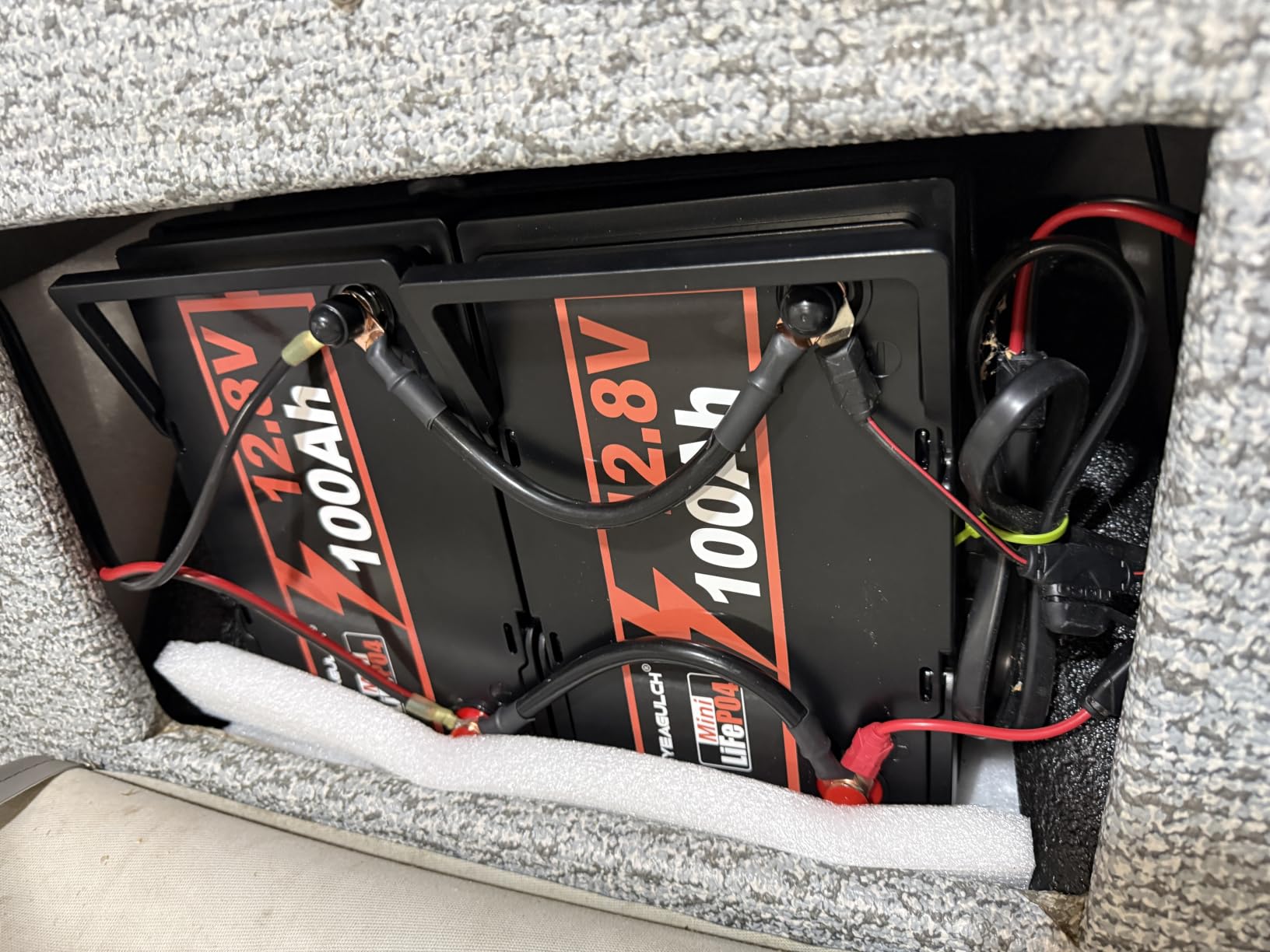
Cycle math is the same tiered structure the Redodo 12V uses: up to 4000 cycles at 100% depth and about 15000 at 60% depth. A pontoon angler running this on an 80 lb thrust motor reports multiple outings without recharging.
The trade-off is monitoring. There is no Bluetooth and no built-in meter here, so you need an external battery monitor to know where you stand. Several dedicated forum threads exist purely because anglers find LiFePO4 state-of-charge readings confusing, and a pack with no readout at all pushes that burden entirely onto you.
What to check before you buy
Check whether your charger handles 24V LiFePO4. Many marine chargers do not, and this pack is an energy-storage deep-cycle design, not a cranking battery. A dedicated lithium or MPPT charger is the right pairing.
Check the weight plan. It is listed at 18.9 kg, which is a single dense mass to secure in a bass boat. Strap it properly and confirm the tray is rated for the load.
Who should skip it
Skip it if you want app-based monitoring, because the absence of Bluetooth is the most common complaint in the reviews. A separate monitor solves it but adds cost and another failure point.
Skip it if you need to start an engine. This is not a cranking battery, and pairing it with an outboard means two batteries and a battery selector.
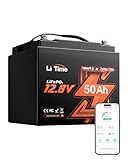
6. LiTime 12V 50Ah Trolling Motor LiFePO4 Battery: Best for Kayaks
LiTime 12V 50Ah Trolling Motors LiFePO4 Lithium Battery for Fish Finder
12.8V 50Ah
640Wh
11.3 lbs
60A continuous discharge
Bluetooth 5.0
Pros
- Only 11.27 lbs
- roughly one sixth the weight of a 12V 100Ah lead battery
- App shows remaining capacity without pairing while fishing
- Owners finish multi-day kayak trips with charge left
- Takes rough handling in a hull and charges quickly
- 60A continuous discharge sustains peak motor thrust
Cons
- Bluetooth reading unreliable for very low draws like dashcams
- Needs an activation or MPPT charge before the app connects
- Refund handling for failed packs is slow and requires return shipping
- Some packs stopped charging within months
For a kayak, a small jon boat or an inflatable SUP, this is the pick. At 11.27 lbs it is light enough to lift into a hull one-handed, and 640Wh is enough for a full day on a 30-55 lb thrust motor without dragging a second battery.
The 1.2C continuous discharge rate, which works out to 60A, is unusually high for a 50Ah pack and it matters. Small motors pull hard spikes when you punch through a wake or back down current, and a pack that folds under those spikes feels slow in a way a bigger battery does not.
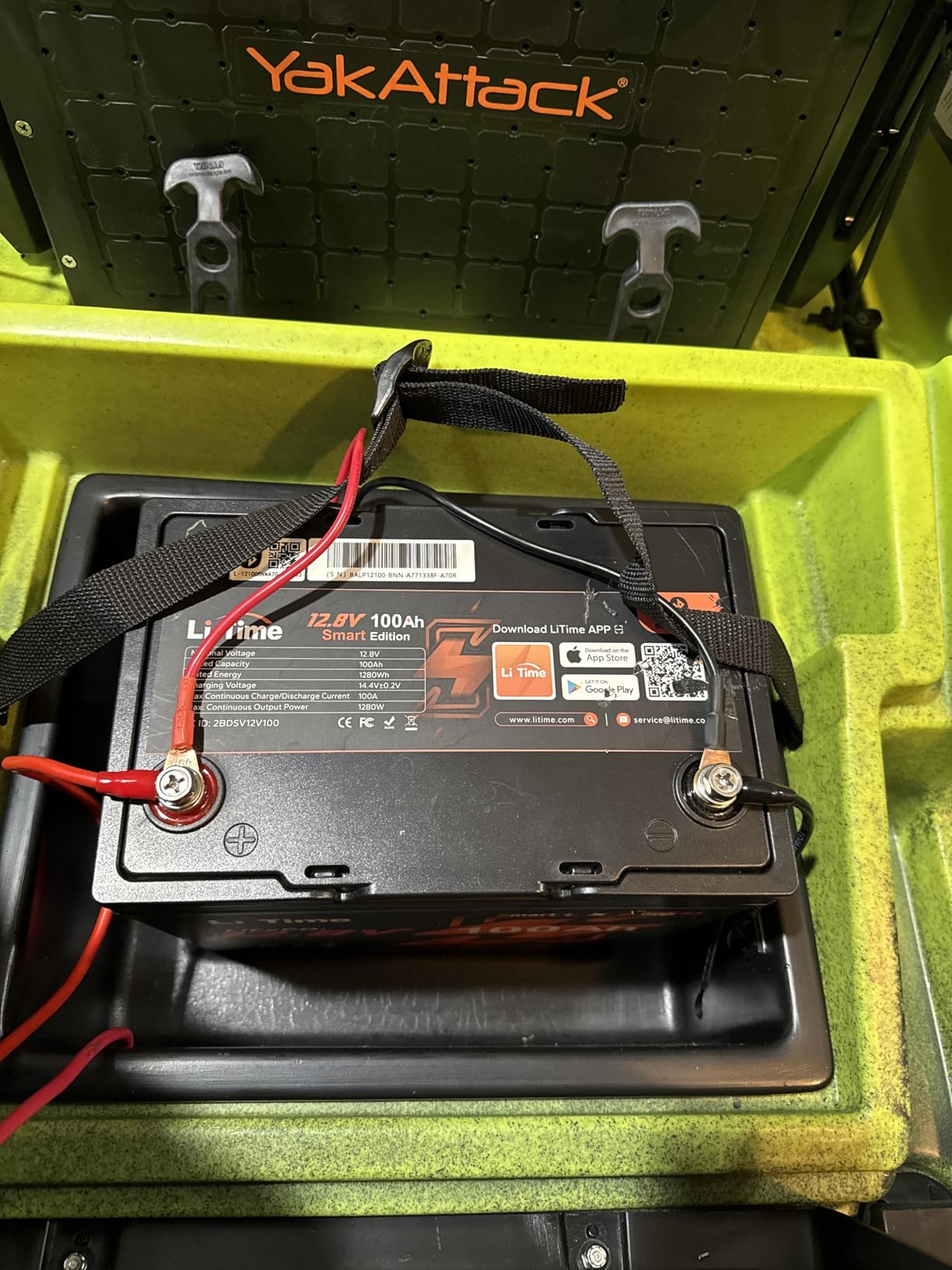
Kayak and small-boat owners report the same two things repeatedly: the low weight, and durability when the battery gets knocked around in a tight hull. That second point is more valuable than it sounds. A Group 31 pack in a kayak is asking for damage that a compact case never suffers.
Bluetooth 5.0 with a QR-code instant connection means you can check remaining capacity mid-cast without fumbling with a pairing menu. The catch is that the state-of-charge reading is unreliable for very low draw loads under about half an amp, so do not trust it as a parking monitor.
What to check before you buy
Do the activation charge before the season starts, not the morning of. The app will not connect until a lithium or MPPT charge cycle completes, and finding that out at the launch ramp is a wasted morning.
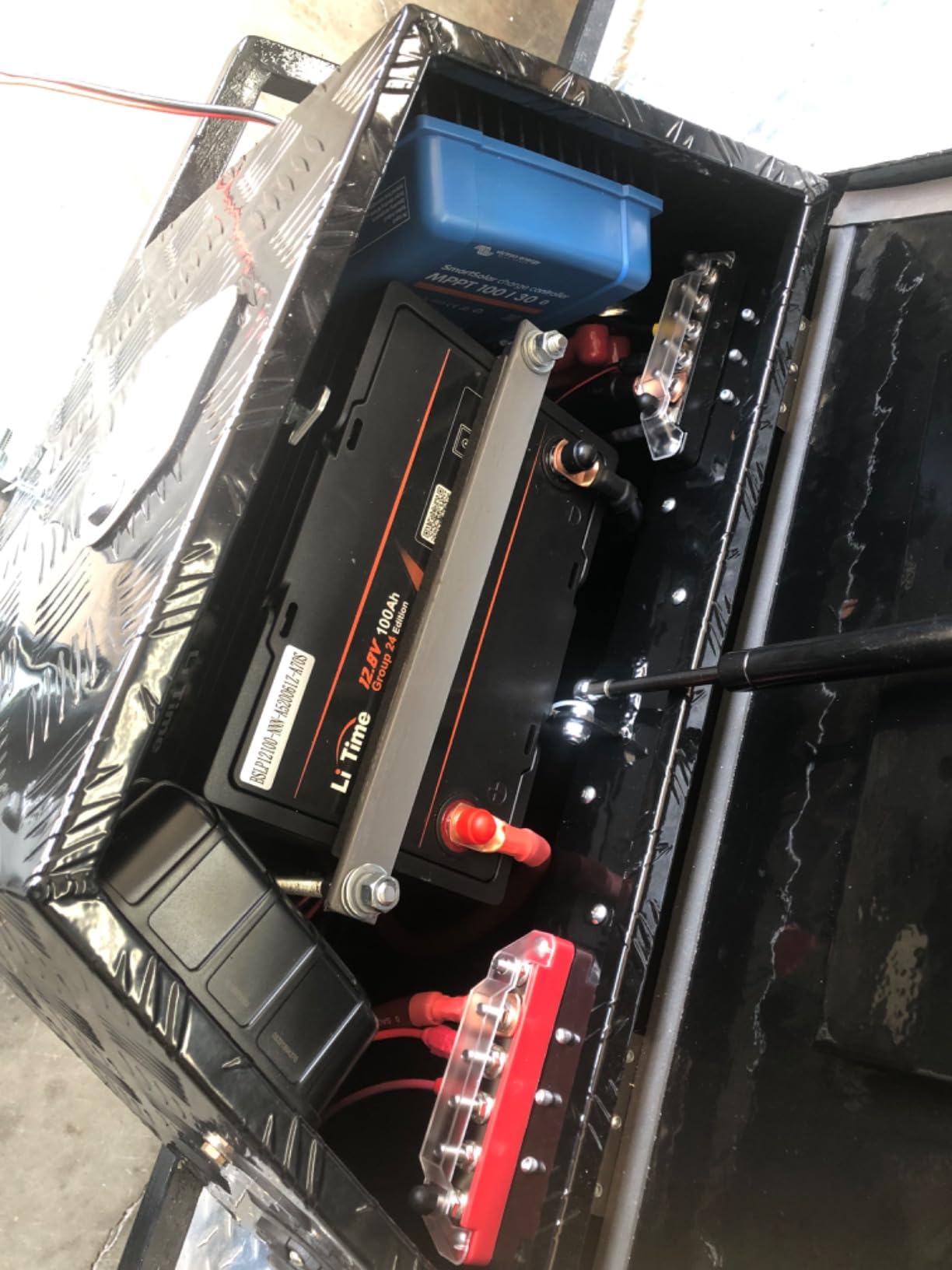
Confirm it physically fits your rig. At 7.68 x 6.54 x 6.77 inches and 11.3 lbs, it is small, but kayak battery pockets vary enormously and many are shaped for a specific footprint.
Who should skip it
Skip it if your motor is rated above roughly 55 lb of thrust. This pack is sized for smaller motors, and pushing a bigger motor against a 50Ah pack means shorter runs and a deeper discharge than the cycle rating assumes.
Skip it if you need to use the Bluetooth reading as a long-term parking monitor. It is unreliable at very low draw, so the percentage will drift on a boat that sits for weeks.
7. SUPER EMPOWER 12V 100Ah Group 24 Deep Cycle Battery: Best Group 24 Drop-In
12V 100Ah LiFePO4 Battery, Group 24 Deep Cycle for RVs & Trolling Motors
12.8V 100Ah
1280Wh
True Group 24 case
21.6 lbs
100A balancing BMS
Pros
- True BCI Group 24 fit with M8 terminals and no box modifications
- 1280Wh at 21.6 lbs is about half the weight of lead-acid
- 100A BMS handles cell balancing and multi-battery operation
- Low-temperature charging cutoff protects cells
- 5 year warranty with support responding within 24 hours
Cons
- Charging stops below 32F and resumes above 41F
- Existing lead-acid chargers will not work
- Listed as energy storage only and not for engine starting
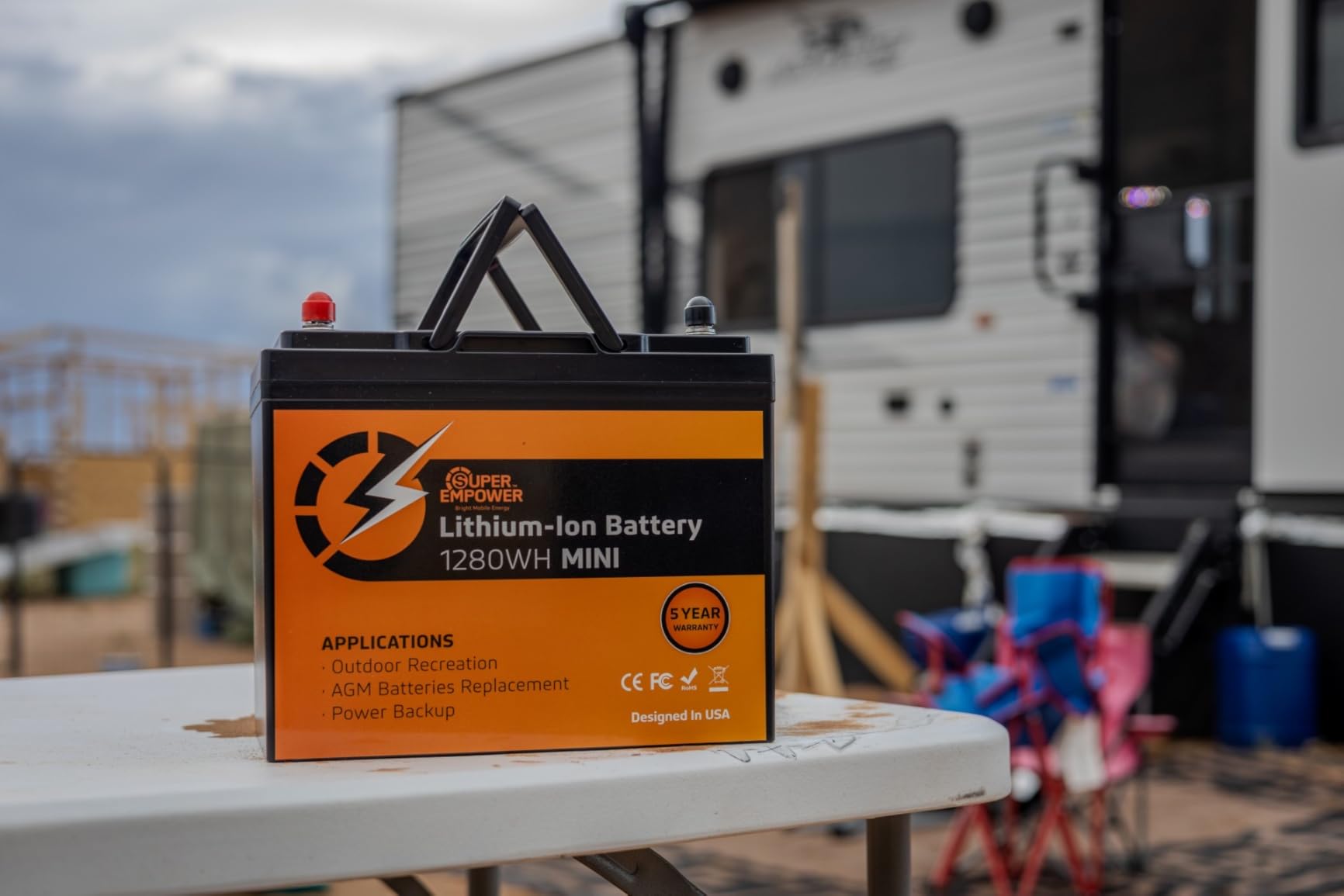
Group size is the silent dealbreaker in this category, and this pack solves it cleanly. It is a true BCI Group 24 case at 6.49 x 10.24 x 8.98 inches with M8 terminals, so it drops into a standard Group 24 box with no cutting, no relocating and no new tray.
That matters more than it first appears. A 100Ah Group 31 pack is the most common upgrade people attempt, and the most common install problem is discovering the box is Group 27 and will not take it. Here, the capacity upgrade happens without touching the boat’s layout.
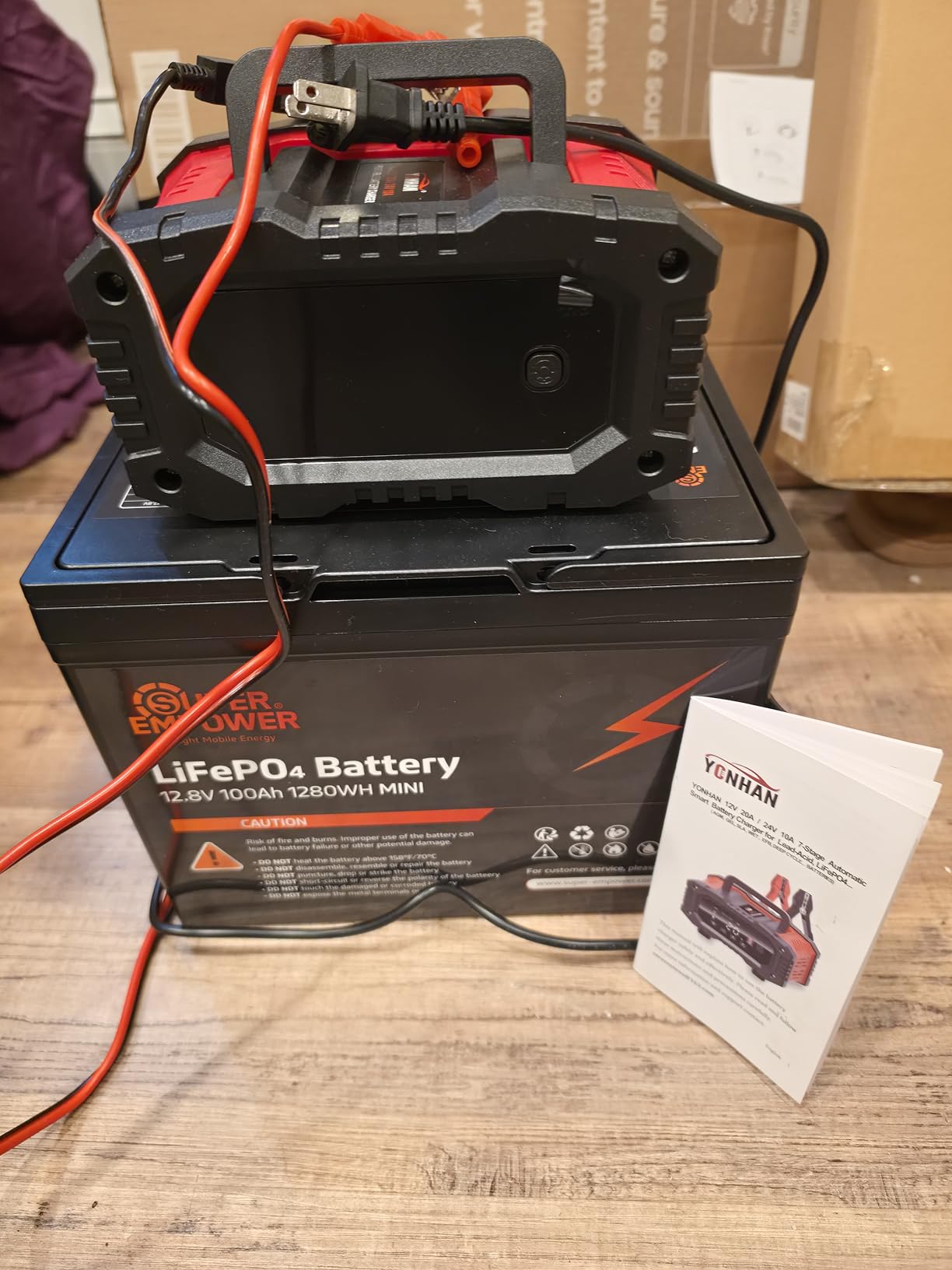
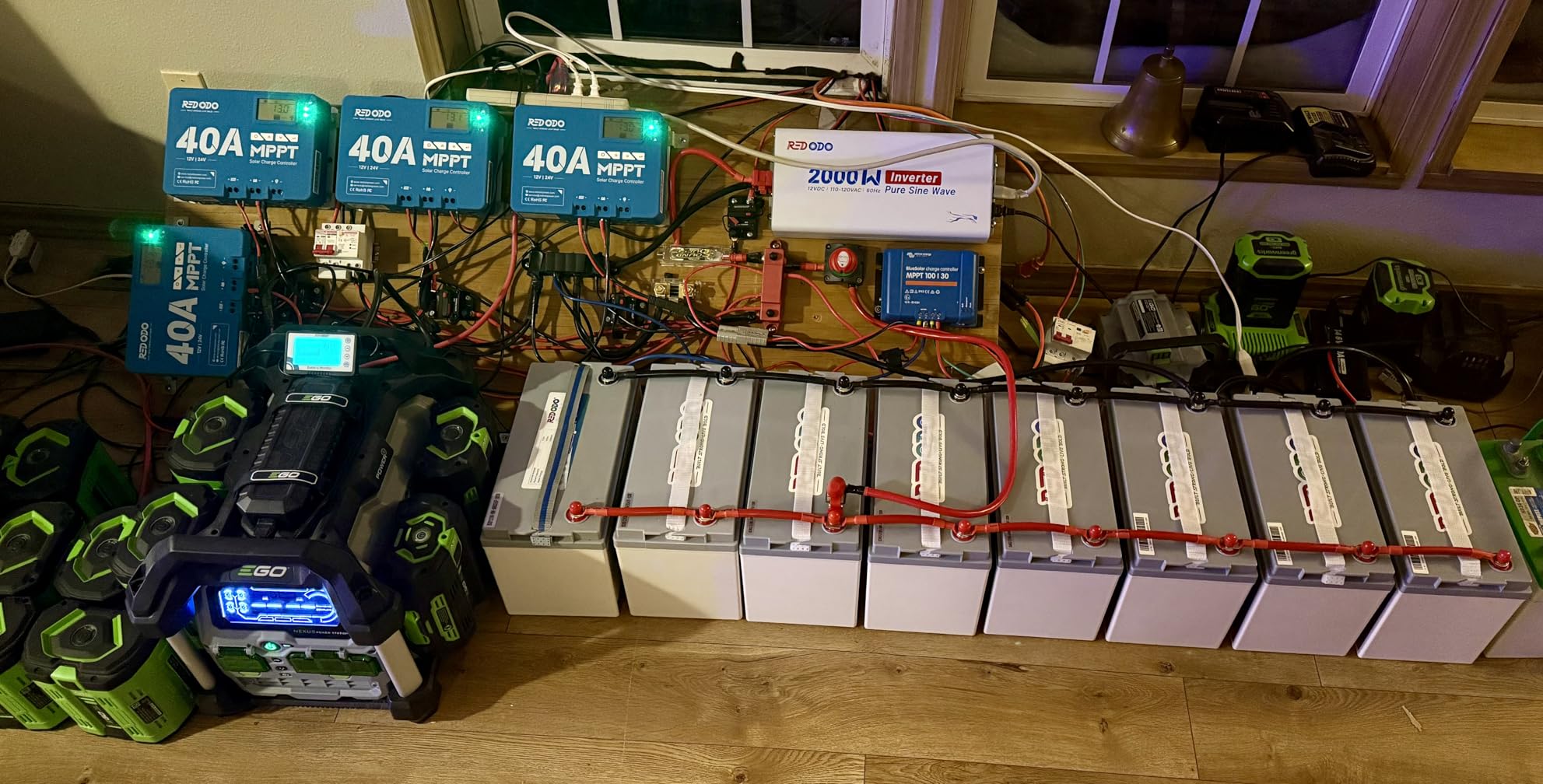
The 100A BMS includes cell balancing, which is the feature that matters most if you ever run more than one of these. Balancing is what keeps a multi-battery bank from drifting apart over seasons, and two dedicated forum threads exist on nothing else.
At 21.6 lbs for 1280Wh, the energy density is about 59Wh per pound, which is right in line with the best packs in this list. Expansion up to 4S4P takes you to a 51.2V 400Ah system if you later need a serious house bank.
What to check before you buy
Bring a tape measure and check clearance above the terminals. Group 24 boxes are frequently sized for the lead-acid case, and while the footprint matches, the taller lithium case with busbar hardware can be tight under a seat or deck plate.
Confirm your charger is lithium-compatible. Non-lithium chargers are not recommended, so an existing lead-acid charger will not work and a partially charged pack will read incorrectly on any old gauge.
Who should skip it
Skip it if you need engine starting. It is listed as energy storage only, so it will not substitute for a cranking battery on an outboard-powered boat.
Skip it if your winter fishing involves sub-zero recharge sessions. Charging pauses below 32F and discharge stops at -4F, so a cold-climate pack needs a warm environment to recover.
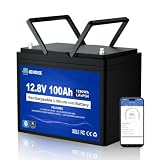
8. DC HOUSE 12V 100Ah Bluetooth Battery: Best for Per-Cell Monitoring
DC HOUSE 12V 100Ah Bluetooth LiFePO4 Trolling Motor Lithium Battery
12.8V 100Ah
Group 24 size
23.8 lbs
Bluetooth 5.1 per-cell data
3 year service
Pros
- Bluetooth 5.1 app reports state of charge
- voltage and current per cell
- Push notifications flag anomalies while you are on the water
- Group 24 footprint that most standard boxes accept
- 15000 cycle claim with a 10 year service life
- Low-temperature cutoff protects cells
Cons
- Case is about 0.32 inches taller than standard Group 24
- Expansion limited to eight batteries
- Only a 3 year service commitment
- Short 5-10 meter Bluetooth range
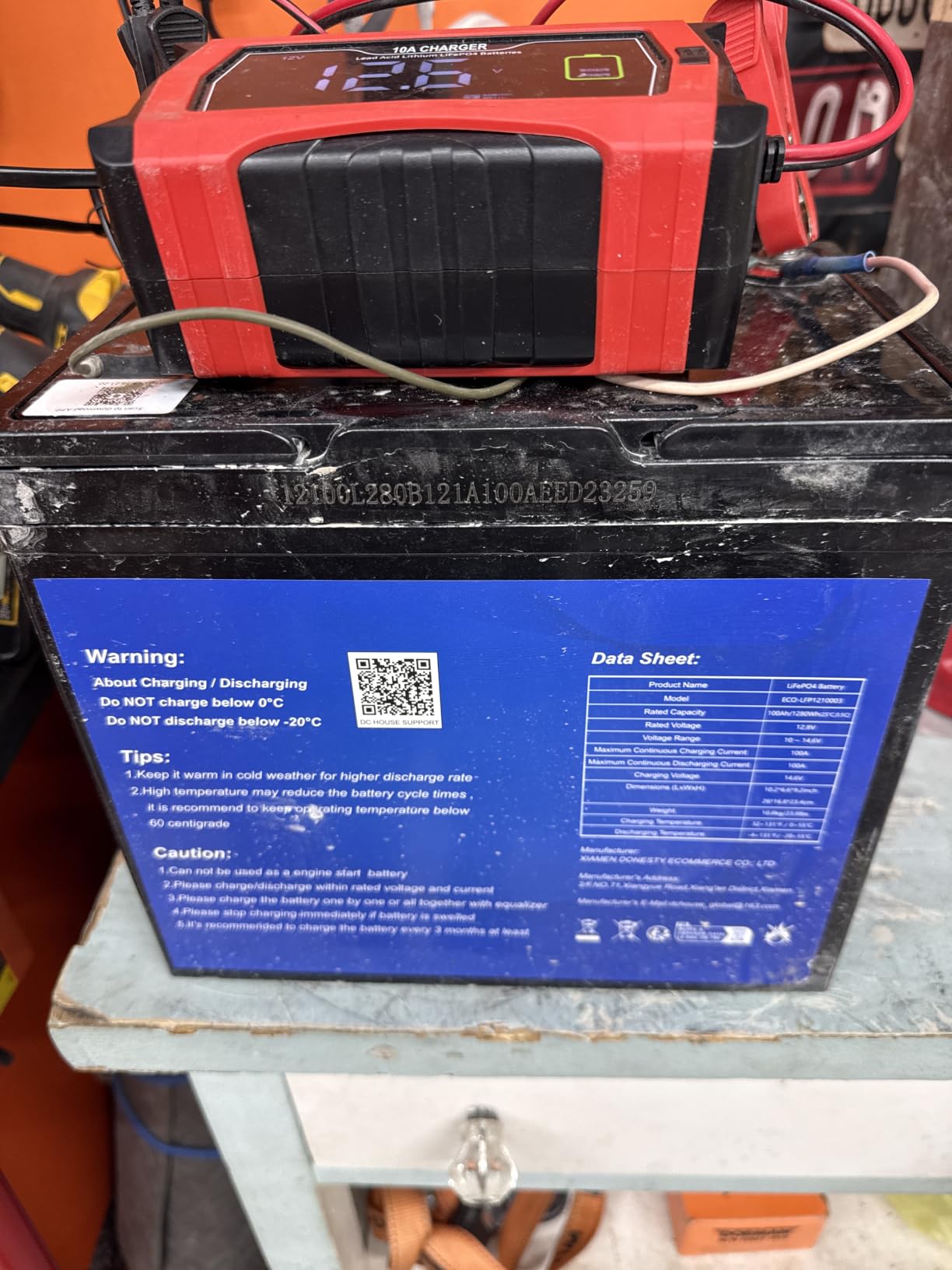
Most Bluetooth battery apps show you a percentage. This one shows you each cell individually, with voltage and current per cell plus a fault display page, and that is the difference between guessing and diagnosing when something is wrong at 6am on open water.
Push notifications are the underrated part. If a cell drifts out of balance or the BMS reports a fault, you get told rather than discovering it when the motor cuts out a mile from the ramp. For anglers who run offshore, that is worth more than a few extra amp-hours.
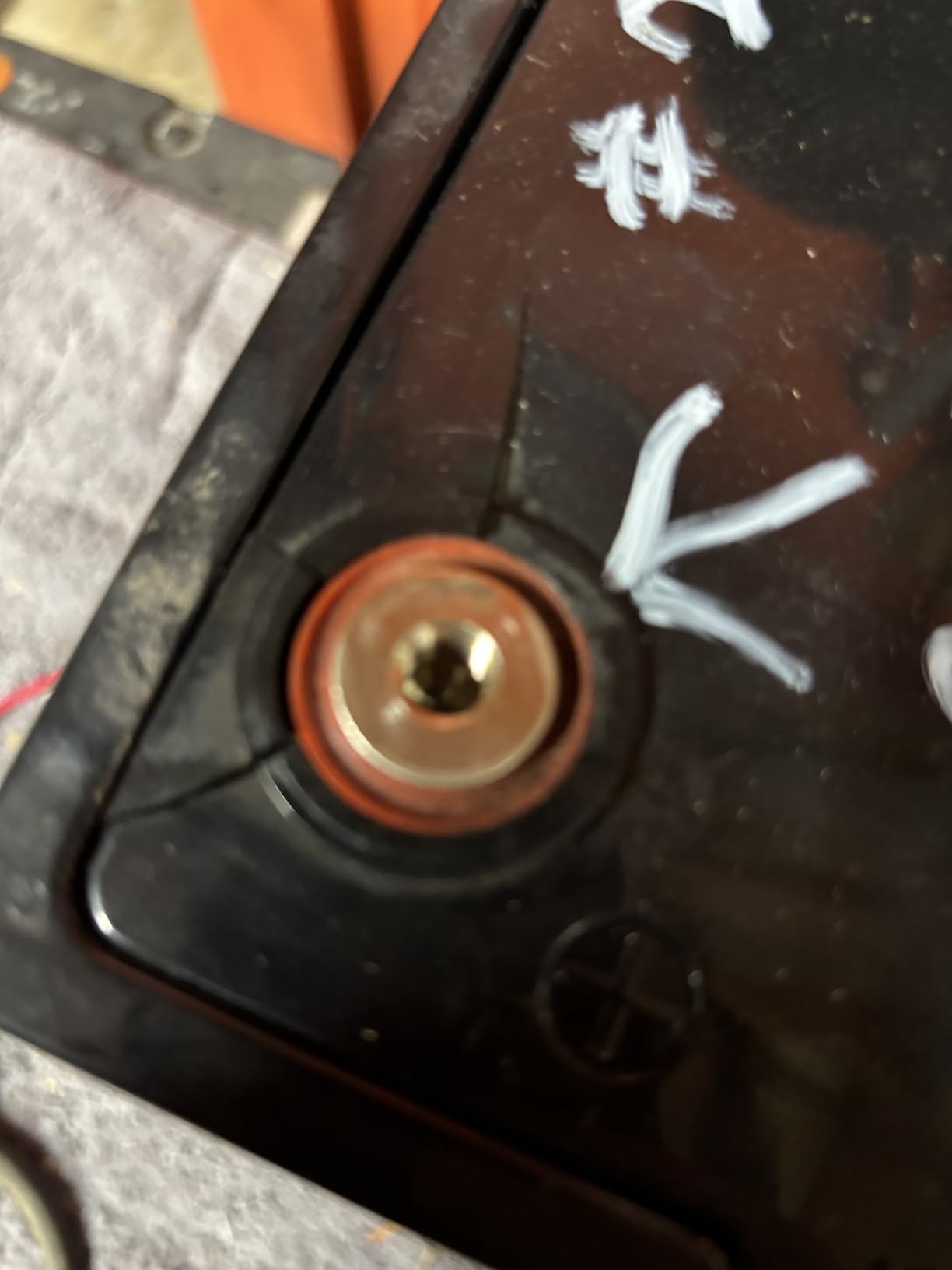
Cells are Class A LiFePO4 with UL and UN38.3 certification, and the cycle claim runs to 15,000 cycles with a 10-year service life. The low-temperature cutoff here is set differently from most of the field: charging stops below 19.4F, discharge below -4F, and it recovers at 32F.
The 3-year service commitment is the shortest warranty in this group of twelve, and that is worth weighing against the monitoring depth you are buying. If you keep batteries a long time, the longer commitments elsewhere may be the better long game.
What to check before you buy
Measure height specifically. The case is roughly 0.32 inches taller than the standard Group 24 specification at 6.6 x 10.2 x 9.2 inches. That is small, but in a tight battery box with a hold-down bracket it can be the difference between fitting and not.
Plan your expansion ceiling before buying more. Unlike most packs here, 4P4S is not permitted and the maximum is eight batteries, which limits how far you can grow a house bank from this platform.
Who should skip it
Skip it if Bluetooth range matters more than data depth. Five to ten meters is fine for a boat, but it will not reach from a dock to a console on a large vessel.
Skip it if warranty length is your top priority. Three years is short against the five-year commitments common in this category, and you are buying monitoring capability, not longevity.
9. Redodo 36V 50Ah Trolling Motor LiFePO4 Battery: Best 36V Group 31 Fit
Redodo 36V 50Ah Trolling Motor LiFePO4 Battery, Group 31
38.4V 50Ah
1920Wh at 33.1 lbs
50A continuous,250A peak
IP65 housing
Pros
- Purpose-built for 100-120 lb thrust motors
- 1920Wh in a 33.1 lb Group 31 footprint
- 58.7Wh per lb energy density
- Holds above 38.4V through discharge for consistent thrust
- White shell reflects sunlight to keep internal temperatures down
Cons
- Bluetooth drops intermittently with no low-battery notifications
- App requires email registration and contacts an outside network
- Charging blocked below 32F
- 4.3 average with a 10 percent one-star share
This is the 36V pack that fits standard Group 31 boxes, which is a genuine rarity. Most 36V packs are long rectangular slabs that need a dedicated bay, while this one measures 6.77 x 13 x 8.5 inches and weighs 33.1 lbs.
Energy density is 58.7Wh per pound, and voltage holds above 38.4V through the discharge cycle, which is what keeps thrust consistent as the pack drains. Bass boat owners report 6-8 hours of runtime using only about 20% of the pack on typical water.
Discharge capability is specified for 100-120 lb thrust motors: 50A continuous, 250A peak and 60A sustained for 30 minutes. The white reflective shell is a small detail with a real purpose, since a white case absorbs noticeably less solar heat than a black one on a long day on the water.
The reason this pack sits at 4.3 rather than the 4.5-4.7 of its competitors is almost entirely the app. Dropped Bluetooth connections, mandatory email registration, repeated outbound network requests and no alert notifications account for most of the negative reviews, with a 10% one-star share across the pool.
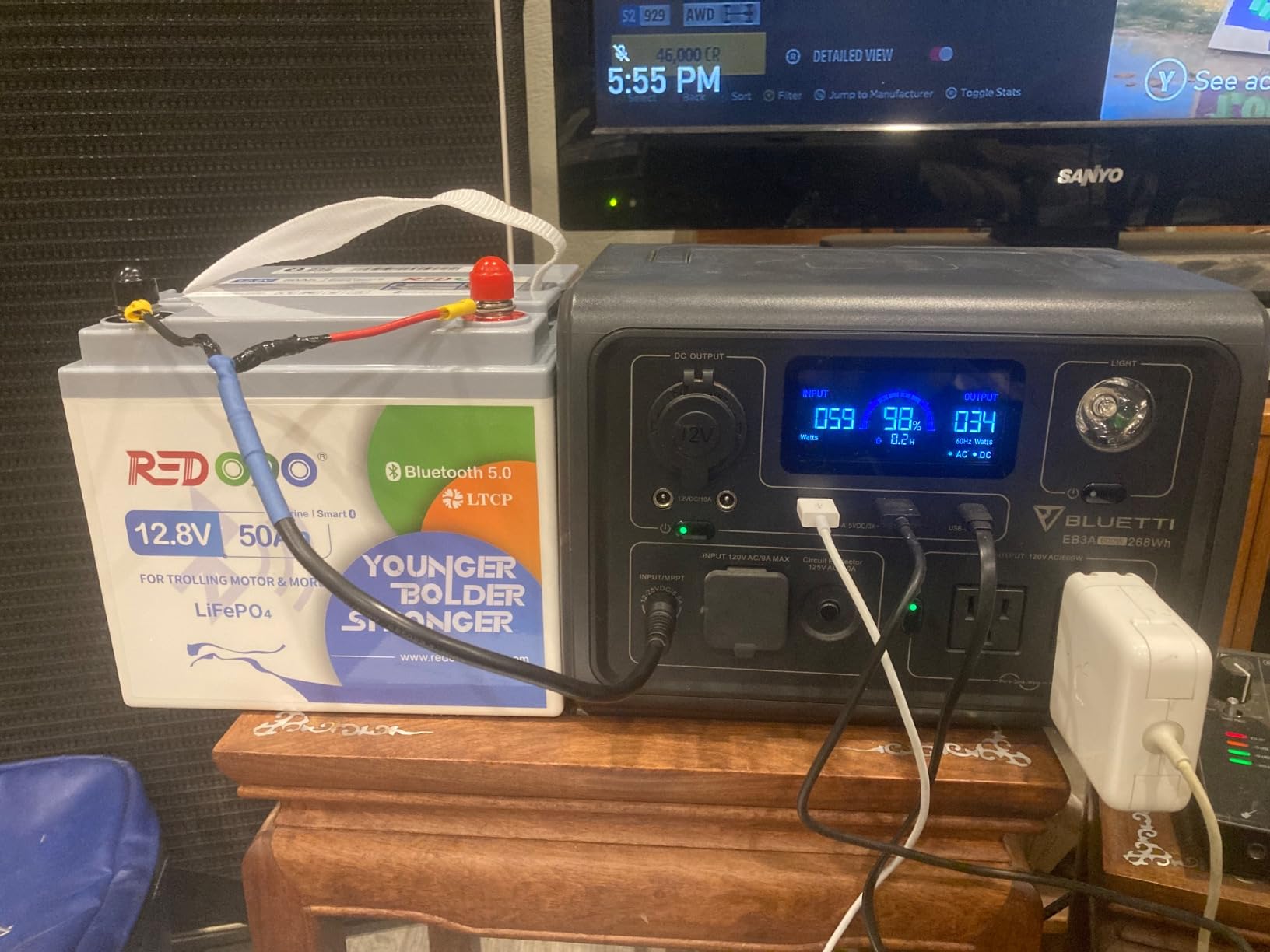
What to check before you buy
Check your 36V wiring. This replaces three 12V batteries in series, and while that simplifies the layout, your motor’s controller and any fusing need to be compatible with a single 36V source.
Check your charging setup against cold. Charging is blocked below 32F, so if you fish through a hard winter you need a way to warm the pack before topping it up.
Who should skip it
Skip it if you rely on the app. This is the weakest monitoring experience in the set, and the constant reconnection behavior is the most common complaint in the reviews.
Skip it if you want the deepest telemetry per dollar. If per-cell data matters, the DC HOUSE pack two sections up is the one built for that, even at a shorter warranty.
10. Power Queen 12V 50Ah LiFePO4 Battery: Most Versatile for Small Boats
Power Queen 12V 50Ah Trolling Motor LiFePO4 Battery for RV Camper Marine
12.8V 50Ah
11.57 lbs
50A BMS
4000+ deep cycles
5 year warranty
Pros
- Only 11.57 lbs
- about one sixth the weight of a 12V 100Ah lead battery
- Voltage stays above 12.8V at full capacity for longer runtime
- 4000+ deep cycles with a 10-year design life
- Compact case fits most boxes and supports 4P4S expansion
Cons
- Not suitable as a starting battery
- Targets trolling motors up to about 45 lb thrust
- 50A BMS limits peak-current headroom
This is the entry point, and it does something the cheaper packs often do not: it delivers genuine LiFePO4 capacity at a real weight. At 11.57 lbs with 4 cells, it is about one sixth the weight of a 12V 100Ah lead battery, and reviewers regularly run these on kayaks, small boats and RV auxiliaries.
The 50A BMS protects against overcharge, over-discharge and overheating, and the pack is rated for 4000+ deep cycles at 100% depth of discharge with a 10-year design life. Voltage staying above 12.8V at full capacity is what gives you the longer usable runtime people notice on smaller motors.
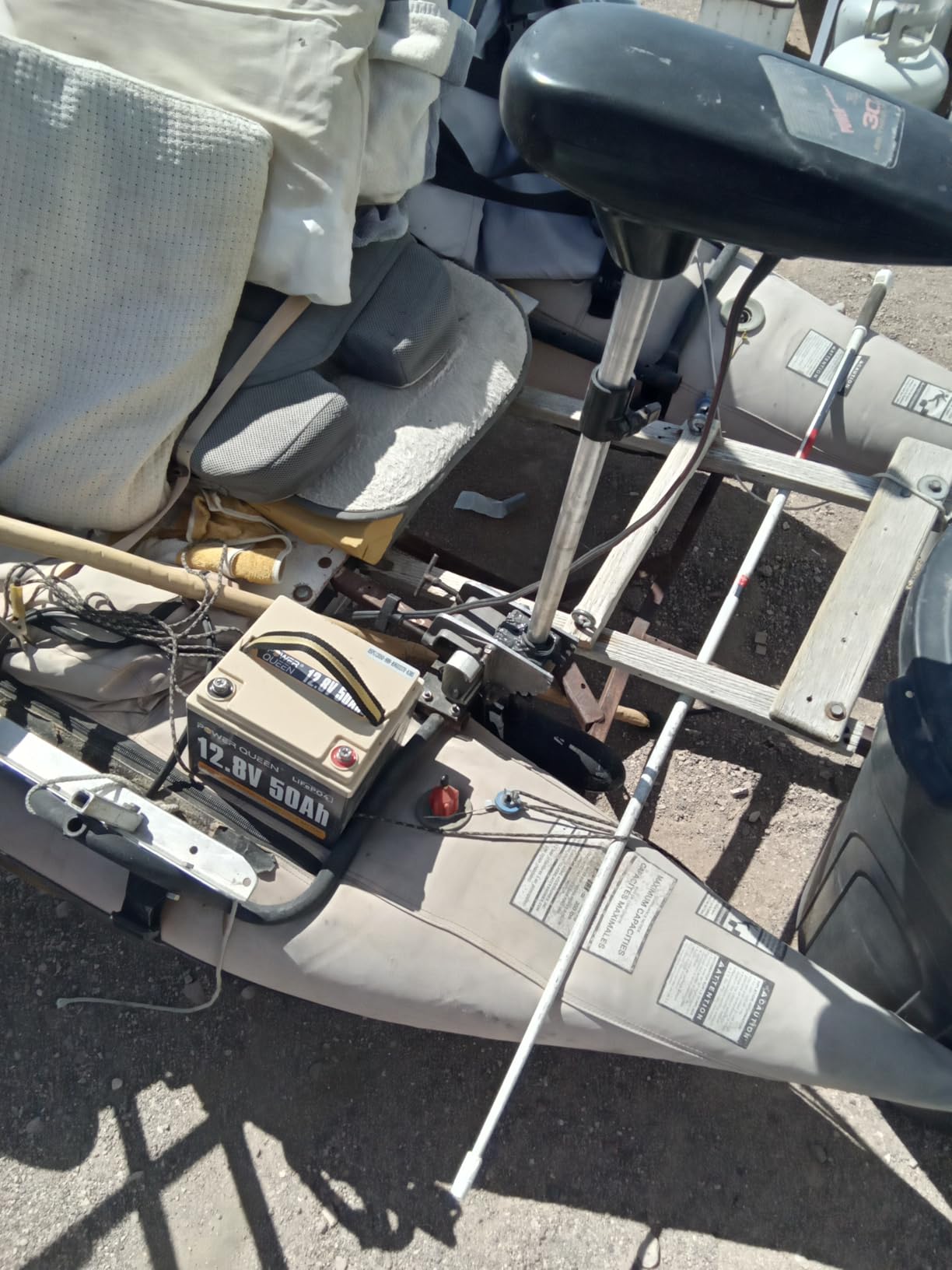
Expansion to 4P4P takes you to 51.2V 400Ah, so a single small purchase does not lock you into a small system. That matters if you start on a jon boat and end up on a bass boat in a few years.
The ceiling is the thrust rating. This pack is specified for trolling motors up to about 45 lb of thrust, and the 50A BMS leaves less peak-current headroom than the 100A packs in this list. Push past 45 lb and you are asking the BMS to absorb startup spikes it was not sized for.
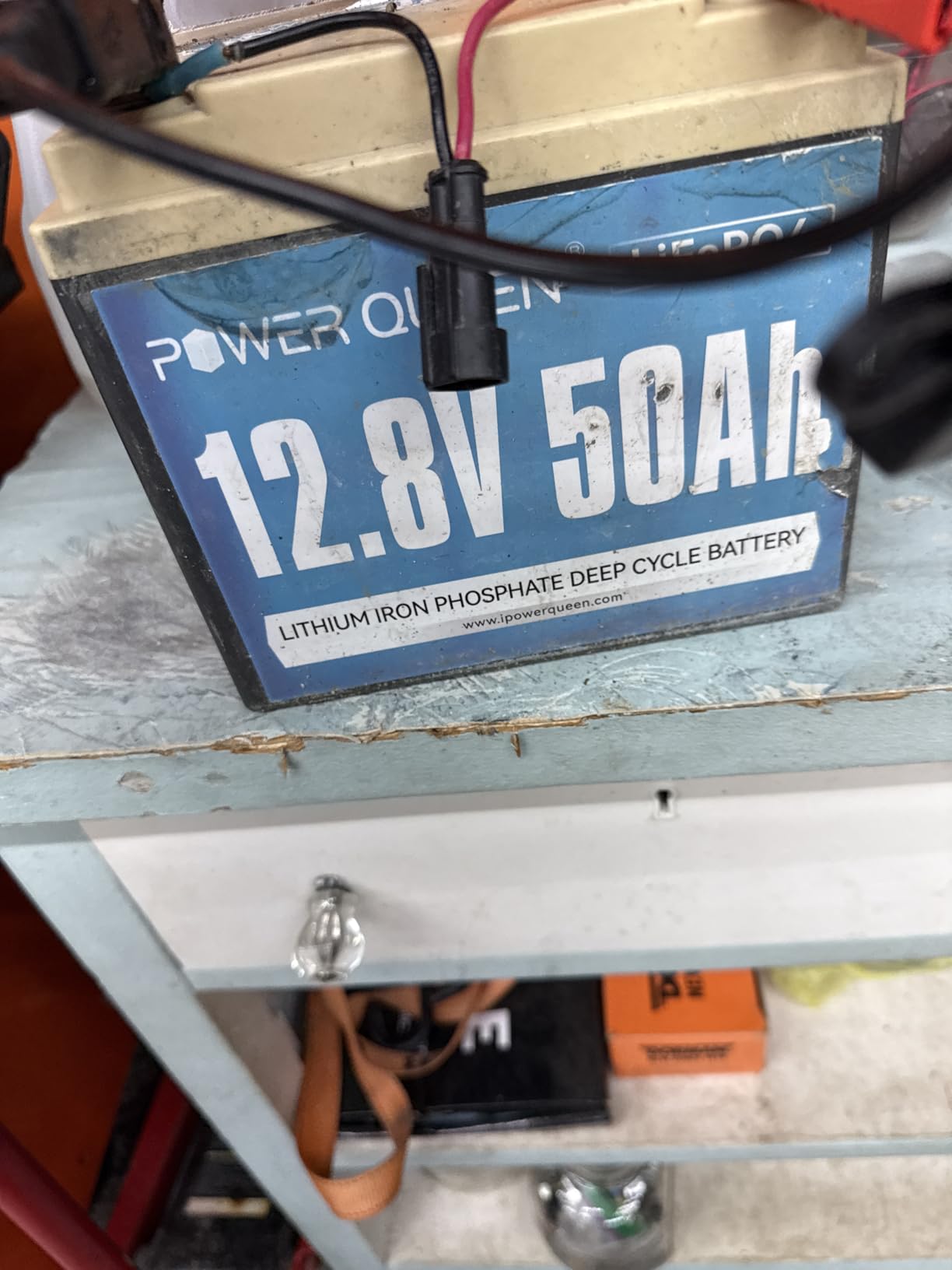
What to check before you buy
Check your motor’s thrust rating against the 45 lb ceiling. If your motor is rated higher, go up to a 100Ah pack rather than running this one hard, because the limit is stated by the manufacturer.
Confirm the case fits. At 6.54 x 7.68 x 6.77 inches it is genuinely compact, but small boats with tight battery pockets vary, and the terminal hardware adds height.
Who should skip it
Skip it if you need engine starting. It is explicitly not a starter battery, so an outboard still needs its own cranking battery.
Skip it if you run high-thrust motors or heavy current in rough water. The 50A BMS is the limiting factor, not the capacity, and it shows up as voltage sag when you punch through a wave.
11. HeyFuture 12V 100Ah Bluetooth LiFePO4 Battery: Best for Expandable Banks
HeyFuture 12V 100Ah Bluetooth LiFePO4 Battery for Rv, Trolling Motors, Boat
12.8V 100Ah
1280Wh Group 24
JBD 100A smart BMS
Bluetooth with balancing
Pros
- Strong capacity per dollar for the output
- Prismatic LiFePO4 cells with molded frame and welded busbars
- Uses a JBD 100A smart BMS with Bluetooth and balancing
- Light enough to handle in a small boat or kayak
- 5 year manufacturer warranty
Cons
- No internal fuse so an external fuse is required
- 4S2P layout limits per-cell BMS monitoring
- Cells are unbranded so true cycle life is unverified
- App interface is rated poorly and Bluetooth needs retries
Series and parallel expansion here runs to 4S4P, a full 48V 400Ah maximum, which is the widest growth path in this group. If you want one purchase now and a bigger system later, that flexibility is the reason to start here.
The BMS is a JBD 100A unit with Bluetooth and cell balancing, which is a known and respected controller rather than an anonymous board. Balancing is what keeps a multi-battery bank level over seasons, and it is the feature two dedicated forum threads exist to argue about.
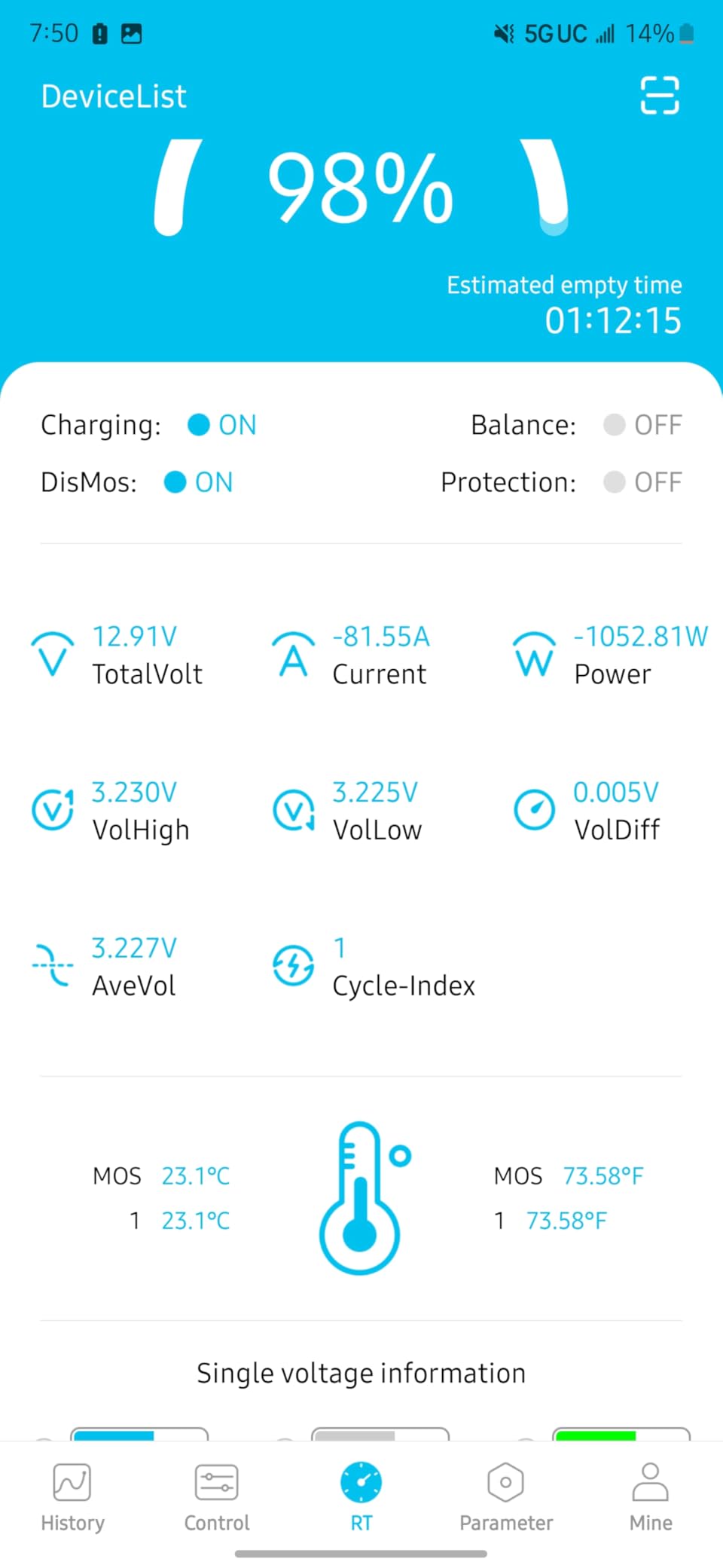
Tech-savvy reviewers here do buyers a favor by pointing out three specifics: there is no internal fuse, the 4S2P layout means the BMS cannot monitor each individual 50Ah cell, and the cells are unbranded so the true cycle life is unverified. None of that stops it working, but you should know it before you wire it.
Owners still broadly describe it as a well-built pack with real capacity that performs well in small boats and trolling setups. The Bluetooth app is the most criticized element, with a poor interface and connections that can take a few attempts.
What to check before you buy
Install an external fuse if you do not already have one. The absence of an internal fuse is a real spec, not a nitpick, and a trolling motor circuit carries enough current to be worth protecting properly.
Check your box against the Group 24 form factor at 6.61 x 10.24 x 8.3 inches. It is a standard lead-acid replacement size, which makes retrofitting straightforward in most hulls.
Who should skip it
Skip it if per-cell monitoring is important to you. The 4S2P layout limits what the BMS can report, so you get pack-level data rather than individual cell detail.
Skip it if you want the app to be a reliable part of your setup. It is the most criticized component, and you would be adding an external monitor if the Bluetooth reading matters to you.
12. BUKNUWO 12V 100Ah LiFePO4 Bluetooth Battery: Lowest-Cost 12V 100Ah
BUKNUWO 12V 100Ah LiFePO4 Lithium Battery with Bluetooth,15000+ Cycles Lithium Battery for Trolling Motor, Off-Grid,Boat,RV, Marine, Solar (12.8V 100Ah-Bluetooth)
12.8V 100Ah
1.28kWh at 22 lbs
Bluetooth 5.0 within 33 ft
100A BMS
Pros
- Lowest cost per amp-hour in this set while still delivering rated capacity
- App shows state of charge
- voltage
- current
- wattage
- cycle count and temperature
- 22 lbs versus 60-plus lbs of lead-acid
- Grade A cells with 100A BMS and automatic temperature cutoff
- Carry strap included
Cons
- One owner reported losing half its charge sitting idle for two days
- Some packs hit a cell protection error above 13.66V
- Inverter inrush can trip the BMS overcurrent protection
- App lacks per-cell data and refresh rate is inconsistent
This is the cheapest 12V 100Ah in the group, and it still delivers 1.28kWh at 22 lbs with up to 95% capacity utilization. Cycle claims are tiered at 4000 cycles at 100% depth, 6000 at 80% and 15000 at 60%, matching the better-known brands.
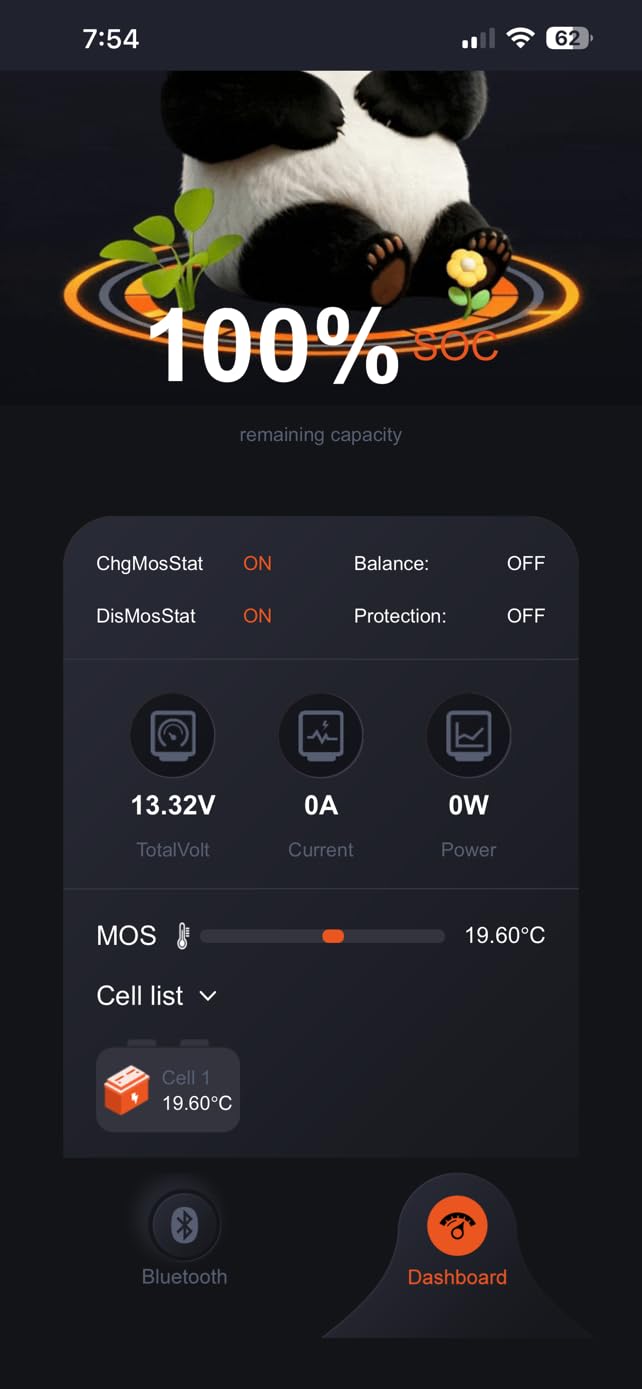
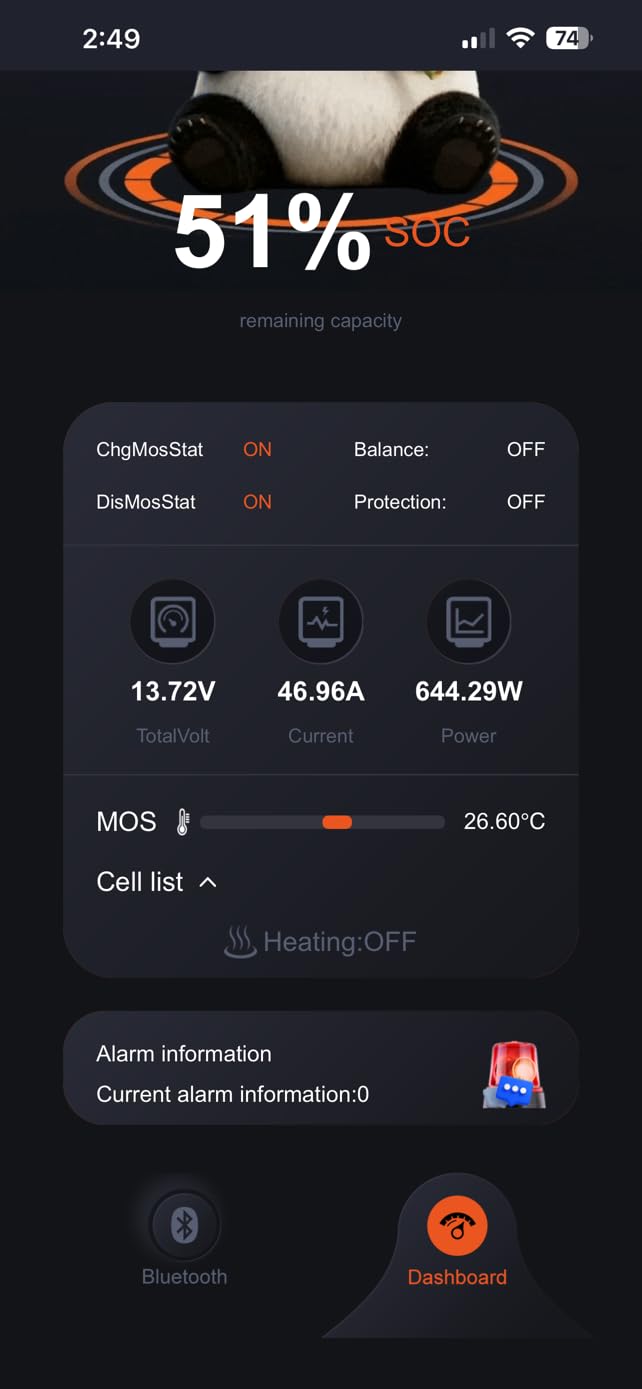
The app is more capable than the price suggests, showing state of charge, voltage, current, wattage, cycle count and temperature over a Bluetooth 5.0 link rated to 33 ft. Owners praise the animated battery display and the long-range connection, and support has been responsive, including replacing a charger outright to resolve a fault.
Satisfaction is genuinely mixed, and it is worth being straight about that. A small but notable group report cell-imbalance faults, BMS trips from inverter inrush, and idle self-discharge faster than the specification claims. One owner reported losing half the charge sitting idle for two days, which is well outside the stated rate.
At 4.2 with a 12% one-star share, this pack sits at the bottom of the ratings in this set. That does not make it a bad choice for a weekend kayak angler who will charge it after every trip, but it is not the pack I would trust for an all-day offshore run.
What to check before you buy
Check the self-discharge behavior against your storage pattern. If your boat sits for weeks between trips, verify the pack is holding charge rather than assuming it, because idle loss is the most reported real-world deviation here.
Confirm your charge voltage ceiling. Some packs have hit a cell-protection error above 13.66V, so use a matched lithium charger and avoid generic high-voltage smart chargers.
Who should skip it
Skip it if you need per-cell data. The app reports pack-level figures only, so diagnosing an imbalance means a multimeter rather than your phone.
Skip it if you run inverters or high-inrush electronics on the same bank. Inrush current can trip the BMS overcurrent protection, and repeated trips are hard to diagnose from the water.
How to Size a Lithium Battery for Your Trolling Motor?
Most sizing mistakes come from buying capacity before voltage. Work through these in order, because each step removes the guesswork from the next one.
Step one is system voltage, and it is not negotiable. Look at the label on your motor or the connector wiring. 12V systems are common on 30-55 lb thrust motors, 24V shows up on 80-100 lb thrust units, and 36V appears on 100-120 lb tournament setups. A 12V pack will not drive a 24V motor, and no arrangement of parallel cables changes that.
Step two is matching capacity to motor wattage. The rough rule is that a 12V system under 650W wants around 50Ah, a 12V system under 1200W wants 100Ah, a 24V system under 2500W wants 100Ah, and a 36V system under 3600W wants 100Ah. Going larger is always an option; going smaller is what strands you.
Step three is group size, and this is where the buy falls apart. Group 24, Group 27 and Group 31 are physical case standards, and they are not interchangeable. Group 31 is the common marine trolling footprint, which is why so many packs in this list use it, but a Group 24 box will not take a Group 31 case. Measure before you order, including clearance for terminals and hold-down brackets.
Step four is the single-battery versus series decision. Three 12V 100Ah batteries in series give you 36V at 100Ah. One 36V 100Ah pack gives you the same voltage and capacity with a fraction of the wiring, fewer connection points to corrode and one failure point instead of three. The tradeoff is that a single 36V case rarely fits a standard battery box, so this only works if you have the bay space.
For a 24V system, two 12V packs in series or two 50Ah packs in parallel both work, and the parallel route lets you add capacity later without new cables. Anglers running a 24V 80 lb thrust motor on a pontoon report multi-outing runtime from a single 24V 100Ah, which is the configuration in pick five above.
For charging, other battery categories on this site cover the same chemistry from a different angle. Our guide to drone batteries for long flights covers LiFePO4 charge-rate fundamentals that apply equally to a marine bank.
How Long Will a 100Ah LiFePO4 Battery Run a Trolling Motor?
The runtime equation is simple: battery amp-hours divided by motor amp draw equals hours. A 100Ah battery on a motor drawing 30 amps gives you 3.3 hours at full draw. That number is arithmetically correct and almost never achievable on the water.
Here is the realism check that most spec sheets skip: most anglers use well under half of their motor’s maximum draw. Cruise at reduced speed, hold position, and go home, and you are closer to 50% of max draw than 100%. On that assumption a 100Ah pack on a 30A motor gives you around 5 hours, and a 55 lb thrust motor on a 12V 100Ah lands in the 4-5 hour range on typical water.
Then derate for the environment. Wind, waves and current all raise draw above cruise levels, and a rough chop can cut your day noticeably. Anglers who fish structure and current hard report using only about 20% of a 36V 50Ah pack across a 6-8 hour bass session, which is a reminder that usable capacity and advertised capacity are very different numbers on a boat with a motor mounted at the transom.
Real user setups track with the math. On r/boating, anglers report running a single 12V 1280Wh pack on a 1 hp brushless three-blade trolling motor, and others note a 50Ah pack being more than enough for their boat. On r/kayakfishing, anglers run 100Ah LiFePO4 packs built into portable rigs and report completing multi-day trips with charge remaining.
LiFePO4 is also safe to drain fully and recharge, which lead-acid is not. Several people mention worrying about taking it to zero for years out of habit, and it is a legitimate concern with flooded batteries that simply does not apply here. The BMS protects against over-discharge regardless.
On battery monitoring generally, and on the low-maintenance side of owning gear that does not need attention, our notes on mechanical kitchen timers that need no batteries cover the same principle from a different corner of the workshop.
Charging a Lithium Trolling Motor Battery After Use
LiFePO4 charges in a different window than lead-acid, and using the wrong charger is the most common way people damage these packs. Absorption sits around 14.4 to 14.6V, and the charge tapers rather than holding at a high voltage for hours the way an AGM charger does.
The safe rate is 0.5C to 1C, meaning a 100Ah pack takes a 50A to 100A charger. That is roughly half the time a lead bank needs, not more, though owners do report longer charge times when starting from a deep discharge on some packs in this list.
Shore power charging is the simplest approach and the one most people get right first. A matched LiFePO4 or MPPT charger on shore power after every trip keeps the bank topped up and takes the guesswork out of state of charge.
Alternator charging while running is where care is needed. A standard marine alternator does not regulate to lithium absorption voltage, so it will either undercharge or cook the pack depending on the unit. A dedicated DC-DC charger or a lithium-compatible alternator is the correct way to charge from the engine, and several brands here include a matched onboard charger, such as the 25A unit in the OGRPHY 36V pack.
Cold-weather charging is the constraint everyone asks about. Most packs in this group stop charging below 32F and resume above 41F, which protects the cells from plating damage during a cold charge. Practically, you can fish on a cold pack but you cannot recharge it until it warms up, so plan a warm cabin or a heated storage space for deep winter use.
One last note on the first charge. Several packs here, including both LiTime models and the Power Queen, need a lithium or MPPT activation charge before the Bluetooth app will connect. Do that on shore power before the boat leaves the driveway.
Are Lithium Batteries Safe for Minn Kota and MotorGuide Motors?
Short answer: yes, with two caveats worth understanding. LiFePO4 holds a higher and flatter voltage for longer than lead-acid, which is a benefit for thrust, but motors engineered to make the most of flooded lead-acid discharge behavior can react differently to that profile. The concern raised in forum discussion is real, and it is worth checking your motor’s guidance.
The Min-Max Volt Gauge is the second caveat, and it is the one that catches people out. That gauge was designed around lead-acid voltage curves, and LiFePO4’s flatter curve means the percentage it shows is less meaningful than the number suggests. If your reading looks wrong, the battery is usually fine and the gauge is the problem. App-based monitoring from a pack like the DC HOUSE or LiTime models gives you a far more honest picture.
On state of charge accuracy more broadly, this is the single most confusing area for new lithium owners. LiFePO4 voltage stays near its maximum for most of the discharge, then drops sharply, which makes a percentage estimate based on voltage inherently imprecise in the middle of the range. A shunt-based or Bluetooth BMS reading is more trustworthy, and in multi-battery banks, balancing is what keeps cells from drifting apart.
Do you still need a cranking battery? Almost always yes, unless you specifically buy a dual-purpose pack rated for starting. Every pack in this list is a deep cycle pack and none is intended to start an outboard, so a separate cranking battery remains the standard arrangement. Outboard and electric outboard boats need that starter, and a deep cycle pack is the wrong tool for the job.
On fire safety, the concern is real but it is a workmanship issue, not a chemistry inevitability. Every pack here includes a BMS that cuts off on overcharge, over-discharge, over-current, short circuit and temperature extremes, and the failures that do happen are almost always traceable to physical damage, incorrect wiring or a mismatched charger rather than the chemistry itself.
On cost over a full ownership period, this is where lithium quietly wins. Forum users anchored on marine dealer pricing often find the same capacity substantially cheaper direct, and the cycle ratings here of 3000-5000+ deep cycles against a lead battery’s much shorter usable life change the arithmetic quickly. A pack that lasts three lead batteries is one purchase, not three.
Frequently Asked Questions
Is the LiFePO4 battery good for a trolling motor?
Yes. LiFePO4 is the best chemistry for this application because it delivers 90-100% of rated capacity versus roughly half from flooded lead-acid, holds a flatter voltage curve so thrust stays consistent as it drains, and runs 3000-5000 rated deep cycles. It is also about half the weight, which changes how a boat handles and planes.
How many amp hours do I need for a 24V trolling motor?
For a 24V system under 2500W, 100Ah is the standard recommendation. A 24V 100Ah pack delivers 2.56kWh, which suits 80-100 lb thrust motors and typically covers a full day. Two 50Ah packs in parallel give the same voltage with more flexibility for adding capacity later.
How long will a 100Ah LiFePO4 battery last on a trolling motor?
Divide 100Ah by your motor’s amp draw for the theoretical figure, so a 30A draw gives 3.3 hours. In practice most anglers use under half of maximum draw, which puts a realistic figure around 5 hours, or 4-5 hours for a 55 lb thrust motor. Wind, waves and current cut that further.
What are the downsides of LiFePO4 batteries?
The real drawbacks are upfront cost, the need for a dedicated LiFePO4 or MPPT charger, cold-weather charging cutoffs around 32F that block charging until the pack warms past 41F, and state of charge readings that are less intuitive than lead-acid on a voltage-based gauge. None of these affect LiFePO4’s long-term reliability.
Are lithium batteries bad for Minn Kota trolling motors?
No. LiFePO4 works well with Minn Kota and MotorGuide motors. Two things to know: the Min-Max Volt Gauge was designed for lead-acid curves so its percentage reading is less accurate on lithium, and motors tuned around flooded lead-acid behavior can react to lithium’s higher flat voltage. Check your motor’s guidance and use app-based monitoring instead of a volt gauge.
What is the best lithium battery for kayak fishing?
For a kayak, pick a compact 12V 50Ah LiFePO4 pack. A 50Ah pack near 11.5 lbs fits a kayak battery pocket and runs a 30-55 lb thrust motor for a full day. Avoid 100Ah packs in a kayak: the weight is manageable but the footprint is not, and most hulls are not designed for a Group 31 case.
The Best Lithium Batteries for Trolling Motors, Ranked
For most anglers, the LiTime 12V 100Ah is the safest single decision: a Group 31 footprint, 22 lbs, 4000 rated cycles, an app that reports state of charge accurately under load, and the strongest rating-to-review balance of anything we tested. The Redodo 12V 100Ah is the value alternative with the deepest review pool in the set and a tiered cycle rating that suits anyone who does not run the bank flat.
Match the voltage and the rest follows. Kayak and small-boat anglers should look at the two 12V 50Ah packs, 24V setups belong on the 24V 100Ah, and 36V rigs have two solid options depending on whether you have a dedicated bay or a standard Group 31 box. Whatever you choose, buy a matched lithium charger, measure the tray before you order, and give the pack an activation charge before the season starts.