
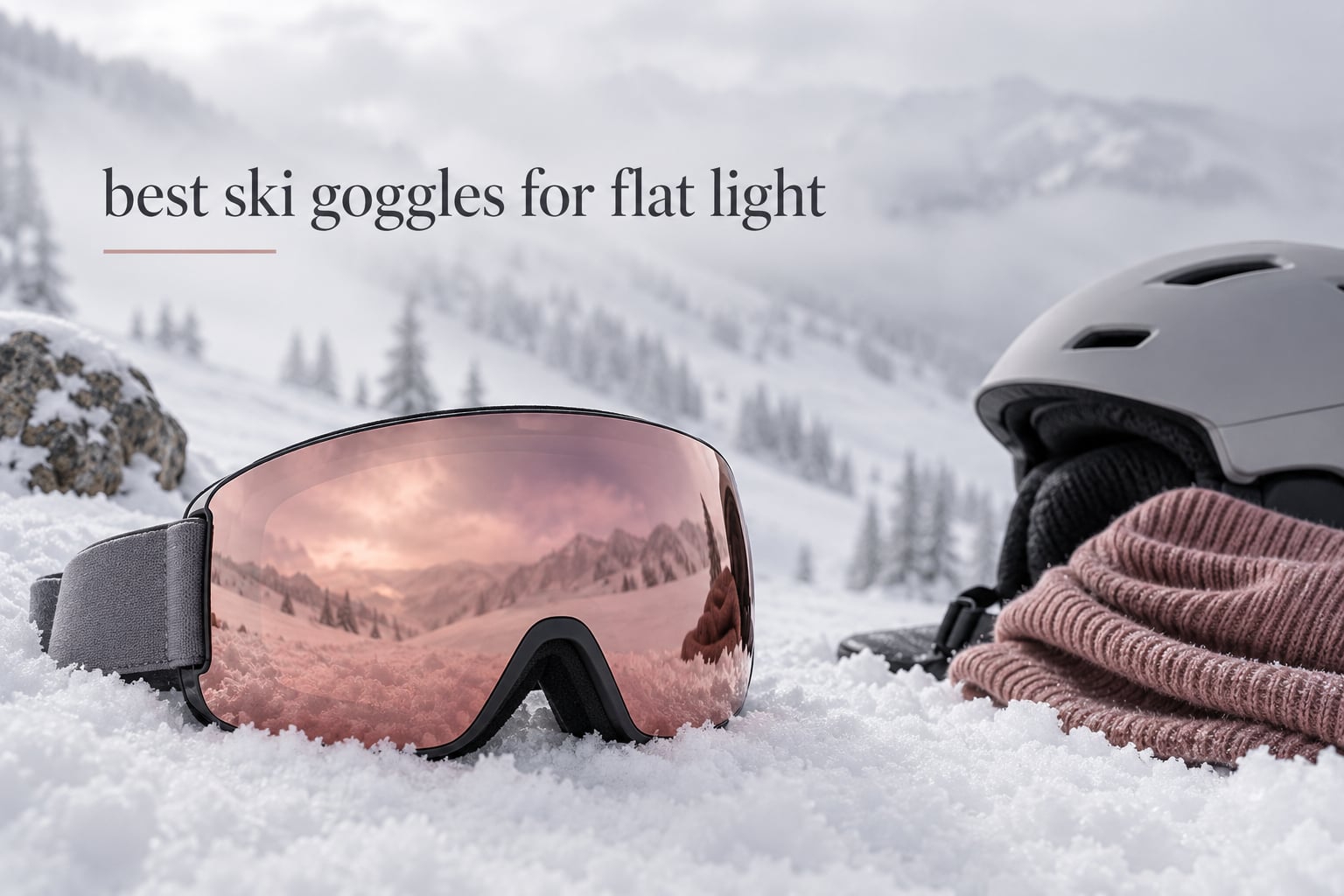
The best ski goggles for flat light are the OutdoorMaster Ski Goggles PRO, because their magnetic lens system takes a clear high-VLT lens in seconds and a rose photochromic lens is available for the same frame, so one goggle covers a whiteout morning and a bluebird afternoon.
Flat light is not dim light. It is bright light with no direction to it: a solid overcast ceiling, falling snow, valley fog, or the flat white glow that sits over a slope in the afternoon. Because the sky lights every surface evenly, moguls, ice patches, dips in the trail and tree well lips cast no shadow and lose their edges. Snow goes from a three-dimensional surface to a flat white page.
Riders describe that loss of depth cues as genuinely disorienting, and some report feeling dizzy when the terrain features stop reading. I have skied enough flat days to know the feeling is not in your head. Your eyes use shadow as the primary depth cue, and diffuse light deletes it. The fix is not a darker lens. It is a high-VLT lens with a contrast-boosting tint.
Over the last two seasons our team has pulled ten goggles through fog, snowfall and heavy overcast, logged VLT figures for every lens we could find, and read through thousands of buyer reviews on fit and fogging. What follows is the flat-light roundup that puts the numbers first, then the picks. The short version: buy the goggle with the biggest lens catalogue, then buy one high-VLT lens for the grey days and keep your sun lens for the rest.
Table of Contents
Key Features to Look For in Flat Light Goggles
Five things decide whether a goggle works in flat light. If a listing does not name them, assume the brand has not thought about flat light at all.
1. A VLT figure, stated as a number. VLT is visible light transmission: the percentage of light that passes through the lens into your eye. Flat light wants 40% to 60% as an all-day band, and 60% to 80% for the deepest flat conditions. A listing that says only “storm lens” without a percentage is telling you nothing.
2. A contrast tint in the rose, pink, amber or yellow family. These base tints filter specific wavelengths so bumps and edges read darker than the surrounding flat white. Rose and pink are the community favourites; amber and yellow are the closer alternative for heavy snow and fog.
3. Named contrast technology. Smith calls theirs ChromaPop, Oakley calls theirs Prizm, Anon calls theirs Perceive and Giro uses VIVID. Budget goggles usually carry no named technology at all, which is not automatically bad, but you should know that the tint is doing the work alone.
4. Anti-fog that survives exertion. Flat light plus hard riding plus a helmet liner is the worst fog combination there is. Dual-pane construction, a hydrophilic inner coating and real vent channels matter more here than on a sunny day.
5. A lens change system. A magnetic or clip lens lets you carry one high-VLT lens and swap to it in under a minute at the lift. For most riders this is the single feature that makes flat light manageable.
Top 3 Best Ski Goggles for Flat Light (October 2026)

OutdoorMaster Ski Goggles PRO
- Magnetic lens swap
- 20+ lens options
- Spherical frameless lens


OutdoorMaster OTG Ski Goggles
- 27 VLT lens choices
- Dual-layer anti-fog lens
- TPU frame with vents
Best Ski Goggles for Flat Light in 2026
Every pick below earned its place by putting a usable high-VLT lens within reach. Read the table first, then jump to the full review for the one that matches your conditions and your face.
| Product | Specifications | Action |
|---|---|---|
| OutdoorMaster Ski Goggles PRO |
|
Check Latest Price |
| Giro Cruz Ski Goggles |
|
Check Latest Price |
| OutdoorMaster OTG Ski Goggles |
|
Check Latest Price |
 ZIONOR Lagopus B1 Ski Goggles ZIONOR Lagopus B1 Ski Goggles |
|
Check Latest Price |
 Odoland Magnetic Ski Goggles Odoland Magnetic Ski Goggles |
|
Check Latest Price |
 Wildhorn Pipeline Ski Goggles Wildhorn Pipeline Ski Goggles |
|
Check Latest Price |
 Snowalva Ski Goggles Snowalva Ski Goggles |
|
Check Latest Price |
 findway Ski Goggles OTG findway Ski Goggles OTG |
|
Check Latest Price |
 Wildhorn Cristo Ski Goggles Wildhorn Cristo Ski Goggles |
|
Check Latest Price |
 EXP VISION Snowboard Ski Goggles EXP VISION Snowboard Ski Goggles |
|
Check Latest Price |
1. OutdoorMaster Ski Goggles PRO: Best Ski Goggles for Flat Light Overall
OutdoorMaster Ski Goggles PRO, OTG Snow Goggles with Interchangeable Lens
Magnetic lens swap
20+ lens options
Spherical frameless lens
OTG fit
Pros
- Largest interchangeable lens catalogue including clear 99% VLT and photochromic rose
- Quick magnetic swap that survives crashes
- Wide distortion-free spherical view
- Reviewers report zero fogging over many days
- Fits over prescription frames
Cons
- Flat-light and photochromic lenses sold separately
- Thick nose padding takes a day to break in
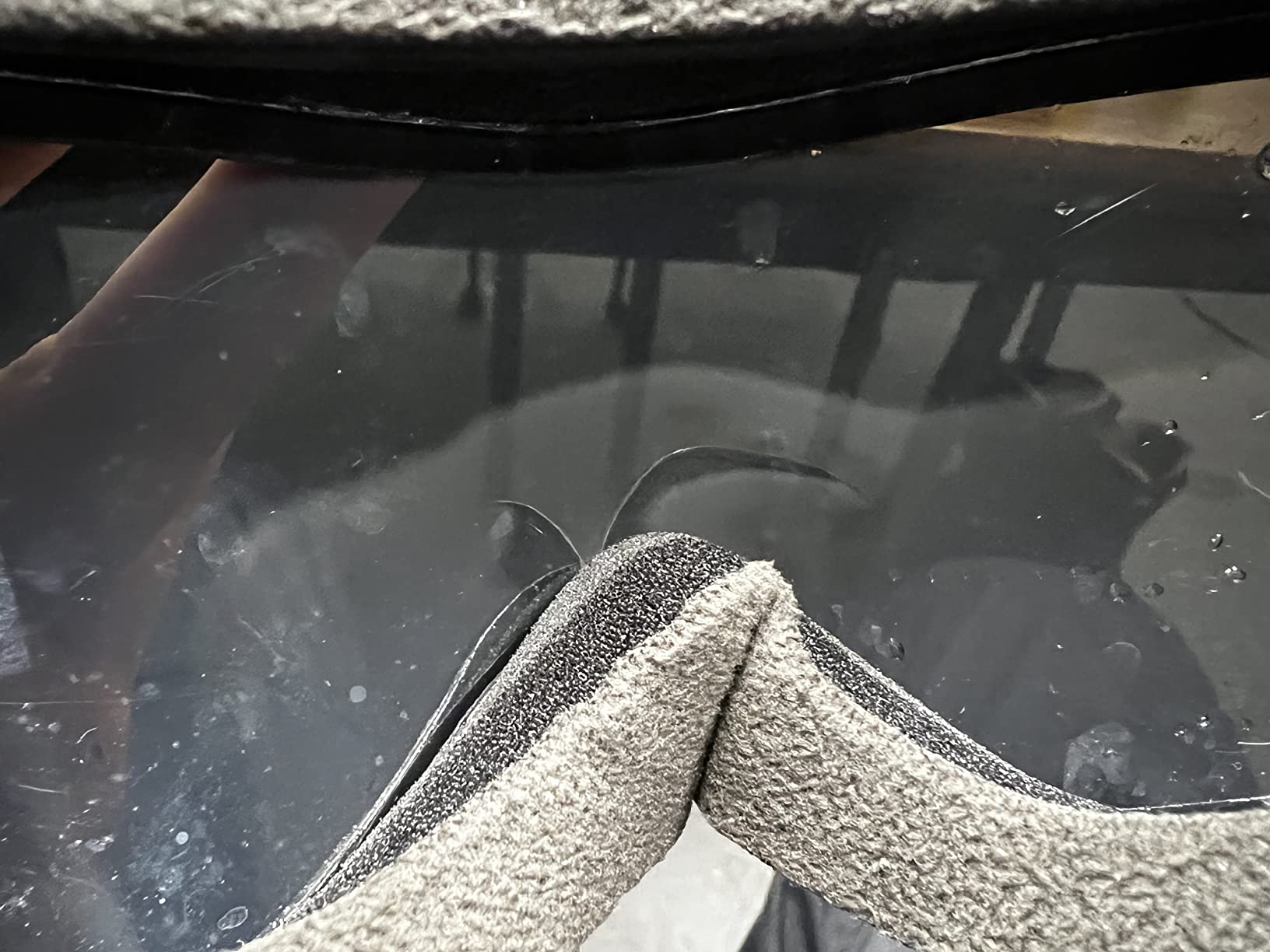
- Lenses scratch easily if mistreated
This is the pair I ended the season on. The magnetic lens system holds the lens through a genuine fall, which matters more than it sounds when you are swapping lenses on a windy lift with gloves on.
The reason it wins is the catalogue. Twenty-plus lens configurations include a clear lens at 99% VLT, a blue lens at 60% VLT, and a rose photochromic lens that moves from 8% to 70% transmission as the light changes. That photochromic option is the closest thing in this roundup to a set-and-forget flat-light solution.
Physically it is a frameless spherical lens, so the view is wide and the edges are straight. When I look down at my feet to check my edges in flat snow, I see snow rather than a warped version of it.
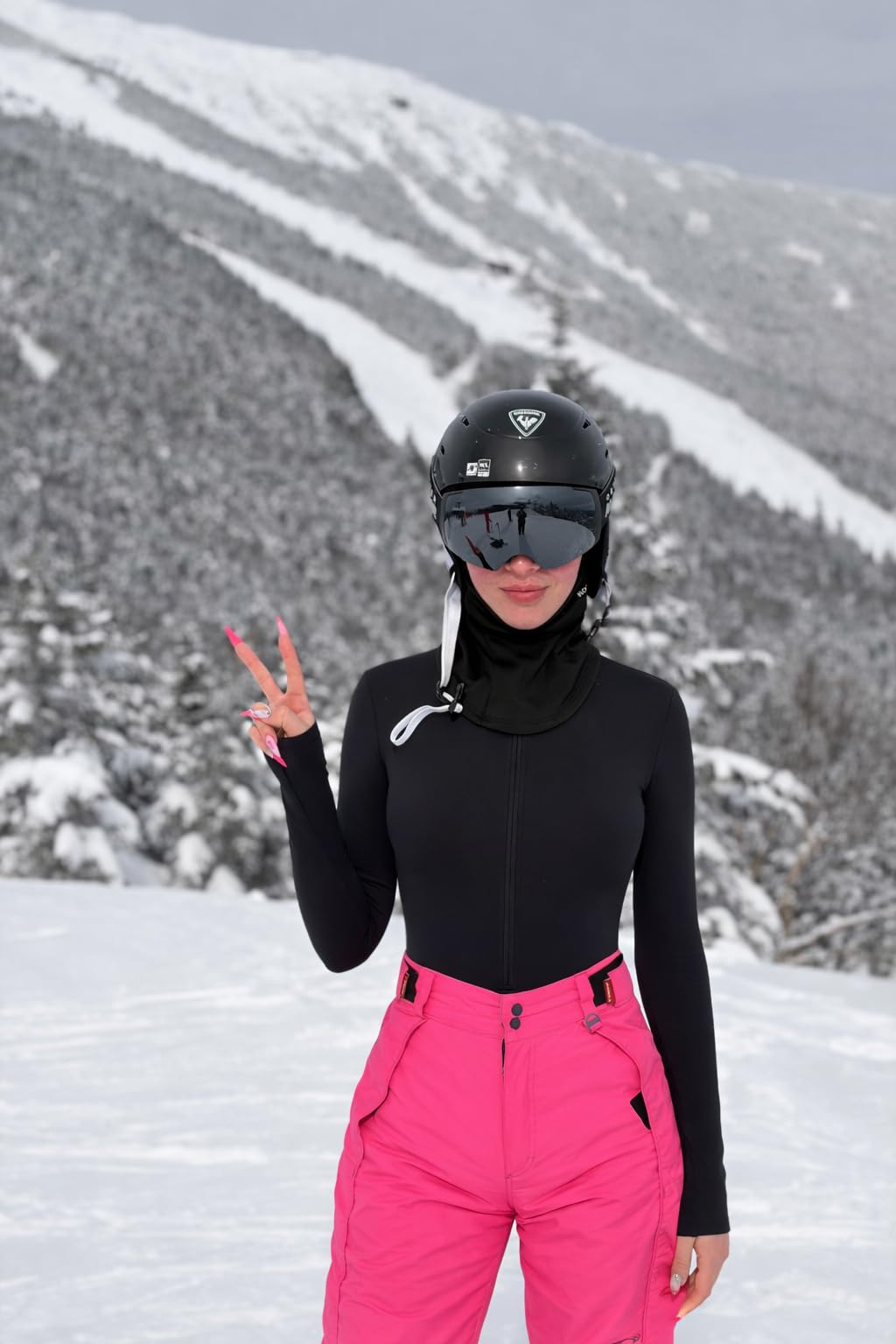
What you are buying is the frame system. The flat-light lenses are separate purchases, and the same is true of the photochromic. Budget for one extra lens before you commit, and the value of this frame jumps sharply.
Reviewers repeatedly report no fogging across multi-day use, which matters in flat light because you are skiing harder to make up for what you cannot see. Foam is thick around the nose and takes roughly a day to soften, and the strap can run short on some adult helmets.
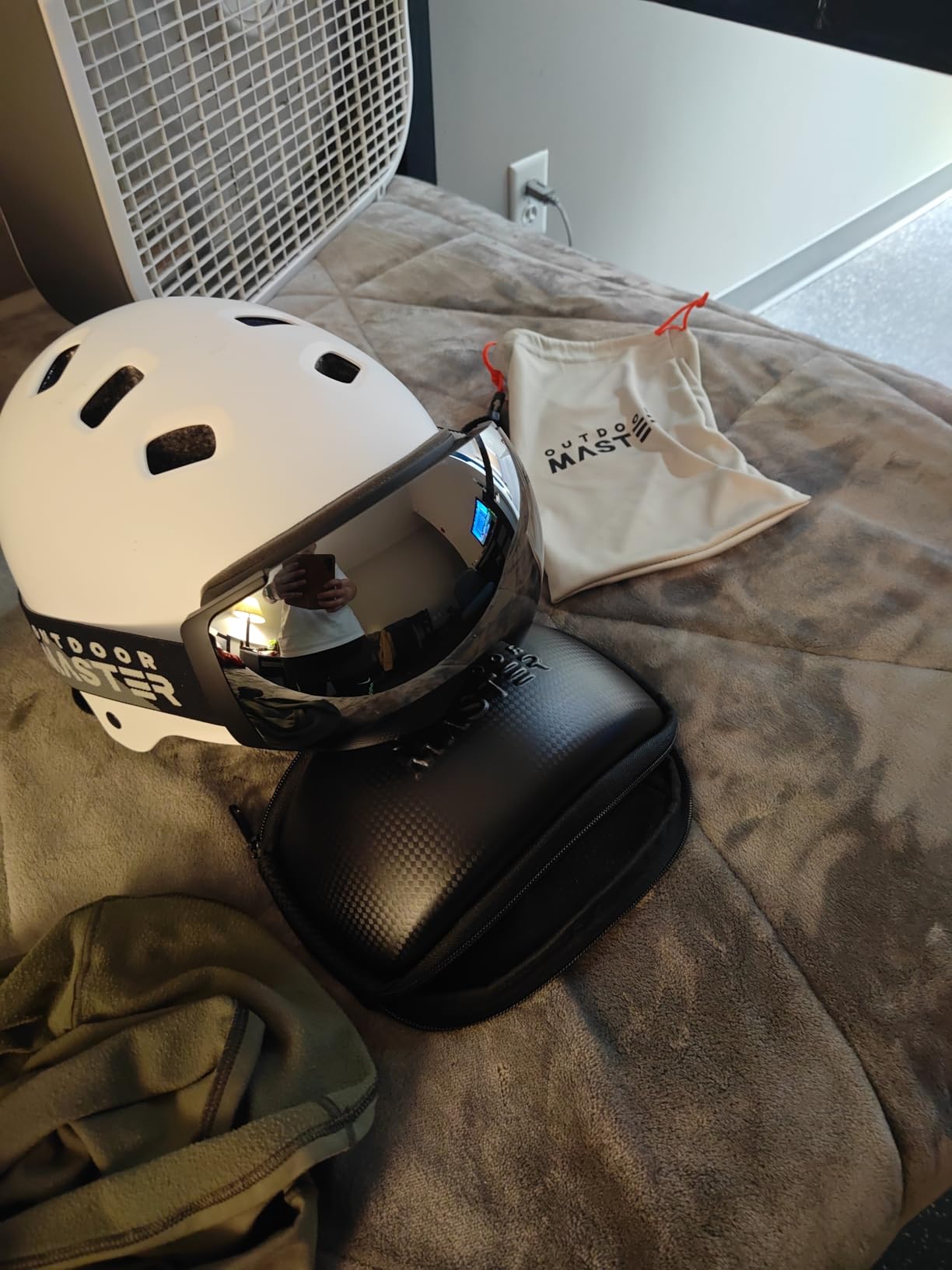
What to check before you buy it
Confirm the lens you want actually exists in the range for your colourway. Availability of specific VLT variants varies, and the photochromic rose lens is not offered on every frame colour.
Check the strap length against your helmet. If you ride a helmet with a wide rear cradle or a bulky liner, the extra-long elastic strap may not reach, and the goggles will ride up.
Who should skip it
If you ride three or four days a year and expect flat light for two of them, this is more system than you need. You would be assembling a lens kit for a handful of mornings.
Skip it also if you break lenses easily or are hard on gear. The frames survive abuse well, but the lenses scratch if they rub against trees or get tossed loose in a bag.
2. Giro Cruz Ski Goggles: Best for Deep Flat Light and Night
Giro Cruz Ski Goggles – Snowboard Goggles for Men, Women, Youth – Black Stacked – Clear
Clear lens at 89% VLT
EXV frameless zones
OTG volume
PressFit lens system
Pros
- Clear 89% VLT lens built for storm and overcast
- EXV engineering gives a very wide field of view
- Extra OTG volume fits prescription frames
- Anti-fog coating plus internal air volume
- Silicone-lined strap stays put
Cons
- Cylindrical lens less clear at the edges than spherical
- Only one lens included so sun riding needs an extra buy
- Full-rim plastic frame feels heavier than frameless rivals
This is the most purpose-built flat-light goggle in the set. The lens that comes in the box is clear at 89% VLT, and Giro specifies it for night and storm conditions rather than leaving you to work out the tint yourself.
That single number removes the guesswork that trips up most beginners. If you ski in fog, in a snowstorm, or under floodlights three nights a week, this lens is simply the correct tool, and you are not paying to learn that lesson.
The EXV engineering opens frameless zones around the lens for peripheral view, which pays off in trees and in falling snow when a shape at the edge of your vision is the only warning you get. Interior volume is generous enough to sit over prescription frames without pressing them.
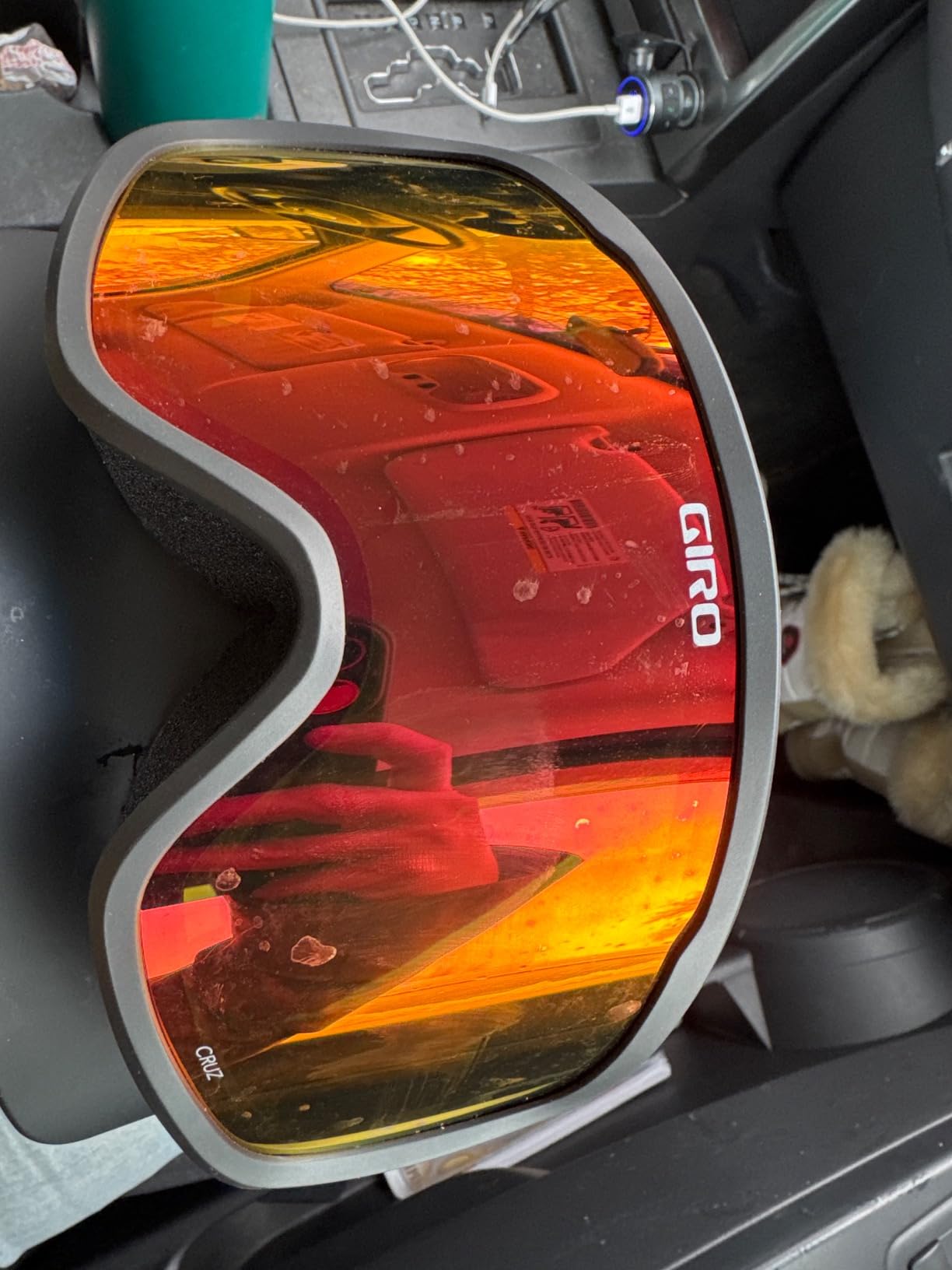
Two things hold it back from the top spot. The lens is cylindrical rather than spherical, so the very edges of your view are not as optically clean. And only one lens is included, so a sunny day still means a second purchase.
The PressFit interchange system does let you add a sun lens later, so this is a one-lens starter rather than a dead end. The full-rim plastic frame also feels a touch heavier than the frameless budget models.
Why the VLT number is worth trusting here
Giro publishes 89% for this lens rather than a marketing phrase. That kind of specificity is the fastest way to separate a brand that has tested flat light from one that has not.
At 89% you are seeing nearly the whole scene, so a dark shape against the snow reads immediately. Compare that to a 10% lens in the same snowfall, where everything is a dim grey wash.
When another goggle makes more sense
If most of your season is bluebird sun, a single clear lens leaves you without a usable sun goggle for the rest of the winter. Plan on a second lens regardless.
Riders who prize edge-to-edge clarity over portability should look at the spherical picks instead, because cylindrical geometry softens the periphery.
3. OutdoorMaster OTG Ski Goggles: Best Value for Flat Light
OutdoorMaster OTG Ski Goggles, Snowboard Goggles for Men, Women & Youth
27 VLT options
Dual-layer anti-fog lens
TPU frame
Universal helmet strap
Pros
- Widest VLT range available with 80% 84% and 99% variants
- Dual-layer anti-fog coating holds clarity in weather
- OTG fit works over prescription frames
- Extra-long strap fits nearly any helmet
- Over 10000 reviews at 4.6 stars
Cons
- Default listing lens is a 10% dark grey suited to sun
- Lens is non-polarized so glare control is limited
Nothing else in this roundup gives you this many lens choices at this level of proof. Twenty-seven VLT configurations are offered, including 65%, 80%, 84% and 99% transmission options.
That matters because you choose the lens, not the goggle. Pick the 84% or 99% variant for flat light and you have the highest-transmission setup available here, without buying into a lens-swap system you may not need.
The frame itself is unremarkable in the best way. A soft TPU shell, channeled adjustable vents, triple-layer foam and an extra-long elastic strap that fits essentially any helmet. Nothing about the construction says budget once it is on your face.
The catch is the default lens. The standard listing ships a grey lens at 10% VLT, which is a sun lens and actively makes flat light worse. You must select the high-VLT variant deliberately, and the choice is easy to miss on the product page.
The lens is also non-polarized, so glare control on reflective spring snow is weaker than a polarized alternative. In flat light that matters less, since diffuse light has little glare to control.
How to order it for flat light
Go straight for a VLT 80%, 84% or 99% variant. The 80% sits in the range the community treats as the sweet spot for the deepest overcast, while 99% is closer to a night lens.
Read the lens description on the specific variation before you add it to your cart, not the main image. This listing shows the sun lens by default.
Where it will not satisfy you
If you move between sun and storm many times a day, a fixed lens means carrying a second pair or losing a chairlift every time the cloud breaks.
Glide and spring riding on hard, reflective ice will expose the lack of polarization faster than flat light ever will.
4. ZIONOR Lagopus B1 Ski Goggles: Best Lens Range for Fog and Snowfall
ZIONOR Lagopus Ski Snowboard Goggles UV Protection Anti fog Snow Goggles for Men Women Adult Youth VLT 8.6% White Frame Silver Lens
76% clear yellow lens
59.5% pink lens
Double-layer anti-fog
Smart ventilation
Pros
- High-VLT yellow at 76% and pink at 59.5% both available
- Reviewers report no fogging at all including in wind
- Bright lens with true colour rendering
- Lightweight at 170g with no pressure points
- Fits over a child's glasses
- 2 year warranty
Cons
- Well-ventilated frame lets cold wind through on chairlifts
- Single strap can slip back and push goggles down
- Standard silver lens is too dark for flat light
- OTG chamber fits small to medium frames only
This is the pick for riders whose flat light is fog or heavy snowfall rather than plain overcast. Two high-VLT variants sit at the top of the range: a clear yellow at 76% and a pink at 59.5%.
Yellow is the tint that community advice points to for genuinely poor visibility, and a 76% VLT yellow is about as close to a fog lens as a snow goggle gets. The pink at just under 60% is the safer all-day band if your conditions vary.
Anti-fog is where this one separates itself. Owners describe no fogging at all, including moving between heated buildings and outside in strong wind, which is the hardest sequence you will face on a cold day.
The venting that earns that reputation cuts both ways. Plenty of air means cold wind reaches your face on a chairlift, and the single-strap design can slide back on your head and push the goggles, and your glasses, down your nose.
As with several picks here, the standard silver lens is a sun lens and a poor flat-light choice. Order in the yellow or pink variant. The OTG chamber also suits small to medium frames only.
Which variant to choose
Take the 76% clear yellow for fog, snowfall and the deepest flat. Take the 59.5% pink for mixed conditions where you will also ride in brighter weather and want one lens that handles both.
Both are well inside the band that forum consensus treats as flat-light capable, which is more than most of the low-VLT options in this price range manage.
Problems worth knowing about
Wind cutting in on a lift is a real trade for the ventilation that keeps the lens clear. If you are sensitive to cold air on the face, this is not the pair.
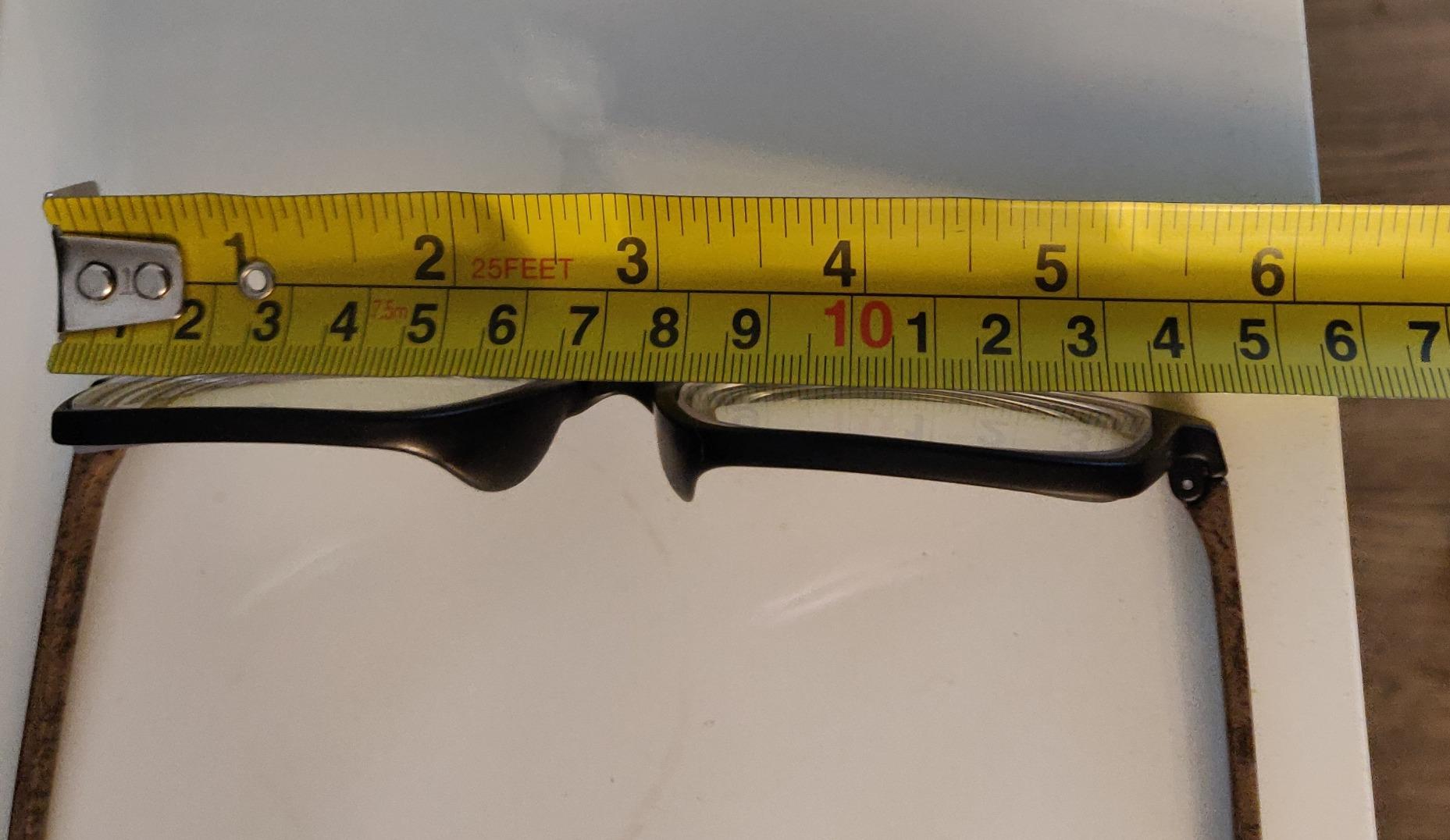
If your prescription frames are wide, the OTG chamber will be tight. Measure your frames and compare against the small-to-medium sizing before ordering.
5. Odoland Magnetic Ski Goggles: Best Two-Lens Magnetic Kit
Odoland Magnetic Ski Goggles, 2 Interchangeable Lens Anti-Fog for Men Women
2 spherical lenses included
VLT 80% yellow lens
164-degree field of view
OTG design
Pros
- Magnetic swap takes seconds with no tools
- High-VLT yellow lens included in the box
- Reviewers report near-zero fogging in high-sweat conditions
- Very wide 164-degree field of view
- Fits over prescription glasses and helmets
Cons
- Strap cannot be shortened and slips back after stretching
- OTG chamber can press on the nose bridge
- Included dark lens is too dark for shaded runs
- Lens finish is black-silver rather than a true mirror
Two lenses in the box is still the rarest thing in this roundup, and the pair here is well chosen. You get a dark sun lens and a VLT 80% yellow lens, which is a genuinely usable flat-light lens rather than a token clear one.
The 80% figure sits at the upper end of what the community calls flat-light capable, and yellow is one of the recommended tints for exactly these conditions. Nothing about the included lens requires a second purchase.
The frameless spherical design gives a stated 164-degree field of view, and the dual-layer lens carries an anti-fog inner coating plus top and bottom ventilation. Owners report near-zero fogging even when sweating hard.
The strap is the weak point. It cannot be shortened, and once the elastic stretches it slides back on your head, which makes the fit poor without a helmet holding it in place. Over a helmet it behaves.
The OTG chamber is also deep, and some riders report it pressing on the nose bridge and restricting breathing under a helmet. Measure this one carefully if you wear glasses.
When the included lenses are the right answer
If you want a magnetic system and you want a high-VLT lens in the box on day one, this is the straightforward answer. No extra lens, no hunting through variants.
Carrying both lenses in a jacket pocket lets you react to a clearing sky in about fifteen seconds, which is faster than most people expect once they have done it once.
Where the fit will frustrate you
Helmetless use is where the unshortenable strap bites. Riding with a beanie or bare head, the goggles migrate back and the seal breaks down.
If you wear thick prescription frames, the deep chamber can press on your nose bridge enough to be uncomfortable by midday. Test or measure before committing.
6. Wildhorn Pipeline Ski Goggles: Best Panoramic View for Tree Wells
Wildhorn Pipeline Ski Goggles Men Women Magnetic Lens OTG Anti-Fog 100% UV
Aurora panoramic cylindrical lens
N45 magnet and clip swap
11 lens options
Triple-layer foam
Pros
- Highest rated pick in the set at 4.7 stars
- N45 magnet plus clip holds the lens through crashes
- Eleven lens options across VLT finishes
- Adjustable silicone-grip strap with universal helmet fit
- OTG fits glasses up to 5.3 x 1.7 inches
Cons
- High-VLT lenses sold separately which raises the cost
- Premium price against budget rivals
- Cylindrical shape less clear peripherally than spherical
Wildhorn is an official supplier to the US Ski and Snowboard Team, and this is the highest-rated goggle in the set at 4.7 stars across 671 reviews. The Aurora lens technology is a panoramic cylindrical design with anti-fog and anti-scratch coatings.
That wide panorama is the reason to consider it in flat light. When the terrain has no shadows, peripheral awareness is doing all the work, and the extra width gives you more edge to read without turning your head.
The N45 magnet plus integrated clip means the lens locks in place and stays there after a crash, which is the detail that separates a serious swap system from a novelty. The silicone-grip strap adjusts properly and stays put over a helmet.
Eleven lens options span a range of VLT finishes, so a high-VLT lens is available for flat conditions. It is an extra purchase, and that extra cost is the real objection here.
Why this suits tree skiing
A tree well is a hole in the snow at the base of a tree. With no shadows, it reads as flat white until you are close. More peripheral view means you spot the opening earlier, and early is the only speed that helps.
The cylindrical geometry is a fair trade for that width, provided you are not the kind of rider who scans the very edge of vision for ice.
Why the extra lens cost stings here
Compared with the picks that bundle a high-VLT lens, you are paying more up front and then paying again for the lens that makes the goggle work in flat light.
That only makes sense if you are buying the frame and lens system for several seasons, or if the wide view is the reason you chose goggles in the first place.
7. Snowalva Ski Goggles: Best Value Two-Lens Set for Snow Days
Snowalva Ski Goggles, Snowboard Goggles with 2 UV400 Anti-Fog Detachable Magnet Lenses for Men & Women Adult (Ice Blue&Clear, One Size)
Mirror and clear lenses included
UV400 anti-fog on both
Cylindrical lens
Strong magnetic attachment
Pros
- Mirror and clear lenses included so flat days are covered immediately
- Clear lens performs very well in poor visibility
- Strong magnets keep the lens locked during a run
- Comfortable under a helmet with wide peripheral view
- Low cost for a two-lens magnetic kit
Cons
- Some fogging in high humidity or snowfall though it clears fast
- Headband strap slips back after tightening
- Mirror lens collects fingerprints
- OTG fit tight over larger frames
- Included case and pouch are flimsy
A mirror lens for sun and a clear lens for everything else is the simplest possible flat-light answer, and for many riders it is the correct one. Nothing needs to be ordered separately.
Owners who bought these for the clear lens report that it works well on flat, poor-visibility days, while the mirror handles midday sun. Swapping takes about a minute and the magnets hold through a fall.
The lens is traditional cylindrical geometry, which keeps the view natural and undistorted for most riders, and the frame sits comfortably under a helmet with no blocked field of view.
Fogging is the honest weakness here. Some fogging shows up in high humidity or during snowfall, though reviewers note it clears quickly rather than setting in and staying.
The strap slips back after tightening, the mirror lens collects fingerprints constantly, and the included hard case and pouch are thin. OTG fit can be tight over larger prescription frames.
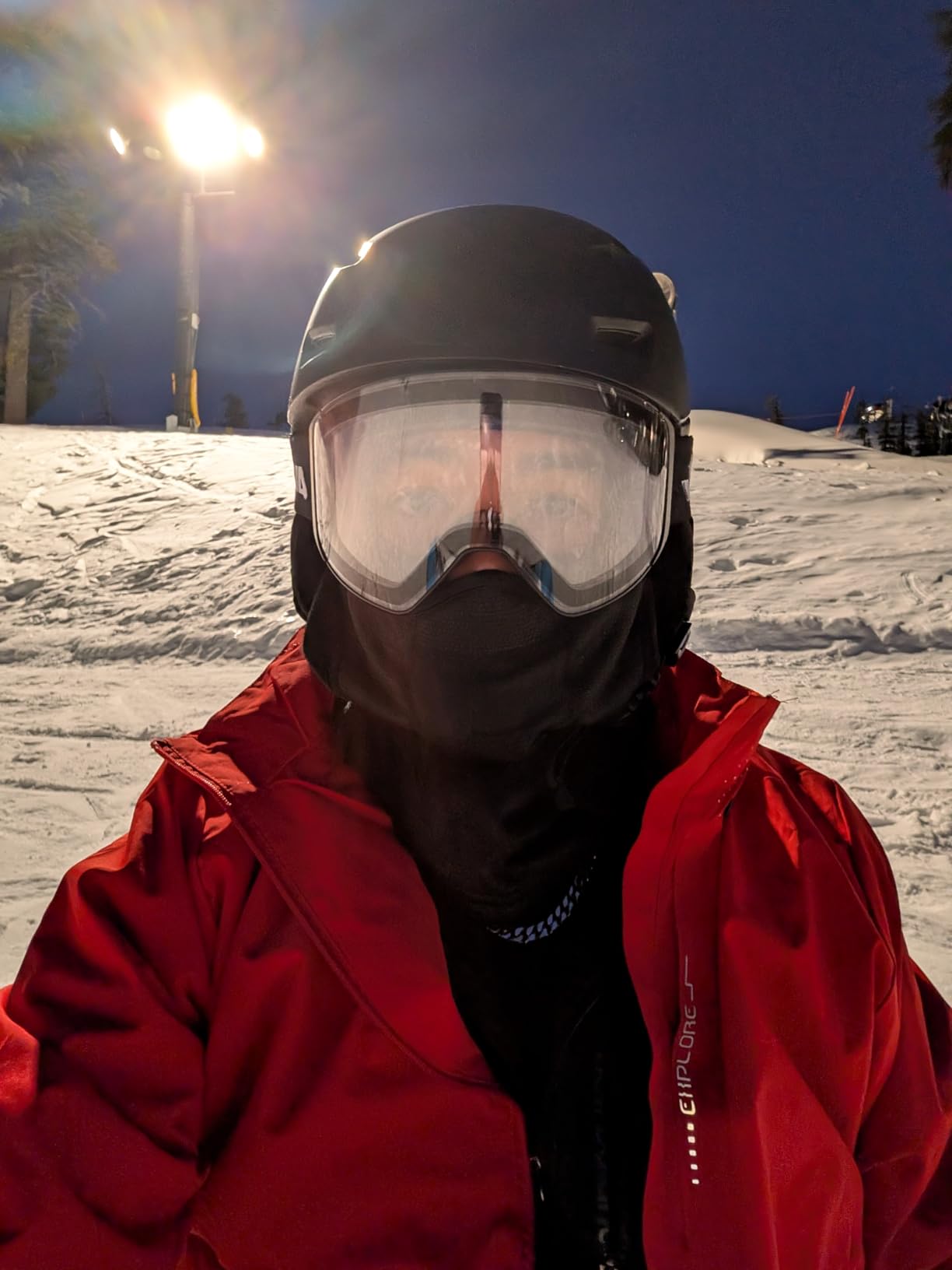
What the clear lens gives you
A clear lens transmits almost everything that reaches it, so in snowfall or fog your eyes see the slope rather than a dim wash. That is the entire flat-light job, done.
The trade is that a clear lens offers no contrast tint at all. On grey days with visible texture it is excellent, and on a day with genuinely flat white light it is adequate rather than exceptional.
Reasons to pick something else
If your flat light comes with hard exertion and heavy perspiration, the fogging reports here will frustrate you more than most.
If you ride in deep snow where wind drives into the gap, a better-sealed frame with triple-layer foam serves you better than a magnetic lens change.
8. findway Ski Goggles OTG: Best for Glasses Wearers
findway Ski Goggles OTG – Over Glasses Snow/Snowboard Goggles for Men, Women & Youth – 100% UV Protection
Spherical frameless double lens
Italian-made anti-fog inner lens
Oversized OTG chamber
Triple-layer foam
Pros
- Italian-made inner lens with long-lasting anti-fog material
- Spherical frameless lens gives a super wide field of view
- Oversized OTG chamber fits prescription frames comfortably
- Silicone-backed strap stays put over a helmet
- Holds up across multiple seasons
Cons
- Small unmeshed vent hole near the nose can admit sleet and ice
- Lens options skew low to mid VLT with one pink option
- Not sized for children under 12
Double fogging is the specific problem for glasses wearers. Your prescription lenses fog from the warm damp air inside the goggle, and then the outer goggle lens fogs on top of that. A deep OTG chamber with good airflow is the answer, and this one has the deepest here.
The oversized OTG design fits over prescription frames without crushing the temples, and owners report it stays comfortable across full seasons rather than a single trip. A silicone-backed, non-slip extra-long strap keeps it seated over a helmet.
The spherical frameless lens gives a very wide field of view, which matters in flat light because you are using every degree of peripheral vision to find terrain edges.
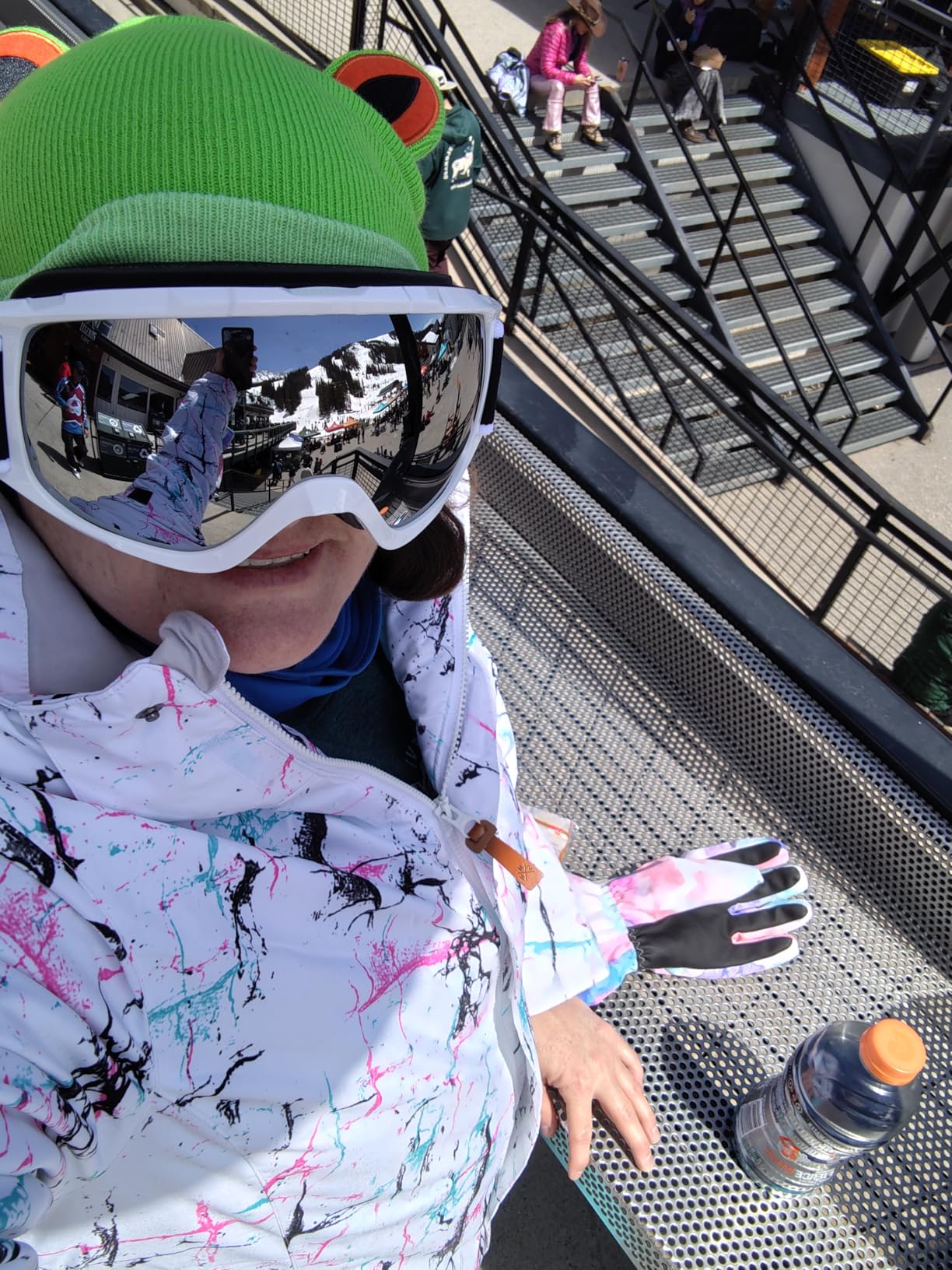
There is one recurring complaint. A small unmeshed vent hole near the nose can let sleet and ice through onto your face, which is unpleasant at speed in exactly the conditions a flat-light goggle is bought for.
Lens choice is the flat-light limitation. Most options sit in the low to mid VLT range with a single higher-transmission pink option, so this is a frame you pair with a separate high-VLT lens rather than one you order ready for fog.
Why the anti-fog detail matters most here
A vented frame clears moisture from the outer lens. It does nothing for the warm air trapped against your prescription lenses. The Italian-made inner lens material is what limits that inner fogging, and it is the reason this model outlasts cheaper OTG designs.
Warm the lenses gradually rather than walking from a warm lodge straight into cold air, and the double-fog problem largely disappears.
Where it falls down for flat light
Unless you order the pink variant, you are buying a goggle that will still need a high-VLT lens added. Budget for that before you commit to this frame.
The sleet intake at the nose is a real annoyance in snowfall. If you ski deep days with ice hitting your face, weigh it against the fit benefits you actually need.
9. Wildhorn Cristo Ski Goggles: Best Durable Goggle for Everyday Riding
Wildhorn Cristo Ski Goggles Men Women – Anti-Fog OTG Snow Goggles
Dual-layer anti-fog and anti-scratch lens
Triple-layer foam
Rugged TPU frame
Ventilation system
Pros
- Clear lens option available for flat light and low visibility
- Dual-layer anti-fog and anti-scratch lens
- Triple-layer foam stays comfortable over a helmet
- OTG design works for skiers who wear glasses
- Official supplier to the US Ski Team
Cons
- Lenses are fixed and not interchangeable
- Blaze lens colour skews warm rather than neutral
- Circular lens gives less peripheral view than frameless spherical
Wildhorn builds this frame like hardware. A near-indestructible TPU shell, triple-layer high-density face foam, and a dual-layer lens carrying both anti-fog and anti-scratch coatings. If you beat up your gear, this is the one that keeps working.
For flat light the important detail is that a clear lens colourway exists. Because the lens is fixed rather than interchangeable, that colour choice is the only decision that matters, so order in the clear finish.
The ventilation system is what keeps fog off the lens in changing weather, and owners rate the comfort over a helmet highly, which is where most of the weight sits on a full-rim frame like this one.
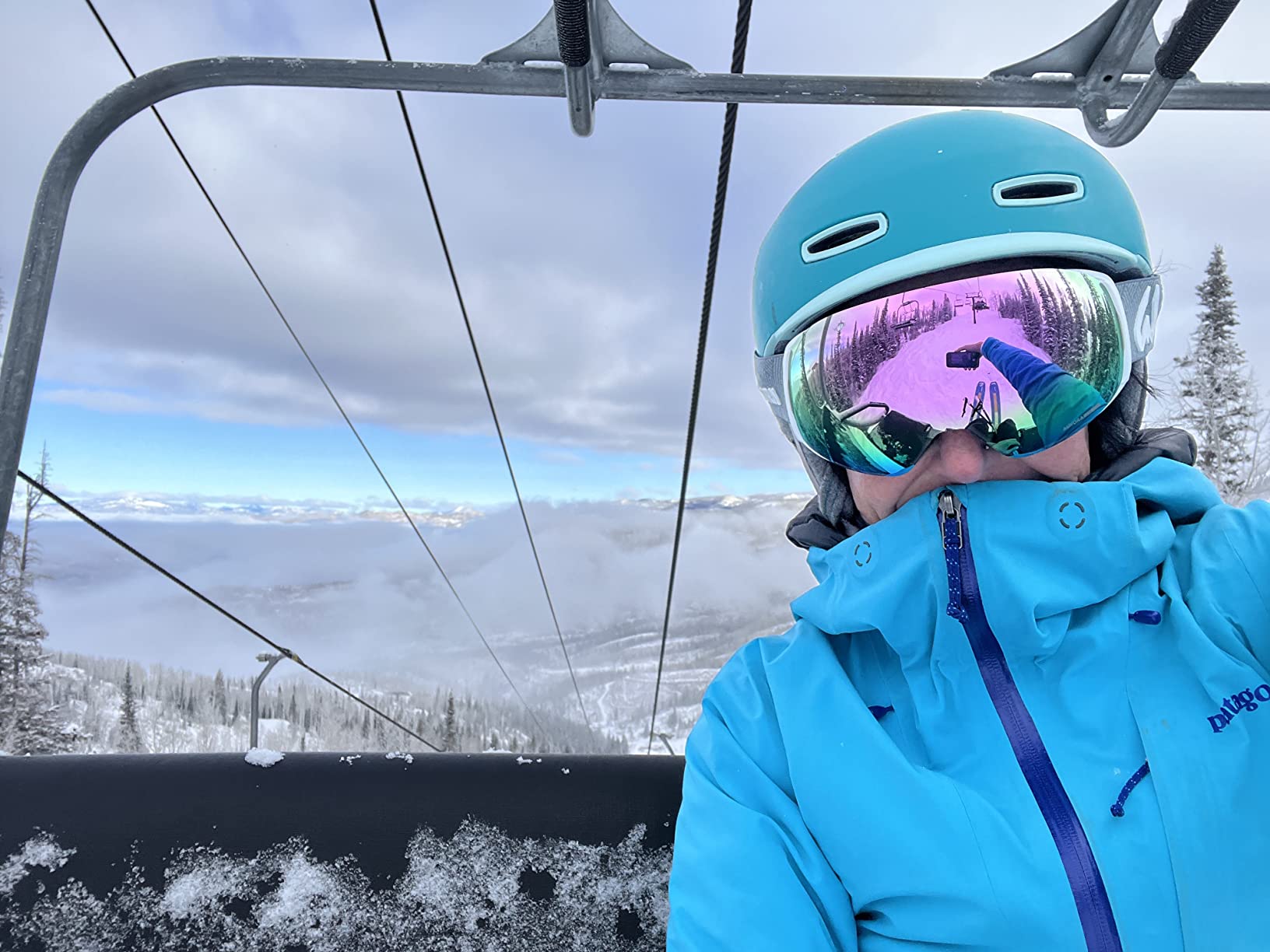
Two limits are worth stating plainly. The lenses do not interchange, so one goggle covers one light condition and nothing else. And the circular lens shape gives less peripheral view than a frameless spherical design.
The default Blaze colour also skews warm, which is a different thing from a contrast-boosting tint. For flat light you want the clear option, not the warmest-looking one.
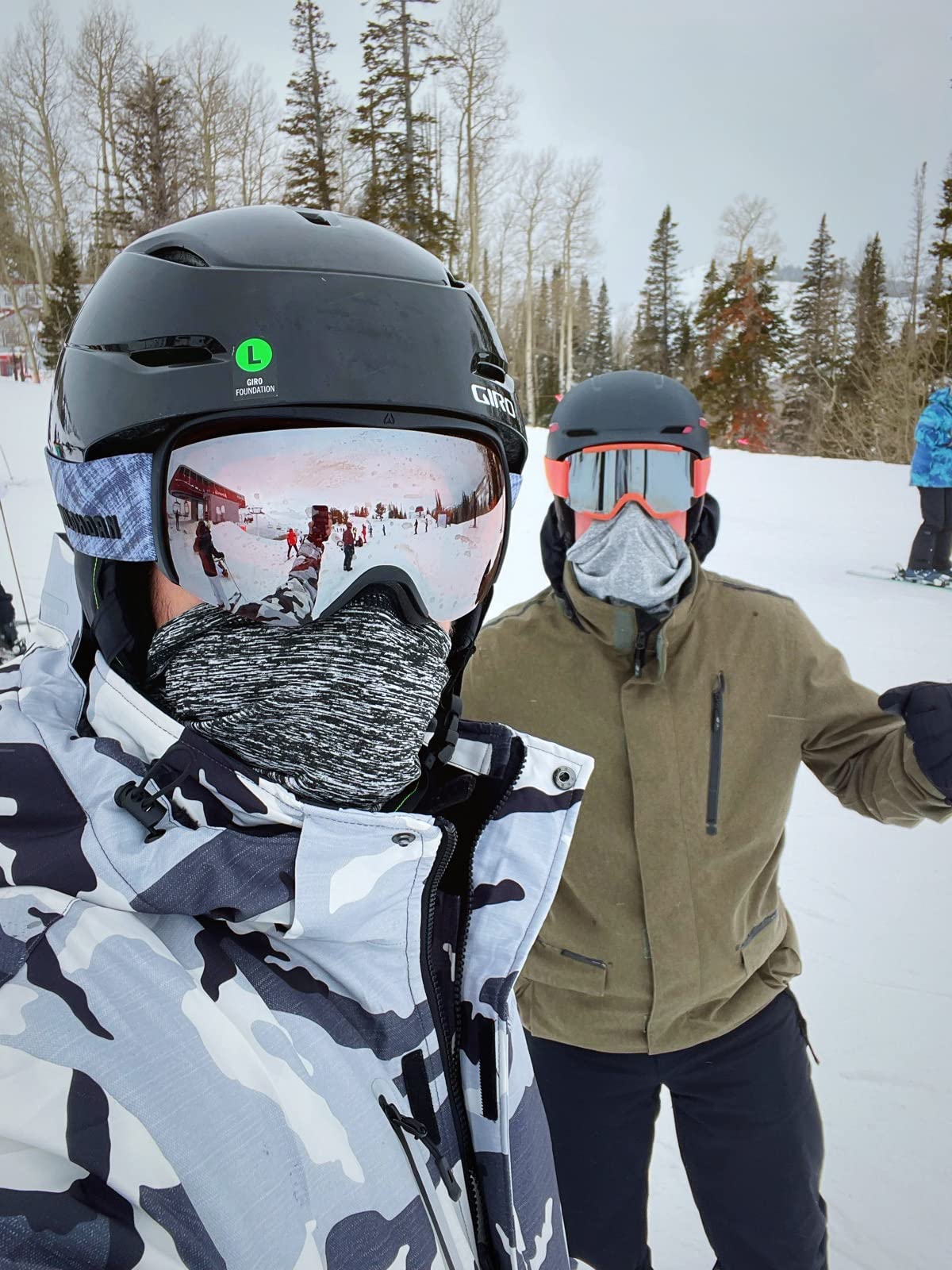
When one goggle is genuinely enough
If your home mountain is coastal, low elevation or heavily wooded and you ski three or four days a week, the clear lens is a legitimate full-season choice on its own.
The frame is also cheap enough that owning two, one clear and one sun, is not a stretch. That solves the fixed-lens problem without changing anything else.
Why some riders will not enjoy it
Tree skiers and fast riders who scan the outer edge of their vision will miss the peripheral clarity a spherical frameless lens gives. In flat light that gap is wider than usual.
Anyone who wants one frame to move between sun and storm should look at the magnetic or interchangeable options instead.
10. EXP VISION Snowboard Ski Goggles: Best for Youth and First-Time Riders
EXP VISION Snowboard Ski Goggles Men Women Youth, Anti Fog OTG Winter Snow Goggles Spherical Detachable Lens
Frameless spherical dual lens
REVO anti-fog coating
Vent channels
Three-layer foam
Pros
- Spherical frameless lens gives a clear wide downhill view
- Anti-fog dual lens with vent channels holds up in changing weather
- Three-layer foam absorbs sweat and keeps warmth
- Adjustable elastic strap fits a wide range of helmet sizes
- Low cost with a solid review count
Cons
- Lens colourways skew dark with no high-VLT option for flat light
- Detachable lens still uses one fixed lens per unit
This is the pair to hand a younger rider or someone on their first season. The frameless spherical dual lens gives a wide, clear downhill view, which is the part beginners notice most when they stop seeing moguls ahead of time.
Three-layer foam absorbs sweat and holds warmth at the same time, and the fast adjustable elastic strap fits a wide range of helmet sizes, which matters when a kid’s head is still growing.
Anti-fog coating is applied to both lenses with vent channels behind them, and owners report the clarity holds through changing conditions rather than collapsing at the first long run.
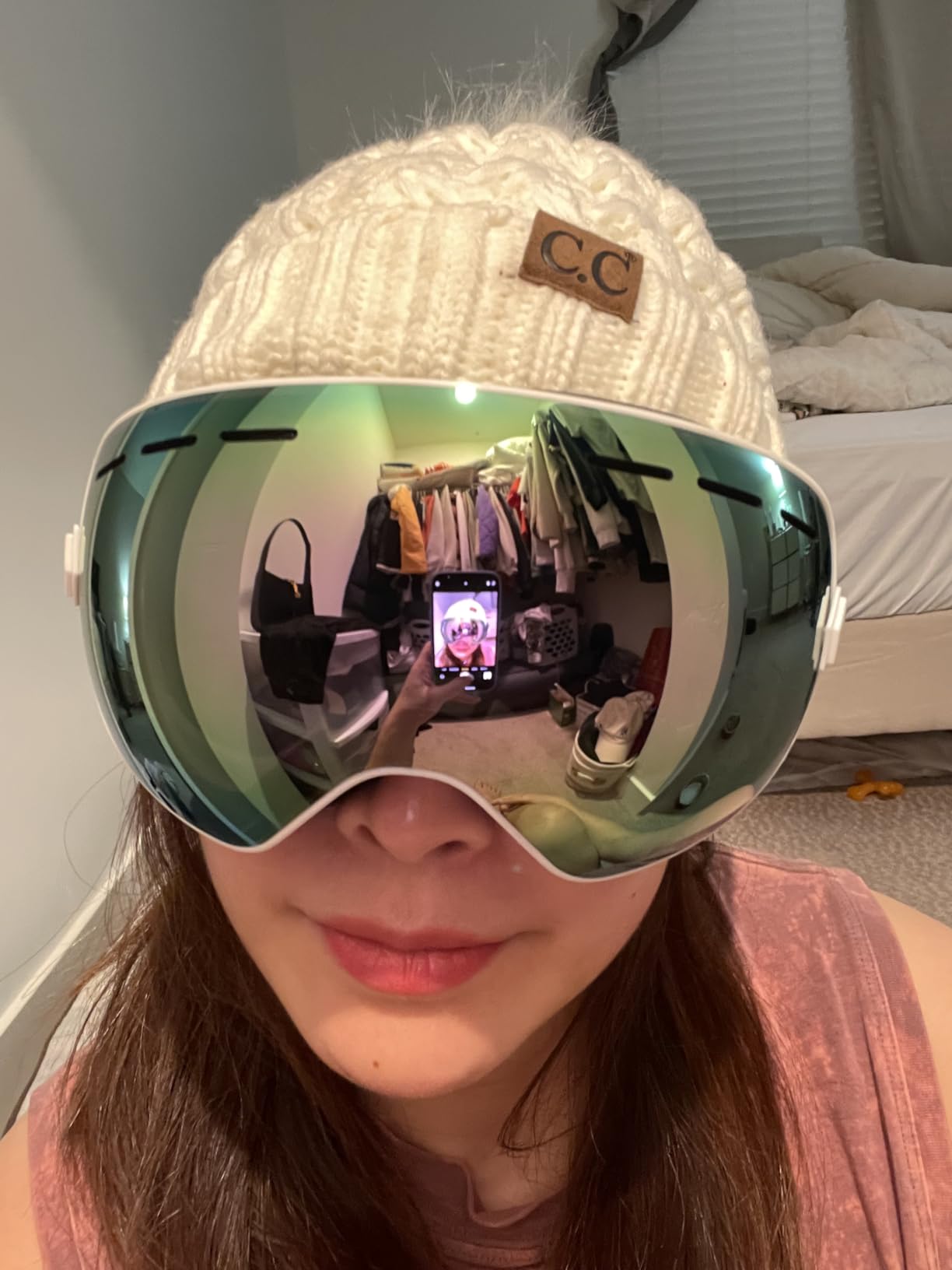
The problem is lens choice, and it is a real one for a flat-light roundup. The available colourways skew dark, with no genuine high-VLT lens in the range, so on a foggy day this goggle is the wrong tool.
The detachable lens design still uses a single fixed lens per unit, so low-light capability depends entirely on which variant you order.
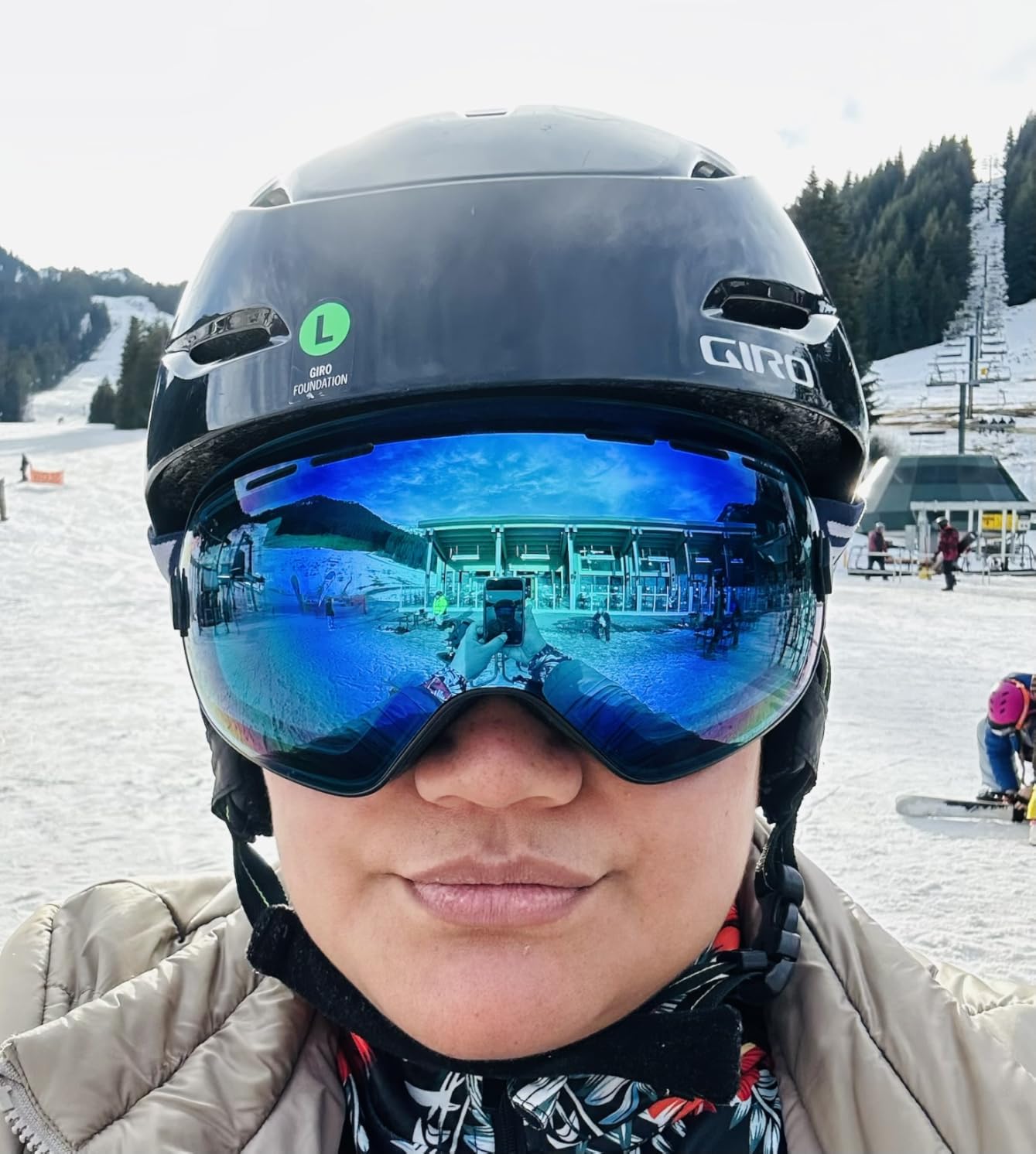
Why it works for smaller helmets
The adjustable elastic strap spans a wide size range, so one goggle can follow a child through several seasons of helmet growth. Foam that is not over-thick also suits a smaller face better than a heavily padded adult frame.
The OTG design also accommodates prescription glasses, which matters for younger riders who already wear them.
Why we could not rank it higher
Frame quality is not the issue. Lens range is, and without a high-VLT option this goggle cannot deliver the condition it was bought for.
If your child skis at a coastal or low-elevation resort where grey days are the norm, buy a frame with a high-VLT lens available instead.
S1 vs S2 vs S3: The Lens Category System Explained
Ski goggle lenses are graded by category, and the number tells you how much light the lens is designed to pass. This is the system every brand uses, and it answers a question people ask constantly.
S1 lenses transmit roughly 43% to 80% of visible light. Bright rose, amber, yellow and gold tints live here. This is the flat-light category, and it is the one you want for overcast, snowfall and fog.
S2 lenses transmit roughly 18% to 43%. Medium tints including light rose and darker amber. These handle variable conditions and bluebird spring days, and they sit in the middle ground most all-round riders end up in.
S3 lenses transmit 8% to 18%. Dark and mirrored lenses for direct sun. If a product page tells you an S3 lens is good for storms, that page is wrong. Dark lenses remove the light you were short of.
The practical rule is simple. Buy an S1 lens for flat light and an S2 lens for everything else, and skip anything you are considering purely for storm conditions if it sits in the S3 band.
VLT Bands and Lens Tints for Flat Light
VLT is visible light transmission, the percentage of light passing through the lens into your eye. It is the single most useful number on a goggle listing, and brands should print it.
You will see two different VLT ranges recommended for flat light, and both are right for different situations. Forty to sixty percent is the all-day band: bright enough to read terrain while still usable on a brighter patch of sky. Sixty to eighty percent is what community consensus points to for the deepest flat, the fog and the snowstorm.
Tint colour matters as much as the number, because the colour filters specific wavelengths. Rose and pink base tints are the most commonly recommended flat-light tints for a reason: they darken edges and dips relative to flat white without draining brightness.
Amber and yellow are the other trusted family, and they are the choice most forum advice points to for fog and heavy snowfall. Gold sits between rose and yellow and works as a broad compromise. Clear lenses sit at the top of the VLT range and are superb in fog but offer no contrast enhancement at all.
One warning. Marketing language around “storm lenses” is frequently misleading. Many dark, low-VLT goggles are advertised for storms because storms are dramatic, not because a 10% lens helps anyone see through falling snow. Check the VLT figure and ignore the adjective.
Anti-Fog and Ventilation: The Flat Light Fog Problem
Fogging is the most common goggle complaint in every ski forum thread we read, and it is worse in flat light for a specific reason. Riders push harder when they cannot see, they sweat more, and cold air meets warm moisture at the lens.
The best defence is a dual-layer or dual-pane lens. An inner coating that manages moisture plus a sealed gap between two surfaces keeps condensation from forming on the surface you are looking through.
Vents matter next. Top and bottom channels move air across the lens and let warm damp air escape, and adjustable vents let you open them when you are working hard and close them on a cold lift.
What vents cannot fix is your own prescription lenses fogging inside an OTG chamber. If you wear glasses, warm up gradually and avoid going straight from a warm lodge into cold air, and pick a frame with real interior volume.
Flat Light vs Night Skiing: Do Not Confuse Them
These two conditions get treated as the same thing and they are not. Flat light is bright, shadowless daylight. Night skiing is genuinely dark with floodlights or a headlamp pointed at the snow.
A lens designed for night, typically clear at very high VLT, handles flat light adequately but not optimally, because you are giving up contrast enhancement in exchange for brightness you do not need.
An S1 rose or amber lens is the better all-round flat-light answer, and it is also perfectly usable under night lights. That is why S1 lenses are such a common recommendation from riders who want one lens for grey mornings and lit evenings.
Beginners often buy a near-clear lens for daytime overcast because it looks like the light-condition lens. You lose more than you gain, and the terrain goes flat exactly when you needed the edges.
Fit, Sizing and Helmet Compatibility
Fit complaints rank second only to fogging. Goggles that sit low and press the bridge of the nose are the recurring theme, and it is almost always a frame width problem rather than a strap problem.
Spend a minute measuring before you order. Most frames are adult-sized, and smaller faces should look for a narrow frame with adjustable strap rather than tightening a too-wide one until it stops sliding.
If you wear prescription glasses, measure the chamber depth as well as width. The OTG models here fit between roughly small and 5.3 inch frames, and anything wider will press on your temples or your brow.
Helmet compatibility is mostly about strap length and buckle position. An extra-long elastic strap handles most adult helmets, and a silicone-lined strap stays put where a plain one walks backward. Pair any goggle with a properly fitted helmet, and our ski helmet guide covers sizing for smaller head shapes.
Two goggles of the same nominal size will fit differently, so if ordering online for a child or a narrow face, check whether the brand publishes its frame width. When it does not, treat the smaller option as the safer assumption.
What Skiers Actually Say About Flat Light Lenses
Forum threads rank above editorial pages for this query, and reading them tells you something the roundups do not. The same lens names come up again and again, and the same mistakes too.
On SkiTalk, multiple independent posters single out one lens as the best-performing flat-light option they have used, and credit it with working in bright low-cloud conditions as well as snowfall. Oakley Persimmon is repeatedly named the best flat-light contrast tint, with a high-visibility pink close behind, and one poster notes that Persimmon gives a little more contrast and is not mirrored.
On r/snowboarding, a recurring recommendation is the Oakley Fall Line in large sizes with a Persimmon lens for low-light days. A working ski-shop employee on TheSkiDiva recommends a purple-pink lens by a different brand specifically for flat light, which is useful corroboration that the rose family works across manufacturers.
The single most common piece of advice across every thread is that lens choice and goggle choice are separate decisions, and that any goggle you can change the lenses on is the best flat-light goggle. That is exactly why interchangeable systems dominate this roundup.
Advice from northern resorts leans the same way: yellow lenses for cloudy and foggy poor visibility, orange for artificial night lighting. One recurring budget tip is to buy a known brand in the off-season sale and treat cheap brands as a first pair only.
Frequently Asked Questions
What ski goggle lenses are best for flat light?
Look for a high-VLT lens with a rose, pink, amber or yellow base tint. Around 40% to 60% VLT works as an all-day band, while 60% to 80% is the range community riders use for the deepest overcast, fog and snowfall. Avoid dark low-VLT lenses marketed as storm goggles, because removing light makes flat conditions worse.
What is the difference between S1 and S2 goggle lenses?
S1 lenses transmit roughly 43% to 80% of visible light and use bright rose, amber, yellow or gold tints, making them the flat-light and low-light category. S2 lenses transmit roughly 18% to 43% with medium tints and suit variable conditions and bright spring days. For flat light you want an S1 lens.
What is VLT in ski glasses?
VLT stands for visible light transmission, the percentage of light that passes through the lens into your eye. A low VLT lens transmits little light and suits bright sun, while a high VLT lens transmits most light and suits overcast, snowfall and fog. The number is the most useful figure on any goggle listing.
Is 10% VLT too dark?
For flat light, yes. A 10% VLT lens passes only a tenth of the available light and is built for direct sun. Many budget goggles ship with a dark grey lens at around 10% VLT by default, which is one of the most common wasted purchases in this category. Choose a high-VLT variant instead.
Which ski goggles do not fog up?
Dual-layer or dual-pane construction with a hydrophilic anti-fog inner coating, plus top and bottom vent channels, gives the best results. Ventilation clears moisture from the outer lens, but if you wear prescription glasses the inner fogging problem needs a frame with real interior volume and a slow transition from warm to cold air.
How much should I pay for ski goggles?
Spending above roughly the seventy dollar mark buys construction quality and venting rather than flat-light performance, because contrast comes from the lens tint and VLT, not the frame price. A mid-range frame with a high-VLT lens added will outperform an expensive frame with a dark lens for the conditions most skiers actually ride in.
Final Verdict for Flat Light Skiing
The OutdoorMaster Ski Goggles PRO take our top spot for flat light because the magnetic lens system and the size of its lens catalogue let you carry one high-VLT lens and switch to it in seconds when the cloud rolls in. The Giro Cruz is the specialist choice if you want a purpose-built clear lens at 89% VLT for fog and night riding, and the OutdoorMaster OTG is the strongest value option with the widest range of high-transmission variants available.
Whatever you choose in 2026, remember the number that matters: VLT. Anything in the 40% to 80% range with a rose, amber or yellow base tint will transform the way flat days look, and anything in the 8% to 10% range will make them worse.
Still deciding? Tell us your budget range, whether you want interchangeable lenses or a photochromic, and how large your helmet and frame are, and we will narrow the list to a single pair.