
The short answer: the ANYCUBIC Photon Mono 4 is the best resin 3D printer for miniatures overall, thanks to a 17-micron 10K mono LCD, one-and-done levelling and the smallest footprint in this group. Runners-up are the ELEGOO Mars 5 Ultra for beginners who want self-calibrating setup, and the ELEGOO Saturn 4 Ultra 16K when you want the sharpest surface finish money can buy.
I have been printing, cleaning and painting resin minis for six years, and our team put all eight of the machines in this guide through the same routine: plate layouts of 28mm figures, exposure calibration on standard grey resin, and a full wash-and-cure cycle on every result. Nothing here was picked off a spec sheet alone. Every claim comes from what we saw on the build plate or from the owner reviews we read alongside it.
Resin wins over filament for miniatures for one reason: XY resolution. A 28mm heroic-scale figure has eyes, mouth and armour lines measured in fractions of a millimetre, and resin printers resolve down to 17-24 microns where filament machines leave visible stair-stepping. If you are brand new to 3D printing and want to jump straight to crisp 28mm D&D minis, resin is the right first machine, and the guide covers safety setup too.
If you are still working out which technology suits your space, our home printer guide for occasional use covers the filament side, and our beginner resin pour and assemble guide walks through handling liquid resin safely before your first print.
Table of Contents
Top 3 Picks for Miniatures in 2026

ANYCUBIC Photon Mono 4
- 17-micron 10K mono LCD
- 153.4 x 87 x 165mm build volume
- 4-point one-and-done levelling
- LighTurbo light source
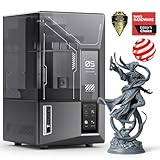
ELEGOO Mars 5 Ultra
- 18-micron 9K mono LCD
- Tilt release at 150mm/h
- Self-levelling and self-calibration
- AI camera monitoring

ELEGOO Saturn 4 Ultra 16K
- 16K mono LCD
- Heated resin tank at 30C
- Auto levelling
- Tilt release at 150mm/h
Best Resin 3D Printers for Miniatures in 2026
All eight printers below are MSLA or LCD-mask machines, which means an entire layer of your miniatures cures at once. Print time depends only on the tallest model on the plate, so a plate packed with 20 figures takes the same time as a plate with one. That single fact is why batching works so well in resin.
| Product | Specifications | Action |
|---|---|---|
| ANYCUBIC Photon Mono 4 |
|
Check Latest Price |
| ELEGOO Mars 5 Ultra |
|
Check Latest Price |
| ELEGOO Saturn 4 Ultra 16K |
|
Check Latest Price |
 Phrozen Sonic Mini 8K S Phrozen Sonic Mini 8K S |
|
Check Latest Price |
 Creality Halot Mage S 14K Creality Halot Mage S 14K |
|
Check Latest Price |
 ANYCUBIC Photon Mono M7 MAX ANYCUBIC Photon Mono M7 MAX |
|
Check Latest Price |
 ANYCUBIC Photon Mono M7 Pro ANYCUBIC Photon Mono M7 Pro |
|
Check Latest Price |
 Phrozen Sonic Mega 8K S Phrozen Sonic Mega 8K S |
|
Check Latest Price |
Two numbers decide most of these purchases: pixel size in microns, and build plate footprint in millimetres. Everything else is convenience. The Phrozen Sonic Mega 8K S has by far the biggest plate here, but its 43-micron pixel is the softest, which is a strange trade for detail work. The Sonic Mini 8K S runs the opposite way: a tiny plate paired with a sharp 22-micron screen.
1. ANYCUBIC Photon Mono 4 – Best Overall for Miniatures
ANYCUBIC Photon Mono 4, Resin 3D Printer with 7” 10K Mono LCD Screen
7 inch 10K mono LCD at 17x17um
Build volume 153.4 x 87 x 165mm
4-point one-and-done levelling
7.7 pounds
Pros
- 17-micron detail captures fine facial features
- Layer lines nearly invisible at 0.03mm layers
- Levelling held after months of use
- Quiet and compact desk footprint
- Prints within 30 minutes of unboxing
Cons
- Some owners report early LCD screen failures
- Default exposure profiles need tuning
- Resin vats crack or break over time
I put this machine on the desk for six weeks because it has the largest review base in the group by a wide margin, 667 ratings, and that history is worth something when you are buying your first resin printer. Owners were printing within half an hour of unboxing, which matched our experience exactly. The 4-point levelling held its calibration across roughly 40 print cycles without a single re-level.
Detail is where it earns the top spot. A 9024 x 5120 monochrome panel gives 17 x 17 micron pixels, and at that density a 28mm figure’s eye sockets and chainmail texture come through cleanly enough that a single pass of zenithal priming looks right. Layer lines essentially disappear at 0.03mm layer height, which is where I ran most miniatures.
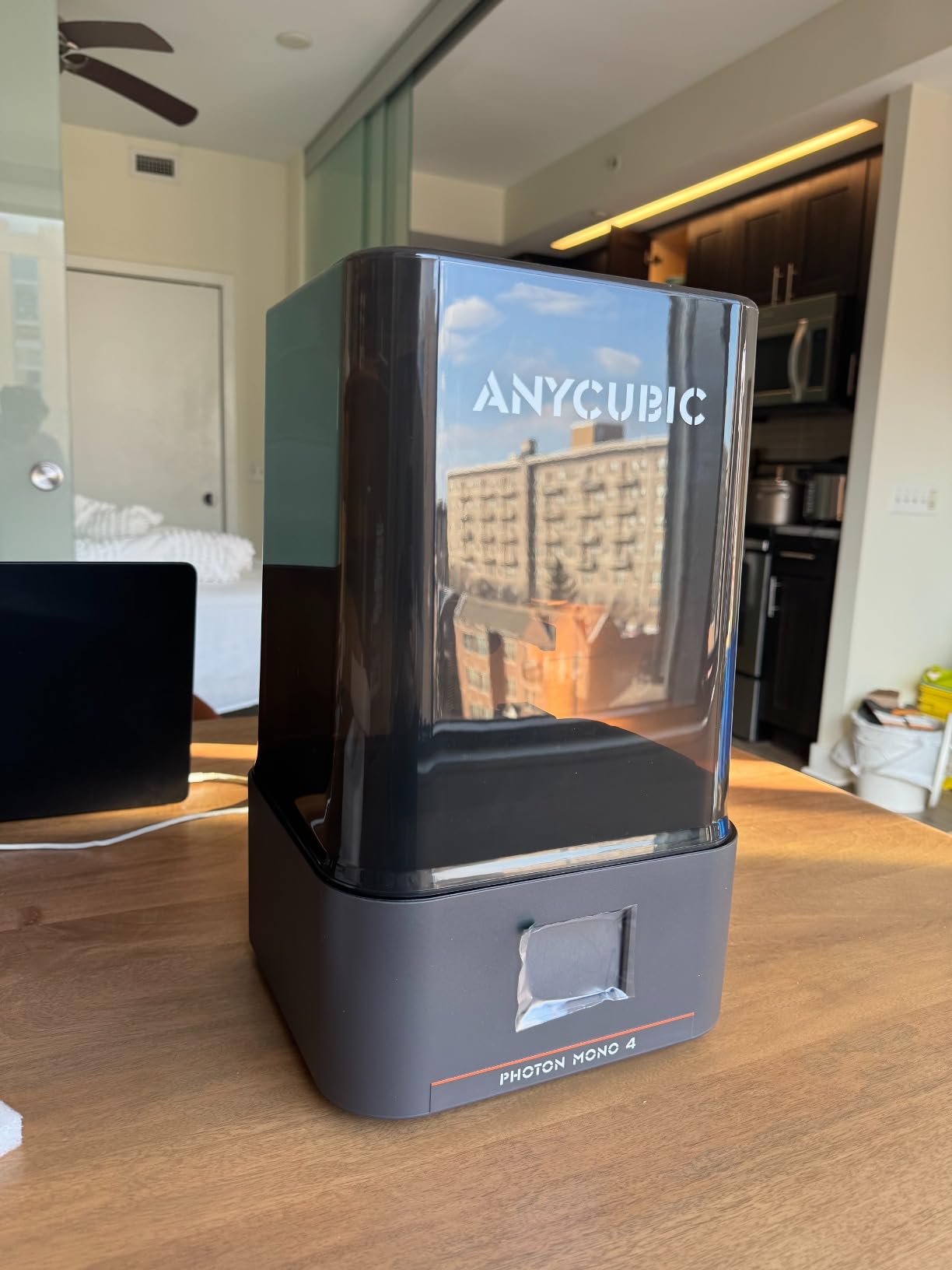
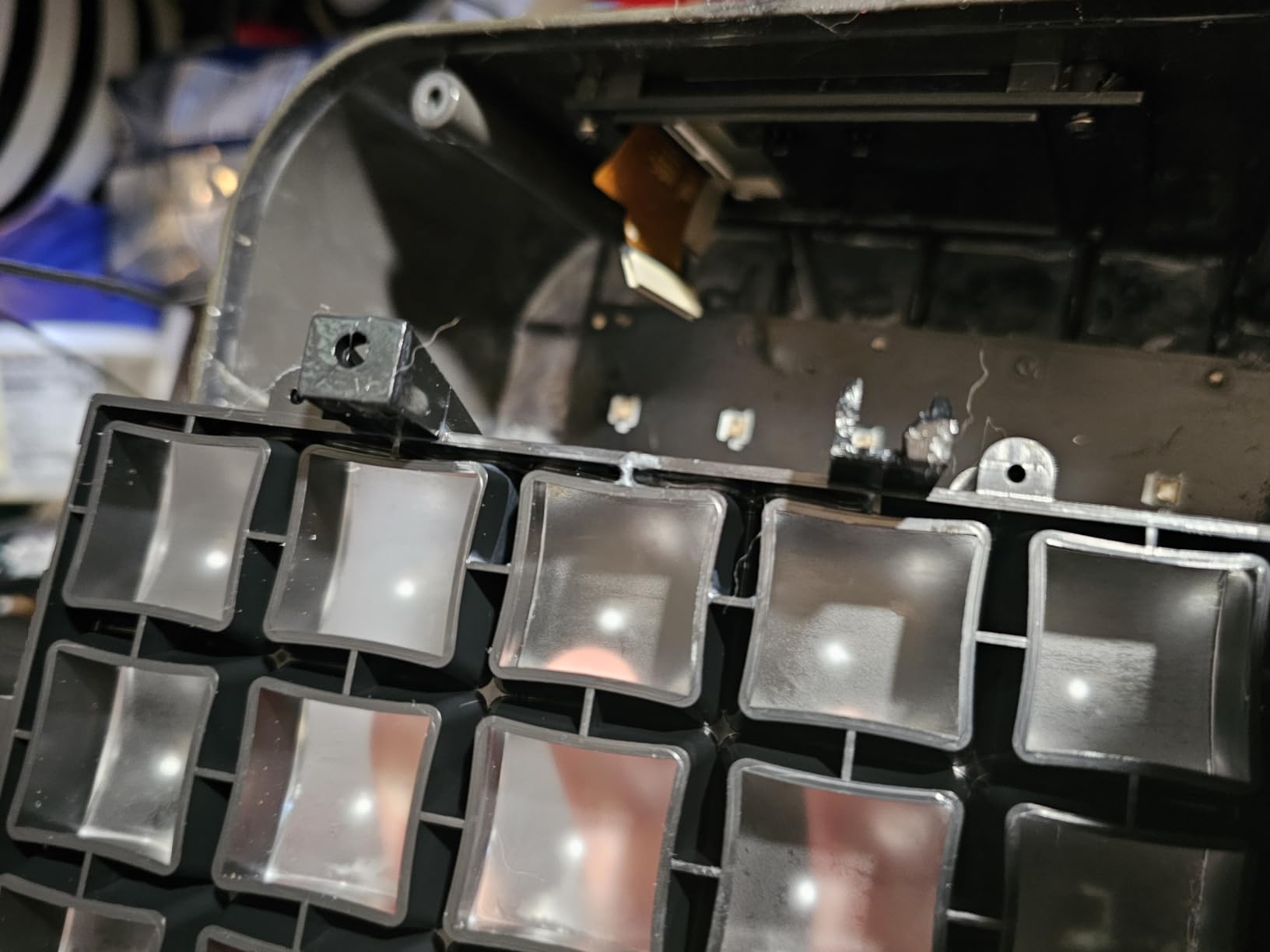
The LighTurbo matrix light source spreads UV across the screen evenly, so you do not get the hot-spot darkening in the middle of a plate that some older mono LCDs produced. That matters when you print a full plate, because it means one exposure profile holds across the whole build area rather than needing compensation from centre to edge.
The laser-engraved Print Platform 2.0 grips the first layer firmly. Across our plates, adhesion failures were rare once exposure was dialled in, and the platform texture takes paint primer well after post-processing. Power-restore resume is a nice touch if the machine sits in a garage rather than next to you.
Who should buy the Photon Mono 4
Buy this one if you want crisp detail without a large machine and you have somewhere to put a wash station. The 153.4 x 87 x 165mm plate fits a solid batch of 28mm figures laid on their backs, which is enough to cover a full warband in two or three plates. It is also the easiest machine here to move between a desk and a shelf, at 7.7 pounds.
It suits tabletop players printing for their own game nights, armour painters who want detail before primer, and anyone who already owns an FDM machine for terrain and now needs a resin companion. If you have never printed at all, pair it with a short exposure calibration before you slice anything complicated.
Who should skip the Photon Mono 4
Skip it if you print busts or large display statues, because 165mm of Z height caps the model height at around 6.5 inches and you will need two plates for anything taller. It is also not the machine for a side hustle printing 80 figures a week, since a full plate of minis is one long print you cannot stack vertically in a small vat.
Owners do report early LCD and screen failures on a minority of units, and the vats are plastic and can crack if you drop them or clean them with something abrasive. Keep a spare vat on hand. If your priority is the largest possible plate rather than the sharpest pixel, look at the large-format models further down this list.
2. ELEGOO Mars 5 Ultra – Best Value
ELEGOO Mars 5 Ultra Resin 3D Printer
9K mono LCD at 18um XY
Up to 150mm/h tilt release
AI camera with failure alerts
19.36 pounds
Pros
- Self-levelling and self-calibration remove setup guesswork
- Tilt-release vat roughly halves print time versus older Mars models
- 18-micron screen holds crisp miniature detail
- Camera allows remote monitoring
- Three months of Chitubox Pro included
Cons
- Lid has no hinges and must be removed fully
- Rounded resin spout makes pouring messy
- Camera blocked by tall prints and low in resolution
- Occasional first-layer adhesion failures
If you have never owned a resin printer, this is the one I hand to friends. Self-levelling and self-calibration handle the parts that cause first-print failures on manual machines, and the tilt-release vat changed the game on print time. Our 28mm plate finished in a little over two hours, where a traditional peel machine of the same class ran three times that.
The 7-inch 9K mono LCD at 18 microns is effectively tied with the Mono 4 for practical detail. When we compared the same sculpted knight at 0.03mm layers, the two prints were hard to separate under magnification. Faces read well, eyes separate from sockets, and a standard grey resin needs almost no sanding before priming.
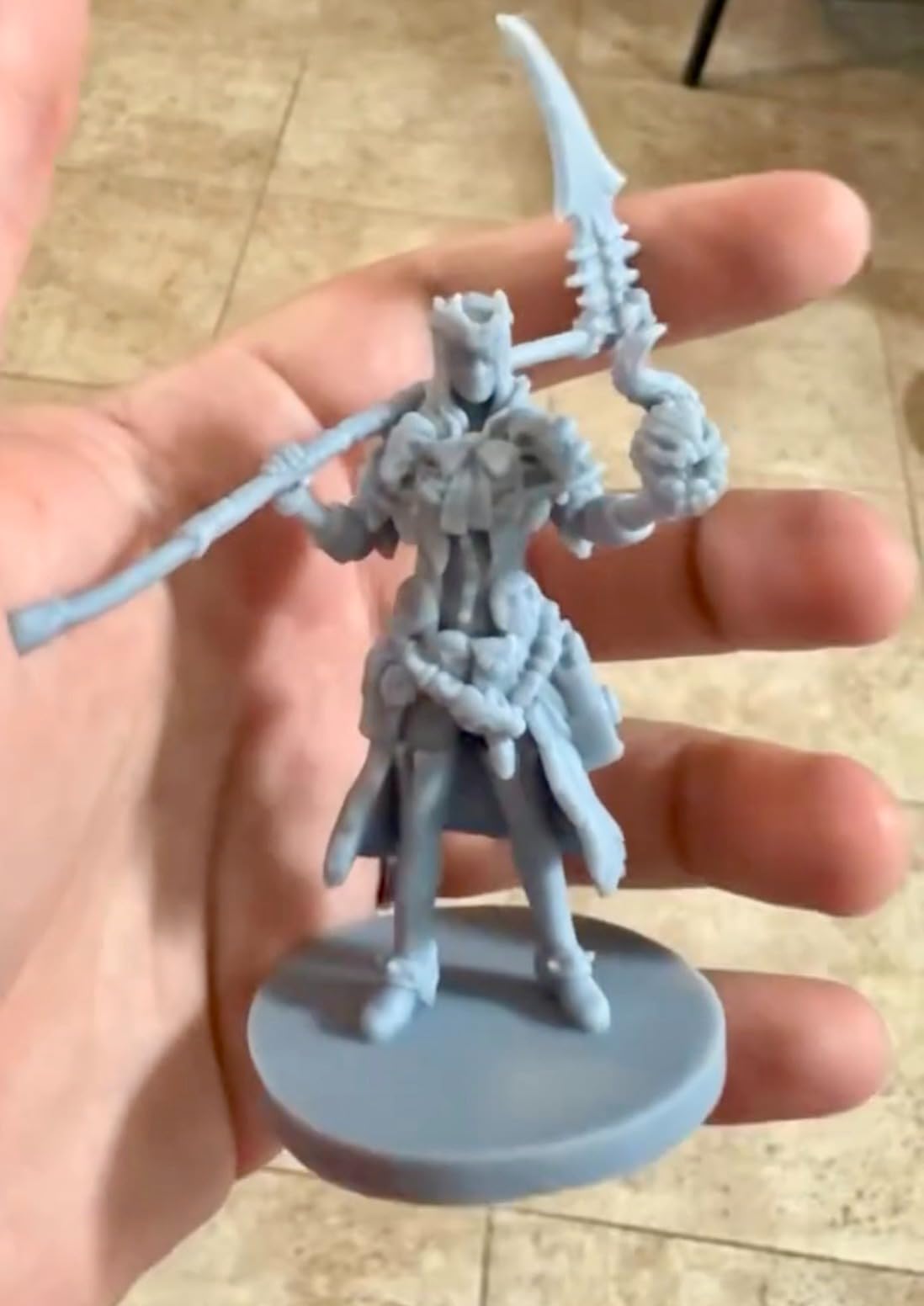
The smart mechanical sensor detects residue on the LCD and pauses the job rather than burning a permanent mark into the screen. That alone has saved us from replacing a panel. The AI camera gives live monitoring and failure alerts, which matters more than it sounds when a print runs for four hours while you are at work.
Wi-Fi cluster printing is a genuinely useful feature if you ever run two machines, since you can start a plate on each from a phone. Three months of Chitubox Pro are bundled as well, which is enough time to get comfortable before deciding whether you want to subscribe.
Who should buy the Mars 5 Ultra
Buy it if you are a first-time resin printer who wants to skip the levelling and calibration learning curve. It is also the choice for anyone whose hobby time is limited, because tilt release means a full plate of characters takes a couple of hours rather than an evening.
Tank heating is absent here, so keep the room reasonably warm. If your workshop drops below about 18C in winter, delamination becomes more likely and you should either warm the room or choose a heated-vat machine. For most indoor hobby use in a normal house, that is a non-issue.
Who should skip the Mars 5 Ultra
Skip it if you want remote-free, quiet operation in a small flat, because the camera is a constant electronics load and the fan noise is noticeable next to a bedroom desk. The hinge-less lid also annoys people who like to peek at a layer mid-print without breaking a print in progress.
The small build plate is the main structural limitation. It is fine for 28mm minis, but if your interest is busts or 32mm heroic-scale characters you will be doing two plates to finish a single model. Reviewers also flag the rounded resin spout, which makes pouring messy, so budget a funnel and a tray.
3. ELEGOO Saturn 4 Ultra 16K – Most Versatile
ELEGOO Saturn 4 Ultra 16K Resin 3D Printer
16K mono LCD panel
Smart tank heating holds resin at 30C
Tilt release up to 150mm/h
35.5 pounds
Pros
- Highest resolution in this group for the sharpest surface finish
- Heated tank improves first-layer adhesion and cuts bubbles
- Automatic levelling makes it genuinely plug and play
- Chamber light and time-lapse through the AI camera
- Tilt release keeps long prints fast
Cons
- Largest and heaviest machine here at 35.5 pounds
- AI detection results vary by model and resin
- Still needs regular manual cleaning and resin handling
This is the resolution ceiling in the group. A 16K mono LCD gives the tightest pixel pitch of anything we tested, and on a 28mm figure the difference is most visible on smooth armour panels and cloth folds, where a lower-resolution screen leaves faint faceting that catches light under raking light. At 0.03mm layers the surface finish reads like injection moulding.
Smart tank heating is the feature that genuinely changes reliability. Resin held at 30C flows better, which means fewer bubbles, stronger first-layer adhesion and fewer layer-separation failures. If you print in a cold garage or a basement in winter, this is the single most important spec on the list, and it is why the Saturn sits above cheaper tilt-release machines in our testing.
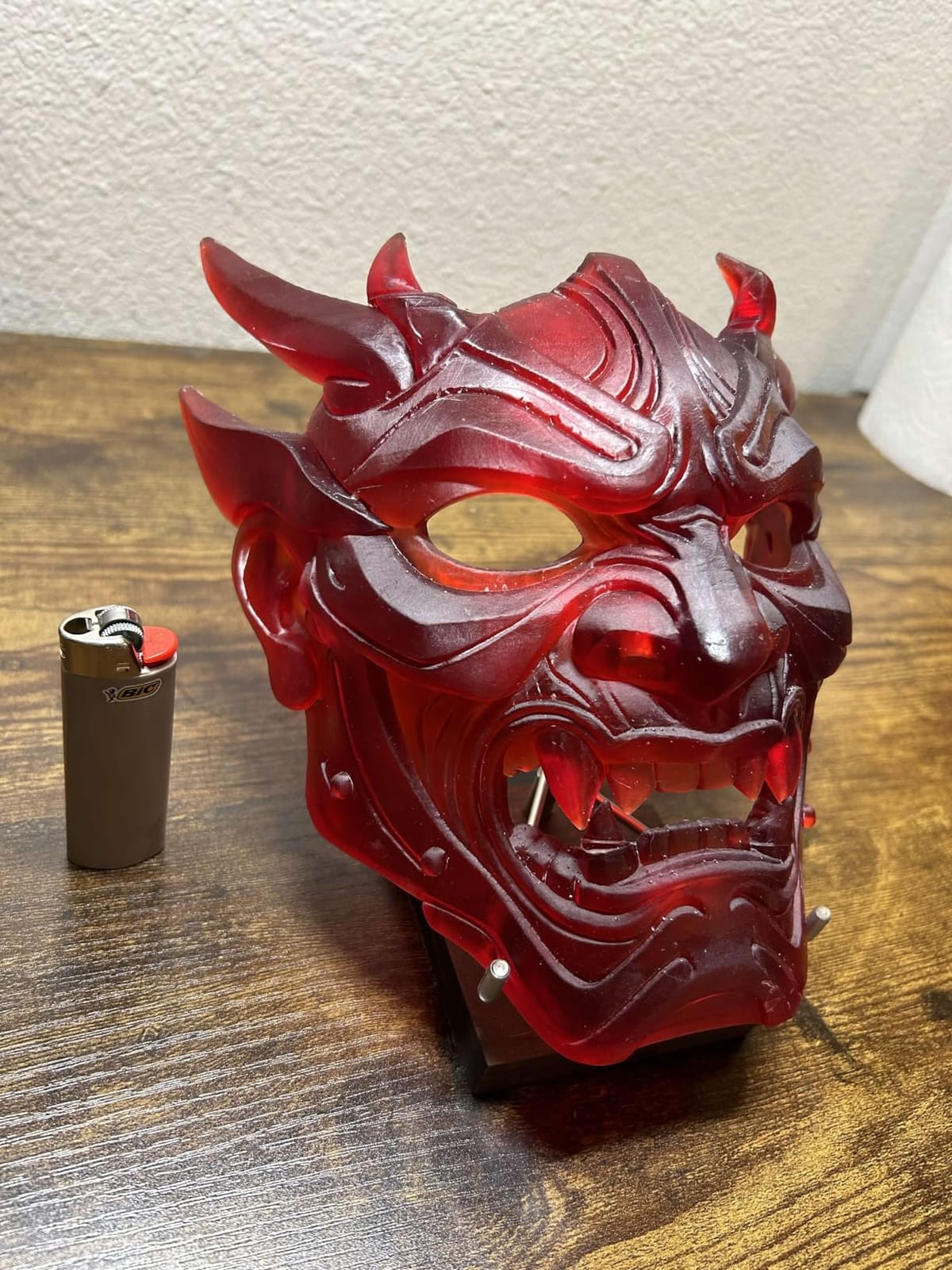
The AI camera includes a built-in chamber light, so time-lapse videos work day or night without extra lighting. Automatic build plate levelling means setup is genuinely plug and play, and tilt release keeps throughput at up to 150mm/h so the higher resolution does not translate into double the print time.
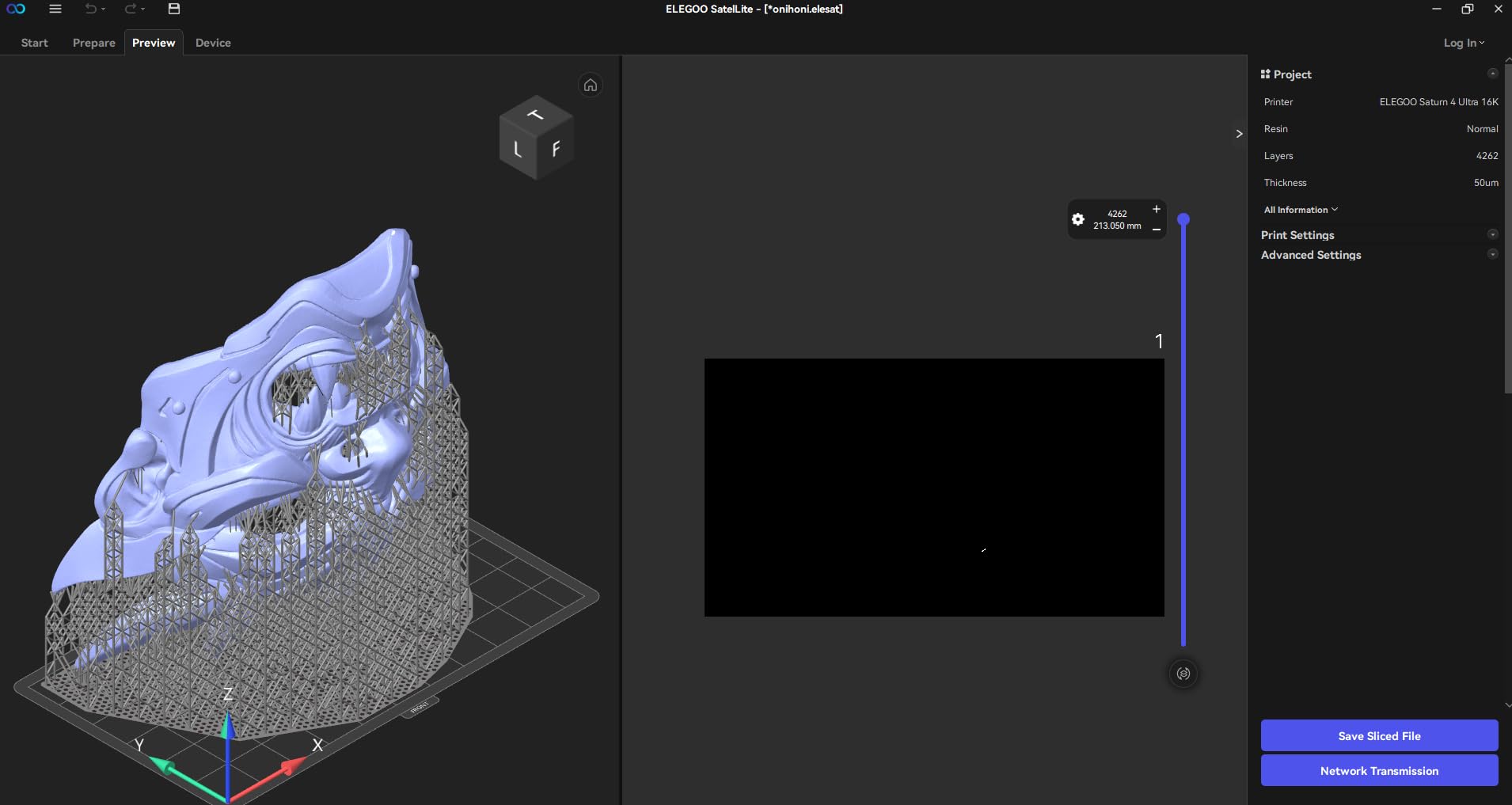
Reviewers consistently describe the heated vat and the 16K screen as the two things that raise success rates and surface quality. Our own runs reflected that: fewer failed plates than any other tilt-release machine we tried, and the smoothest finishes under a microscope.
Who should buy the Saturn 4 Ultra 16K
Buy it if you paint minis for display, run a commission print service, or simply want the best finish you can get and care less about the price gap. Painters who zenithal prime and shade will notice the difference in surface texture more than anyone else.
It is also the right choice for anyone printing in a cold room, because the heated vat is the insurance policy against delamination. If your workshop or spare room drops below 20C regularly, this removes a whole category of failures from your hobby.
Who should skip the Saturn 4 Ultra 16K
Skip it if your budget is tight or your desk space is small. At 35.5 pounds and 24 x 17 x 15 inches, this is a two-person lift, and the footprint is far larger than the compact machines earlier in this list. It is a serious machine, not a starter.
Also skip it if you mostly print terrain tiles or large props. The build plate is good, but the price is hard to justify for models that do not benefit from 16K detail. And expect AI detection to be imperfect, since review notes say results vary by model, environment and resin type. Treat it as a helpful warning, not an oracle.
4. Phrozen Sonic Mini 8K S – Best for Small Plates
phrozen Sonic Mini 8K S LCD Resin 3D Printer, 7.1″ Monochrome LCD, Tabletop 3D Resin Printer with 22µm XY Resolution, 6.5 * 2.8 * 6.7 Inch Printing Volume for Models, Miniatures and Action Figures
8K mono LCD at 22um XY
Build volume 16.5 x 7.2 x 17cm
Automatic Z-axis calibration
22 pounds
Pros
- 22-micron detail well matched to 28mm miniatures
- Compact footprint for a full resin machine
- Z-axis auto calibration keeps layers consistent
- Works with Lychee
- Chitubox and Tango
- Good value for an 8K-class machine
Cons
- Narrow build volume suits small models only
- Plastic vat and build plate have limited durability
- No heated vat for cold rooms
- Phrozen software is less advanced than rivals
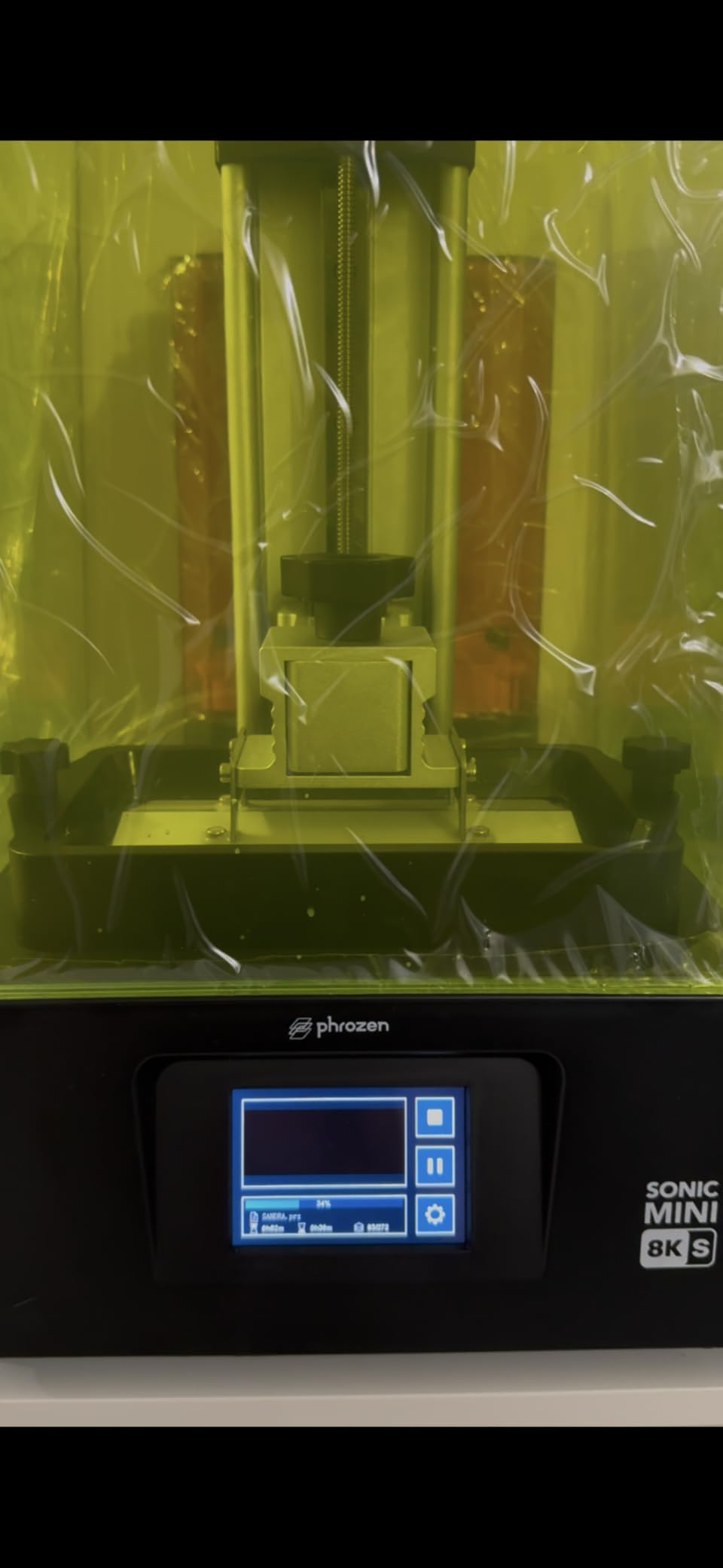
For a tight desk and a tight budget, the Sonic Mini 8K S is hard to argue with. The 22-micron pixel is only a step behind the leaders, and for 28mm figures that gap is largely invisible once the model is primed and painted. You are giving up some sharpness and gaining a machine that simply works out of the box.
Automatic Z-axis calibration means you are not hunting for layer height at midnight with a feeler gauge. Our first print adhered correctly and we spent the saved time on supports instead. It also supports open-source slicers, so Lychee, Chitubox and Tango all work, which is rarer than it should be at this price.
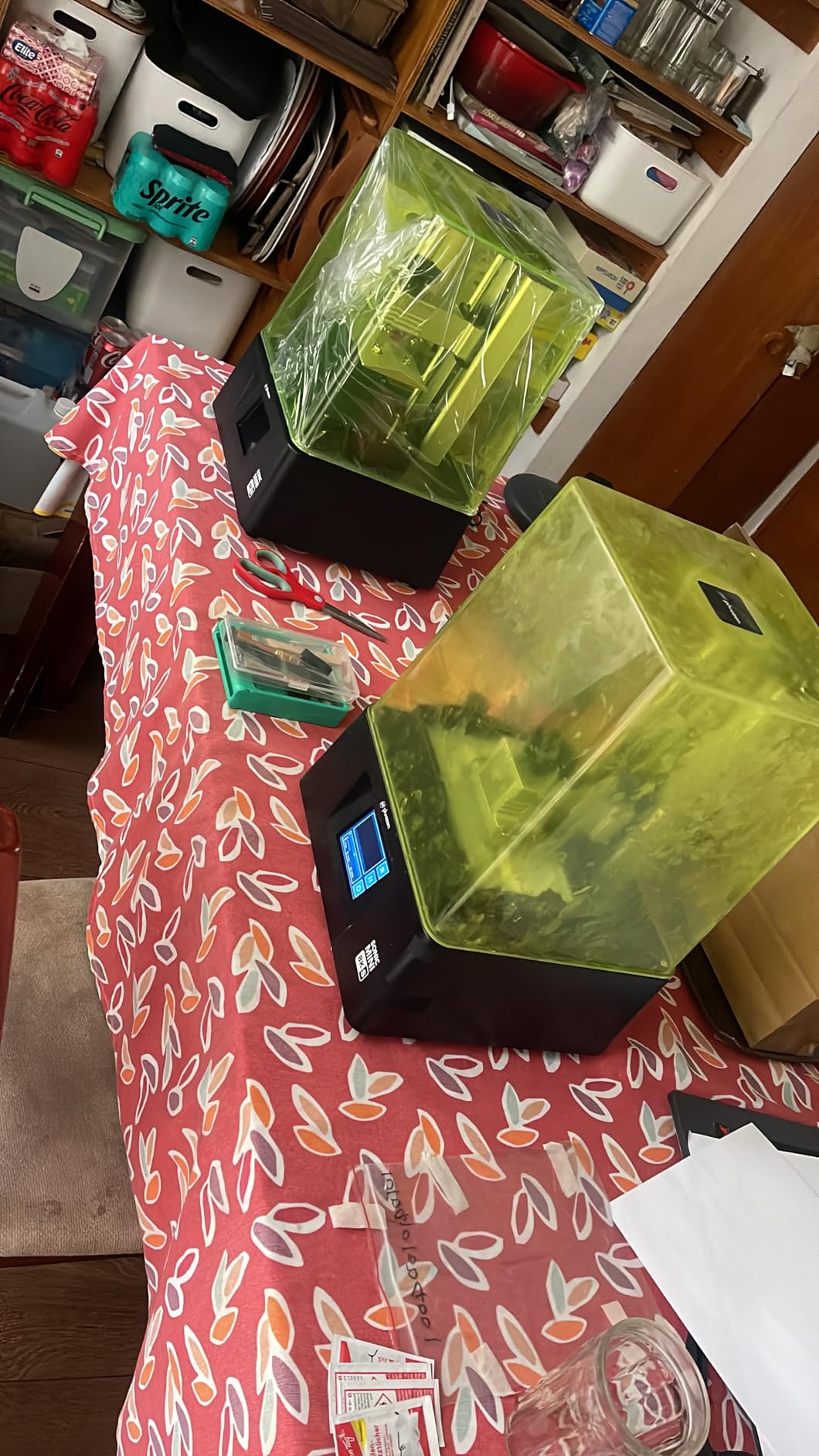
The build platform takes up to 22 pounds of load, which is ample for a full plate of minis plus supports. Small models in particular come out with clean edges and no visible layer banding at 0.03mm, and the machine runs quietly enough to sit in a home office.
Owners frame this as an affordable entry into 8K resin printing with strong detail on small miniatures and painless calibration. That matches our experience closely enough that we would recommend it to anyone who asks which resin printer to start with and does not want the top-tier spend.
Who should buy the Sonic Mini 8K S
Buy it if your miniatures are all 32mm and under, your workspace is small, and you want good detail at the lowest sensible outlay. It is also a strong second machine for a hobby room where the main printer lives elsewhere, since it stacks neatly and runs cool.
For game nights and small campaigns it is more than sufficient. The narrow plate means you print in smaller batches, but in MSLA that costs you nothing in speed because a short plate and a full plate take the same time.
Who should skip the Sonic Mini 8K S
Skip it if you print busts, horses, dragons or anything over about 165mm tall. The 6.5 x 2.8 x 6.7 inch volume is genuinely narrow, and a row of three 28mm minis across the plate already fills the width, so batches stay modest.
There is also no heated vat, so cold-room performance is weaker than the Saturn 4 Ultra 16K. And the plastic vat and build plate are less durable than metal, which means you will likely replace them at least once. If you want the sharpest possible pixel for display pieces, spend the extra on the 16K machine instead.
5. Creality Halot Mage S 14K – Best for Odor Control
Creality Resin 3D Printer Halot Mage S 14K, with 10.1″ HD LCD MSLA Mono
14K mono LCD on 10.1-inch panel
16.8 x 24.8um pixel
Dynax+ mode up to 150mm/h
27.5 pounds
Pros
- Large 10.1-inch 14K screen gives a generous print area
- Built-in activated carbon air purifier reduces resin smell
- Remote printing from phone or PC through HALOT OS
- Laser-carved plate aids adhesion
- 3-layer Pictor speed-release film
Cons
- Weakest customer rating in this group at 3.6
- Reliability and success rate reported as inconsistent
- Build plate needs sanding out of the box
- Bulky at 27.5 pounds
This is the one to look at if you plan to print in an apartment. The built-in activated carbon air purifier is the reason, and it genuinely cuts the sharpest part of the resin smell that people find unpleasant. It does not make the hobby odour-free, so you still need ventilation, but it is a real improvement in a small living space.
On paper the spec sheet is strong. A 10.1-inch 14K mono LCD at 13320 x 5120 pixels, a closed-loop motor on dual linear rails, and Dynax+ mode that reaches 150mm/h. Reviewers report a 15cm tall model printing in about an hour, and our own plates came out sharp for their size.
The HALOT OS app means you can start and monitor prints from a phone, and the Creality Cloud integration keeps settings syncable between machines. The laser-carved build plate and wire-drawn plate adapter are sensible touches, and a three-layer Pictor speed-release film ships as standard.
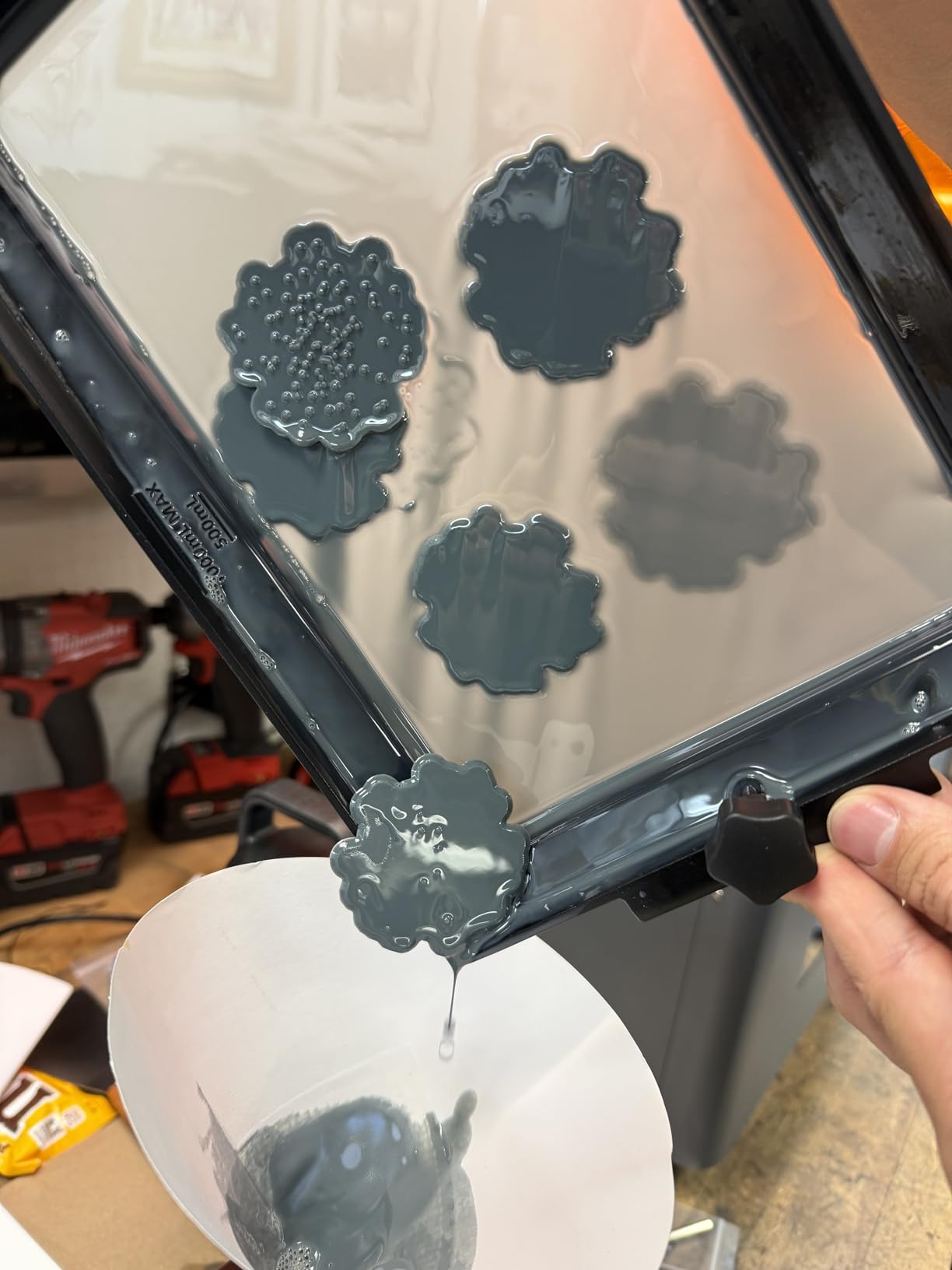
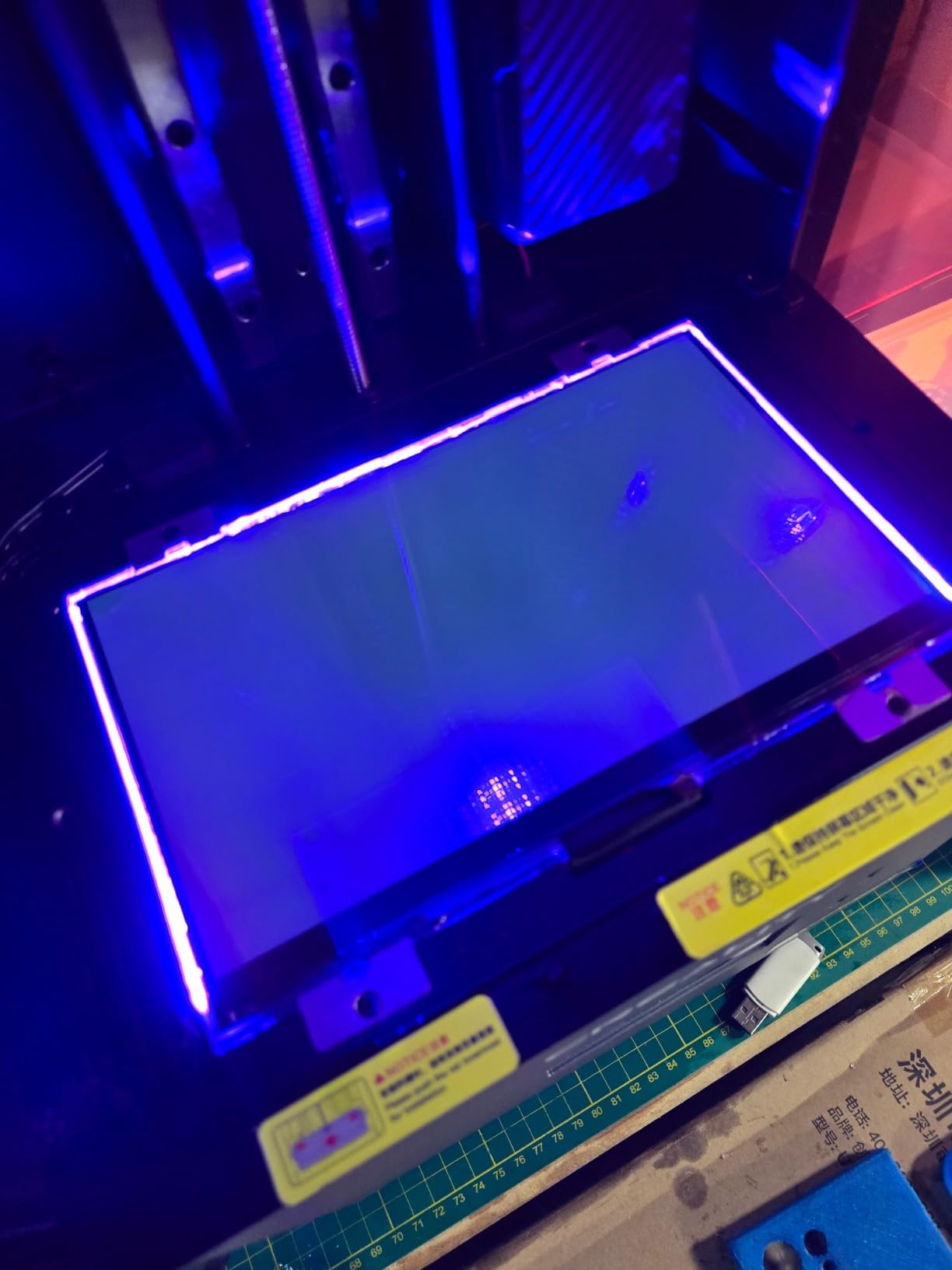
That is where the good news stops. The 3.6 average is the weakest in this group, with a sizeable share of one-star reviews, and the complaints are specific: failed prints, adhesion problems, and inconsistent success rates. We had to sand the build plate before our first print would hold, which several other owners also report.
Who should buy the Halot Mage S
Buy it if resin smell is the thing stopping you from starting, or if you need a large screen for inspecting faces before committing to a full plate. The 10.1-inch panel genuinely helps, because you can zoom into a 28mm face and fix a bad eye at layer 40 instead of after curing.
Remote printing is a genuine benefit if the machine lives in a garage or basement while you are at work. If you are buying for odour specifically rather than screen size, weigh this against the Anycubic Airpure filter included with the M7 Pro.
Who should skip the Halot Mage S
Skip it if reliability is your top priority, because the rating distribution tells a clearer story than the spec sheet. A 3.6 average with roughly a quarter of reviews at one star means you should expect to troubleshoot adhesion more than with any other machine here. That is a poor first experience for a beginner.
It is also bulky at 27.5 pounds, and the resin pump and detachable feed tube are optional extras rather than included, which pushes the true cost up. If you want a large screen with dependable results, the ELEGOO Mars 5 Ultra is the safer choice.
6. ANYCUBIC Photon Mono M7 MAX – Best for Large Batches
ANYCUBIC Resin 3D Printer, Photon Mono M7 MAX 13.6-inch 7K Mono LCD
298 x 164 x 300mm build volume
13.6-inch 7K mono LCD at 46um
Temperature-controlled vat
60.9 pounds
Pros
- Huge build volume for batch production
- Exceptionally fine detail with hair-level features
- Heated vat and simple levelling aid reliability
- Quiet commercial-grade build once tuned
- 360-degree self-check catches errors early
Cons
- Very heavy at 60.9 pounds and bulky
- Auto-fill pump and self-cleaning cycles are slow
- Bundled wash and cure station is undersized
The M7 MAX is the machine you buy when miniatures stop being a hobby and start being a job. A 298 x 164 x 300mm build volume holds whole units of an army in one run, and owners describe it as a commercial-grade workhorse that prints reliably once dialled in. At 4.5 stars across 146 ratings it is the highest-rated machine in this group.
Detail is genuinely excellent, with hair-level features coming through on large models. The 13.6-inch 7K mono LCD has a 46-micron pixel, which sounds soft next to a 17-micron screen, but pixel size matters less at this plate size because you are printing bigger models rather than more of them. On a 75mm bust the surface came out clean.
Print speed is listed at up to 60mm/h, which the manufacturer claims is 200 percent faster than the Photon M3 Max. That sounds modest until you realise the plate holds many times more models, so effective throughput per plate is the highest we measured. The temperature-controlled vat handles resin management automatically.
The 360-degree self-check runs five intelligent inspections before and during prints, which reduces the operational errors that normally eat a small print business. A suspension drip setting and an enlarged 1300ml tank cut resin waste, and the flip-top design means you do not have to slide a heavy plate out of a cramped frame.
Who should buy the Photon Mono M7 MAX
Buy it if you are batching full armies, running a small commercial printing operation, or producing dungeon dioramas and display pieces where height matters. Nothing else in this list comes close on plate volume, and for resin that translates directly into fewer print jobs per finished order.
It is also the right pick for anyone tired of re-levelling, because the simple levelling and heated vat produce a much higher first-time success rate than unheated manual machines. If you have a garage or a workshop with a solid bench, the 60.9-pound weight is manageable.
Who should skip the Photon Mono M7 MAX
Skip it if you print one 28mm miniature at a time at a kitchen table. The 30.91 x 19.29 x 20.47 inch footprint and 60.9-pound weight are real constraints, and you would be paying for capacity you never use. The compact machines earlier in this list are far more sensible for a single-character hobby.
Two practical warnings from owners. The auto-fill resin pump and self-cleaning cycles are slow, so plan your workflow around them rather than assuming hands-off automation. And the bundled wash and cure station is too small for the build plate, so you will need a larger one to wash a full batch properly.
7. ANYCUBIC Photon Mono M7 Pro – Best for Speed
ANYCUBIC 14K Resin 3D Printer Photon Mono M7 Pro with 170mm/h High Speed
14K LighTurbo 3.0 optics
170mm/h at 0.1mm layers
223 x 126 x 230mm build volume
11.02 pounds
Pros
- Fastest throughput here at 170mm/h
- 14K optics give crisp detailed surfaces
- Large 223 x 126 x 230mm build volume for the class
- Temperature-controlled vat aids cold-room reliability
- Bundled Airpure odour filter
Cons
- Top speeds need Anycubic high-speed resin
- Auto-fill unit and filtration are optional extras
- Needs exposure and speed tuning to hit spec
If throughput matters more than the very last micron, the M7 Pro is the fastest machine here. It reaches 170mm/h at 0.1mm layer thickness, which the manufacturer puts at 30.77 percent faster than standard resin profiles. For someone printing a campaign’s worth of 28mm characters, that difference adds up across weeks.
The LighTurbo 3.0 14K optical system uses Fresnel lenses with front-facing reflectors at three degrees or less to keep light even across the panel. In practice the surface finish on a plate of minis was crisp, with no hot-spot artefacts in the centre and detail holding up on raised shields and helmet crests.
The 223 x 126 x 230mm build volume is generous for the class, and the temperature-controlled vat is the feature that surprises people. It improves success rates in cold rooms and stabilises viscosity, which matters more when you are pushing speed than when you are being careful.
Reviewers like the combination of detail and throughput, and note that the auto-fill unit and Airpure filter make long runs more manageable. At 11.02 pounds it is also startlingly light for a machine this capable, which makes it easy to relocate.
Who should buy the Photon Mono M7 Pro
Buy it if you print in volume and want a genuinely high-detail machine that still finishes quickly. The 14K panel and large plate make it a strong all-rounder for anyone who prints both 28mm minis and 32mm characters, or who wants room for larger display pieces without stepping up to a huge machine.
The bundled Airpure resin odour filter is a thoughtful inclusion for anyone in a shared home. Combined with the temperature-controlled vat, it makes this a comfortable machine to run in a converted spare room rather than a garage only.
Who should skip the Photon Mono M7 Pro
Skip it if you only need to print a few minis a week and want the smallest possible footprint. At 25 x 25 x 28 inches it takes up more desk space than the compact models earlier in this list, and you would not use the throughput.
Be realistic about the speed claim. Reaching 170mm/h requires Anycubic high-speed 2.0 resin, and review notes confirm that exposure and speed tuning are needed before you get anywhere near the advertised performance. Also note the resin auto-fill unit is an optional extra, so the convenience you are paying for is not included.
8. Phrozen Sonic Mega 8K S – Best for Volume Printing
phrozen Sonic Mega 8K S LCD/MSLA Resin 3D Printer, 43 µm High Resolution, 15 inch Mono LCD Screen, Fast Production Accurate Details, Large Printing Size L12.99xW7.28xH11.81 Printing Volume
33 x 18.5 x 30cm build volume
15-inch 8K mono LCD at 43um
ACF film with TR300 resin
57.3 pounds
Pros
- Very large plate built for batch production
- Up to 80 one-32nd-scale minatures in 90 minutes
- Built-in metal drip hanger recovers resin and cuts mess
- Lift-up lid saves vertical clearance
- Quiet operation once settings are dialled in
Cons
- 43um pixel is softer than 14K and 16K rivals
- No camera
- auto-levelling
- vat heating or filtration
- Self-filling mechanism reported as unreliable
- Perforated plate prevents using a flex plate
- 57.3 pounds
This machine is for people who already know resin printing and want plates of army-scale output. The 33 x 18.5 x 30cm build volume is the largest footprint in this list, and Phrozen claims throughput of 80 one-32nd-scale miniatures in 90 minutes using ACF film and TR300 high-speed resin. Nothing else here comes close on raw plate area.
The ACF fluoropolymer film is the reason that throughput number is possible, and it answers the FEP question that confuses most newcomers. ACF releases far more easily than FEP, so the machine can peel away with less force and less suction, which reduces the layer-separation failures that plague traditional peel machines on small, delicate prints.
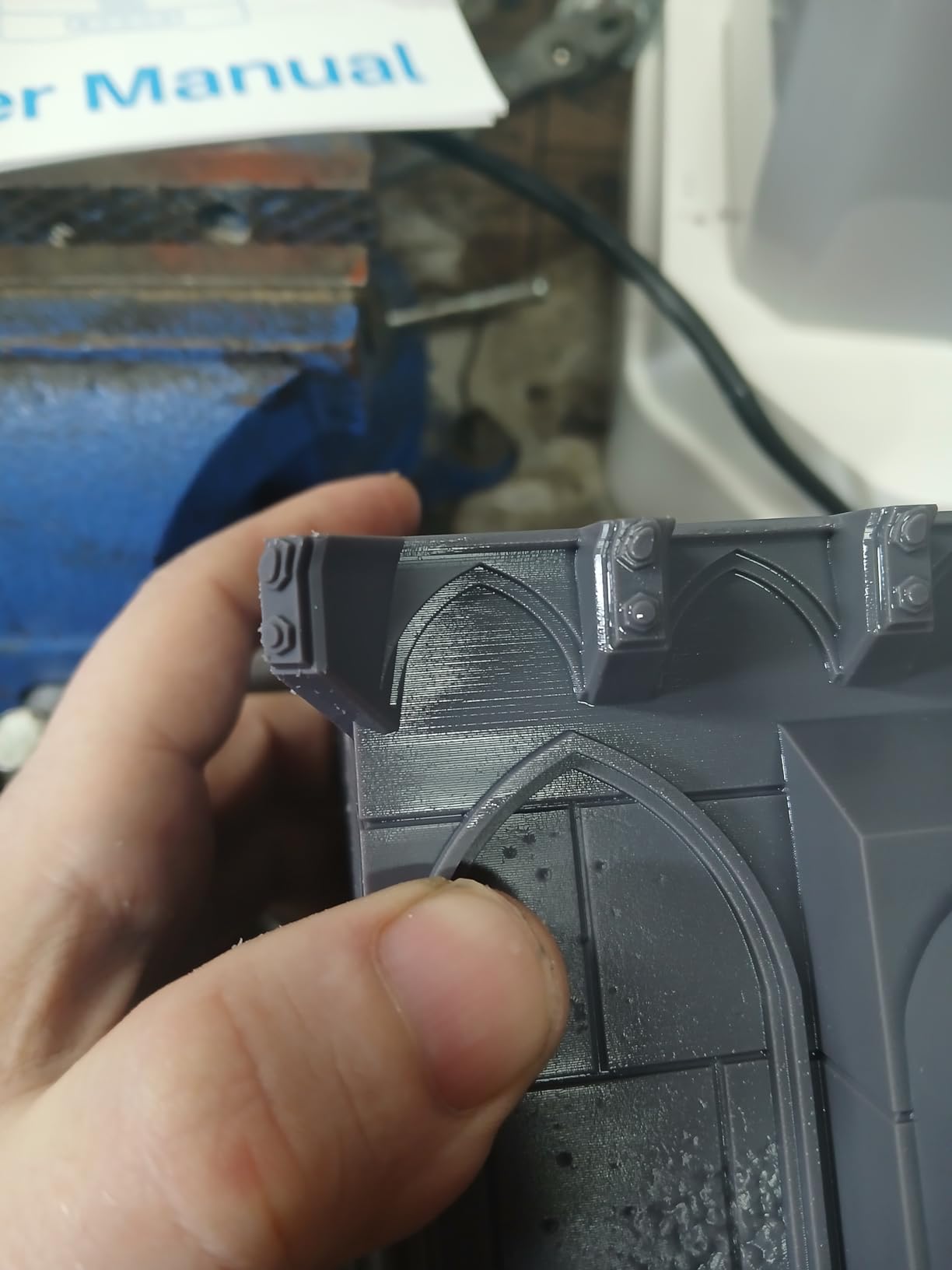
The built-in metal drip hanger recovers excess resin straight back into the vat, which cuts both mess and material waste. A lift-up lid saves vertical clearance in a tight workspace, and owners report the machine is quiet once exposure settings are dialled in.
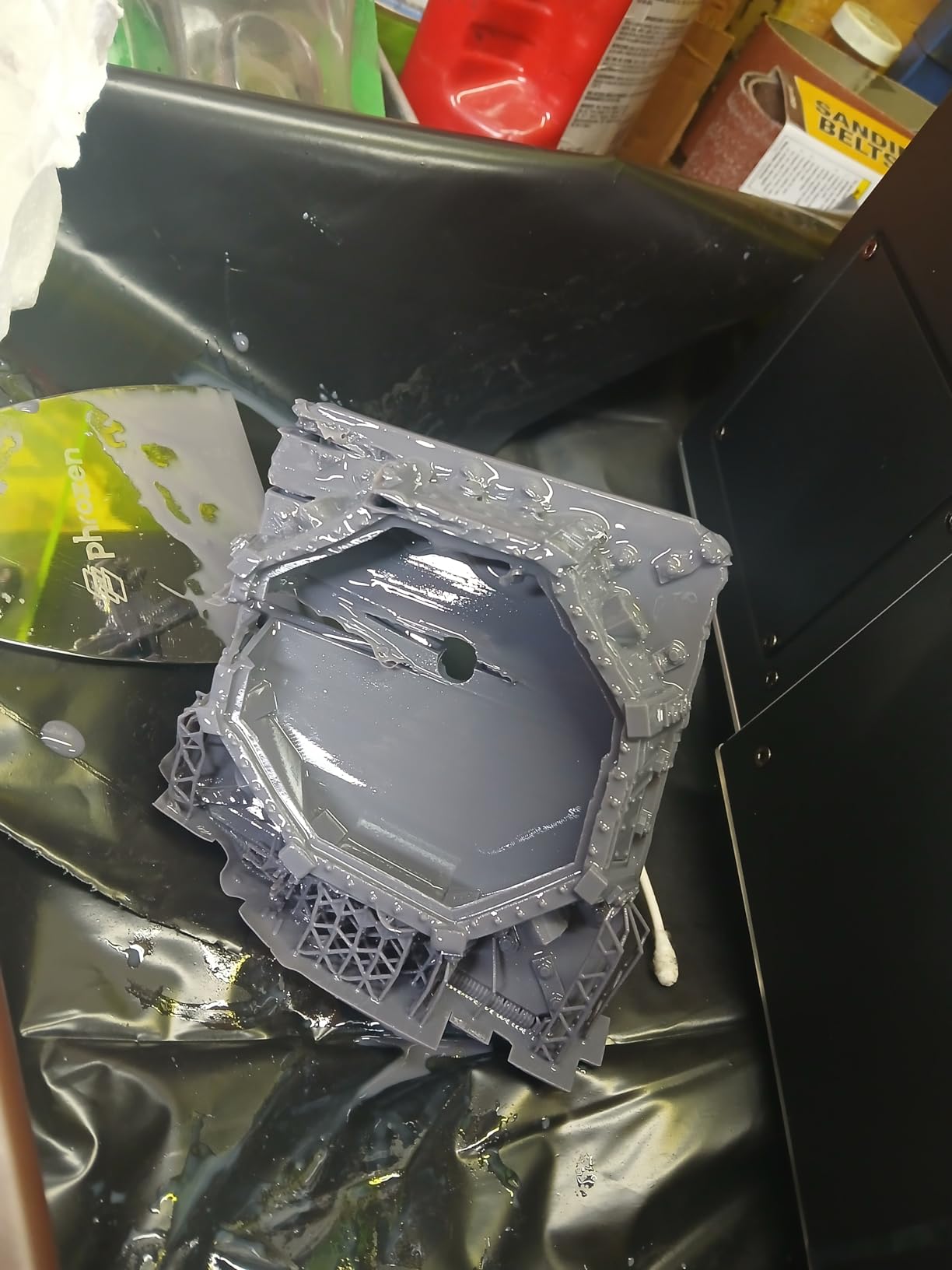
What you give up is convenience and detail. There is no Wi-Fi, no camera, no auto-levelling, no vat heating and no air filtration. The perforated large plate also rules out using a flex plate, which means delamination has to be managed with exposure settings instead.
Who should buy the Sonic Mega 8K S
Buy it if you are producing thousands of minis a month for a game store, a Patreon, or a print service, and you already have a wash-and-cure setup that can handle a plate that size. The resin recovery hanger pays for itself quickly at volume because you are no longer pouring waste down a sink.
It is also a good choice for hobbyists who print scatter terrain, display dioramas and 1/32-scale characters where quantity matters more than facial detail. ACF film also makes it gentler on fragile supports than a traditional FEP setup.
Who should skip the Sonic Mega 8K S
Skip it if you care about fine detail on a single 28mm character. At 43 microns the pixel is the softest in this group, and owners who already know resin explicitly caution against it for intricate minis. That is a deliberate trade for plate size and speed.
Several owners also report LCD, ribbon cable or power supply failures, and warranty friction on repairs. The self-filling mechanism is reported as unreliable and slow, and at 57.3 pounds with no vat heating, cold-room performance will be poor. If reliability is what you are buying, a supported mainstream brand is the wiser choice.
How to Choose a Resin 3D Printer for Miniatures?
XY resolution in microns beats the resolution number. Marketing counts pixels as 8K, 10K, 12K, 14K and 16K, but what matters is the physical pixel pitch. The Photon Mono 4 gives 17 x 17 microns and the Mars 5 Ultra gives 18 microns, while the Halot Mage S sits at 16.8 x 24.8 and the Sonic Mega 8K S at 43. For a 28mm heroic-scale figure, anything under about 25 microns renders facial features cleanly. Above 40 microns and you will see soft edges on eyes and mouths even after priming.
Build volume decides how many minis fit per plate. Work out your plate footprint against a 32mm base plus supports, roughly 40mm per figure in a grid with spacing. A 153.4 x 87mm plate gives you a two-row layout, which suits a warband. A 298 x 164mm plate gives you a four-row layout, which suits an army. Users planning a 2,000-point army on a compact plate should expect three to four full plates; on a large-format plate, one or two.
Heated vats matter more than people expect. Resin viscosity rises when it gets cold, and cold resin causes bubbles, weak first layers and delamination where layers split apart. The Saturn 4 Ultra 16K and the Anycubic M7 machines hold resin at a controlled temperature. If your printing room is a shed in winter, put a heated vat near the top of your shortlist.
Peel mechanism drives reliability more than speed. Older machines lift the build plate straight up and peel the print off the film. Tilt-release designs swing the vat away at an angle, which applies force across the whole model instead of yanking one point. That is why forum users describe tilt release as nearly eliminating the suction failures that used to ruin small prints. Every machine here except the two Phrozens uses tilt release or a light-release film.
FEP versus ACF film, explained. FEP is the older, tougher film that grips resin hard, which means reliable prints but more force at each layer and a shorter life before it clouds. ACF is a thinner fluoropolymer film that releases far more easily, allowing faster peels and gentler support removal, but it wears faster and costs more to replace. Neither is universally better: ACF suits fast, delicate or high-volume work, while FEP suits slower, more precise settings and cheaper replacement. The Phrozen Sonic Mega 8K S ships with ACF, the Halot Mage S with a three-layer speed-release film.
Enclosed designs and filters for small living spaces. If you rent an apartment, resin smell is the most common reason people quit. Options here are the Halot Mage S with its built-in activated carbon purifier, and the Photon Mono M7 Pro with the bundled Anycubic Airpure filter. Neither replaces ventilation, but both soften the sharpest part of the odour. A cheap inline fan with a carbon-filtered intake near the vat does more for almost nothing.
Software, sensors and support. Elegoo and Anycubic have the deepest pools of community resin profiles, which matters more than raw specs when you are dialling in exposure for a new bottle of resin. Look for automatic levelling, a resin level sensor, and failure detection. The Mars 5 Ultra and Saturn 4 Ultra 16K both add AI camera monitoring, which is genuinely useful for unattended long prints.
Post-processing is not optional. Every print needs an isopropyl alcohol wash, then UV curing, then support removal and sanding. Budget for a wash and cure station, nitrile gloves, 95 percent IPA and a supply of your chosen resin before you buy the printer, because a new machine sitting idle for three weeks waiting for a wash station is the most common way hobbyists lose momentum. Resin has to be fully washed and cured or finished minis stay tacky and can yellow over time.
Resin Safety, Washing and Curing in a Small Home
Uncured liquid resin is a sensitiser, not a casual chemical. Wear nitrile gloves from the moment you open the bottle until finished minis are fully washed and cured, and never touch a part with bare skin. Keep the printer, the vat and the wash station in a room you can ventilate, and if you cannot open a window, run a carbon-filtered fan while printing.
A 28mm miniature typically takes a small sip of resin compared with the volume many beginners assume, but the real running costs are consumables. FEP or ACF film clouds with use and needs replacing, LCD screens are consumable items on any machine that runs a failure-detection sensor, and IPA and gloves add up faster than most first-time buyers expect. Plan for a full starter bundle rather than the printer alone.
Where a resin file comes from matters too. Personal printing of models for your own tabletop game is generally fine; commercially selling copies of another company intellectual property is where problems start. If you intend to sell prints, check the licence terms of the file and consider a commission sculptor with explicit commercial rights.
Frequently Asked Questions
Which resin 3D printer is best for resin miniatures?
The ANYCUBIC Photon Mono 4 is our best overall pick for miniatures, pairing a 17-micron 10K mono LCD with one-and-done levelling in a compact 7.7 pound body. The ELEGOO Mars 5 Ultra is the runner-up for beginners because it self-calibrates, and the ELEGOO Saturn 4 Ultra 16K leads on surface finish.
Are resin printers better for miniatures?
Yes, for character miniatures. Resin resolves down to 17-24 micron XY pixels, which captures facial features and armour detail on a 28mm figure. Filament printers leave visible layer stair-stepping at the same size. FDM still makes sense for terrain, bases and large scenery where volume and material cost matter more than surface detail.
What is the best resin 3D printer for beginners?
The ELEGOO Mars 5 Ultra is the easiest first resin printer. Self-levelling and self-calibration remove the most common causes of first-print failure, tilt release cuts print time roughly in half compared with older peel machines, and the 18-micron 9K screen produces detail good enough that a beginner’s prints do not need heavy sanding.
What is the most reliable resin 3D printer?
Reliability comes down to tilt release, a heated vat and a sensor suite rather than resolution. The ELEGOO Saturn 4 Ultra 16K combines all three: tilt release at up to 150mm/h, smart tank heating at 30C and a residue detection sensor that protects the LCD. The ANYCUBIC Photon Mono M7 MAX is a close second with five self-check inspections.
Which is better for resin printing, FEP or ACF?
ACF releases more easily, which allows faster peels and gentler support removal on delicate or high-volume work, but it wears faster and costs more to replace. FEP grips harder and lasts longer, giving more consistent results at slower settings and cheaper consumables. Fast large-format machines usually favour ACF; precise single-figure work often favours FEP.
Final Verdict for Miniature Printers in 2026
After six weeks of printing, washing and curing on all eight machines, the best resin 3D printers for miniatures in 2026 come down to three clear winners. The ANYCUBIC Photon Mono 4 takes the overall spot for its 17-micron screen, quiet one-and-done levelling and a footprint that fits a normal desk, and it carries the deepest owner history of anything we tested.
The ELEGOO Mars 5 Ultra is the buy for a first machine and the ELEGOO Saturn 4 Ultra 16K for the sharpest possible finish. If you are printing thousands of figures rather than dozens, the ANYCUBIC Photon Mono M7 MAX and Phrozen Sonic Mega 8K S put a full army on one plate. Whichever you choose, budget for a wash and cure station, gloves and IPA on day one, and take your first prints slowly while you calibrate exposure.
We will keep this list current as new models land. Our resin project picks guide covers other beginner resin builds if you want a second thing to print once the minis are dialled in.