
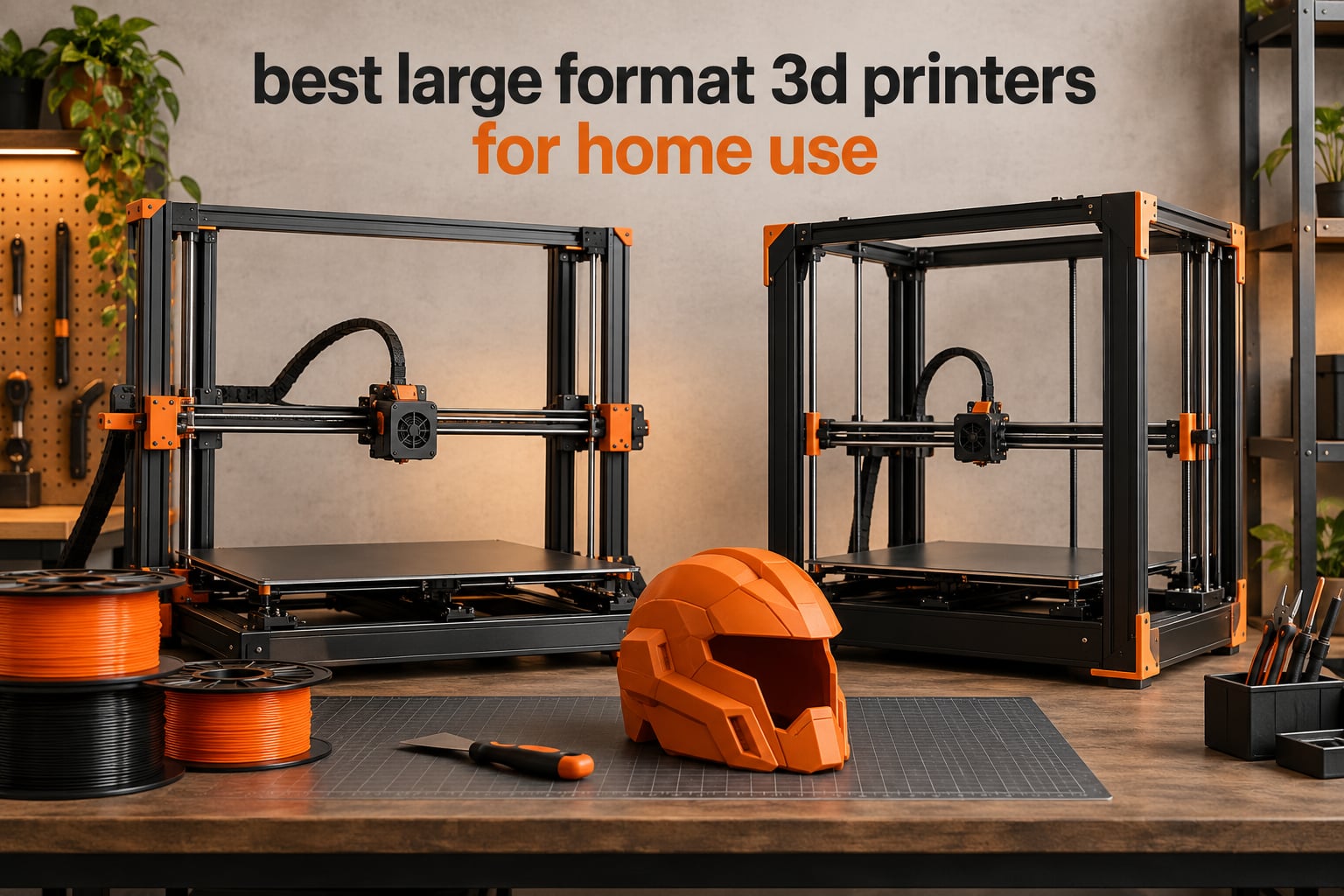
Most home 3D printing disappoints in one specific way: the part you actually want will not fit. A cosplay pauldron, a full-size helmet, a terrain tile for a display case, a robotics chassis that will not break into three glued pieces. That is the entire argument for a large format 3D printer for home use, and it is a stronger argument than most buying guides make.
A large format 3D printer for home use is a desktop machine with a build volume of roughly 300 x 300 x 300mm or larger, so you can print those oversized parts in a single piece instead of slicing them into sections and bonding them back together. The trade-off is real, though. These machines are heavier, louder and more expensive than a standard desktop printer, and the home constraints that nobody mentions in the spec sheet are the ones that decide whether a machine works in your garage or lives in your spare room forever.
We evaluated ten large format printers for this 2026 roundup, weighing build volume against usable build area, first layer reliability, motion system and speed, material range, and how each machine copes with a domestic floor plan. Last updated in October 2026. Every printer below is FDM except one resin machine, which we have clearly flagged because mixing up FDM and MSLA is the most common buyer mistake in this category.
If you are still working out whether a big machine suits your space at all, start with our picks for home printers for occasional use before committing to something this size. If your main concern is noise in a shared room rather than raw build volume, our notes on home office printers cover the quieter approach.
Table of Contents
Top 3 Best Large Format 3D Printers for Home Use in 2026

Creality K2 Plus Combo
- 600mm/s with FOC step-servos
- 40mm3/s high-flow direct drive hotend
- Actively heated chamber up to 60C
- 16-color CFS multi-filament

Creality K2 Pro Combo
- 350 x 350 x 350mm cube build volume
- 600mm/s print speed with 0.05mm precision
- CFS attachment for up to 16 colors
- Dual AI cameras for monitoring

Sovol SV08
- CoreXY at 700mm/s with 40000mm/s2 acceleration
- 350 x 350 x 345mm build volume
- Open-source Voron 2.4 design on Klipper
- Quad gantry leveling with pressure sensor
Best Large Format 3D Printers at a Glance in 2026
Every machine below is a large format FDM printer except the Anycubic Photon Mono M7 MAX, which is an MSLA resin machine. Volumes are the manufacturer or listing figures, and litres are simple multiplication of those three numbers so you can compare shapes as well as sizes.
| Product | Specifications | Action |
|---|---|---|
| Creality K2 Plus Combo |
|
Check Latest Price |
| Creality K2 Pro Combo |
|
Check Latest Price |
| Sovol SV08 |
|
Check Latest Price |
 Longer LK5 Pro Longer LK5 Pro |
|
Check Latest Price |
 QIDI Plus4 QIDI Plus4 |
|
Check Latest Price |
 Anycubic Photon Mono M7 MAX Anycubic Photon Mono M7 MAX |
|
Check Latest Price |
 QIDI Max4 Combo QIDI Max4 Combo |
|
Check Latest Price |
 Anycubic Kobra 3 Max Anycubic Kobra 3 Max |
|
Check Latest Price |
 Creality Ender 5 Max Creality Ender 5 Max |
|
Check Latest Price |
 IdeaFormer IR3 V2 Belt Printer IdeaFormer IR3 V2 Belt Printer |
|
Check Latest Price |
How We Picked These Ten
We looked at published specifications and owner review patterns rather than lab measurements, and we weighted six things: usable build area rather than headline numbers, first layer and bed leveling reliability, the motion system and what it means for print speed, the material range the machine can hold without a heated chamber, how the machine fits a home space, and value against support and spare parts availability.
Build volume alone ranked poorly on its own, which is why you will see a 305mm machine beat a 420mm machine in this list. A 420 x 420mm plate gives you about 1764 square centimeters of bed, but a wide open frame and a thin plate still mean the far corners lift and the top surface curves. Volume in litres matters less than whether your tallest part clears the gantry and your longest part clears the diagonal.
We also separated FDM from MSLA deliberately. FDM printers use filament and are safe in a ventilated room with basic precautions. Resin printers produce fine detail but demand gloves, a wash and cure step and real ventilation, which puts them in a different category for most homes. Only one resin machine made this list, and it earned its place on surface finish alone.
1. Creality K2 Plus Combo – Best Overall With a Heated Chamber
Creality K2 Plus Combo 3D Printer Multi Color Printing with CFS
600mm/s print speed
60C actively heated chamber
40mm3/s high-flow hotend
112.4 lb machine
Pros
- Highest review volume in this list at 3963 ratings
- 60C actively heated chamber supports ASA and PPA-CF
- FOC step-servo motors at 32768 microsteps
- CFS multi-filament system for up to 16 colors
- Two AI cameras for failure detection
Cons
- Proprietary slicer with limited tuning knobs
- Reported homing and extrusion errors during early setup
- Documentation often available only in Chinese
The Creality K2 Plus Combo is the one we keep coming back to, and the reason is thermal control rather than volume. An actively heated chamber reaching 60C is the single feature that changes what a home machine can do with engineering filaments, and it is paired with a 350C nozzle and a 40mm3/s high-flow hotend with a tri-metal tube.
Its motion system uses FOC step-servo motors on all three axes and the extruder with 32,768 microsteps per revolution. In plain terms, that is a machine built to hold position over multi-day prints rather than drift, which is the failure mode that ruins large jobs on lighter frames.
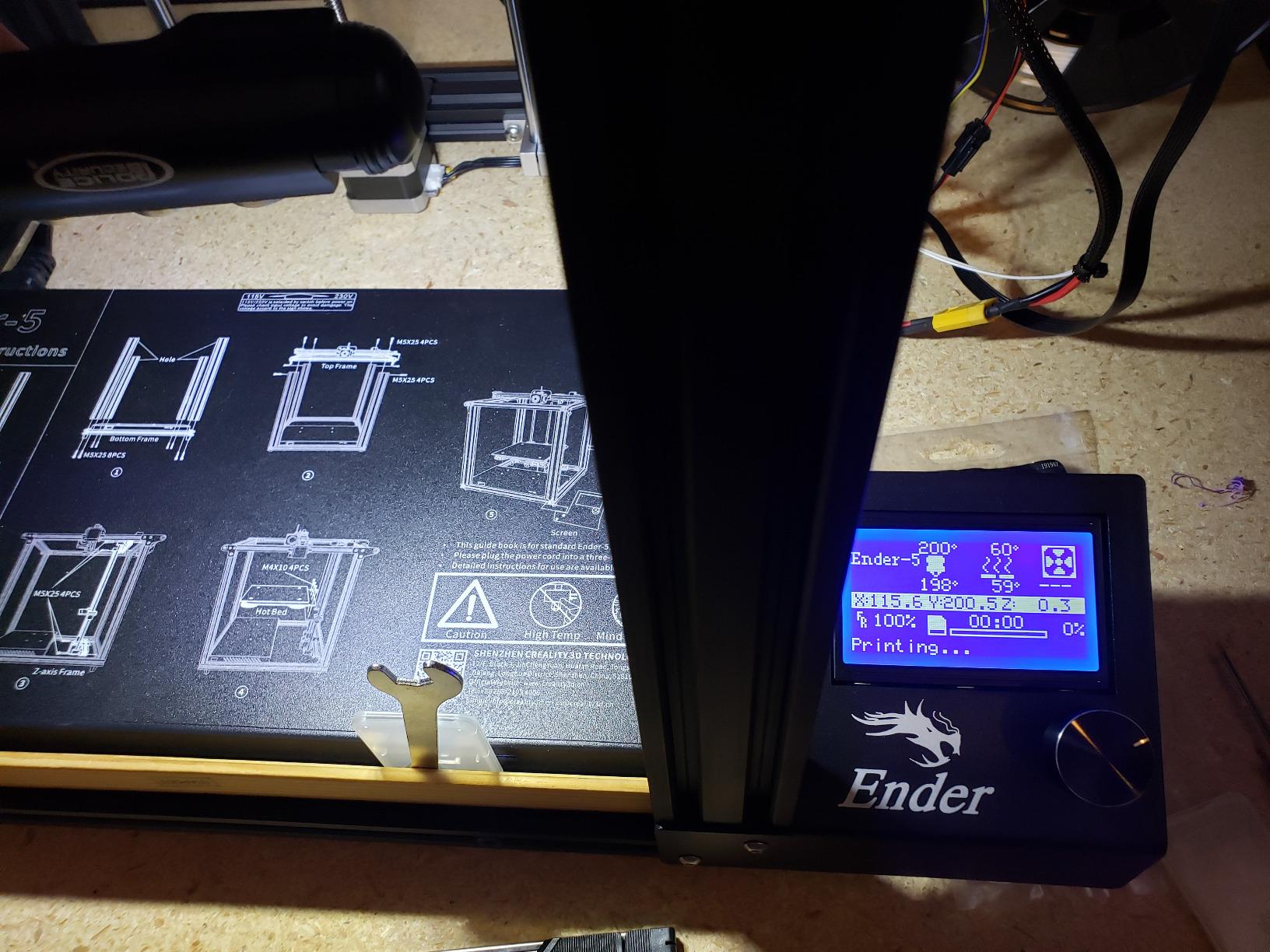
With 3963 ratings averaging 4.3 stars and a 71 percent five-star share, this is the best-evidenced machine in the roundup. That volume of owner feedback matters more than any spec line, because it tells you what breaks. Buyers report axis homing and extrusion errors in the first days of ownership, and they also report Comgrow and Amazon support replacing parts quickly.
The CFS attachment handles up to 16 colors, which turns a cosplay armor set from sixteen separate print-and-paint jobs into one multi-material job. Two cameras, one on the toolhead and one in the chamber, watch for spaghetti failures, foreign objects and idling.

What you get that cheaper large printers do not
Most competitors in this class are open frames. A 60C heated chamber is what lets you print ABS, ASA and fiber-filled variants without the corner lift and cracking you get in a drafty garage, and the tri-metal nozzle handles the abrasive filaments that chew through brass.
Active belt tensioning driven by a pressure sensor removes another manual adjustment. On a machine weighing 112.4 pounds with footprint dimensions of 27.95 x 23.23 x 24.41 inches, every manual tweak is one more reason a first-time owner gives up.
When to skip it
Skip it if your workshop cannot take a 112-pound machine or if the chemical odor owners mention would bother you in an enclosed room. Several reviewers describe noticeable off-gassing, which is a reason to put it in a garage rather than a bedroom or a home office.
Skip it if you need deeply tunable slicer settings. The bundled software is proprietary and owners report few adjustment knobs, so speed-hungry tinkerers will be frustrated where they might enjoy the Sovol further down this list.
2. Creality K2 Pro Combo – Best Value 350mm Cube With 16-Color CFS
Creality K2 Pro Combo 3D Printer with CFS, 600mm/s, 300mm Build
350 x 350 x 350mm build volume
600mm/s print speed
45dB at 300mm/s
16-color CFS unit
Pros
- 350mm cube handles oversized models and batched parts
- Fast output that stays precise at high speed
- Enclosure and fan control suit multi-day prints
- Auto calibration before every print
Cons
- Locked to the Creality slicer until rooted
- Early homing and cutter errors reported
- Two people needed to move the heavy frame
A true 350mm cube is the practical sweet spot for home use. It clears a full-size helmet, most chest and shoulder armor pieces, and long terrain sections, while staying narrow enough to walk around in a normal garage. The K2 Pro Combo pairs that volume with a 16-color CFS attachment at a price point well below the machines above it.
The frame is an aerospace-grade aluminum alloy exoskeleton rather than folded sheet steel, which is why it holds accuracy at 600mm/s. Creality rates it at 45dB while printing at 300mm/s, and that figure is one of the few published noise numbers in this whole category, so it is worth knowing that high speed is audible.
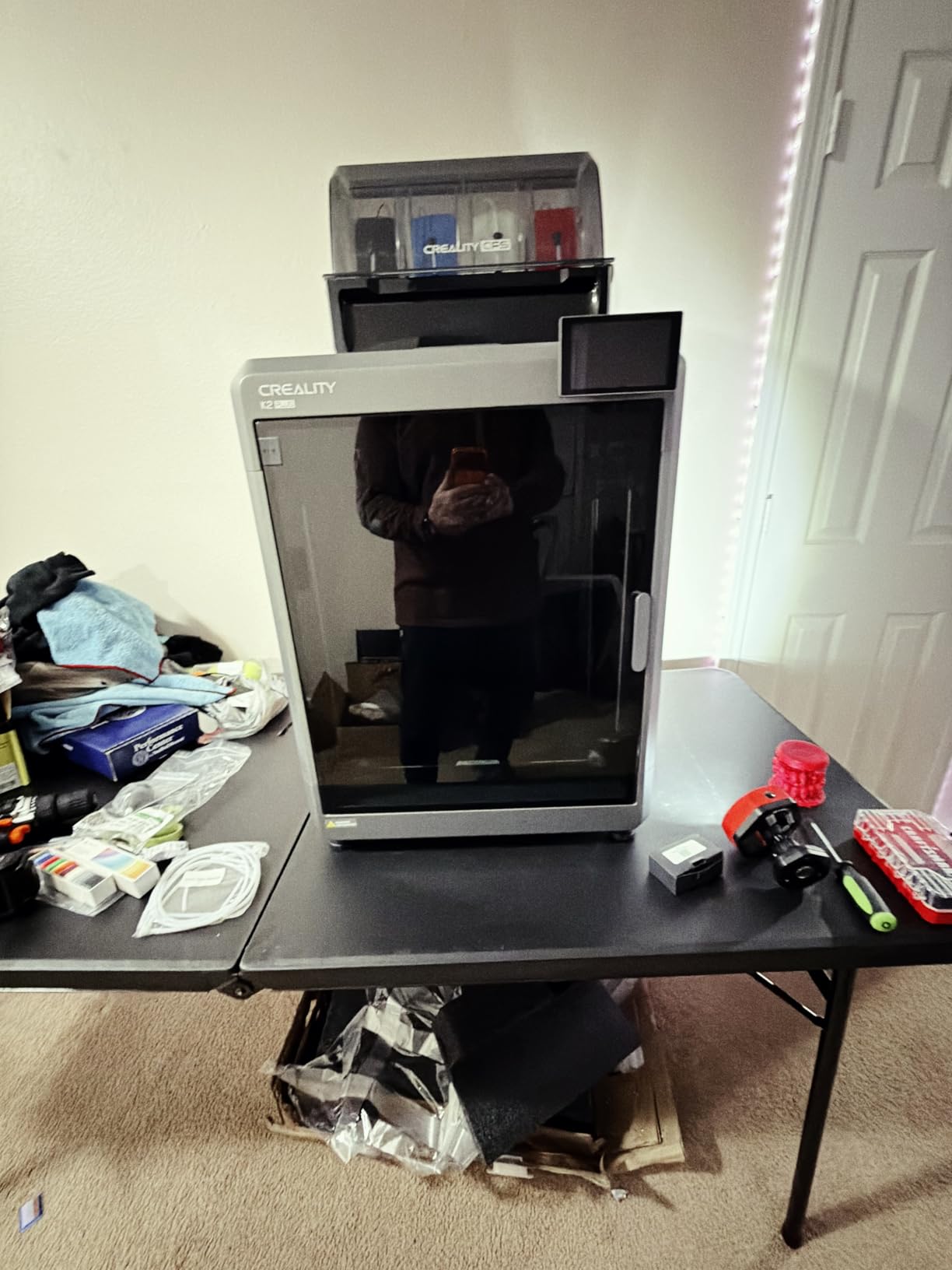
Owners rate it 4.2 stars across 2137 reviews with the same 71 percent five-star share as the machine above. The recurring praise is for print quality at speed, an enclosure that works for multi-day jobs, and CFS color changes that owners describe as seamless. Auto calibration before each print handles leveling and Z offset in one step.
The negatives cluster in three places: early homing, cutter and extrusion errors during the first week, a slicer that is locked until you root or convert the system, and the physical reality that this is a heavy, wide box. Several buyers mention the CFS needs a longer cable that is not included in the box.
Why the cube shape beats a wide plate at home
A 350 x 350mm plate gives you 1225 square centimeters of bed area. That is 57 percent more surface than a 300mm square bed and enough room to nest a row of terrain tiles or a full set of armor plates in one overnight run. The equal 350mm Z height means tall parts do not need to be laid on their side, which is where strength and detail get compromised.
The enclosed chamber with fan climate control is what makes multi-day PLA and PETG prints safe to start before bed. For a home user, that reliability is worth more than the last 100mm/s of theoretical speed.
When to skip it
Skip it if you plan to run Klipper or any open firmware stack. Being tied to the Creality slicer is a real ceiling for anyone who wants input shaping, custom macros or community profiles, and it is the clearest dividing line between this machine and the Sovol SV08.
Skip it if the odor is an issue, since owners report strong chemical smell in enclosed rooms, or if getting it through a door is a problem, since two people are generally needed to move it into position.
3. Sovol SV08 – Best Budget Route Into Open-Source CoreXY Printing
Sovol SV08 CoreXY 3D Printer, Voron 2.4 700mm/s High Speed 3D Printers
CoreXY at 700mm/s
350 x 350 x 345mm build volume
Klipper firmware
Fully open-source design
Pros
- No paywalled firmware features
- 350mm class volume at a far lower entry point
- Prints well with little tuning for PLA PETG and TPU
- Pressure sensor quad gantry leveling
- Sovol support described as responsive
Cons
- Recurring hotend clogging reported by some owners
- Noisy with a constant mainboard fan
- Assembly takes hours and needs care
The Sovol SV08 is the most interesting machine in this roundup for anyone who wants a large CoreXY printer without paying a premium brand price. It is a fully open-source design based on the Voron 2.4, running near-mainline Klipper with input shaping, pressure advance and PID tuning all available without a license key.
CoreXY motion at 700mm/s and 40,000mm/s2 acceleration is the theoretical peak, and a home user will rarely see it on real geometry. What matters is the input shaping: on a machine this size, that smoothing is what keeps a 40-hour print from ringing at every corner.
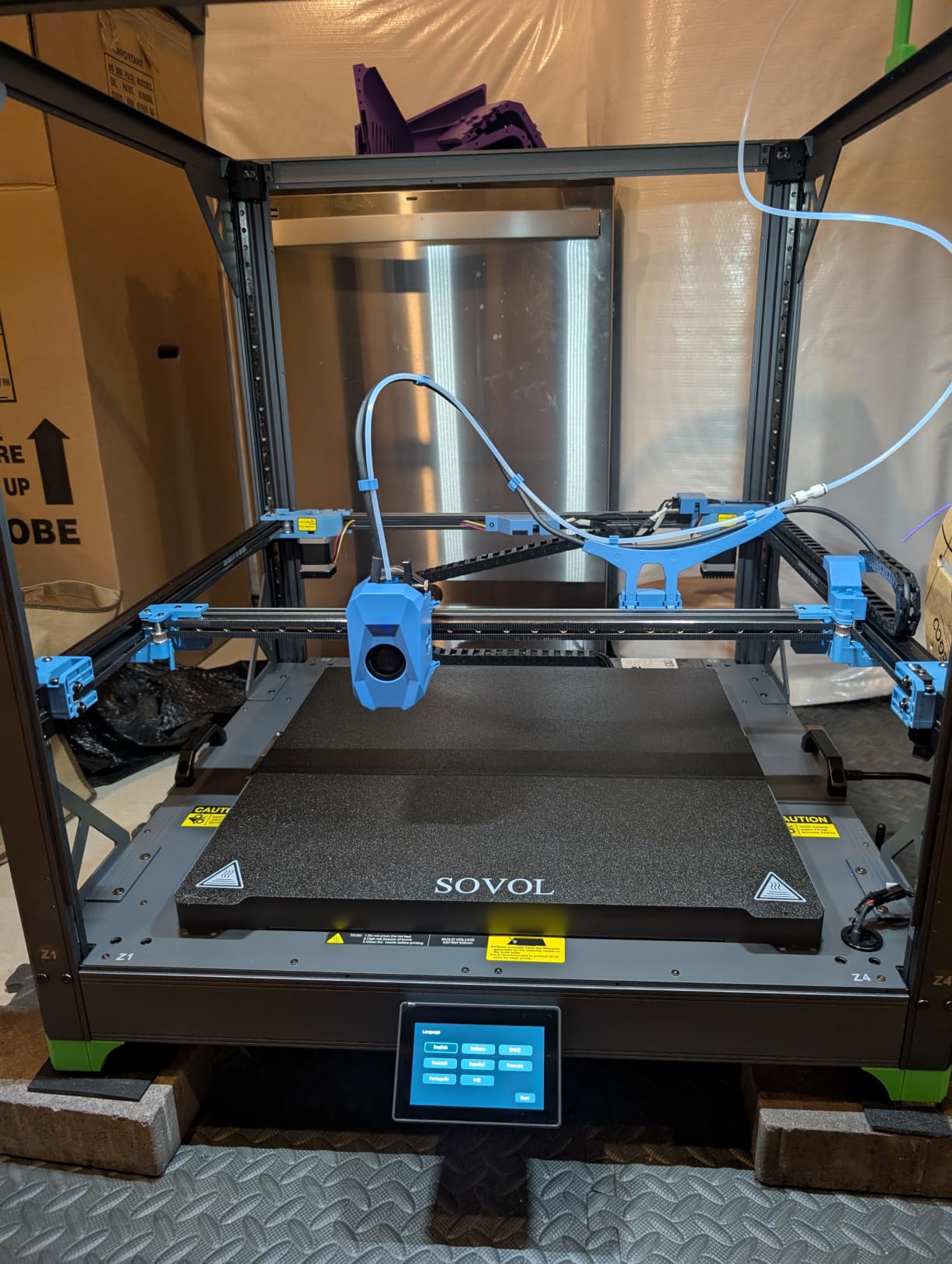
Owners give it 4.1 stars from 1422 ratings, with 64 percent five-star. The praise is concentrated on three things: it prints well out of the box with minimal tuning, the 350 x 350 x 345mm volume is generous, and Sovol support is repeatedly described as responsive and generous with replacement parts. Community documentation fills the gaps the manual leaves.
The complaints are equally consistent. Hotend clogging is the big one, and some owners report it persisting even after fitting third-party hotends. Noise is the other: a small mainboard fan runs constantly and the part cooling fans drown out the steppers. Assembly takes a few hours and demands care with ribbon cables and squaring the gantry.
What open source actually changes day to day
On Klipper you can set acceleration, retraction and input shaping values yourself, run pressure advance tuning without recompiling, and use the standard Fluidd web interface for remote monitoring. If a fan dies or a hotend needs swapping, community designs for the Voron platform are already documented rather than invented from scratch.
The quad gantry uses four independent Z motors with a pressure sensor for auto leveling, which is a genuinely large-bed solution rather than a single probe on a moving bed. The AC heated bed reaches 220C in 40 seconds, so you are not waiting out a thermal soak before starting a print.
When to skip it
Skip it if noise matters in your household. This is the loudest machine in our top three and owners call it disruptive in a home, which is a real cost when the printer lives in a spare room rather than a detached garage.
Skip it if you want a turn-key experience. Assembly, gantry squaring and community-documented troubleshooting are part of the deal, and the bundled USB stick ships an older version of OrcaSlicer that you will replace anyway.
4. Longer LK5 Pro – Best for a First Large Printer on a Small Budget
Longer LK5 Pro 3D Printer with Dual Z-Axis Upgrade, 4.3″ Color Touch Screen, Silent Motherboard, Large Print Size 11.8″x11.8″x15.7″, Fully Open Source, Filament Run-Out Detection
300 x 300 x 400mm build volume
180mm/s print speed
Silent TMC2209 drivers
4.3 inch color touch screen
Pros
- Largest build volume here at the lowest price point
- Silent drivers keep noise down for its size
- Color touch screen simplifies setup
- Run-out detection and power loss resume
- 90 percent pre-assembled
Cons
- Open frame with no enclosure for ABS or ASA
- Setup and firmware flashing takes patience
- Single extruder with no multi-material option
The Longer LK5 Pro answers a specific question: what do you get if you just want a big build volume and you are new to this. At 300 x 300 x 400mm it is the only machine here with a 400mm Z height in the mid-size class, which matters more than the extra 100mm of XY you get elsewhere, because tall thin parts print better standing up.
It arrives 90 percent pre-assembled with a dual Z-axis upgrade kit included, and it weighs 26.4 pounds. That weight point matters more than it sounds, because it is light enough for one person to carry up a staircase or reposition when you reorganize a room.
Its 4.2 stars from 664 reviews sit alongside a 68 percent five-star share, and the review pattern is consistent: owners highlight value, roomy volume, quiet operation for a machine of this size, and an approachable 4.3 inch color touch screen. Filament run-out detection and power outage resume protect the long prints this size encourages.
The TMC2209 stepper drivers and silent motherboard are the reason it is quieter than most open-frame large printers, and the lattice glass build plate helps keep the bed flat and makes parts easier to pop free.
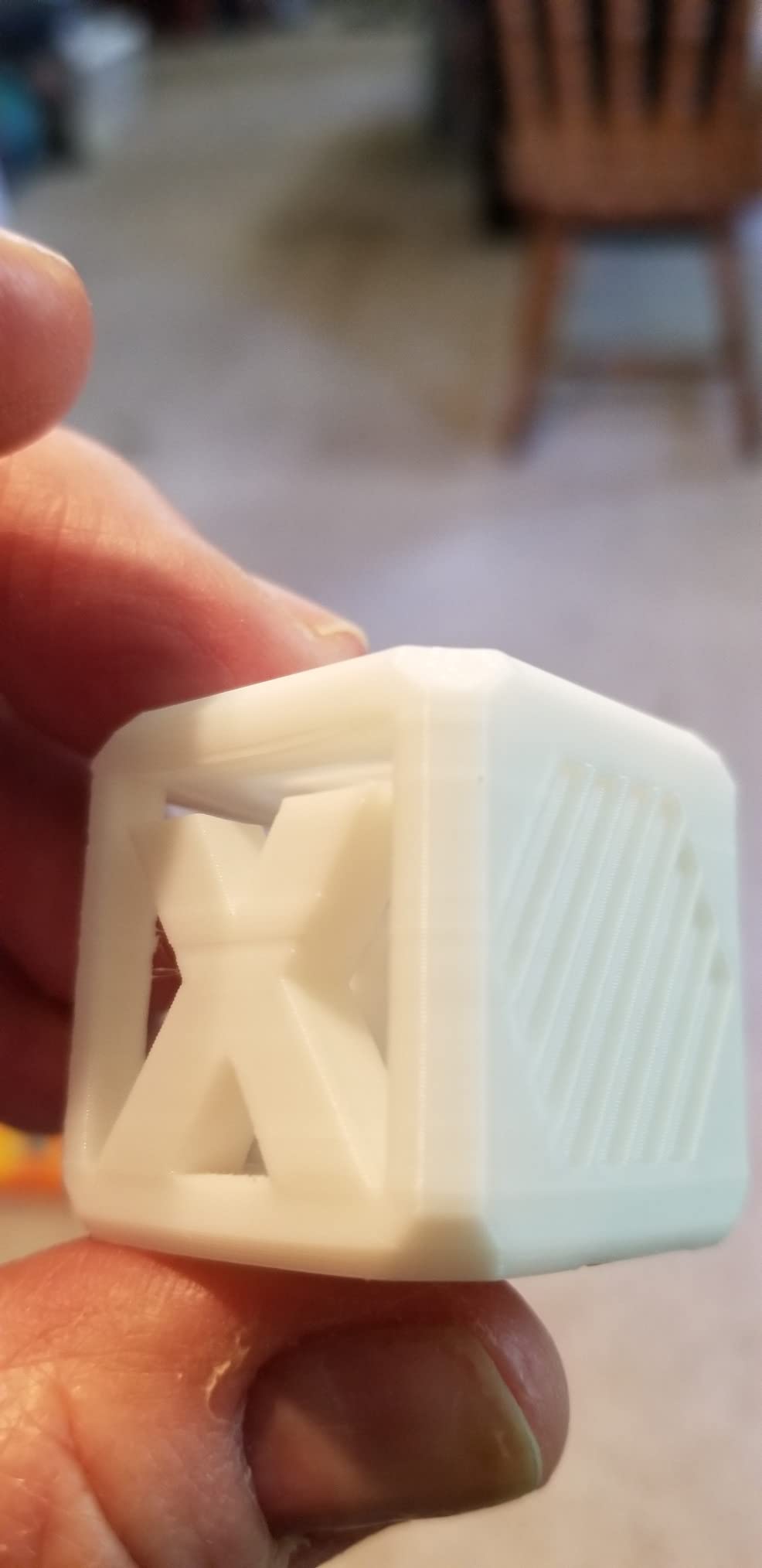
Where a 300 x 300 x 400mm box fits in a home
The footprint is 11.81 x 11.81 x 15.75 inches, so it clears a standard interior door and fits under a typical workbench with room for the spool arm. Nothing about this machine requires a reinforced table, which is the practical limit that eliminates half the picks in this roundup.
The dual Z upgrade kit improves accuracy on tall prints and reduces the leveling effort a large bed normally demands. If your kit includes the single Z baseline instead, tall results vary, so confirm which configuration you are receiving.
When to skip it
Skip it if you plan to print ABS or ASA. An open frame gives you no chamber control, so large ABS parts will lift at the corners in any room with a temperature swing. Stick to PLA, PETG and TPU on this machine.
Skip it if you want multi-material printing. There is a single extruder and no AMS-style unit, so multi-color means painting, dyeing or printing parts separately.
5. QIDI Plus4 – Best for Engineering Filaments at 300mm Class
QIDI PLUS4 3D Printer, 65℃ Chamber Heating, 370°C Integrated Nozzle
305 x 305 x 300mm build volume
65C actively heated chamber
370C multi-metal nozzle
59.4 lb machine
Pros
- 65C chamber cuts warping on high-temperature filaments
- 370C integrated nozzle resists clogging
- 10mm lead screws and linear shafts for tall prints
- HD camera with app monitoring
Cons
- Steeper learning curve in setup and slicer
- Highest share of one-star reviews in this list
- QIDI BOX MMU syncing reported unreliable
The QIDI Plus4 is a 305 x 305 x 300mm CoreXY machine whose entire design brief is high-temperature material. The second generation active chamber heating uses 400W with air circulation and dual-layer insulation to reach 65C, and the 80W hotend carries a multi-metal integrated throat nozzle rated to 370C.
Those two numbers together are what unlock PPS-CF, PPA-CF and GF, ABS, ASA, PC, PA and PET. Few 300mm-class home machines can print those without a heated chamber and a nozzle that survives the abrasive fibers.
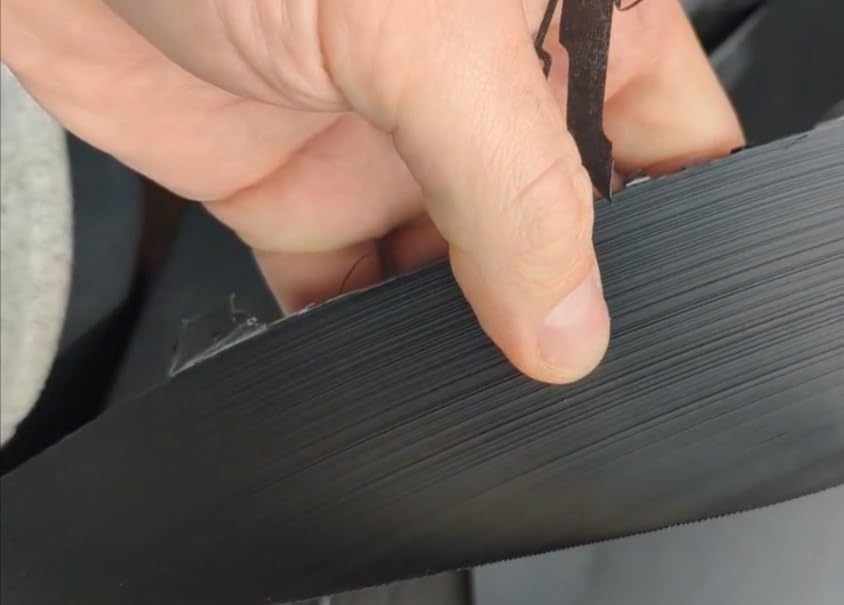
The dual motor-driven Z-axis uses 6mm thickened aluminum heated plate, 10mm lead screws and linear shafts, which is heavy hardware for a machine at this size. It is exactly what keeps a 300mm tall part from developing a lean over a long print.
Ratings sit at 4.0 stars from 354 reviews, and this machine has the widest spread in the roundup: 65 percent five-star but 16 percent one-star. Enthusiastic owners point to the heated chamber, the high-temp nozzle and the rigid Z hardware. Critical reviews describe early failures including Z-axis problems, bed plate damage and clogging.
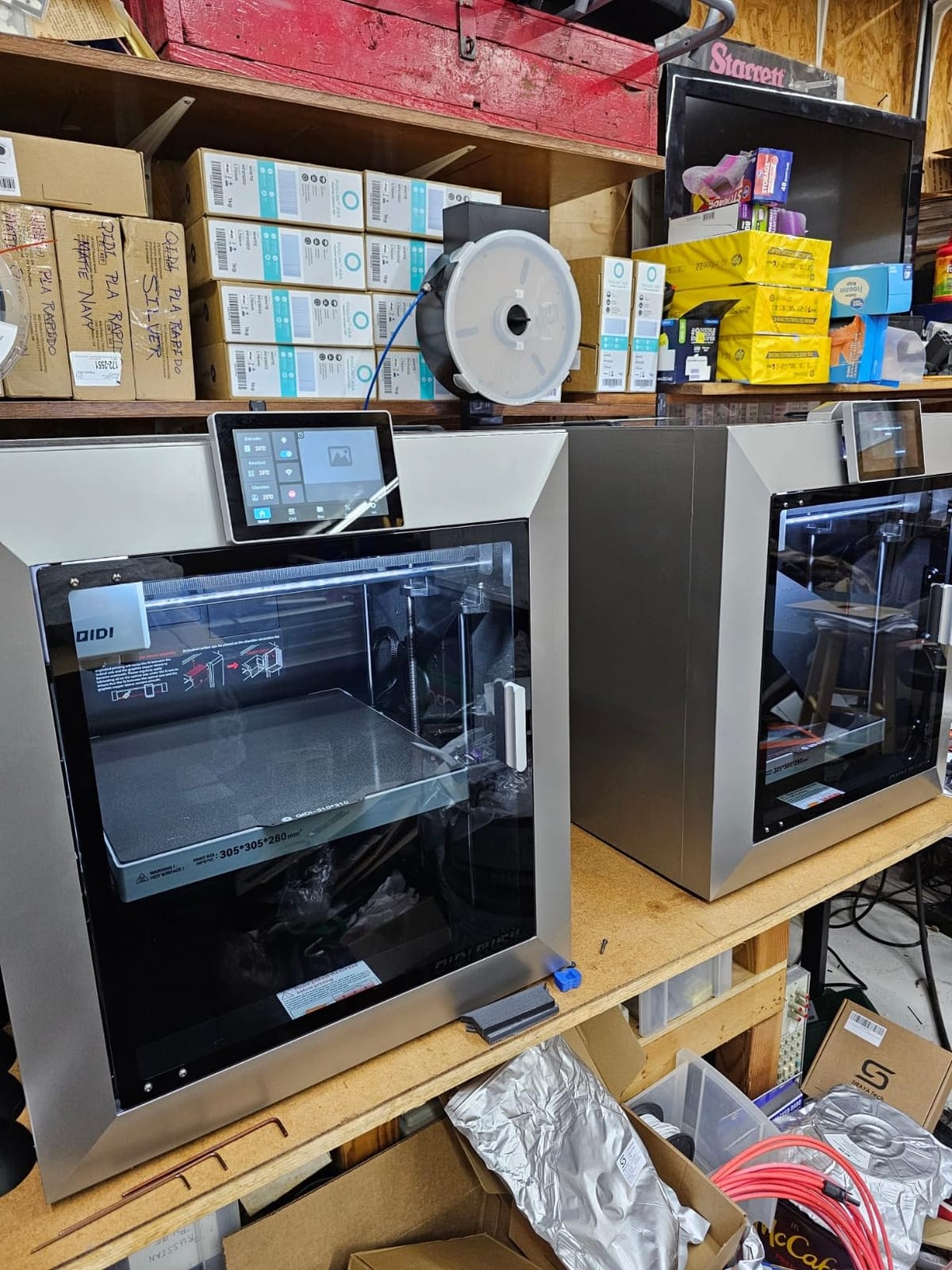
Whether 300mm class is enough for your parts
About 28 litres of build volume and 930 square centimeters of bed area. That covers full helmets, breastplates, forearm armor and most mid-size terrain sections, but it will not clear a 400mm propeller or a life-size prop weapon. If your largest planned part exceeds 320mm on any axis, buy up rather than planning around this one.
The HD camera supports remote monitoring and time-lapse through the QIDI app and QIDI Studio, and the integrated filament cutter means you can add the QIDI BOX multi-color unit later. That expansion is where owner complaints concentrate, with reported sync problems that pick the wrong filament.
When to skip it
Skip it if you want a gentle first machine. First-time owners report a steep learning curve in setup and in the bundled slicer, and the platform is newer so there is less community documentation than the Voron-derived designs here.
Skip it if early failure risk worries you. A 16 percent one-star share on 354 reviews is the highest in this roundup, so budget for a possible early support interaction and check that the vendor ships parts quickly in your region.
6. Anycubic Photon Mono M7 MAX – Best for Fine Detail in Large Resin Pieces
ANYCUBIC Resin 3D Printer, Photon Mono M7 MAX 13.6-inch 7K Mono LCD
298 x 164 x 300mm resin volume
7K mono LCD at 46um XY
Up to 60mm/h
Temperature controlled vat
Pros
- Highest rated machine here at 4.5 stars
- 46um XY pixel size gives exceptional detail
- Heated resin vat improves success rate
- 1300ml tank with flip-top access
- Five built-in self-check inspections
Cons
- No wash and cure station exists in a size that fits this plate
- Resin handling means gloves and ventilation
- Some owners report early failures before leveling
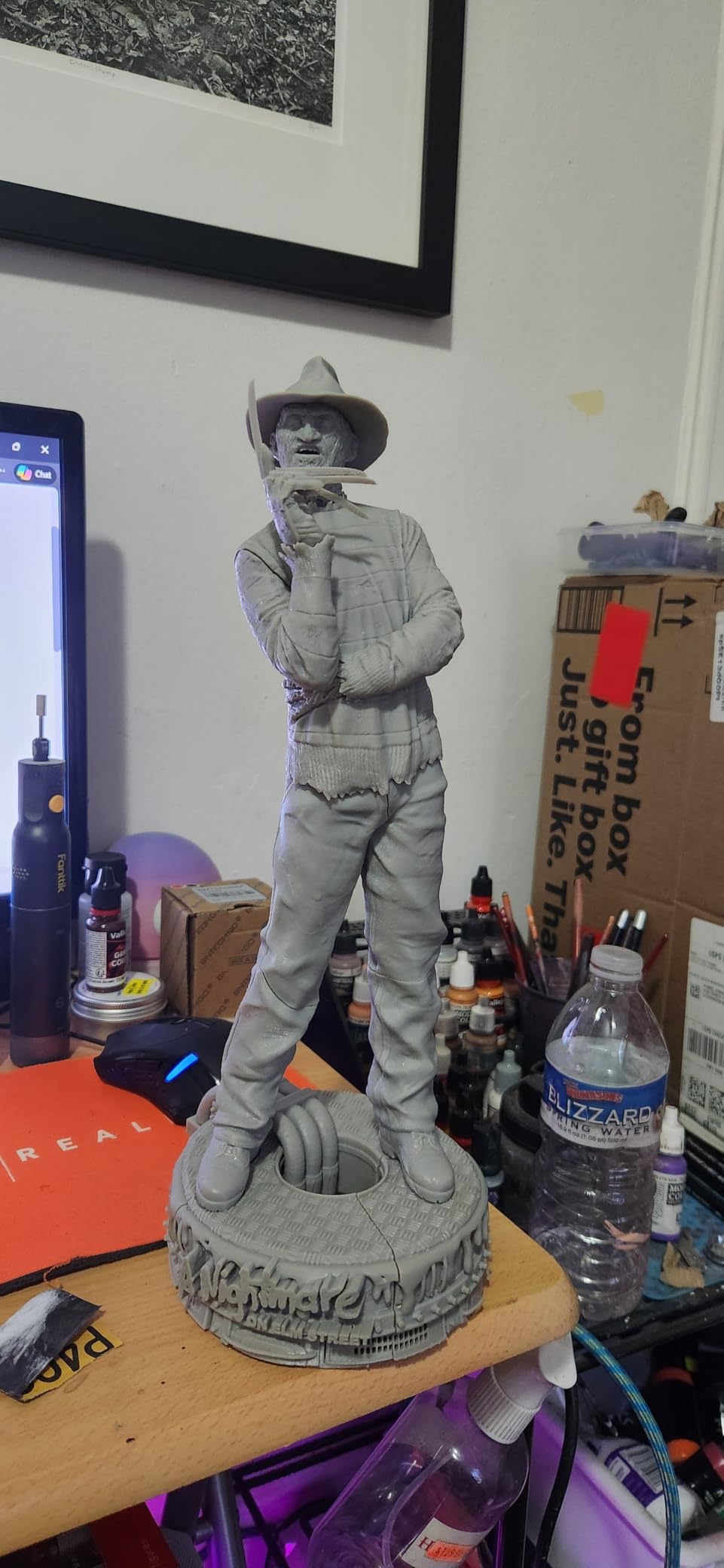
This is the only resin machine in the roundup and it earns the place on detail. The 13.6-inch 7K monochrome LCD resolves 6480 x 3600 pixels with a 46 x 46um XY pixel size, which is a different order of surface quality from anything an FDM nozzle can produce on a single layer line.
The build volume is 298 x 164 x 300mm, a wide and shallow shape rather than a cube. That geometry suits large flat panels, cosplay masks, miniature dioramas and display pieces far better than it suits a tall prop.
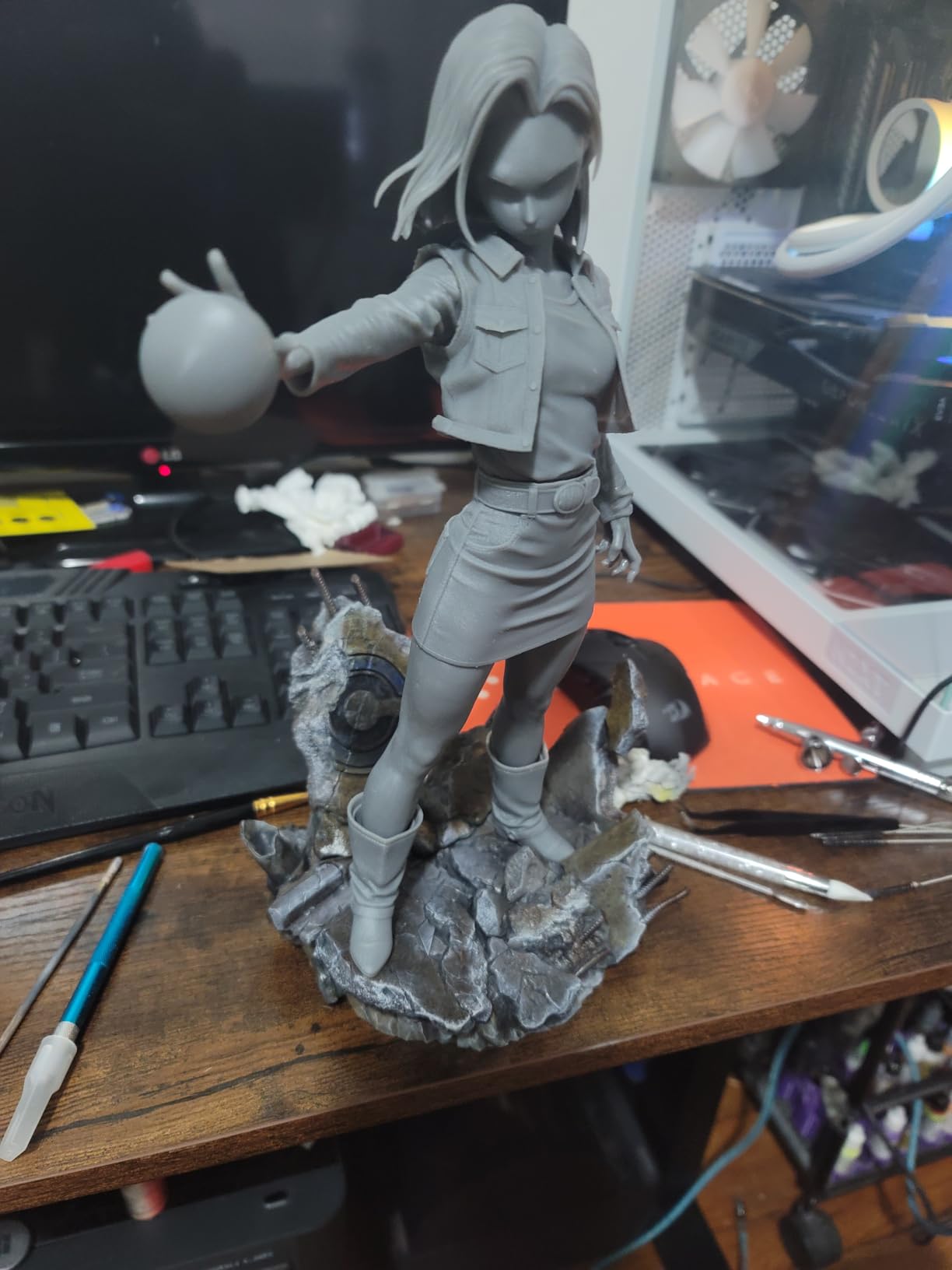
At 4.5 stars from 146 reviews with a 77 percent five-star share, this is the highest-rated machine in the list. Owners consistently describe print detail, build size and the heated resin vat as the standouts, and many run it as a workhorse once dialed in.
Five built-in self-check inspections cover residual resin and failed print detection, the 1,300ml vat has flip-top access and a suspension drip setting, and high-precision Z spools reduce layer lines. The heavier build plate holds parts firmly and cuts down on layer shifts.
The resin workflow no spec sheet tells you about
The practical problem is the wash and cure step. The bundled accessories do not fit this build plate, and owners note that a station properly sized for the machine is not something the ecosystem currently supplies. Budget separately for a large wash station or plan on an improvised container setup.
Resin also changes what a home space needs. You will wear gloves, you will ventilate, and you will wash parts before curing. Uncured resin is a genuine household concern, which is why this machine ranks below the enclosed FDM options for general home use.
When to skip it
Skip it if you need large structural volumes in any quantity. Resin is slow and expensive per kilogram of finished part, so it makes sense for display pieces and high-detail masks rather than armor, jigs or terrain.
Skip it if you cannot ventilate a dedicated space. One owner abandoned a large resin machine after six months citing the support experience, and that friction is the norm rather than the exception with resin at this size.
7. QIDI Max4 Combo – Best Turn-Key Set and Print Experience
QIDI Max4 Combo 3D Printer, 390×390×340mm Build Volume, 65℃ Heated Chamber
390 x 390 x 340mm build volume
800mm/s with closed-loop motors
65C heated chamber
120 lb machine
Pros
- Very large volume prints helmets and props in one piece
- Correct out of the box with no manual leveling
- 65C chamber plus silicone bed handles ABS and fibers
- Long-term owners report no clogs
- Support answers questions personally and sends replacement parts quickly
Cons
- Extremely heavy at 120 pounds
- QIDI BOX retractions can tangle
- Documentation is sparse
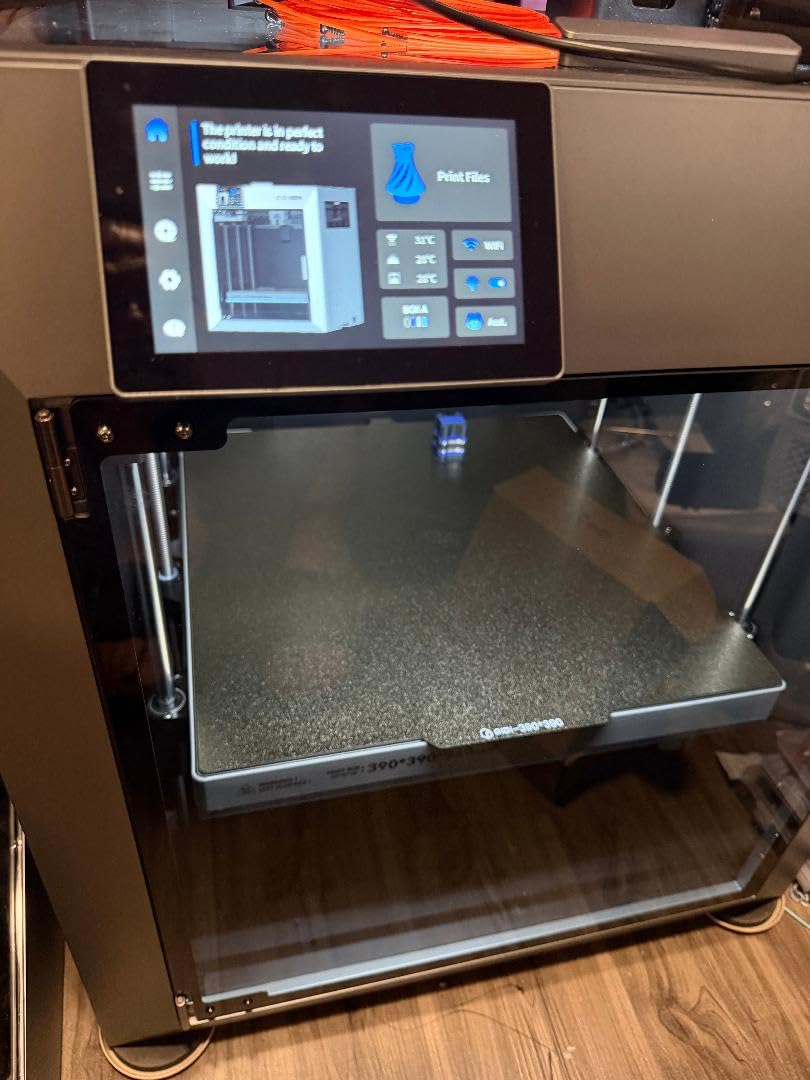
The QIDI Max4 is the largest enclosed machine here by area, at 390 x 390 x 340mm. Multiplied out that is about 52 litres of build volume on a plate giving roughly 1521 square centimeters, and in practice it means full-size helmets and oversized props without splitting a model across two prints.
Its motion system uses closed-loop motors on X and Y, a 2mm lead screw with an anti-backlash nut on Z, and it claims 800mm/s at 30,000mm/s2. The full-surface silicone heated bed spreads heat evenly, which is the practical answer to corner lift on a plate this size.
Owners rate it 4.4 stars from 30 reviews with a 77 percent five-star share. It is a small evidence base, and we treat it that way, but the reports are unusually consistent: people upgrading from other printers describe the difference as night and day, cite simple setup and a flat bed, and report no clogs after thousands of meters of filament.
A built-in AI camera detects failures and pauses the print, and the glass door plus internal lighting make monitoring a 40-hour job much easier. It also expands to 16 colors through the QIDI BOX.
What a 65C chamber buys you at home
The 65C actively heated chamber handles ABS-CF, PC and PPS-CF, which is the practical reason to buy an enclosed machine this size rather than an open frame. Fiber-reinforced filaments are unforgiving of temperature change, and a cold chamber is the number one cause of cracked large ABS and ASA prints.
The 40mm3/s high-flow hotend with a hardened steel nozzle is sized for the same job. On a bed this large you will be laying down long uninterrupted walls, and flow rate is what keeps that from becoming a visible seam pattern.
When to skip it
Skip it if you do not have a sturdy table. At 120 pounds and 28 x 28 x 30 inches, this is not a machine two people carry up stairs casually, and a light table will not hold it level.
Skip it if you want proven long-term reliability data. Thirty reviews is not a track record, and the QIDI BOX magazine has reported problems with tangling on retraction and inconsistent syncing with QIDI Studio. The Polar Cooler accessory is also a separate purchase.
8. Anycubic Kobra 3 Max – Biggest Build Volume in This List
Bundle Anycubic Kobra 3 Max Combo 3D Printer, Support Multi Color Printing 600mm/s High-Speed Printing, Large Build Volume 420x420x500mm, Auto Leveling & Smart Vibration Compensation PEI Plate
420 x 420 x 500mm build volume
600mm/s at 20000mm/s2
G-sensor vibration compensation
All-metal 300C hotend
Pros
- Largest cube volume here at about 88 litres
- 600mm/s with G-sensor compensation
- PEI spring steel plate gives reliable adhesion
- Run-out sensor and power outage resume
Cons
- Only 38 ratings with a 17 percent one-star share
- Open frame with no chamber heating
- Bundle adds cost and complexity
By raw volume the Kobra 3 Max wins this roundup outright. A 420 x 420 x 500mm build volume multiplies out to roughly 88 litres and gives you 1764 square centimeters of bed, which is the largest cube-style space available here for life-size prototypes and furniture-scale parts.
That size comes with 600mm/s print speed at 20,000mm/s2 acceleration and a G-sensor vibration compensation system that detects disturbance and corrects for layer shifts. On a machine this large, that sensor is doing real work rather than marketing.
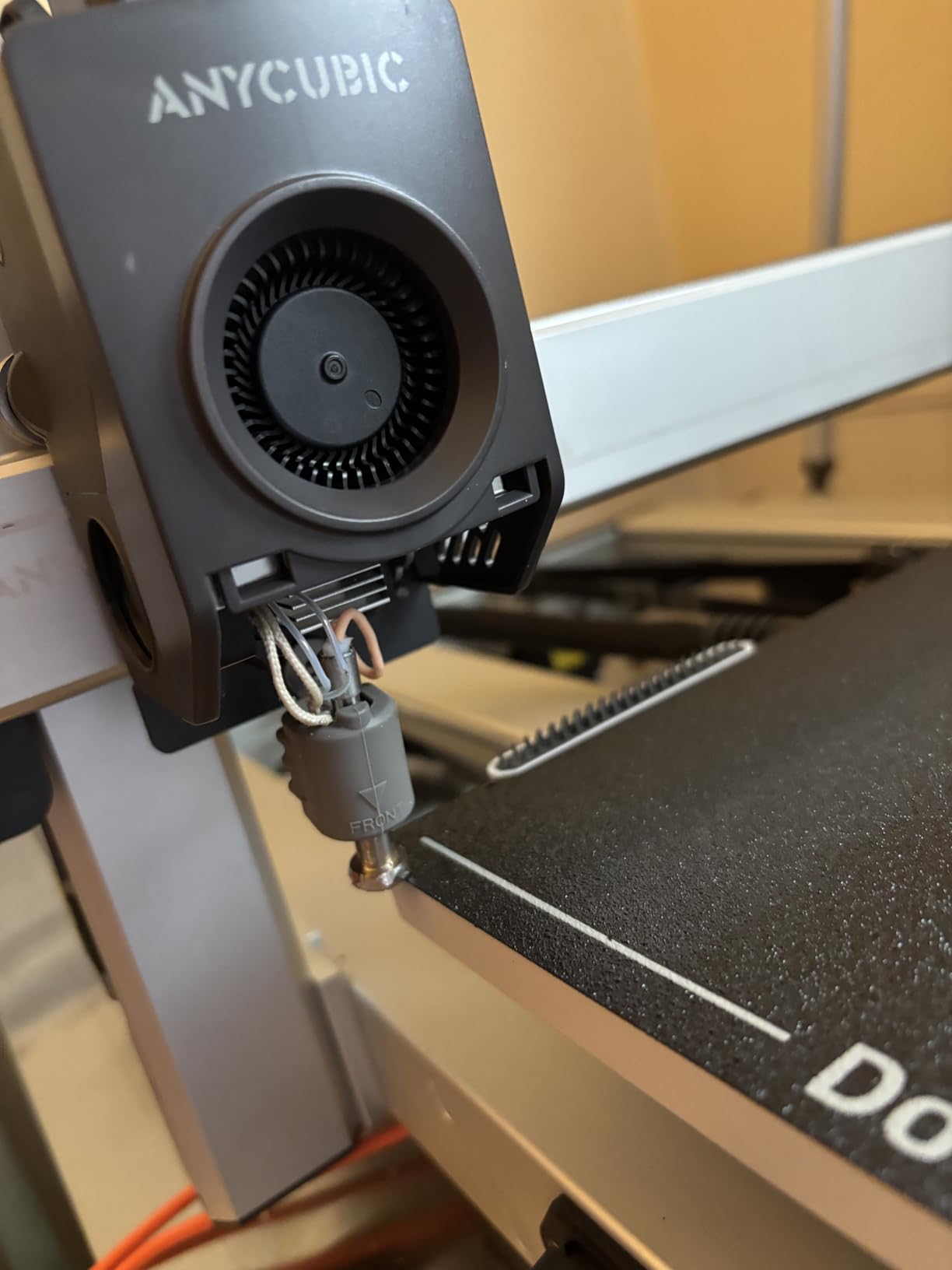
The dual-sided PEI spring steel build plate is the detail that matters most for large prints, because it gives consistent adhesion across the full 420mm width and releases cleanly once cool. The all-metal hotend rated to 300C covers PLA, PETG and TPU, with a quick-swap 0.4mm nozzle.
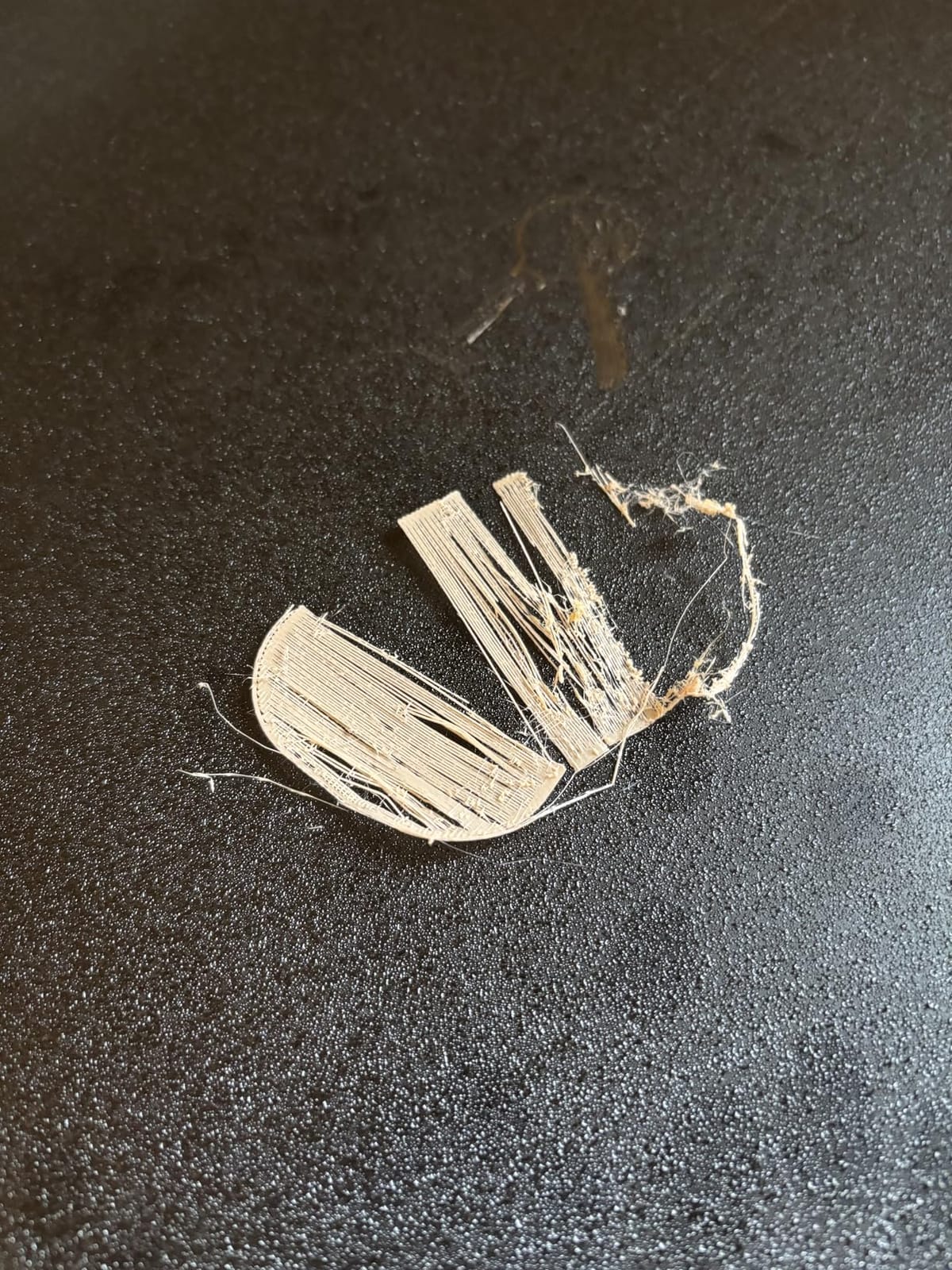
We are flagging the evidence gap here. Thirty-eight ratings with 17 percent one-star reviews is a thin base, and because this listing is a bundle with a multi-color unit, there is limited long-term reliability data. The feature set is genuinely class-leading; the proof is not yet there.
When maximum volume is the right call
Pick this machine when your largest project has one dimension over 400mm. A life-size costume piece, a full RC aircraft fuselage, an architectural wall section or a large terrain board all stop being compromises here. On smaller jobs you can nest four to five times as many parts onto this plate as you could on a 220mm bed.
For unattended long prints, the filament runout sensor and power outage resume function are worth the money. Offline printing mode means the job keeps running even if your network drops.
When to skip it
Skip it for ABS and ASA. It is an open frame with no chamber heating, so large parts in high-temperature filament will lift at the corners in any home with changing temperature.
Skip it if you are risk averse about first-year hardware. With the thinnest review base in the roundup and no published weight or dimensions in the listing data, confirm the physical footprint fits your space before ordering.
9. Creality Ender 5 Max – Best for Multi-Printer Workshops
Creality Ender 5 Max 3D Printer 400×400×400mm Large Build Volume, 700mm/s Fast Printing Speed, 64-Point Auto Leveling, All-Metal Frame & Dual Gear Extruder, Multi-Printer Control Over WLAN
400 x 400 x 400mm build volume
CoreXY up to 700mm/s
64-point auto leveling
Epoxy build plate
Pros
- True 400mm cube at a mid-range price
- 64-point leveling removes manual bed calibration
- Reliable single-color output across PLA through PA
- WLAN multi-printer management
- Rigid all-metal frame
Cons
- No enclosure included and buyers recommend one
- Single color only without an added unit
- Bed sheet peels and bed can arrive warped
The Ender 5 Max is a 400mm cube on a CoreXY frame at a price that undercuts every enclosed option in this list by a wide margin. At 64 litres of build volume, it clears anything you would build on a 350mm machine, and at 70.4 pounds it is heavy without being immovable.
The 64-point auto bed leveling with automatic Z offset is the feature community buyers ask for most on large beds, because manual leveling of a 400mm plate is miserable. The reinforced die-cast aluminum frame and precision X-axis linear rail handle the mass of a large moving bed.
WLAN multi-printer control with grouped management and a tri-color status indicator is genuinely useful if you run more than one machine, which is why this lands where it does. The direct drive dual gear extruder with hardened gears handles continuous production work.
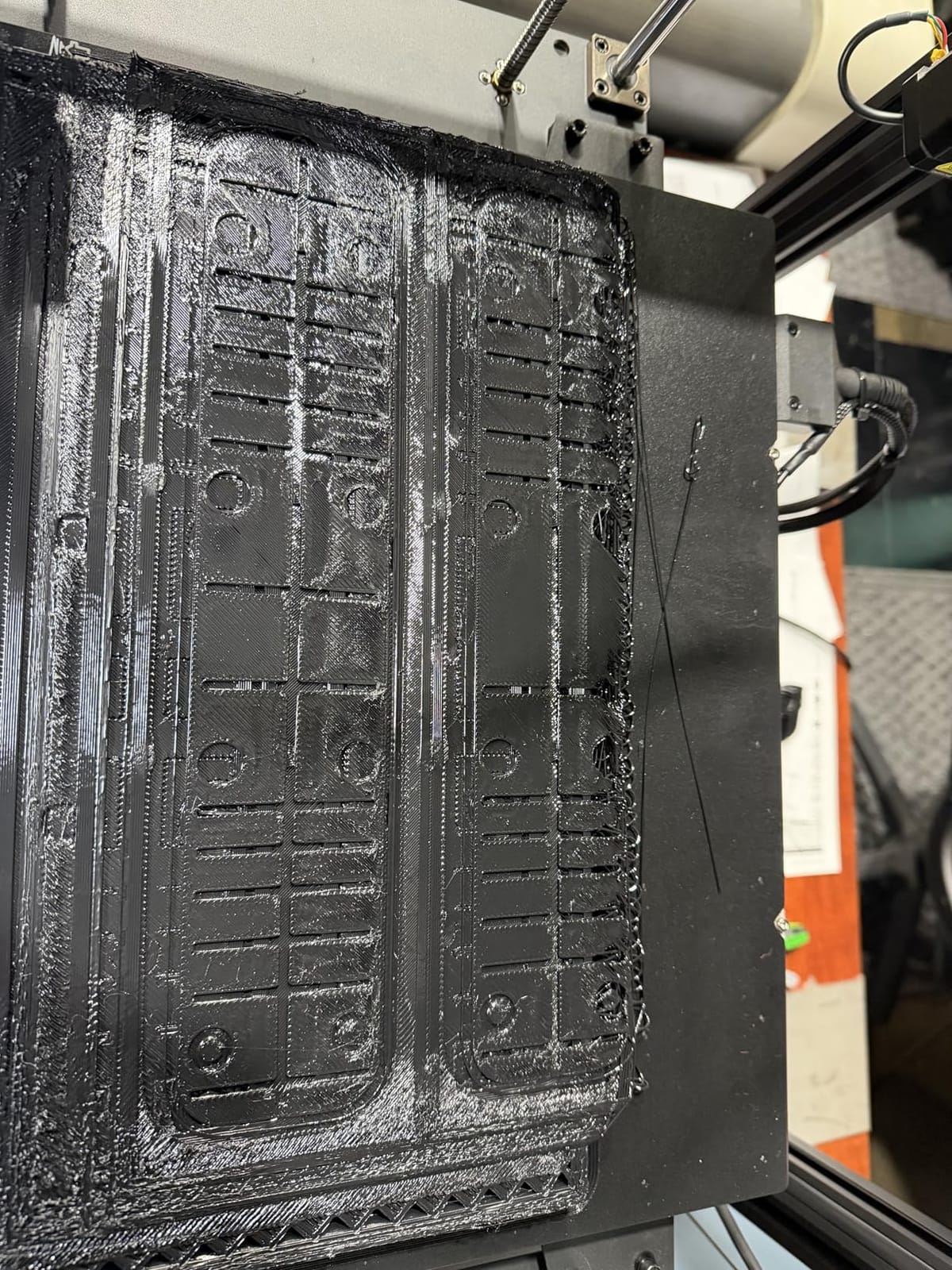
At 4.0 stars from 117 reviews, this is the most polarized machine here: 64 percent five-star against 17 percent one-star. Happy owners describe a dependable single-color workhorse for engineering jigs and prototypes and would buy another. Unhappy owners report units breaking within hours, warped beds and peeling sheet finish.
Why the frame and leveling matter more than the numbers
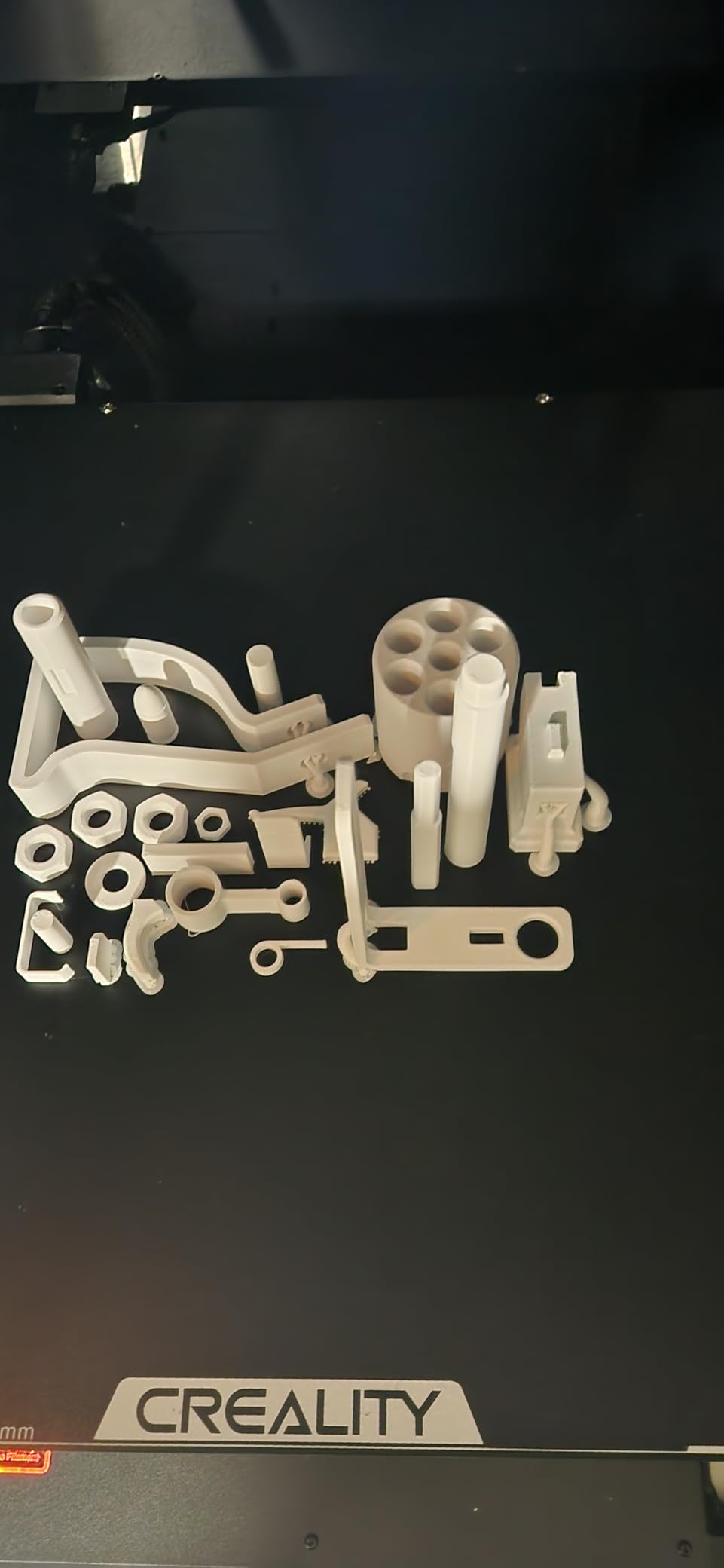
Most large-bed quality complaints trace back to two things: bed flatness and frame rigidity. The 64-point map catches a bowed plate that a 3-point probe would miss, and the die-cast frame resists the flex that makes tall thin parts wobble at the top.
The 1000W bed heats quickly for an open-frame machine, and it supports PLA, PETG, ABS, ASA and PA. Expect to add an enclosure yourself, because several buyers recommend buying one immediately.
When to skip it
Skip it for multi-color work. It is single-color unless you add a separate Co-Print unit, and the AI failure detection is described as hit or miss, so many owners add an external camera instead.
Skip it if ABS quality on a large part is your goal. Without an enclosure you will manage corners and warping by bed adhesion tricks alone, which is fighting the machine rather than using it. Creality presets and a loose-fitting extruder assembly also draw repeated complaints in reviews.
10. IdeaFormer IR3 V2 Belt Printer – Best for Very Long Parts
Official IdeaFormer-3D IR3 V2 Conveyor Belt 3D Printer, Infinite Z Axis Continuous Printing Belt Printer Large Format 250×250×∞mm for Cosplay, Prototyping & Production Auto Leveling 400mm/s Speed
250 x 250mm area with continuous Z
Up to 400mm/s on Klipper
45-degree gantry geometry
PEI coated belt
Pros
- Only continuous-print option here with no seams
- Ideal for cosplay armor and sword props
- Klipper with standard Fluidd interface
- 45-degree axis supports hollow printing without supports
- Support shipped a replacement belt quickly
Cons
- Not suitable for beginners
- Support threshold must be set to zero manually
- Noisy and reported as disruptive in a home
- Belt adhesion inconsistent without treatment
The IdeaFormer IR3 V2 answers a problem no cube printer can: parts longer than any reasonable Z height. Instead of a bed, it uses a PEI coated metal conveyor belt, so the part travels along it continuously and Z is effectively unlimited. Nothing gets split, nothing gets seam-spliced.
The trade is width. A 250 x 250mm build area gives you 625 square centimeters, which is a third of what a 400mm square plate offers, but it prints things nothing else here can print in one piece. For a sword prop, a staff, a long signage element or a set of armor greaves, that is the whole point.
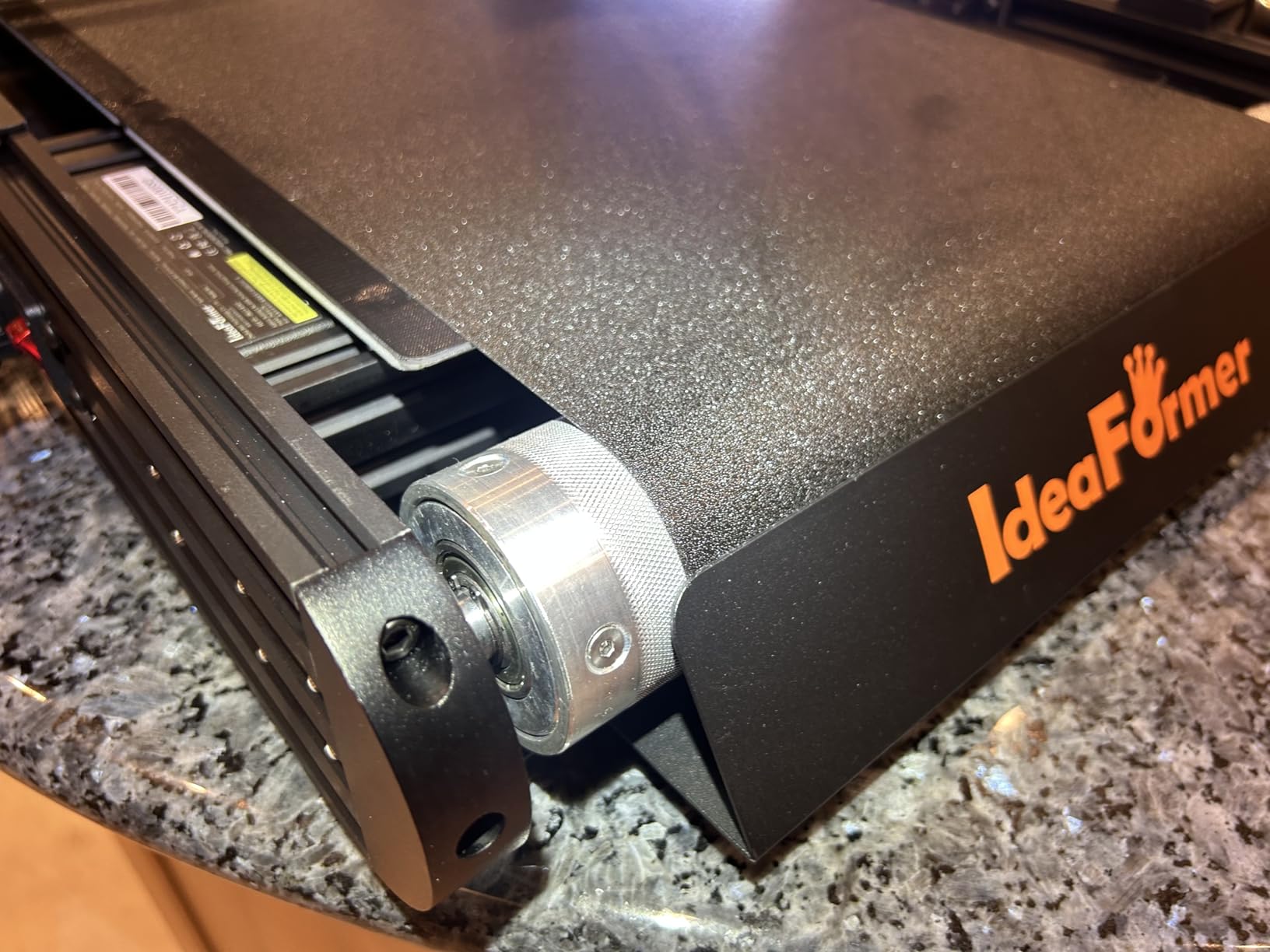
The 45-degree tilted gantry geometry is what enables hollow printing without supports, which cuts both filament use and post-processing on large shells. Klipper firmware with the standard Fluidd web interface and an included webcam make remote monitoring straightforward, and one owner reports running unattended for a week straight on a single spool.
At 4.1 stars from 36 reviews, the pattern is specialist rather than general. Print farm operators and long-prop makers rate it very highly, while several report belt damage, jams and filament sensor faults in the first weeks. Support responded quickly in at least one case, replacing a belt after a weld split, though email-only support with multi-day replies is also mentioned.
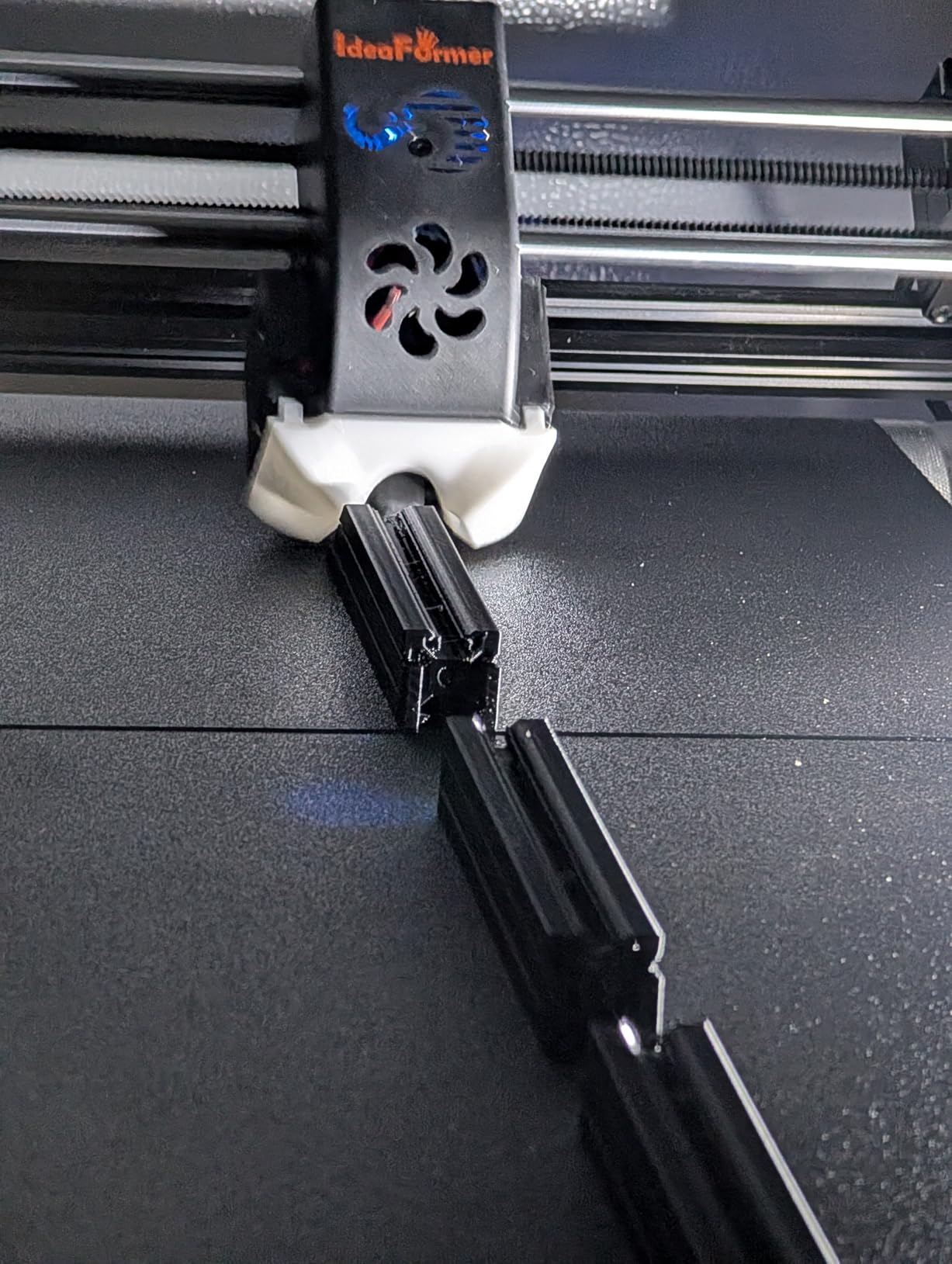
The continuous print workflow
Because the part does not rest on a heated plate, the whole thermal problem changes. There is no bed to heat, no corner lift from a large flat surface and no warping across a wide area, which makes this geometry far more forgiving for large thin parts than a flat bed.
At up to 400mm/s with an integrated roller gearbox, and supporting PLA, PETG, ABS, TPU, ASA and PP, it covers more materials than its size suggests. One-click auto calibration uses a Y-offset strain sensor to set belt alignment.
When to skip it
Skip it if this is your first printer. The 45-degree geometry has its own learning curve, the support threshold must be set manually to zero degrees or overhangs fail, and stock models from model repositories were not designed around this orientation.
Skip it if noise or bandwidth is a problem. Several owners describe it as disruptive in a home, belt adhesion needs glue stick or hairspray treatment on some materials, and the bundled Windows executables can be flagged by antivirus software.
What Large Format Means for a Home Setup?
Specs tell you nothing about whether a 120-pound machine can live in your house. The picks in this roundup range from 26.4 pounds and 11.81 inches square up to 120 pounds and 28 x 28 x 30 inches, and that spread decides more purchases than any feature list.
Check three physical things before you order. Door width matters, because a 28-inch-wide machine may not clear an interior doorway without turning. Ceiling clearance matters, because a CoreXY gantry with a top-mounted CFS needs headroom above the machine, not just beside it. And weight matters, because a heavy machine on a folding table will not stay level and level beds print better.
Power is the constraint owners ask about most. Heated beds on this class draw enough that the machine should go on a dedicated outlet rather than sharing a circuit with a space heater or a desktop PC. A heated chamber on top of a 1000W bed is the heaviest combination we listed, so plan the circuit before the machine arrives.
Noise is not a spec sheet item, but owner reports are consistent. The Sovol SV08 is described as disruptive in a home because of a constant mainboard fan. The Creality K2 Pro publishes a figure of 45dB at 300mm/s, which is the rare published number in this category. Faster machines are louder, and the part cooling fans are usually the worst offenders, not the steppers.
Resin needs its own paragraph. Uncured resin is a genuine household concern, so any MSLA machine belongs in a ventilated space with gloves, washing and a dedicated wash station. Only one resin printer made this roundup, and none of the FDM machines carry that burden.
Running costs deserve a line too. Beyond filament, budget for spare nozzles and a hardened nozzle if you print abrasive fibers, a silicone bed sock that wears out on heavy duty cycles, and for resin, a larger wash and cure station that may not yet exist in the size you need.
How to Choose a Large Format 3D Printer for Home Use
Start by measuring your largest intended part, not the largest part you can imagine buying parts for. Printers in this class range from about 28 litres of volume up to 88 litres, and that gap is the difference between a helmet that fits and a helmet you print in halves. Measure the part including any supports you cannot avoid, then leave 10 to 20 percent headroom in each direction.
Decide FDM or resin next. FDM handles large structural parts, engineering filaments and long prints cheaply. Resin delivers surface detail that FDM cannot approach at this size, but it is slow, expensive per kilogram of finished part, and demands a wet workflow. Most homes should buy FDM and treat resin as a second machine years later.
Kinematics matter more than people expect. CoreXY keeps the mass on the frame instead of moving the bed, which reduces layer shifts on long prints and enables the input shaping that smooths corners at speed. Bed slinger designs are cheaper and lighter, which is a legitimate tradeoff if your largest part is small enough that you are not printing for three days.
An enclosure decides which materials you can use. Without one, restrict yourself to PLA, PETG and TPU. With a 60 to 65C actively heated chamber you can work in ABS, ASA, PC and fiber-filled variants, which is where functional prototyping genuinely starts to matter.
Bed leveling is the most common deal breaker in community feedback, and automatic mesh leveling is no longer optional at this size. A 64-point map on a 400mm plate and a pressure sensor quad gantry are both stronger approaches than a single probe, and none of our picks require manual leveling to get started.
Assembly level is the second most cited pain point. Some large machines ship nearly complete with a color touch screen, while others arrive flat packed or part assembled. If you have never built a printer before, the fully assembled route costs less in frustration than it does in money.
Batch economics are worth a paragraph. A 420 x 420mm plate gives you about 1764 square centimeters of bed, roughly four times the area of a 220mm square bed, so one overnight run can cover a week of small parts. If that is your actual workflow, several small printers will beat one large one on throughput and let you print while you level the next job.
Finally, weigh the split-and-glue alternative honestly. Industry guidance on the Voron and Sovol platforms puts the shear strength loss of a bonded seam at 40 to 60 percent compared with a single piece, and adds 3 to 8 hours of sanding, filling and clamping per build. For cosplay armor, helmets and anything load-bearing, one piece is usually worth the bigger machine, especially if you plan to stitch the soft goods on an embroidery machine and mount the printed shell on top.
Frequently Asked Questions
What is the biggest 3D printer I can buy for home use?
Among desktop machines, the largest build volume in this roundup is the Anycubic Kobra 3 Max at 420 x 420 x 500mm, which multiplies out to roughly 88 litres of volume on a 1764 square centimeter plate. The QIDI Max4 is the largest enclosed option at 390 x 390 x 340mm. Anything beyond these desktop sizes moves into industrial equipment that is not sized for a domestic room.
Which large format 3D printer has the best quality?
Quality depends on what you print. For overall finish and material range, the Creality K2 Plus Combo leads this list with a 60C actively heated chamber, a tri-metal hotend rated to 350C and a 40mm3/s flow rate. For pure surface detail, the Anycubic Photon Mono M7 MAX wins outright with a 7K monochrome LCD at 46um XY resolution, though resin carries a much heavier handling burden.
What is currently the best 3D printer for home use?
For a home user who wants one machine that handles large parts, engineering filaments and multi-color projects, the Creality K2 Plus Combo is the pick we recommend. It combines a 60C heated chamber, 600mm/s speed, a 40mm3/s hotend and a 16-color CFS unit with the largest review base in this roundup at 3963 ratings.
What is the best 3D printer for large builds?
For the largest cube volume, the Anycubic Kobra 3 Max at 420 x 420 x 500mm is the direct answer. For large builds that need engineering materials, the QIDI Max4 at 390 x 390 x 340mm with a 65C chamber is the stronger choice. For parts longer than any reasonable Z height, the IdeaFormer IR3 V2 conveyor belt design prints continuously instead of in sections.
Which 3D printer is the best for cosplay builds?
The Creality K2 Pro Combo at a 350 x 350 x 350mm cube is our cosplay pick, because the enclosed chamber makes it reliable for multi-day armor prints and the CFS attachment handles up to 16 colors in one job. The Creality K2 Plus Combo is the alternative if you need engineering-grade materials alongside multi-color. For fine detail on masks and display pieces, the Anycubic Photon Mono M7 MAX gives a surface finish FDM cannot reach.
Which printer is best for large volume printing?
If you mean batch throughput of small parts, the largest plate wins: the Anycubic Kobra 3 Max offers roughly 1764 square centimeters of bed, about four times a 220mm square bed, so one overnight run can cover a week of small prints. If you mean volume of a single large object, the same machine at about 88 litres is also the answer. Two smaller printers can still beat one large bed if you value printing while leveling the next job.
How big of a product can a 3D printer make?
A desktop large format machine is bounded by its build volume, so the practical answer is whatever fits inside those three dimensions with clearance for your gantry and supports. In this roundup that ranges from about 28 litres on the QIDI Plus4 to about 88 litres on the Anycubic Kobra 3 Max. Conveyor belt designs remove the Z limit entirely, which is how the IdeaFormer IR3 V2 prints very long parts in a single piece.
Is it possible to enlarge the build volume on a 3D printer?
Not on consumer machines. Build volume is fixed by the frame, the lead screws or rails, and the motion system, and stretching any one of those voids warranty and voids the calibration the machine shipped with. The realistic options are to buy the size you need now, or to run a conveyor belt design where the Z axis is effectively unbounded. Community firmware cannot turn a 300mm frame into a 400mm one.
Final Verdict for Home Makers in 2026
The Creality K2 Plus Combo is the best large format 3D printer for home use in 2026 because it combines the largest evidence base in this roundup with the feature that opens up the most materials, a 60C actively heated chamber, and multi-color output through a 16-color CFS unit. Buy it if your space, circuit and ventilation can take a 112-pound machine.
Buy the Creality K2 Pro Combo instead if a 350mm cube and multi-color armor are enough and you want the best balance of capability and cost. Choose the Sovol SV08 if open-source Klipper matters more to you than noise level, and the Longer LK5 Pro if this is your first machine and you want the biggest volume that one person can carry up a staircase.
Go larger with the QIDI Max4 or Anycubic Kobra 3 Max only when you have measured a part that needs it, and add the Anycubic Photon Mono M7 MAX only if you have a ventilated space and a real need for surface detail. Check the latest configuration and price for each machine before ordering, because this hardware category moves quickly.