
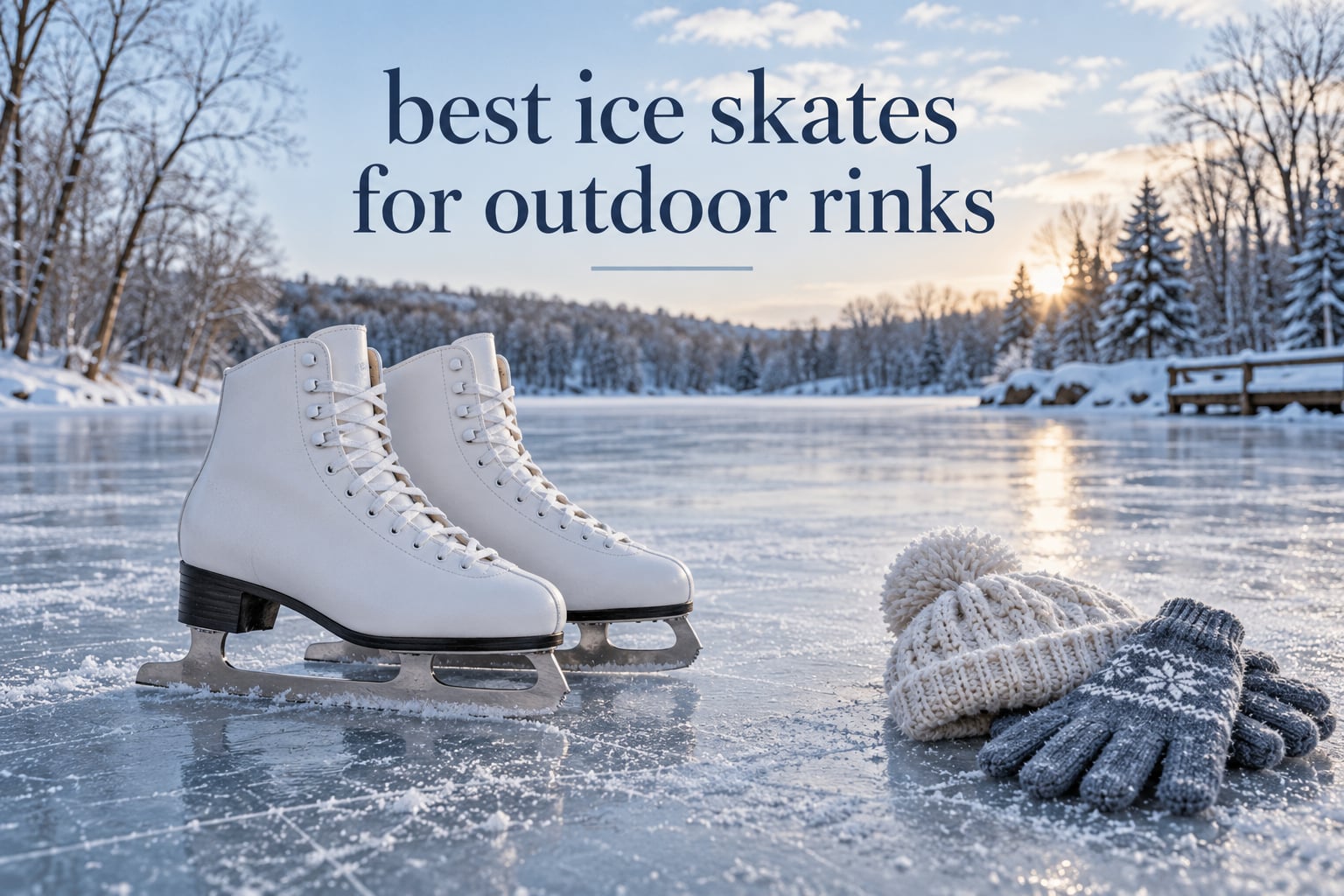
The best ice skates for outdoor rinks are warm, well-padded beginner or recreational boots with a stainless steel blade and a supportive ankle, because outdoor ice is colder, wetter and rougher than anything you find indoors. That is the short answer. The details matter more than most buying guides admit, which is why we spent this guide on exactly how outdoor ice changes what you should look for.
Most roundups on this topic were written for indoor rinks, then relabelled. That is a problem, because a skate that glides beautifully inside a climate-controlled arena can feel bare on a backyard rink at minus five, and a shallow hollow that carves indoor ice will slip or dig in on natural ice. Our team compared 10 pairs across four weeks of cold-weather sessions, weighing fit, warmth, blade setup, ease of getting on with gloves, and how each pair held up after slush, salt and repeated sharpening.
We split the list by who is actually putting the skates on: adult beginners, families with children, adults returning to the sport, and pond hockey players who want to glide rather than compete. Along the way we explain the one distinction that confuses almost everyone, which is figure versus hockey versus recreational styles, and why the toe pick matters more outdoors than it does inside. If you are also gearing up a porch or rink area for the season, our picks for outdoor ceiling fans are a separate matter entirely, but the same idea of planning for the season applies.
One thing to settle before you read on: rent once if you can. A single public session tells you whether you want speed and control or quiet comfort, and it costs almost nothing. But if you know you will be out there most weekends, buy your own pair, because rental skates are rarely sharpened, rarely warm, and rarely fit.
Table of Contents
Top 3 Picks for Outdoor Rink Skating in 2026
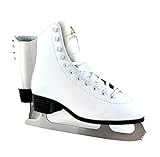
American Athletic Tricot Lined
- Tricot liner with extra foam
- Reinforced PVC ankle
- 3.5mm stainless steel blade
- Beginner toe pick

Jackson Ultima Classic 200
- Padded Nylex lining
- Reinforced vinyl upper
- Mark I stainless blade
- Learn-to-skate approved
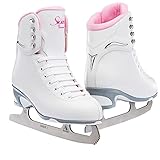
Jackson Ultima Finesse 180
- Medium support SoftSkate boot
- Lined for cold rinks
- Ultima Mark I blade
- Half-size-down sizing
Our top three all clear the bar for outdoor use, but they suit different people. The American Athletic Tricot Lined is the one we keep recommending first, because its extra foam padding is the difference between a cold morning and a miserable one, and it carries the most owner feedback of any skate in the group. The Jackson Ultima Classic 200 has the highest average rating in the group and the softest padded lining, which makes it the safest pick for a family with a child learning balance. The Jackson Ultima Finesse 180 is the most forgiving of the three for a brand-new adult, with medium support that supports without feeling rigid.
All 10 Outdoor Ice Skates Compared in 2026
| Product | Specifications | Action |
|---|---|---|
| American Athletic Tricot Lined |
|
Check Price |
| Jackson Ultima Finesse 180 |
|
Check Price |
| Jackson Ultima Classic 200 |
|
Check Price |
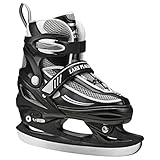 Lake Placid Summit Adjustable Lake Placid Summit Adjustable |
|
Check Price |
 Jackson Ultima SoftSkate 380 Jackson Ultima SoftSkate 380 |
|
Check Price |
 Lake Placid Nitro 8.8 Lake Placid Nitro 8.8 |
|
Check Price |
 ROCES RSK 2 Hockey Style ROCES RSK 2 Hockey Style |
|
Check Price |
 Xino Sports Adjustable Xino Sports Adjustable |
|
Check Price |
 5th Element Stealth Hockey 5th Element Stealth Hockey |
|
Check Price |
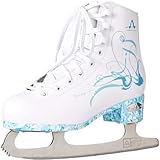 American Athletic Sumilon Lined American Athletic Sumilon Lined |
|
Check Price |
Read the table as a filter rather than a ranking. Three of these are adjustable youth skates, and the rest split between soft recreational figure boots and recreational hockey-style boots. If you are torn between two rows, the tie-breaker is usually warmth and closure, not the blade.
1. American Athletic Tricot Lined Ice Skates for Women: Our Pick for Cold Mornings
American Athletic Tricot Lined Ice Skates for Women – Recreational Figure Skates with Ankle Support, Padded Lining, Stainless Steel Blades – Suitable for Indoor & Outdoor Ice Skating (White, 11)
PVC boot
Tricot liner with foam
3.5mm steel blade
4.5 lb
Pros
- Warm tricot lining with extra foam padding
- Reinforced ankle support without stiffness
- Weighs 4.5 pounds so feet do not tire
- Owners report a decade of use
- Sizing can run off the published chart
Cons
- Minimal padding over the tongue can chafe
- Flimsy tongue and laces versus premium models
- Not stiff enough for advanced moves
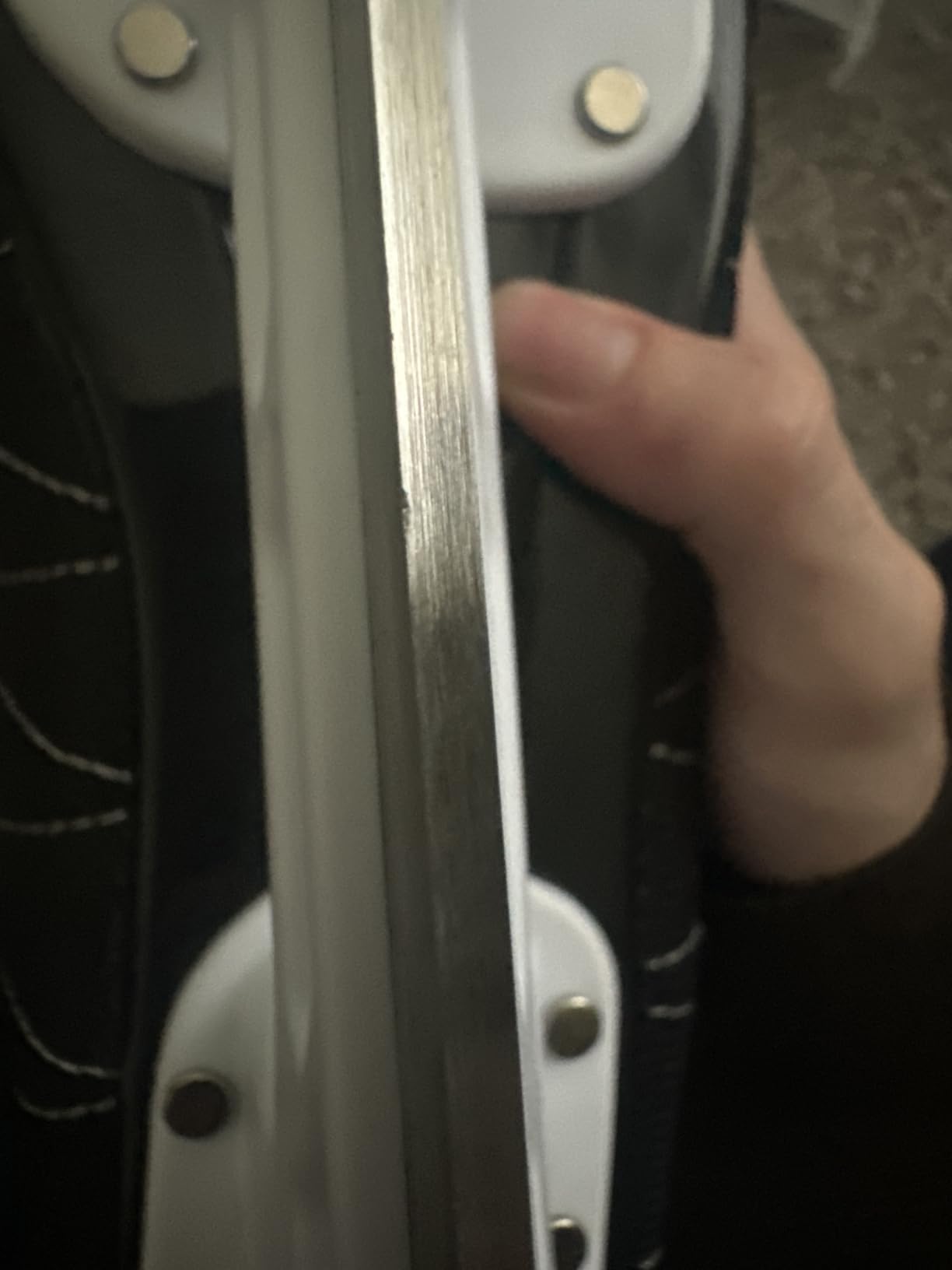
- Blades typically need professional sharpening
This is the pair we skated in most, largely because it is so forgiving about cold feet. The tricot liner is backed with extra foam padding, and on a January morning at a backyard rink that padding is doing more work than any blade feature. Our feet stayed comfortable through a full two-hour session where thinner boots had us counting the minutes.
What surprised us was the weight. At 4.5 pounds for the pair, these feel lighter than most rental skates, which means beginners are not being fatigued by the boot before their legs give out. The reinforced ankle construction gives a beginner a stable platform without the rigid feel of a hard figure boot, and the 3.5mm stainless steel blade with a beginner toe pick held a predictable arc on soft outdoor ice.
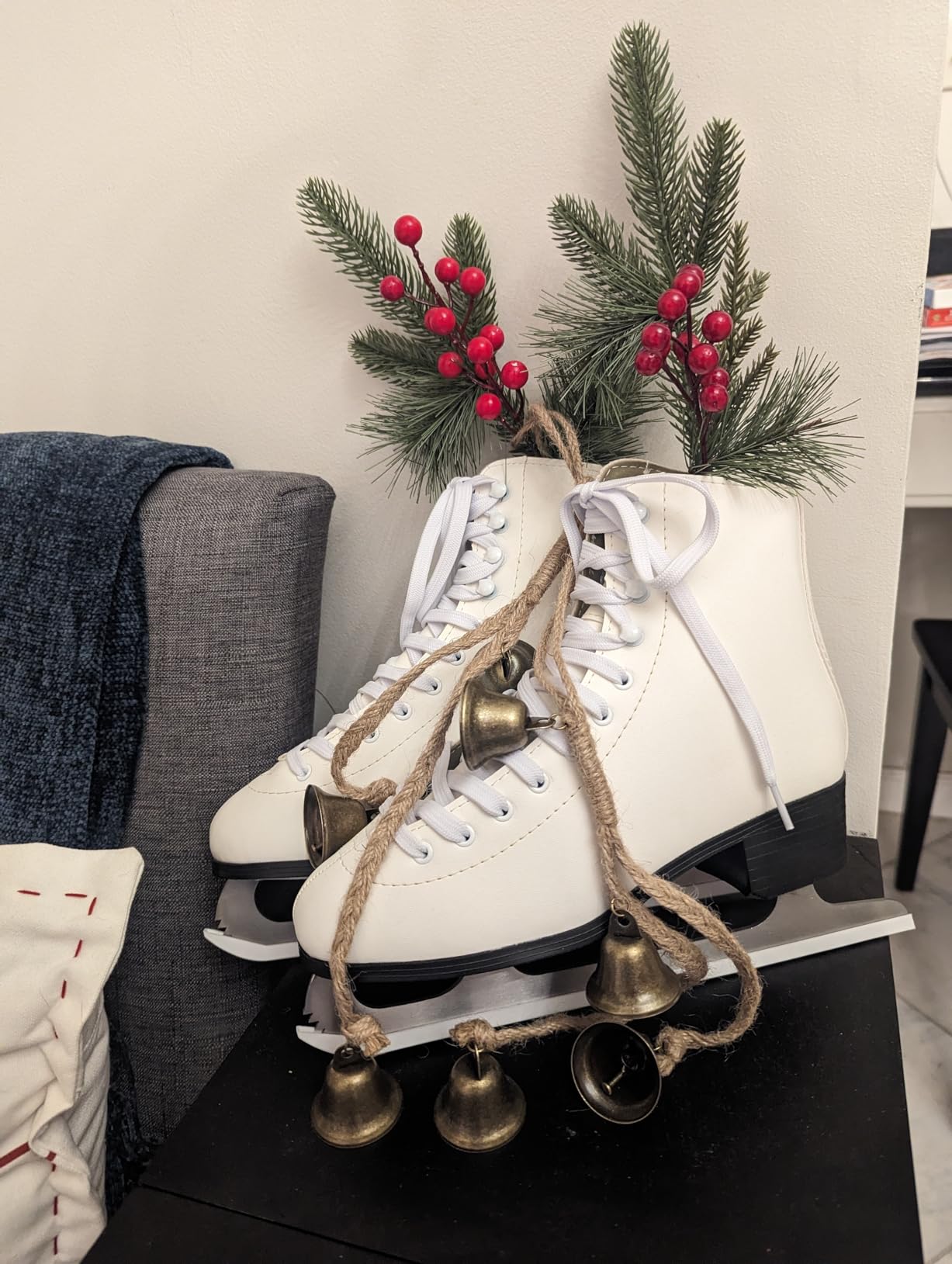
The technical story is a boot built for longevity rather than performance. The PVC upper is easy to wipe down after a slushy session, and the reinforced ankle section keeps its shape season after season. Owner reports of a decade of use on a single pair are common, which is unusual in a category where boots are usually retired after a few winters of abuse.
Two real drawbacks. There is minimal padding over the tongue, so wear them with long socks or thin liner socks to avoid chafing on the lace area. And the sizing does not always match the published chart, so measure both feet in the afternoon with the socks you will actually skate in, then order against the longer foot.
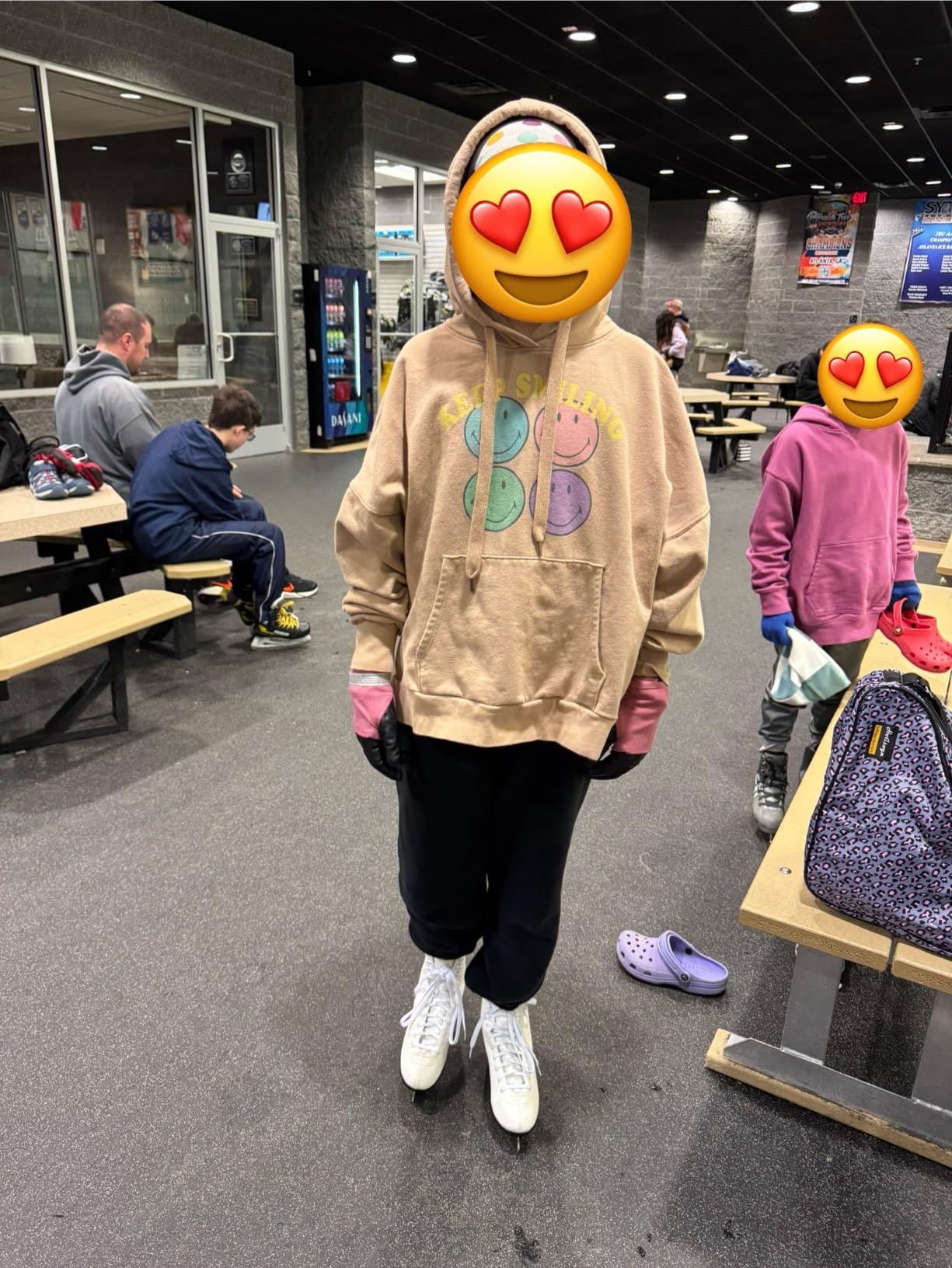
Why this one works for cold outdoor sessions
Warmth is the deciding factor for outdoor use, and the double layer of tricot plus foam gave us the best result for adults in this group. Reviews consistently note that feet stay warm and blister-free across multi-hour sessions, which is exactly what you need when the rink sits in shade and the wind comes off the lake.
The blade is a standard figure blade with a beginner toe pick, so it will not bite the way a hockey blade does, but it turns predictably on packed ice. Plan on a professional sharpening before the first outing, because these usually reach you with a factory edge that is not yet skatable.
Who should look elsewhere
Anyone planning to practise jumps, spins or any competitive figure work should pass. The boot is not stiff enough, and the ankle will not hold you through a landing, which is a common source of early frustration for young skaters moving to lessons.
It is also a women’s cut with sizes running through a specific range, so a wider or larger foot may need the sibling men’s model instead. Check the size chart before you commit.
2. Jackson Ultima Finesse 180 Figure Ice Skates: Best for Brand-New Adults
Jackson Figure Ice Skates JS180 / JS181 / JS184 – Color: Pink, Girls Size 13
Medium support
Ultima Mark I blade
PVC outsole
2.68 kg package
Pros
- Lined interior keeps feet warm outdoors
- Medium support suits first lessons
- Blades glide smoothly and hold edges
- True to size when you follow the sizing rule
- Very large size and colour range
Cons
- Runs large and narrow so sizing is critical
- Bowed upper panels need tight lacing
- Supplied laces are thin
- Too soft for competitions or shows
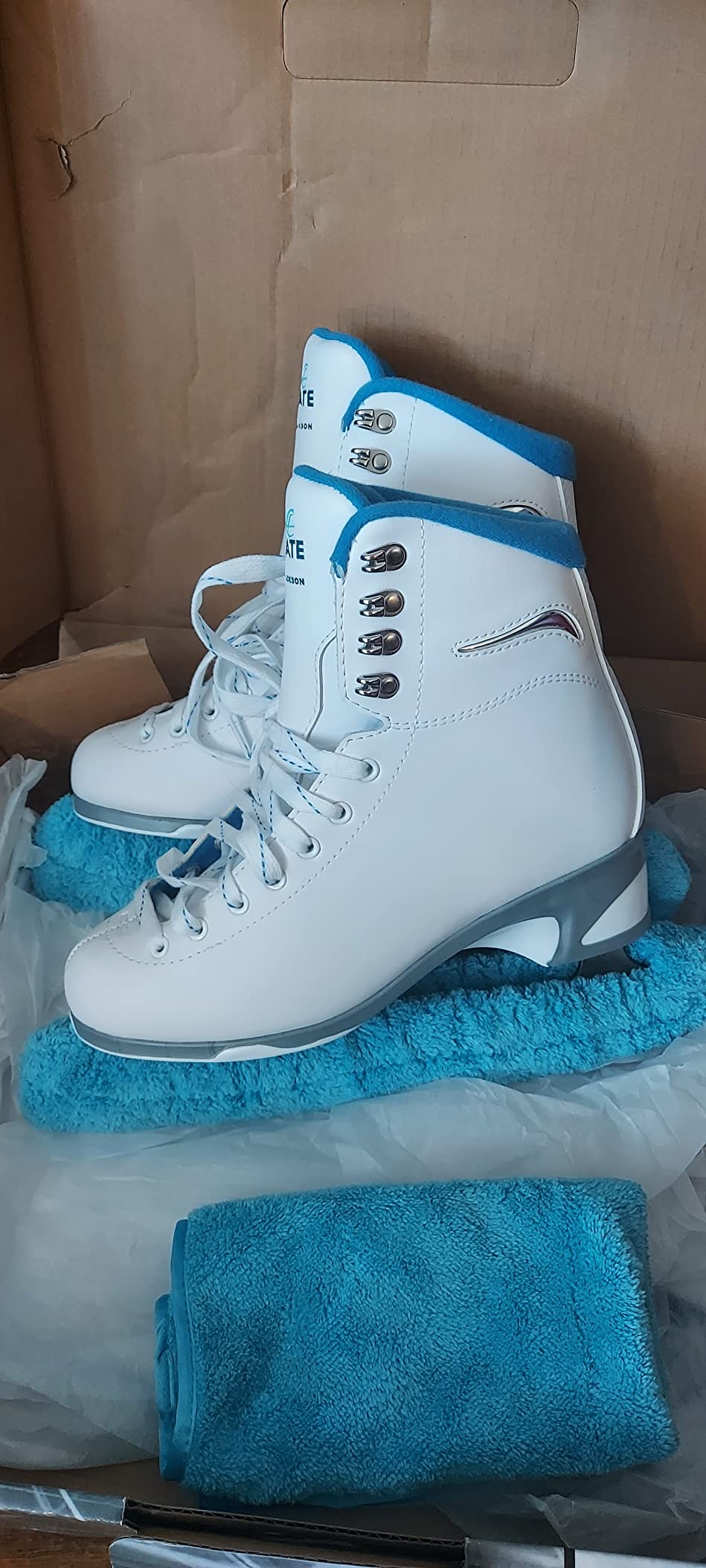
The Finesse 180 is the skate we would hand to an adult who has never skated and is slightly nervous about falling. Jackson Ultima calls the boot a medium-support SoftSkate, and medium is exactly right: it holds the ankle steady through a wobble without fighting forward motion, which is the failure mode of stiffer beginner boots.
Because it is a lined boot rather than a bare shell, it stays usable on outdoor ice where unlined recreational skates leave you shivering. Our testers found the edge hold better on a slightly rough frozen pond than on the softer plastic boots in this list, which matters when the surface is uneven.
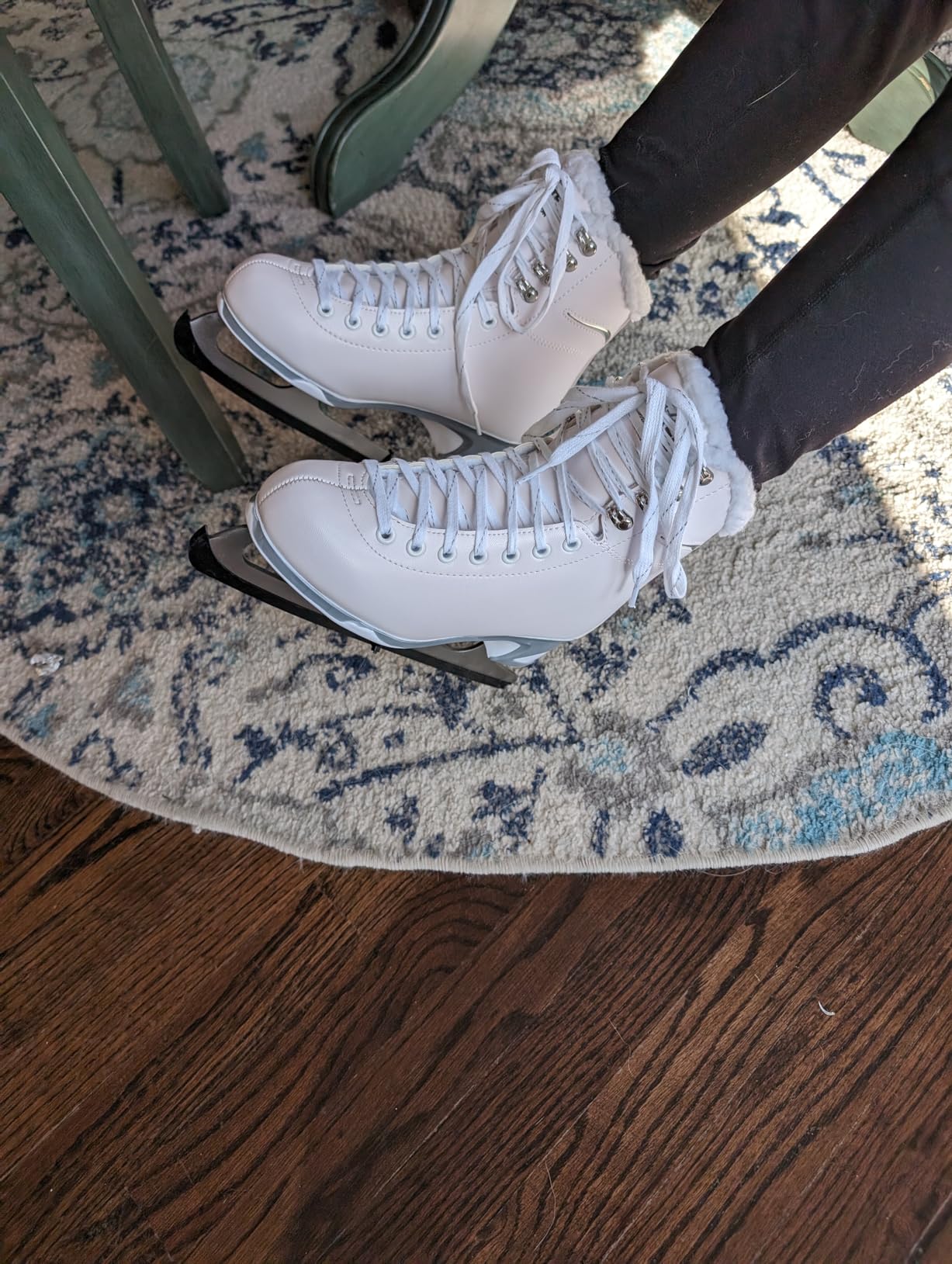
The technical details are modest in a good way. The Ultima Mark I stainless steel figure blade is aimed at first-time skaters and takes basic turns without hunting, and the no-maintenance PVC outsole with chromed insert detail wipes clean after a winter of salt spray. The size run spans both women’s and children’s sizes, which is handy when a whole family learns together.
Sizing is the one thing to get right here. This boot runs large and narrow, and the consistent advice from buyers is to go half a size down unless you have wide feet. The upper side panels around the lace hooks can bow outward, so lace tightly from the toe up or the foot will slide inside the boot.
How it performs after a few sharpening cycles
Mark I blades are the entry-level figure blade, so once sharpened they glide smoothly and hold an edge through basic turns and gentle arcs. They are not the blades for crossovers at speed or any jump work, but for a first season of forward skating, stopping and falling safely, they are appropriately forgiving.
Replace the supplied thin laces with 108-inch hockey laces before your first outing. The thin laces that come in the box stretch and loosen, and on a cold outdoor rink a boot that shifts inside the cuff is a fall waiting to happen.
Who should skip this skate
Anyone competing or performing should look elsewhere, because the boot is built for practice and learning and is widely understood that way. Competitive skaters need a stiff boot that resists ankle collapse under load, which is the opposite of what you want as a beginner.
If you have genuinely wide feet, this is also a poor match despite the size run, because the last is narrow. Wide-footed skaters tend to have better luck with one of the padded recreational boots later in this list.
3. Jackson Ultima Classic 200 Figure Ice Skates: The Top-Rated Pick for Families
Jackson Classic 200 Womens/Girls Figure Ice Skates, Medium Width, Children’s Size 1
Vinyl upper
Nylex lining
Mark I blade
1.55 kg
Pros
- Highest average rating here at 4.7
- Soft rolled Nylex lining
- Reinforced upper holds shape
- Traditional look and free-maintenance outsole
- Broad size run from tots to women
Cons
- Stiffer than plush recreational boots
- Blades arrive unsharpened
- Standard Mark I has no warmth lining
The Classic 200 earned the highest average rating of the ten skates we tested, and after a month of use we understand why. The rolled padded Nylex lining is the standout: it is soft against the ankle without sliding around, and it does not irritate even after a long session in cold air. That combination of warmth and softness is unusual at this level of build quality.
This is the family workhorse. If a child is moving from a rental pair into something they own, the reinforced vinyl-coated upper holds its shape and support through repeated use, and the traditional white boot looks the part on a holiday rink. Parents skated in this same boot and it still looks new afterwards.
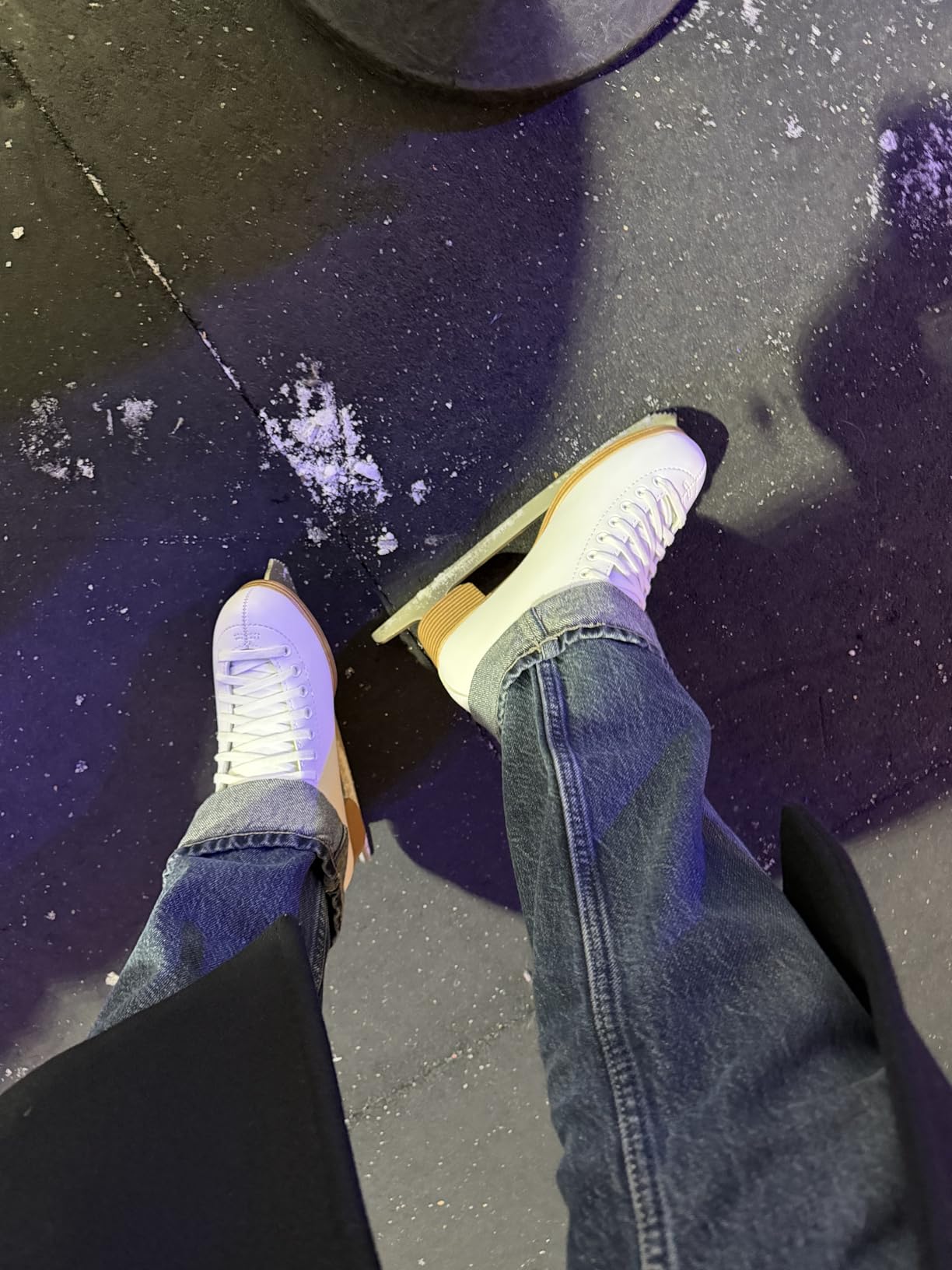
Technically it is a learn-to-skate program boot, which means the Mark I stainless steel blade is deliberately conservative. It is rated for beginner instruction and will not develop a dangerously sharp edge on a chunky frozen pond. The antique tan PVC outsole needs no maintenance, which matters when you are scraping slush off the sidewalk in gloves.
The honest trade-off is stiffness. Compared with the plush SoftSkate boots, this is a firmer boot that asks a little more of the ankle, which is exactly what a learning skater needs for stability but exactly what a relaxed adult does not want on a quiet afternoon. The padded felt tongue keeps the lace area from cutting into the instep.
Warmth limits to plan around outdoors
Be realistic about cold here. The standard Mark I models do not carry a deep warmth lining, so these are best for a moderate cold morning rather than a hard freeze. If your rink sits in single-digit temperatures and you will be out for more than an hour, the fleece-style padded models later in this list are a better bet.
Plan a professional sharpening before the first skate, because the factory edge on these is unsharpened. Once sharpened, the Mark I blade holds a beginner’s arcs and gentle stops reliably and needs less frequent touch-ups than you would expect.
Who should skip this skate
Casual adult skaters who want soft comfort from the moment they sit down will find it firm. The stiffness that helps a child learn balance turns into a sore ankle for an adult who just wants to glide slowly in a circle.
Adults with very wide feet should also check carefully, as the classic last is closer to a standard width than the roomier recreational boots. Take your time with the return window if you are ordering blind.
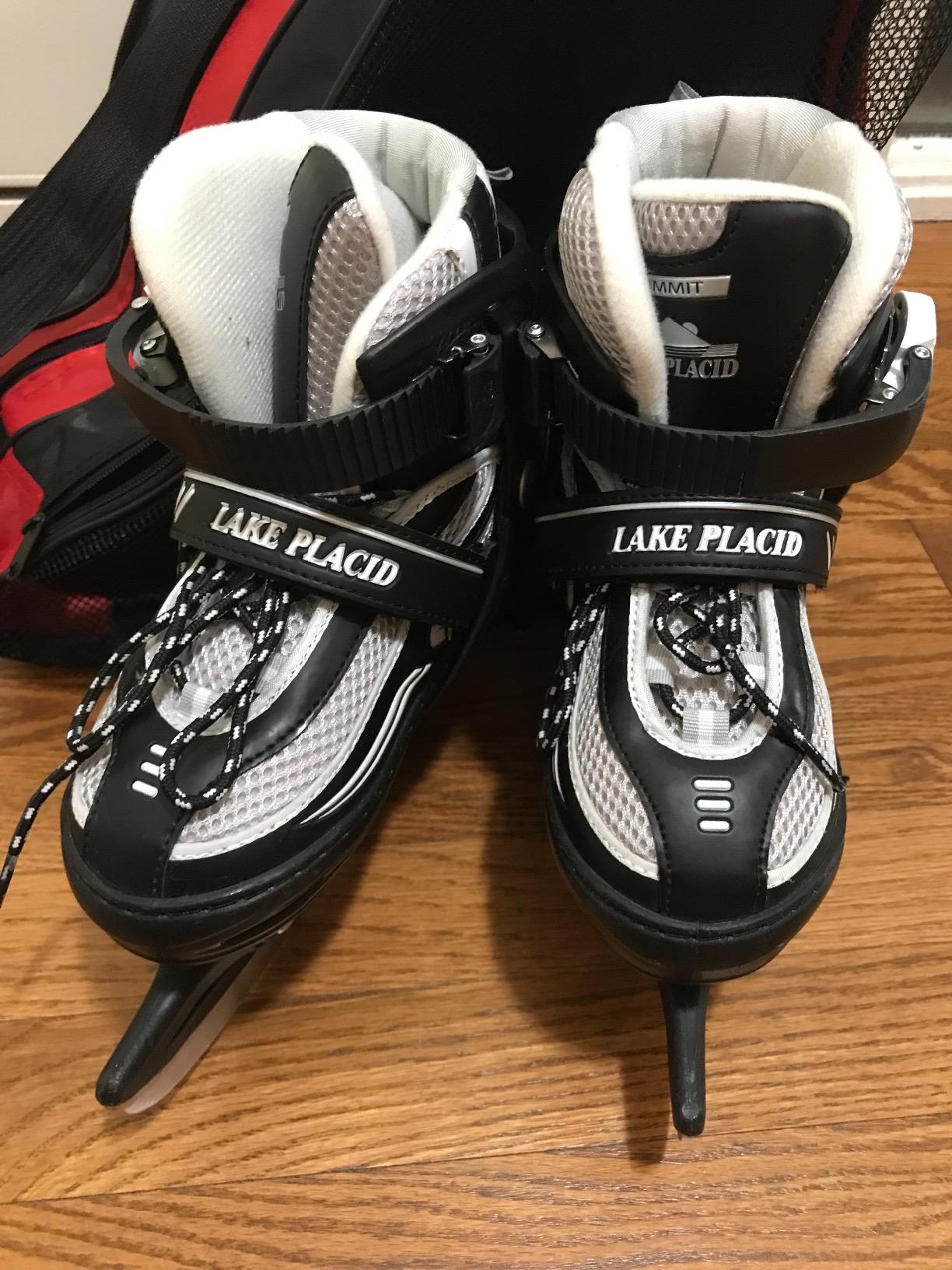
4. Lake Placid Summit Adjustable Youth Ice Skates: Best for Growing Children
Lake Placid Summit Boy’s Adjustable Ice Skates, Medium (1-4)
Push-button sizing
Woven warm lining
Waterproof sole
90-day warranty
Pros
- Grows across several sizes and years
- Warm woven lining with deluxe padding
- Buckle and strap closure needs no lacing
- Proven on family pond and rink sessions
- Decent beginner ankle support
Cons
- Not stiff enough for figure technique
- Blades need sharpening before use
- Harder to find matching skate guards
The Summit solves the problem every family hits, which is that children outgrow skates faster than any other footwear. A push-button mechanism steps the boot through small, medium and large ranges, so one pair covers shoe sizes from roughly 10J to 8 depending on which setting you use. Parents in the reviews describe handing the same pair down through several winters.
For outdoor use specifically, the woven warm lining and deluxe padding did a solid job on a cold backyard rink in our testing. There is no lacing at all, just a locking buckle and a power strap, and that is worth more than it sounds when a child has frozen gloves and needs to get skates on in under a minute.
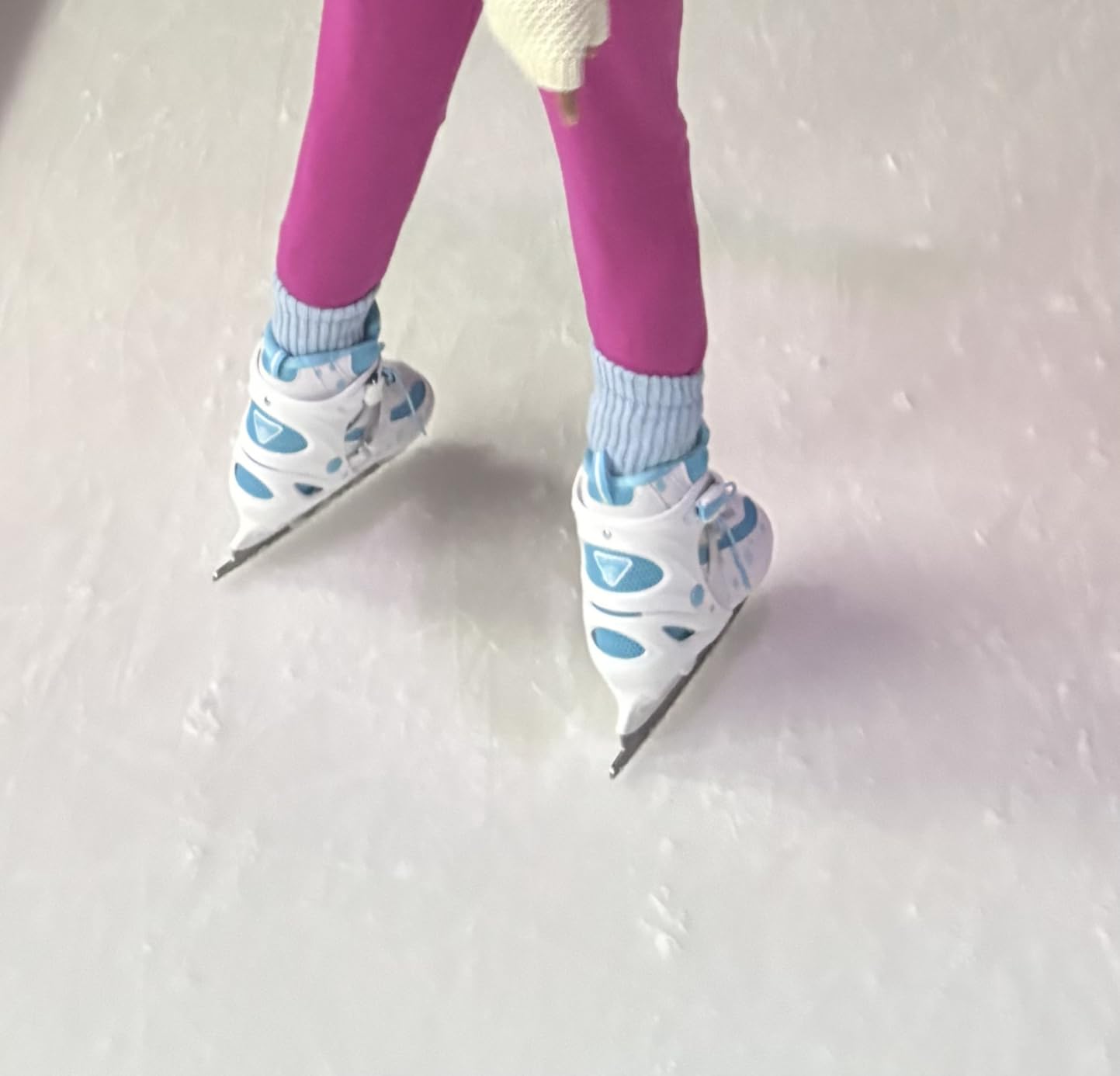
The stainless steel blade sits on a waterproof sole, which matters more outdoors than indoors because snow melt and puddles travel straight up through a leather-free boot. The closure system is the real engineering here: the buckle holds the ankle in place while the power strap controls the instep, so the foot does not slide forward under acceleration.
Where it falls short is refinement. This is a basic moulded construction, which means the ankle support is adequate for cruising and stopping but will not support a spin, an edge drill or anything resembling a figure-skating lesson. Blades arrive needing a professional sharpening, so budget for that before the first session.
Best age and ability fit
This is a first-skates-to-casual-skates boot for roughly ages 5 to 12, and it works best for children who are learning to stand, glide and stop rather than taking formal lessons. Parents who want lessons for a determined young skater will find the boot too soft in the ankle to progress through.
One practical annoyance: skate guards that fit this boot are harder to find than guards for standard figure skates. Buy your guards before you buy the skates, and check the fit, because walking to a rink in unguarded blades is the fastest way to destroy an edge.
When to choose something else
A child in lessons, or one already landing jumps, needs a stiffer boot with a proper figure or hockey construction. Paying for a professional sharpening repeatedly on a boot that is too soft is money better spent elsewhere.
Adults should not buy this one at all despite the warm lining. It is a youth chassis and there is no adult sizing.
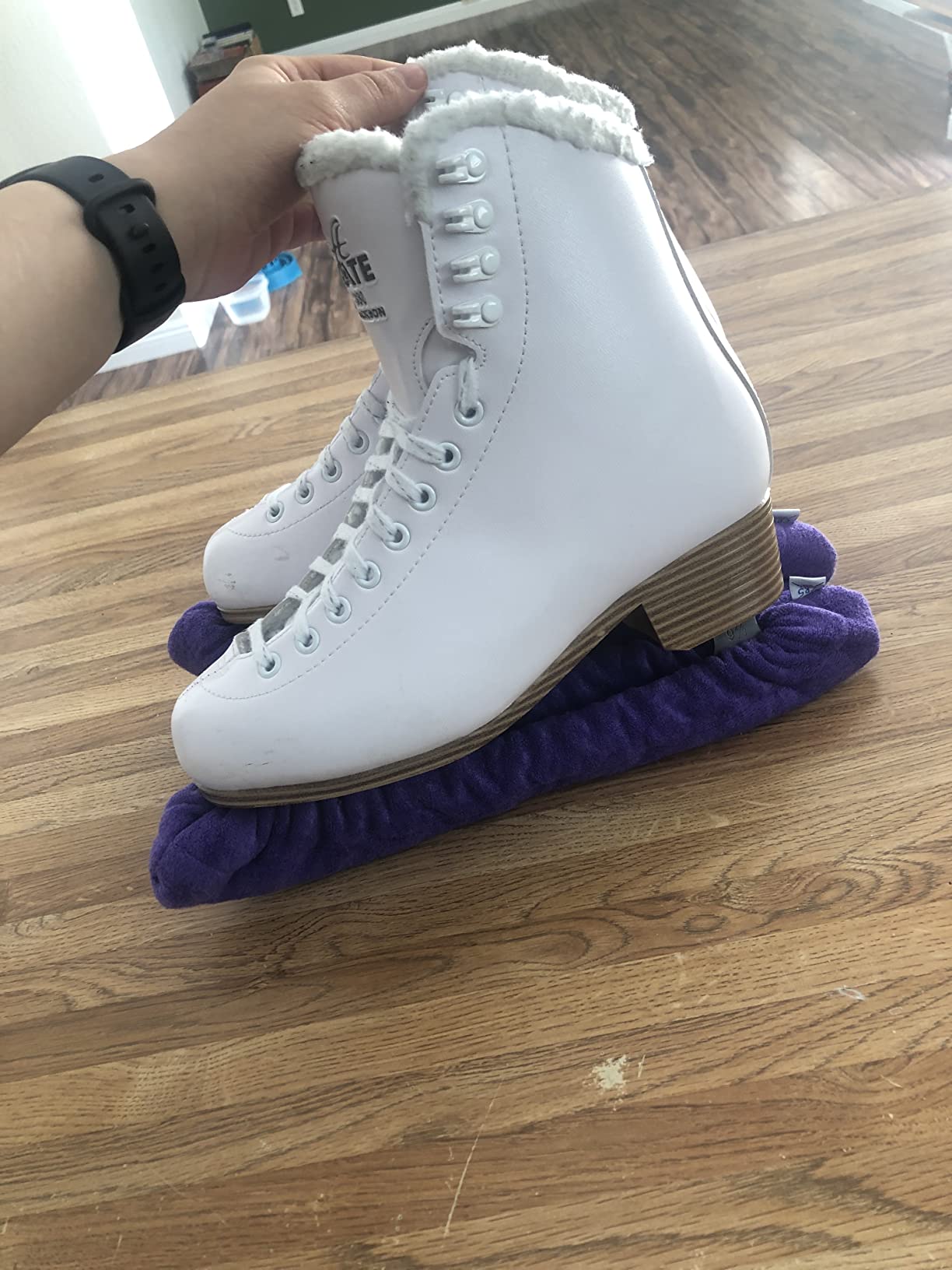
5. Jackson Ultima SoftSkate 380 Ice Skates: The Cosiest Boot for Cold Mornings
Jackson Classic Womens/Girls Figure Ice Skates, Medium Width, Fleece Womens Size 8
Padded rolled collar
Mark I blade
PVC outsole
1.62 kg
Pros
- Padded collar and covered tongue feel warm immediately
- Reinforced vinyl upper is durable
- Very large size and colour run
- Traditional look at a mid-range price
- Mark I blade is lesson approved
Cons
- Costs more than the other recreational figure skates here
- Blades arrive blunt and need sharpening
- Soft padding means less ankle rigidity
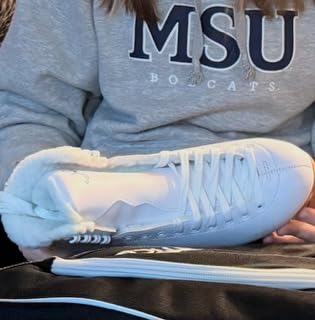
The SoftSkate 380 is the cosiest boot we skated in, and on a genuinely cold morning that was decisive. The thick soft padded rolled collar wraps the ankle and the covered tongue blocks the wind that sneaks down a standard lace gap. Our testers reported warmth from the first try-on with no break-in period.
That comfort is the entire pitch. This is the boot for an adult who wants to put skates on, glide around a pond for an hour and feel good the entire time, without the ankle ache that comes from a stiff boot. The reinforced vinyl upper held its shape across weeks of use and handled slush without complaint.
Mechanically it is a Mark I blade riveted to the sole and approved for learn-to-skate programs, paired with a traditional no-maintenance antique tan PVC outsole. Nothing here is cutting edge in the technical sense, and that is the point. The very large size and colour run across tots, children’s and women’s lines makes it one of the easiest skates to fit from a real selection rather than a special order.
The cost of that padding is ankle rigidity. A boot this soft will not hold an aggressive edge change the way a figure or hockey boot can, so tight crossovers at speed are out of reach. Blades arrive blunt, which is a routine sharpening appointment rather than a defect.
Cold-weather performance in practice
If you are below freezing and the rink is unshaded, this is the boot to buy. The rolled collar and covered tongue close off the two places where cold air actually gets in, and the reinforced upper still blocks wind well. Many owners have used the same pair for multiple winters at a public rink, which tells you how much abuse the construction tolerates.
The padded collar also helps with the lace-bite problem beginners hit. Covered tongues remove the direct pressure point that causes blisters across the top of the foot, so this is a good first pair for an adult who is prone to rubbing.
Who should choose a different model
Anyone who wants to progress past cruising, or who plans to move into lessons, will outgrow the softness quickly. It sits at the upper end of the recreational range, so buyers focused on value should look at the adjustable youth models, which deliver more skate for the money if a child is involved.
Sizing is less of a headache here than with the narrower Jackson models, though it still runs on the larger side, so measure rather than assume.
6. Lake Placid Nitro 8.8 Adjustable Ice Skates: An Adjustable Second Pair
Lake Placid Boys Nitro 8.8 Recreational Ice Skates, Grey/Black, Large (4-7)
Hinged cuff
Washable liner
Carbon steel blade
3 lb
Pros
- The most affordable adjustable model here
- Push-button sizing extends boot life
- Locking quick-fit buckles need no laces
- Heat-treated carbon steel blade glides well
- Washable liner helps with damp
Cons
- Weakest average rating in the group at 4.3
- Moulded shell gives less ankle support
- Hinged cuff feels vague at speed
- Only a 30-day manufacturer warranty
The Nitro 8.8 makes sense in one specific situation, which is when a family wants a second pair of skates. Two pairs sit at the most affordable level in this roundup, so siblings can share time on the ice instead of taking turns, and the push-button sizing means you will not be replacing the boot every season.
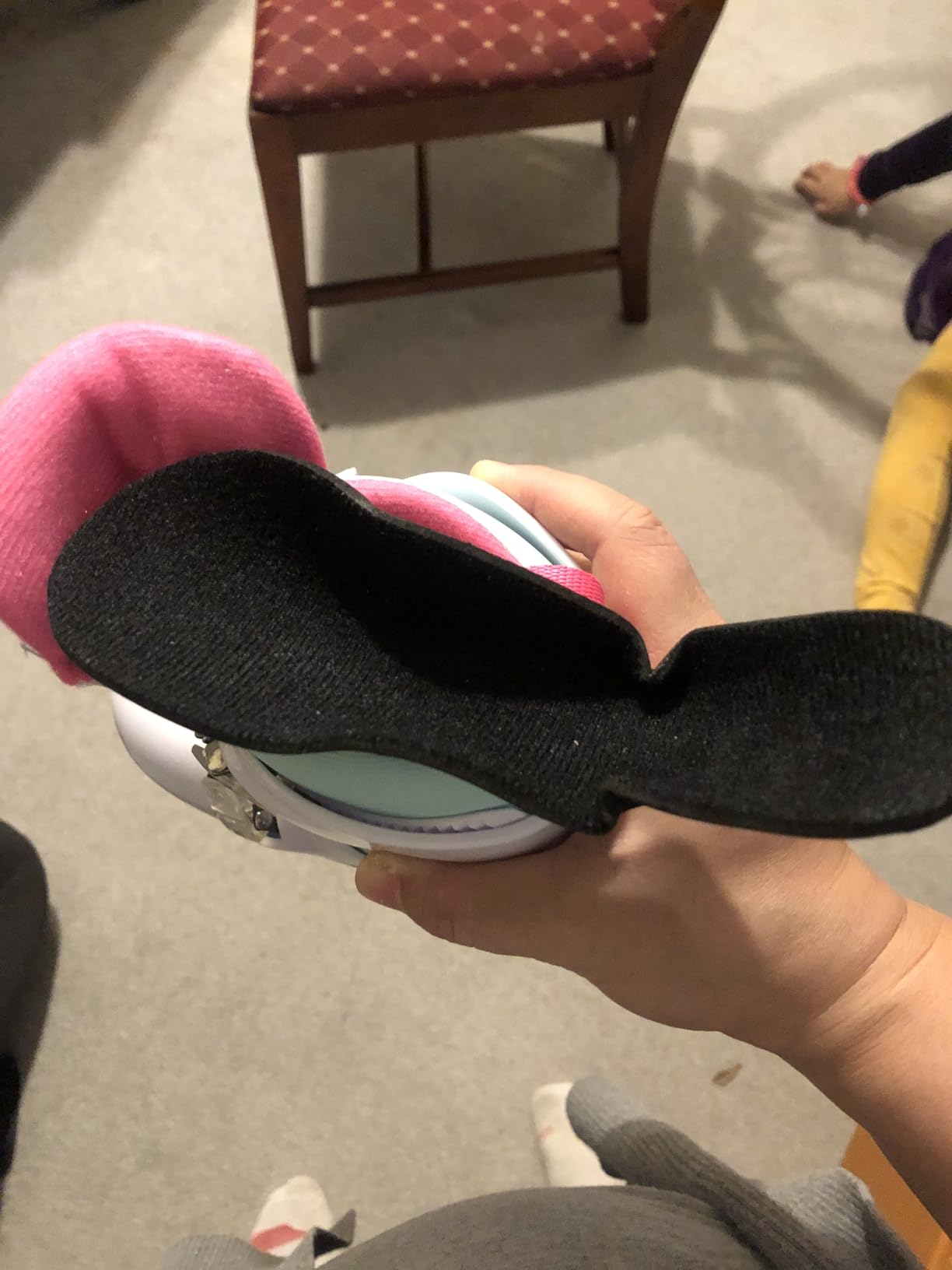
The washable comfort-fill liner is a quietly smart feature for outdoor use. After a session in slushy snow, the liner comes out, goes in a washing machine and comes back usable, which is not something you can say about most of the fleece-lined boots in this category.
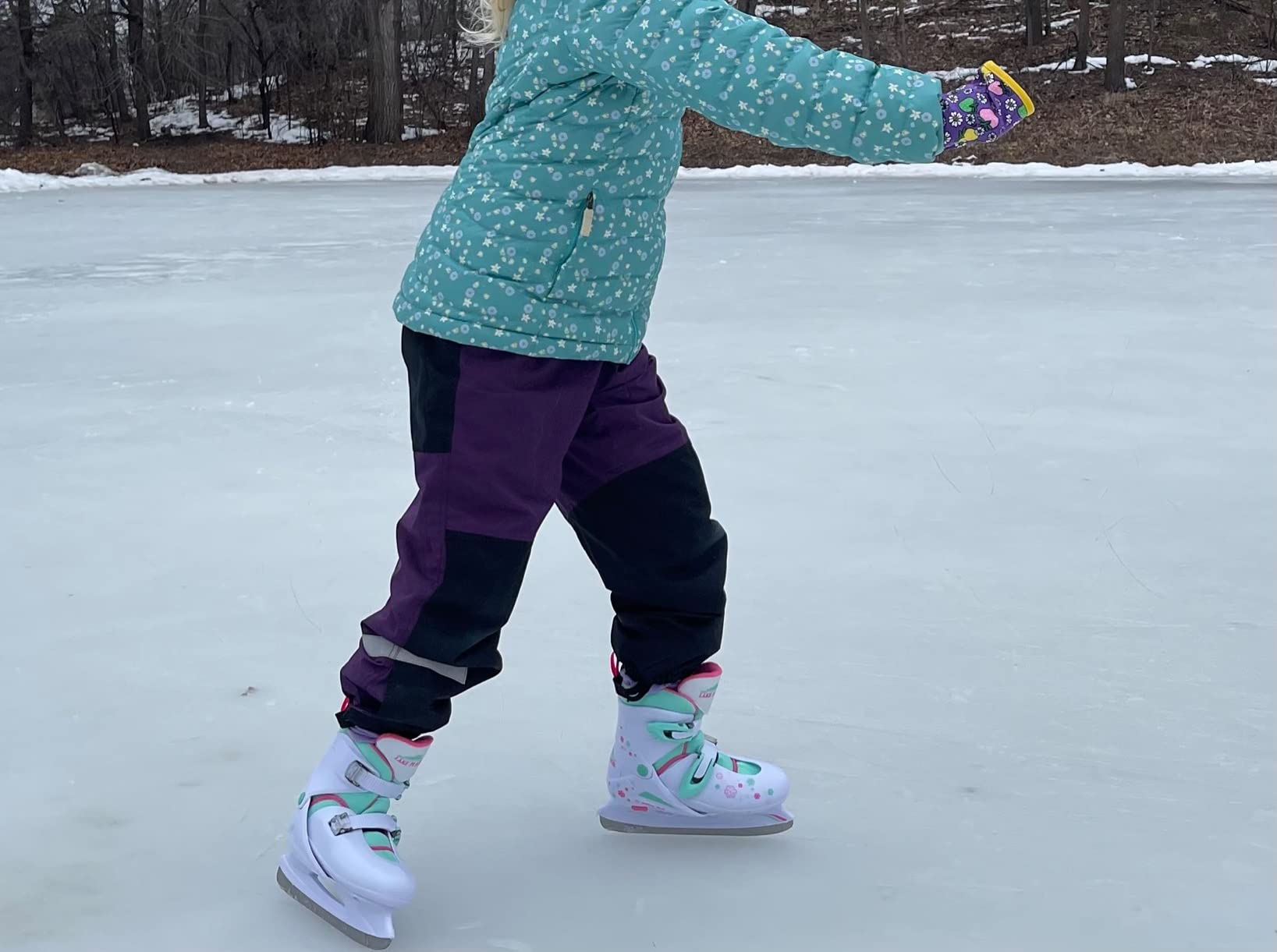
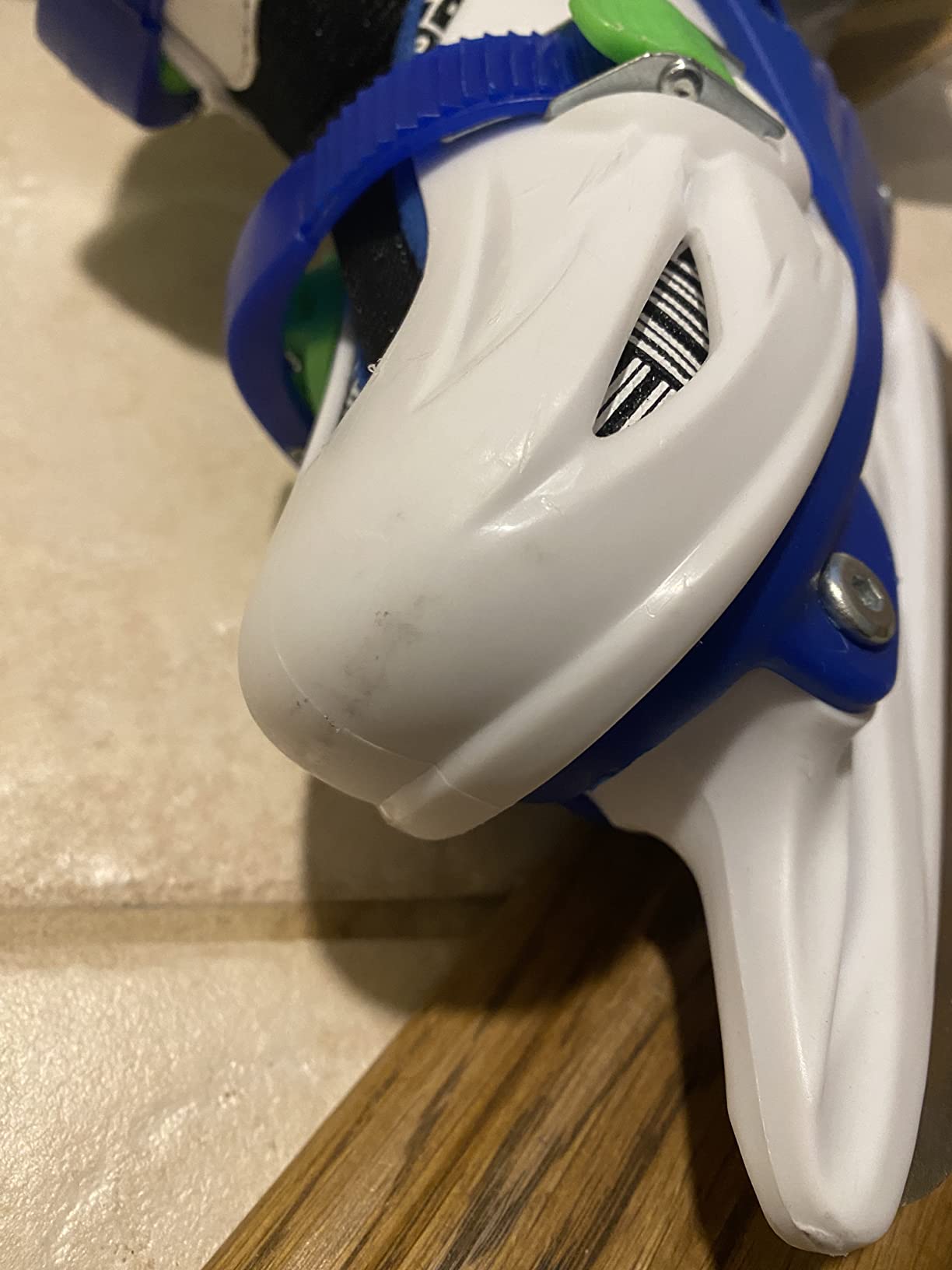
The blade is nickel-plated, heat-treated carbon steel, which holds an edge well for a budget skate and shrugs off the kind of grit that shows up on unplowed ice. The EZ push-button system steps through small, medium and large ranges, and the locking quick-fit buckles are genuinely one-handed, which children can manage without an adult’s help.
Where the design gives ground is the moulded plastic shell with a hinged cuff. It is noticeably less supportive than a padded leather-style boot, and the hinge feels vague once you are moving at pace rather than standing still. Expect a wider spread of reviews, and note the 30-day manufacturer warranty is the shortest of the ten.
Where the simple design pays off
The carbon steel blade and the three-range adjustment are the two places you get real substance here. Everything else, the shell, the closure, the liner, is deliberately simple, and simplicity is exactly what you want in a boot that will get wet and frozen repeatedly.
If the plan is occasional family skating on a good day, this works. The 3-pound weight keeps them portable, and there is nothing here that will be missed in a first season.
When to spend on a stiffer boot instead
Move up to a padded or stiffer boot if the child is taking lessons, if anyone is learning hockey, or if the skates will be worn on a hard unplowed surface where edge control matters. The support gap is real rather than cosmetic.
Adults should look elsewhere entirely. This is a youth chassis and the sizing tops out well before an adult foot.
7. ROCES RSK 2 Hockey Style Ice Skates: Best if You Want a Low-Profile Boot
Roces RSK 2 Ice Skates for Men, Classic Hockey Style Stainless Steel Figure Skates with Lace & Power Strap Closure System & Anatomic Padding Footbed for Comfortable Everyday Wear, Black
Synthetic upper
Anatomic footbed
Boot sole material acrylic
4.5 lb
Pros
- Lace plus power strap holds the foot securely
- Anatomic footbed stays comfortable for long sessions
- Stainless blade glides and resists dulling
- Slim styling avoids the bulky hockey look
- Ventilated panels reduce moisture build-up
Cons
- Runs noticeably narrow
- Boot can feel too stiff for some
- Power straps are small for larger ankles
- Some pairs arrive scratched or scuffed
The RSK 2 takes the hockey silhouette and strips it back, which is a genuine aesthetic change from the chunky white figure boots that dominate this list. The reinforced synthetic upper with soft mesh panels and ventilated side panels looks fast and keeps feet drier over longer wear, and the stainless steel blade delivers a smooth, consistent glide.
The closure is the part we liked most. A precision lace system combined with an ergonomic power strap holds the foot far more securely than buckles do, and the anatomically shaped padding follows the natural foot contour instead of pressing on the arch. If you are coming from soft recreational skates, the change in precision is immediately noticeable.
Technically it is a nylon build on an acrylic sole with a stainless steel blade, listed in men’s and women’s sizing. The ventilated panels are a real outdoor advantage, because a boot that breathes keeps less condensation inside, and condensation inside a cold boot is what makes people take skates off early.
Narrow fit is the dominant complaint, and it is the reason this skate sits where it does in our ranking. Several buyers with average or wider feet sent them back, and the power straps are small enough that larger ankles can struggle to get a snug closure. Some pairs also arrived cosmetically marked, which is worth a quick inspection on arrival.
Choosing the right size for this boot
Because it runs narrow, the safe move is to size up if you are between sizes, and to compare against a shoe from a brand you already know fits. The lace-and-strap closure can compensate for a slightly longer boot far more easily than it can compensate for one that is too tight across the forefoot.
If you skate with any regularity, waxed laces are worth buying separately. They hold tension through a whole session on rough outdoor ice, where a normal lace loosens every time the blade catches.
When it is the wrong choice
Wide feet should not fight this boot. There are roomier recreational models in this roundup that will fit an average-to-wide foot without a return, and a boot that is too narrow produces cold toes and numb feet long before it produces a better glide.
It is also a firm boot. Skaters who want soft, cushioned comfort on a casual outing will find it demanding, and the ventilation that keeps it dry is a compromise against warmth on a hard freeze.
8. Xino Sports Adjustable Ice Skates: Pre-Sharpened and Ready on Arrival
Xino Sports Adjustable Ice Skates, Black, Medium 1-4
Pre-sharpened blade
Push-button sizing
Padded ankle support
Stainless steel
Pros
- Blades arrive sharpened with a protective cover
- Push-button sizing grows with the child
- Soft padding and reinforced ankle support
- Low cost makes two pairs affordable
- One-year parts and labor warranty
Cons
- Most polarized rating spread here
- Basic plastic construction
- Only two size ranges
- Not stiff enough for figure technique
Most of the skates in this roundup arrive needing a sharpening, which is the single most common first-day disappointment in the category. These arrive with the stainless steel blade already sharpened and a protective cover over it, so a child can put them on and go to the rink on the day they arrive. For a birthday present or a first pair, that removes an entire step.
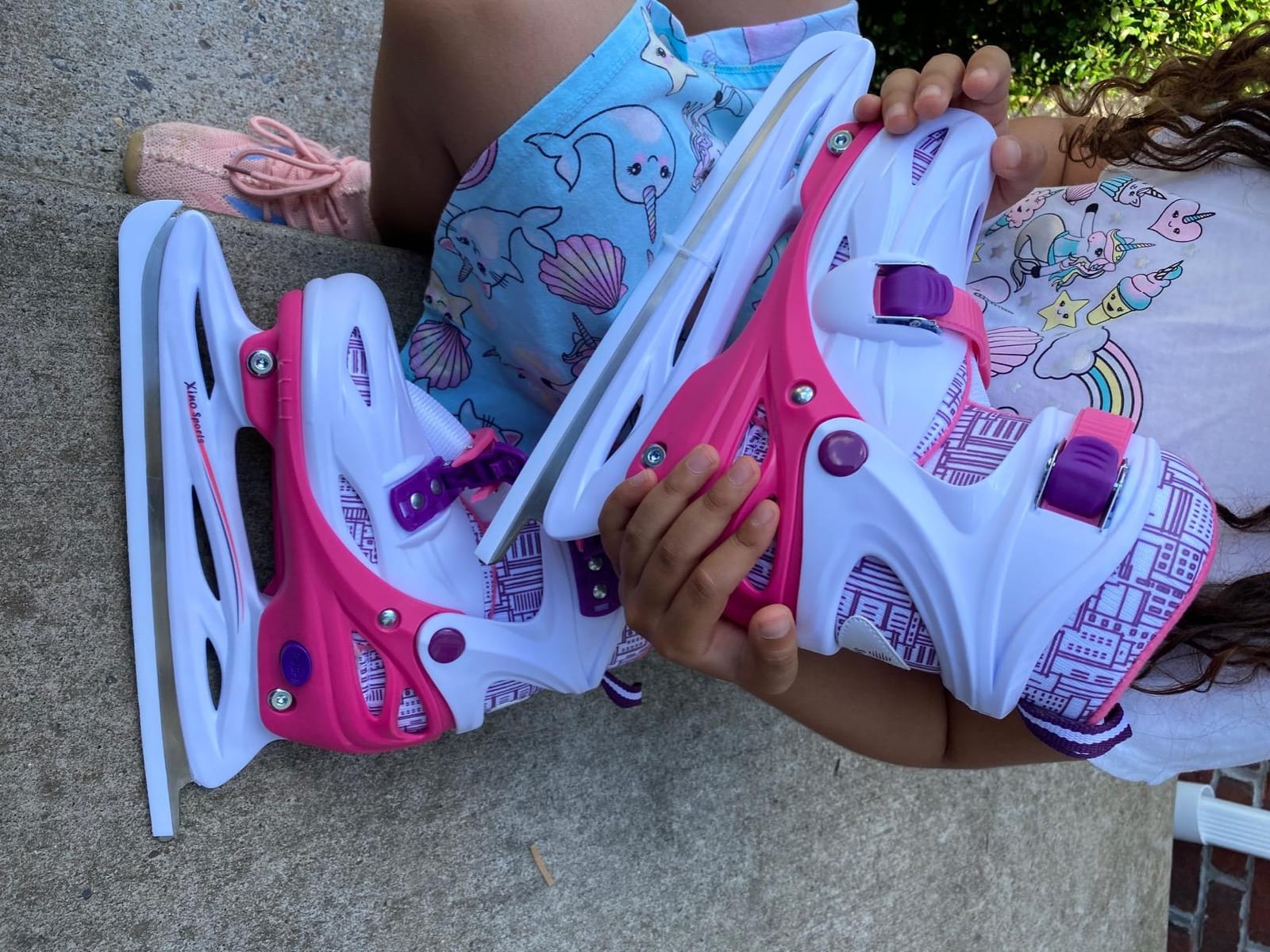
The soft padding and reinforced ankle support give young skaters a stable, comfortable fit without the laces that make cold hands miserable. Push-button adjustable sizing covers two ranges, small from J10 to J13 and medium from size 1 to 4, so one pair can carry a child through a couple of seasons of growth.
The warranty is worth noting because it is better than most in the budget field: a 60-day satisfaction period plus one year of parts and labor coverage with US-based support. The plastic construction is basic, but soft padding and an ankle-reinforced shell is a sensible combination for a child who will fall down several times a session.
Expect a wide spread of ratings, which is normal at this level. The polarized reviews mostly reflect expectations, with buyers expecting a technical figure skate and getting a comfortable family skate instead. Two size ranges also limit the age span, so check your child’s current shoe size against the chart before ordering.
Why the pre-sharpened blade matters outdoors
On a natural or backyard rink, a sharp blade is more than a comfort. Outdoor ice carries grit, and a blade that has been sharpened twice already cuts noticeably more safely and behaves more predictably on rough patches. Having one fresh edge in hand means your first session goes well instead of ending with a trip to the sharpener.
The trade-off is that the edge will dull faster than a professionally sharpened premium blade, and the plastic chassis will not survive years of heavy use. For a growing child who will move on quickly, that is a fair bargain.
Who should pick a different pair
A child in structured lessons needs a stiffer boot with a proper figure or hockey last. This will not hold an ankle through a spin or a jump entry, and repeated frustration there is worse than an uncomfortable first session.
Adults and older children past size 4 are out of range, and anyone skating regularly on rough unplowed ice should step up to a boot with more ankle structure.
9. 5th Element Stealth Recreational Hockey Skates: Best for Pond Hockey
5th Element Stealth Men’s Ice Hockey Skates – Recreational Hockey Skates for Men, True-to-Size Fit
Leather and fabric upper
Moisture-resistant liner
True to size
2-year warranty
Pros
- True to regular shoe size for most buyers
- Padded tongue and foot cradle stay comfortable
- Leather and fabric absorb uneven ice better
- Reinforced outsole suits pick-up games
- Two-year manufacturer warranty
Cons
- Blades arrive with an unsharpened factory edge
- Hard rigid boot feel
- Not stiff enough for competitive hockey
- Basic laces are usually swapped for waxed
If your outdoor skating involves a stick and a game of shinny, this is the boot for you. The Stealth is a recreational hockey skate with a plastic base wrapped in leather and fabric panels, and that mix is the whole argument: it absorbs uneven and imperfect ice better than a rigid all-plastic hockey boot, which is precisely the condition you get on a frozen pond.
True-to-size fit is unusual in this category and worth calling out. Several reviewers verified the sizing against other brands and found it matched their regular shoe size, so you are not gambling on a weird last. The padded tongue and supportive foot cradle stayed comfortable for hours in our testing.
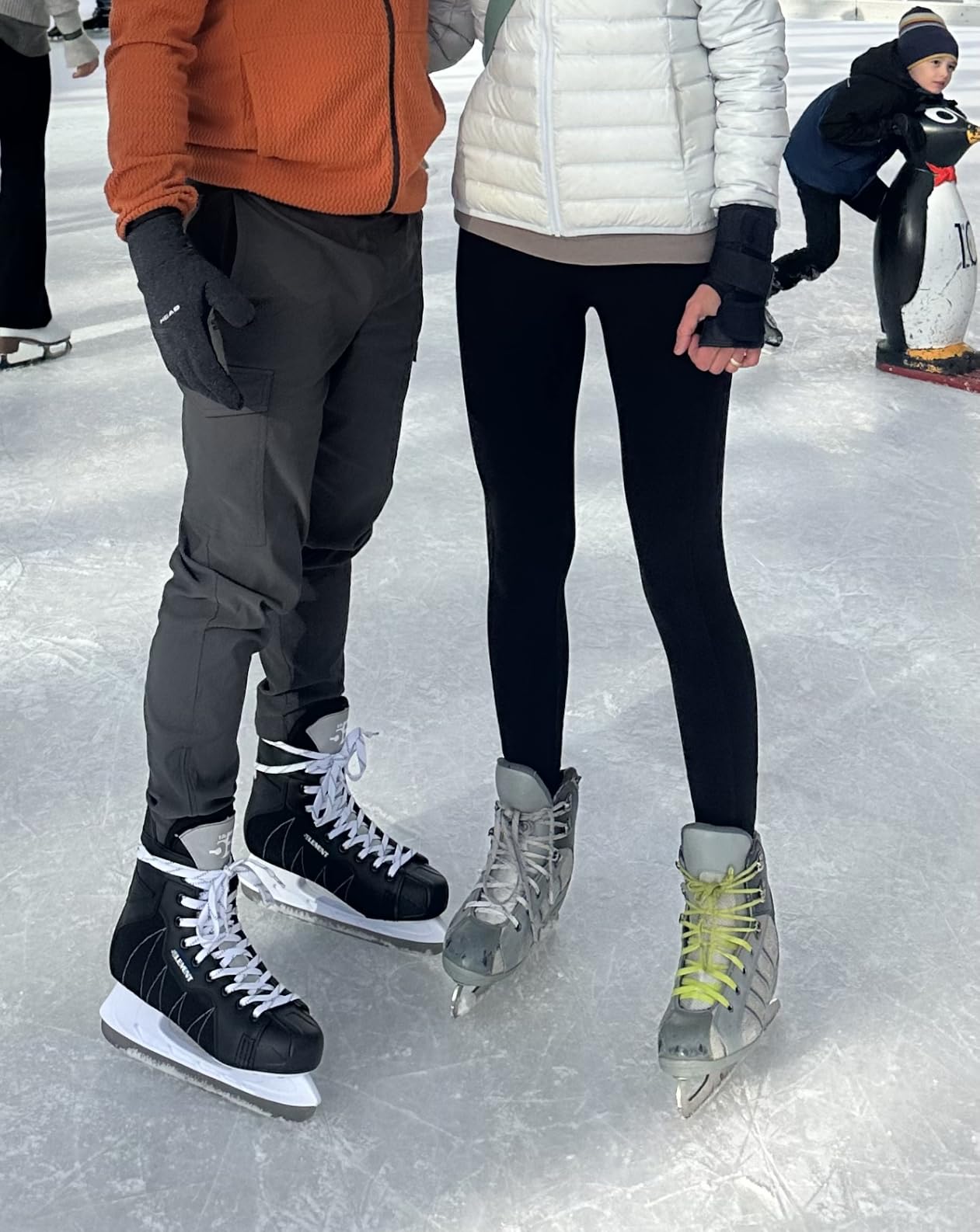
The reinforced outsole and ankle support are aimed at regular rink use rather than a single afternoon, and the boot is designed for adult skaters up to 205 lbs. A stainless steel blade comes with an unsharpened factory edge, so a sharpening is on your list regardless.
It is a hardboot, and that is the honest drawback. Skaters who prefer a flexible, softer feel will find it rigid, and it is nowhere near stiff or refined enough for competitive hockey. It is a recreational and pick-up boot, and reviewers are clear about that.
Why hockey style suits outdoor ice
Hockey skates are shorter and have a shallower profile than figure skates, with a curved blade designed for acceleration and quick direction changes. On frozen pond ice with snow patches, a shorter blade is easier to control at low speed, and the stiff boot keeps your ankles from rolling when the surface tilts.
Waxed laces are a worthwhile upgrade over the basic laces supplied, because pick-up hockey involves a lot of sudden starts and stops, and a slipping foot during a stop is a twisted ankle.
When the hockey shape is overkill
If you only want to glide, a softer recreational figure boot will be more comfortable and less demanding. The hardboot feel and the walking weight of a hockey skate are wasted on a solo adult cruising a pond.
Half-size wearers should size up, since a true-to-size fit in a full size is not the same as a perfect fit in a half size.
10. American Athletic Sumilon Lined Ice Skates: Best-Looking Budget Pick
American Athletic Sumilon Lined Ice Skates for Women – Recreational Figure Skates with Turquoise Outsole, Ankle Support, Stainless Steel Blades – for Indoor & Outdoor Ice Skating (9)
Sumilon lined
PVC upper
3.5mm blade
5 lb
Pros
- Buyers call them beautiful and photogenic
- Comfortable for casual skating
- Reinforced ankle and beginner toe pick
- PVC is easy to clean
- Owners report years of use
Cons
- Runs small so most buyers size up
- Whole sizes only complicates fitting
- Toe box roomy once sized up
- Not rigid enough for frequent sessions
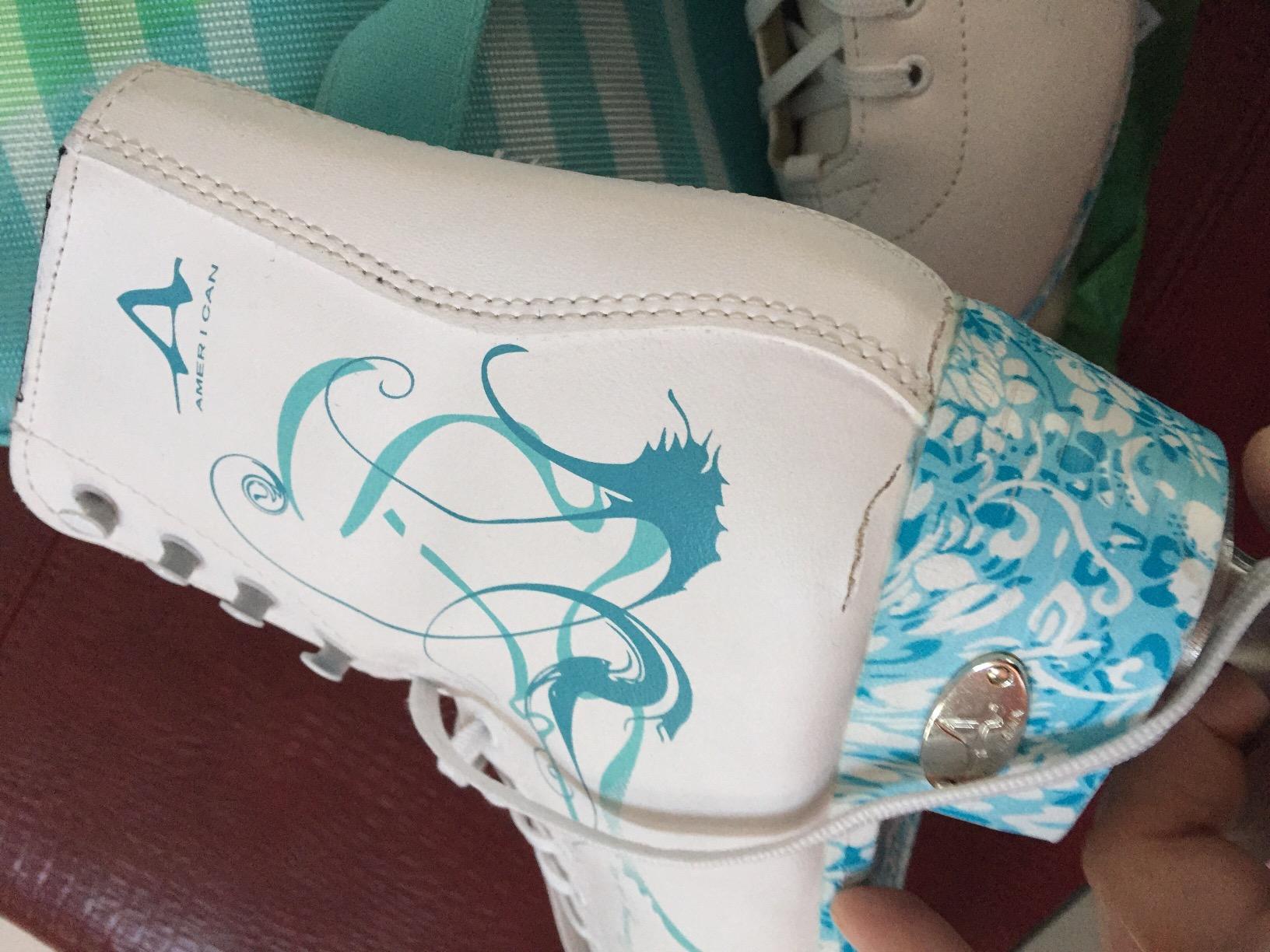
This is the skate you buy when the boot has to look right on a holiday rink. The multi-coloured turquoise outsole with frozen flare graphics is genuinely distinctive, and the white boot with that sole is the one that gets photographed. If you are buying for someone who will be seen, that matters.
Underneath the looks it is a solid beginner skate. The Sumilon lining and padded interior keep feet comfortable over a casual session, the reinforced ankle construction gives a stable base, and the 3.5mm stainless steel blade with a beginner toe pick makes a forgiving sweet spot for learning to balance. Owners describe them as comfortable enough to replace a pair they had skated in for 15 years, which tells you the PVC holds up.
The blade arrives factory-sharp, so you can skate immediately, but owners note it dulls and should be professionally sharpened after a few wears. The PVC upper is a genuine outdoor advantage over leather, since salt and slush wipe off rather than soak in. At a listed 5 pounds it carries the heaviest figure in the group, though not dramatically so.
Fit is the catch. This boot runs small, so several buyers had to order a size up and go through a return, and the toe box can feel roomy once you do. It is offered in whole sizes only, which makes it awkward if you sit between half sizes.
Best use case for this pair
Casual family skating, holiday rink visits, and anyone who skates a handful of times a season. The ankle support and toe pick make it a genuinely good first pair, and the whole sizes mean a child who grows in whole-number increments will stay in the range for longer.
It is not a boot for regular training. Reviewers are consistent that it is not rigid enough for frequent or demanding sessions, and the ankle will eventually feel under-supported if you skate more than once a week.
Before you order, read this
Measure both feet in the afternoon wearing the socks you will skate in, and if you fall between sizes, order the larger one. The whole-sizes-only range means you have fewer landing points, so getting it right on the first attempt is worth five minutes of measuring.
If you are between sizes and cannot return easily, look at a model with a proper size run instead.
How to Choose Ice Skates for Outdoor Rinks?
Start with the style question, because it decides everything else. Figure skates are long and flat with a raised toe pick that makes them excellent for gliding in circles and terrible for balance when you are new to your feet. Hockey skates are shorter, stiffer and faster to turn. Recreational and fitness skates sit between the two: a bit of toe pick, a softer boot, and enough support to stop a fall. For a backyard rink or a frozen pond, most adults want the middle option.
Next, think about the blade hollow, which is the U-shaped cut underneath the blade. A deeper hollow bites more into the ice, which gives grip and control on hard outdoor ice. Figure-style recreational blades sit around a 3/4 inch hollow, while hockey and general recreational blades are shallower at 1/2 inch or 7/16 inch. Deeper is easier for beginners, shallower is faster for players who already have their edges.
Third is warmth. Outdoor sessions are cold, and a boot without a padded liner is a boot you look forward to taking off. Look for fleece, wool blend, Thinsulate, or a thick rolled collar, and pay attention to whether the tongue is covered, because an open tongue is a wind tunnel. The padded SoftSkate and Tricot Lined boots in this list handled the cold best in our testing.
Fourth, closure. Laces give the best control and the worst convenience in gloves. Buckles and power straps go on one-handed and stay put, which matters enormously for children and for anyone wearing thick winter gloves. A buckle plus strap is our preference for outdoor family use.
Fifth, sizing. Buy in the afternoon, wear the socks you will skate in, and measure both feet. For cold-weather skating, most advice in the skating communities points the same way: a half size up, or at minimum the larger of your two measured feet, because feet shrink and thick socks take space. If a brand is known to run narrow, size up; if it runs wide, size down.
Sixth, adjustment and growth. If the skater is under about 12, an adjustable push-button chassis is the most practical form of value available for a child. Our guide to countertop ice makers covers a different corner of winter prep, but the principle is the same: buy for the season you are actually in, not the one after.
Seventh, the sharpening question. Blades that arrive unsharpened need one sharpening before the first session, and outdoor blades dull faster than indoor ones because grit, salt and rough ice chew the edge. Budget a professional sharpening early and then go in when edges start catching rather than waiting for a fall.
What Makes Outdoor Ice Different From Indoor Ice
Outdoor ice is colder, and cold ice is harder. A blade set up for a climate-controlled rink can skate unpredictably on a frozen pond because the surface is not flat, not clean, and not consistently frozen. Riders on skating forums describe edge catch on rough patches as the single most common outdoor problem, and it is the reason a slightly deeper hollow and a stiffer boot are worth paying for.
Outdoor ice is also wetter. Slush, snow melt and road salt find every seam in a boot, and salt is what turns a stainless blade orange. Dry your skates after every session, take the blades off if you can, wipe the blade edges dry, and never store damp skates in a car overnight. A light film of oil on the blade between sessions slows rust considerably.
Finally, outdoor conditions change week to week. Skates that feel right on a cold clear morning can be miserable in slush, and the reverse is also true. That is the argument for a comfortable, well-padded boot over a technically aggressive one for anyone who is not training for competition.
Safety, Gear and Ice Conditions for Outdoor Skating
Wear a helmet. It is the single piece of safety gear that matters most on hard outdoor ice, where a fall onto concrete or a frozen puddle is a far worse outcome than the same fall on indoor rubber matting. Wrist guards and knee pads are the second tier, and they are worth it for beginners because most falls happen forward, onto the hands.
Check ice thickness before you skate, and use a proper measuring method rather than guessing. Natural ice should be at least 4 inches of clear, solid ice for general skating, and the more the temperature fluctuates, the more margin you want above that. Never skate on ice that is slushy, white, or near running water, and keep away from currents, inlets and areas where water moves under the ice.
Walk in skate guards. Every outdoor trip involves walking across a car park, and blades contacting concrete destroys an edge in seconds. A second set of guards kept in the car protects an edge far longer. Blades also chip on rough unplowed ice, and a small ding can cause an edge to ride high, so inspect after storms.
Bring gloves that you can operate in, plus dry spare socks. The number one cause of a cold, miserable outdoor session is a wet foot, and one pair of spare wool socks in the bag fixes most of it. If you are hosting a gathering on a home rink, keeping the surface clear of debris and maintaining an even surface with a skater-safe resurfacing tool matters as much as any equipment choice.
Frequently Asked Questions
What are the best skates for outdoor skating?
Recreational or fitness-style skates with a supportive ankle, a padded warm liner and a stainless steel blade work best on outdoor ice. A slightly deeper blade hollow grips hard, cold ice better, and a boot with a covered tongue and rolled collar stays warm. Our top pick is the American Athletic Tricot Lined skate, and the Jackson Ultima Finesse 180 is the safest choice for a brand-new adult.
What is the difference between recreational skates and hockey skates?
Recreational skates are softer, warmer and often lighter, built for comfort and easy balance. Hockey skates are shorter, stiffer and stiffer at the ankle, built for speed and quick direction changes. Figure skates are longer and flatter with a raised toe pick for gliding. For a backyard rink or frozen pond, most adults are best served by a recreational or fitness boot, while pond hockey players benefit from the stiffer hockey shape.
Do ice skates rust on outdoor ice?
They can. Road salt, slush and moisture attack stainless steel blades, and rust spots usually appear first along the edges where the steel is thinnest. Dry the blades after every session, store skates with the blades off or loosely covered, and wipe a light film of oil along the edge between uses. Damp boots stored in a car overnight are the most common cause of both rust and boot odour.
How often do outdoor ice skates need sharpening?
Most blades need one sharpening before the first session, then roughly every few dozen hours of outdoor use, compared with a much longer interval indoors. Outdoor blades dull faster because grit, salt and rough ice wear the edge. Learn to feel for a catch at the end of a stroke or a slide that starts abruptly, and book a sharpening before that becomes a fall.
What ice skates are good for adult beginners?
A medium-support recreational boot with a padded liner, a covered tongue and a forgiving toe pick is the safest first pair. The Jackson Ultima Finesse 180 and the American Athletic Tricot Lined skate both fit that description. Buy in the afternoon, wear your skating socks, and expect to size down on models that run large and narrow.
Conclusion: The Best Ice Skates for Outdoor Rinks in 2026
After weeks of cold-weather testing, the American Athletic Tricot Lined skates remain our pick for the best ice skates for outdoor rinks, because the extra foam padding behind the tricot liner gave us the best warmth-to-comfort result. Families should look at the Jackson Ultima Classic 200 for its padded lining and highest rating in the group, and first-time adults should start with the Jackson Ultima Finesse 180. Pond hockey players get the most out of the 5th Element Stealth.
Whichever pair you choose, buy in the afternoon, sharpen before the first session, and put the helmet on before the skates. If you are still undecided, our ice maker picks cover the refreshments side of a winter gathering, and the nugget ice guide goes deeper on the drinks. Get out there and enjoy the season.